Survive & Thrive: The No‑Bullshit Istanbul Budget Guide for 4‑Day Backpackers
If you think Istanbul is a wallet‑draining playground, this Istanbul budget guide will prove you wrong. Check out our comprehensive Istanbul budget hub before you set out. For the full route overview, explore our master Istanbul budget hub. The city’s sprawling history and chaotic traffic can scare even seasoned nomads, but with the right cards and timing you can stretch every lira. Miss the memo and you’ll be paying premium ferry fares while the locals glide past on free rides.
Istanbul budget guide – Mastering the Istanbulkart System

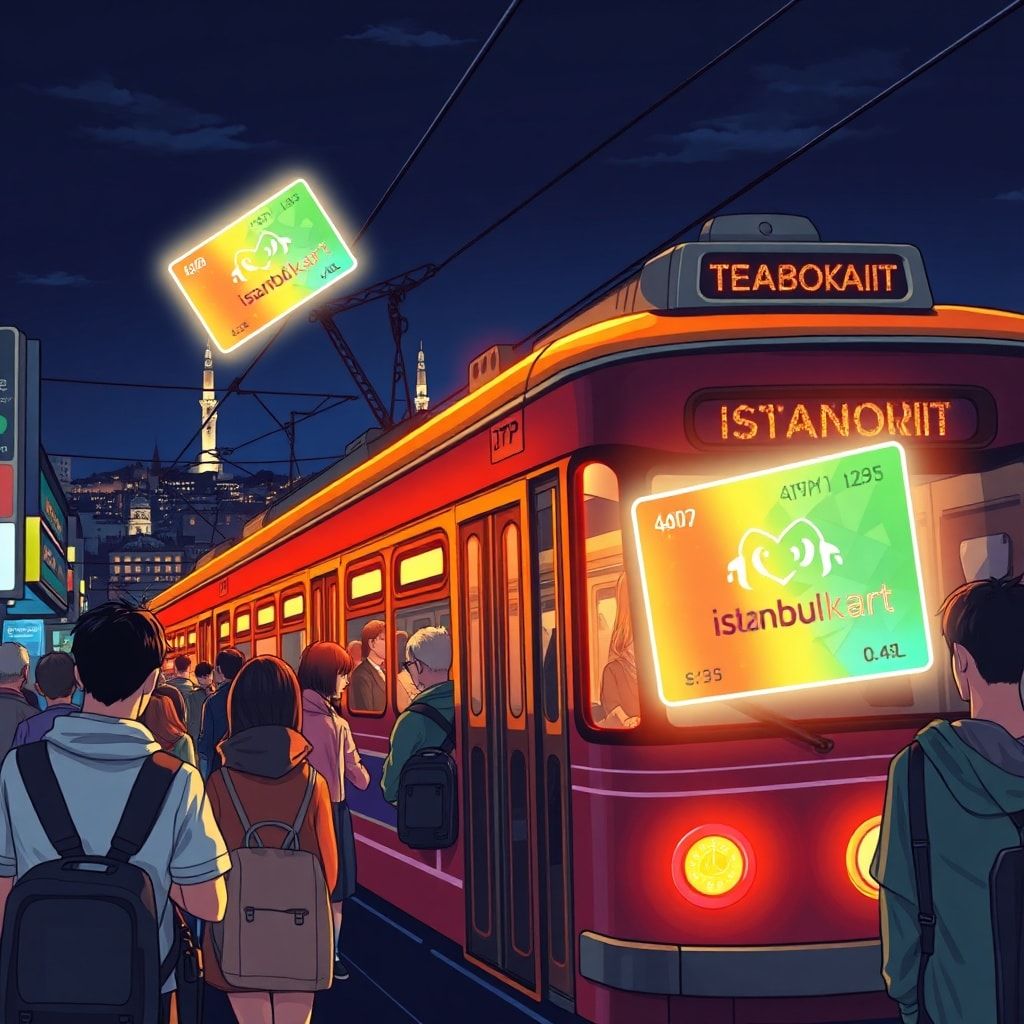
The cornerstone of any Istanbul budget guide is the Istanbulkart, a reusable smart card that slashes transport costs and even unlocks discounts at cultural sites. The anonymous standard card costs a one‑time fee of 165 ₺ and can be purchased at BELBİM vending machines located in every metro, tram, Metrobus, and ferry station. Once loaded, the card works on metros, trams, buses, ferries, and even funiculars, making it the Swiss‑army knife of public transit.
Beyond the base card, travelers face a choice between unlimited‑travel Istanbul City Cards and limited‑use pay‑as‑you‑go tickets. The City Card offers a 1‑day pass for 165 ₺, but the pricing quirk is that the 3‑, 5‑, and 7‑day passes all sit at 140 ₺, effectively rewarding longer stays with a lower daily rate. For the budget‑savvy backpacker on a four‑day sprint, the 5‑day pass is the sweet spot: you pay 140 ₺ and gain unrestricted rides across the entire network, eliminating the need to calculate per‑trip costs. This mirrors the strategy we outline on how to roam Istanbul for under $30 a day.
If you prefer a more granular approach, limited‑use tickets are sold as ONE Late (50 ₺), TWO Late (90 ₺), ThreePass (145 ₺), FourPass (175 ₺), and FivePass (205 ₺). Each ticket bundles a set number of rides within a validity window, useful for those who know they’ll only hop on a few lines each day. Students can snag a discounted Istanbulkart by paying an annual visa fee of 50 ₺, processed via ticket machines, the mobile app, or the official website. The card must hold at least that amount before the visa can be applied, a small hurdle that pays off with reduced fares. For more ideas on keeping costs low, see our article on exploring Istanbul without emptying your wallet.
For a rapid three‑day rollout, check out our three‑day Istanbul hack guide that pares down the itinerary to the essentials.
Crucially, the Istanbulkart isn’t just for transport. It doubles as a ticket to several free or discounted attractions: Panorama 1453 History Museum, Miniatürk, Şerefiye Cistern, Basilica Cistern, and even Bosphorus tours on public ferries. This multi‑purpose utility turns a single 165 ₺ investment into a passport for both mobility and culture, a fact that many budget guides overlook. For full details, visit the official project page.
Historical Context – Old Guard Perspective
To appreciate today’s Istanbul budget guide, you have to glance back at the era before the Istanbulkart’s 2009 debut. Back then, tourists juggled paper tickets, cash‑only buses, and a confusing maze of zone‑based fares. The city’s transport authority, İETT, issued single‑ride tickets that cost upwards of 2 ₺ per bus, and each ferry ride demanded exact change—hardly backpacker‑friendly.
The shift to a unified smart‑card system mirrored global trends seen in Tokyo’s Suica and London’s Oyster. Istanbul’s adoption was slower, hampered by bureaucratic inertia and a fragmented network of private minibusses (dolmuş). Yet once the Istanbulkart rolled out, it unified the fragmented fare structure, slashing transaction times and enabling data‑driven route optimization. This historical pivot is why modern budget guides can confidently recommend a single card for an entire stay.
Studio trends in travel publishing also evolved. Early guidebooks offered static tables of cash fares, while today’s digital nomad culture demands real‑time updates, QR‑code links, and interactive maps. The old guard’s printed pamphlets have given way to hyper‑linked blogs that can embed the official project page directly, ensuring travelers always have the latest price tiers. Understanding this evolution helps backpackers see the Istanbul budget guide not as a static list, but as a living document shaped by decades of transport policy.
Technical Crunch – Information Gain

Let’s dissect the mechanics that make the Istanbulkart a budget hero. The card uses NFC (Near Field Communication) technology, storing a balance and a transaction log on a secure chip. When you tap at a validator, the system reads the chip, deducts the appropriate fare, and updates the balance in milliseconds. This instantaneous feedback eliminates the need for cash handling and reduces fare evasion.
From a data perspective, each tap is logged to a central server, allowing the Istanbul Metropolitan Municipality to analyze passenger flow, peak load times, and route popularity. Those analytics have led to increased frequency on overcrowded lines like the M2 metro and the introduction of express ferries during rush hour—direct benefits for budget travelers who can now plan trips with fewer delays.
The pricing tiers themselves are engineered to incentivize longer stays. The 5‑day unlimited pass at 140 ₺ translates to an average of 28 ₺ per day, dramatically lower than the cumulative cost of five One‑Day passes (825 ₺). Meanwhile, the limited‑use tickets employ a diminishing‑marginal‑cost model: the per‑ride price drops as you purchase larger bundles, rewarding bulk buying—a classic behavioural economics tactic.
Student visas add another layer. By paying a 50 ₺ visa fee, students unlock a 25 % discount on all rides, effectively turning a 1‑day pass from 165 ₺ down to roughly 124 ₺. The requirement that the card hold at least the visa amount before activation ensures the system can verify eligibility without manual checks, streamlining the process for both the user and the transport authority.
Finally, the card’s acceptance at cultural sites creates a hybrid utility. For example, a traveler with a standard Istanbulkart can enter the Basilica Cistern for free, saving the typical 100 ₺ admission. When you stack those savings across multiple sites, the initial 165 ₺ card fee pays for itself within two days of sightseeing, a fact that any savvy Istanbul budget guide must highlight.
Future Implications – What’s Next for Budget Travelers

Looking ahead, the Istanbulkart ecosystem is poised for integration with emerging mobility‑as‑a‑service platforms. The municipality has hinted at a mobile‑first approach, where the physical card could be replaced entirely by a smartphone app that syncs with NFC‑enabled devices. For backpackers, this would mean no more lost cards and instant top‑ups via international credit cards, further lowering the barrier to entry.
Another trend is dynamic pricing based on real‑time demand. If Istanbul adopts surge‑pricing for peak hours—similar to ride‑hailing services—budget travelers will need to rely even more on unlimited passes to lock in fixed rates. This could make the 5‑day City Card even more attractive, as it shields users from fluctuating fares.
On the cultural side, the city is expanding the list of attractions that accept the Istanbulkart, adding museums, galleries, and even some private tours. This expansion transforms the card into a de‑facto cultural pass, potentially reducing the need for separate museum tickets and streamlining itinerary planning.
If you’re traveling during the colder months, our winter survival itinerary offers budget‑friendly indoor and waterfront options.
Don’t be that clueless tourist who spends half their budget on a single Bosphorus cruise because they missed the free ferry option hidden behind the Istanbulkart. Grab the card, load it up, and watch the city unfold without the constant dread of “how much will this cost?” That’s the real power of a well‑crafted Istanbul budget guide: it turns chaos into a manageable, even enjoyable, game of strategy.
Related Guides & Further Reading
Related Guides & Further Reading
Check out the Istanbul budget guide archives.
Check out the Istanbul budget guide archives.