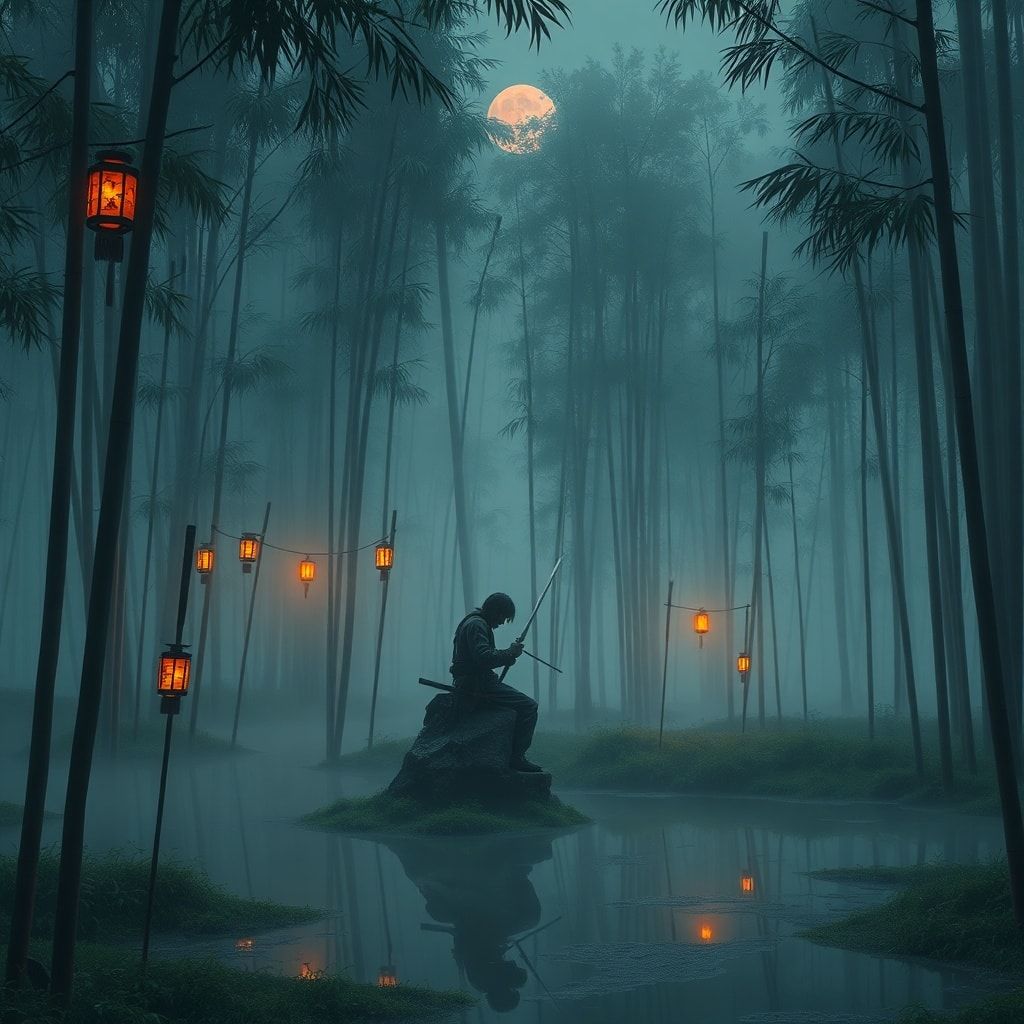
Why Hell’s Paradise Season 2 Is the Underrated Gem You Can’t Afford to Miss
The buzz around Hell’s Paradise Season 2 has been louder than a shuriken hitting a steel door. Our dedicated Underrated Anime Seasons hub offers a deeper look at overlooked series. For a deeper dive into hidden gems, check out our comprehensive guide to underrated anime. While casual viewers skim the surface, the series hides a labyrinth of narrative depth and visual mastery. Missing it would be a sin for any true otaku.
Verified News & Source Context for Hell’s Paradise Season 2
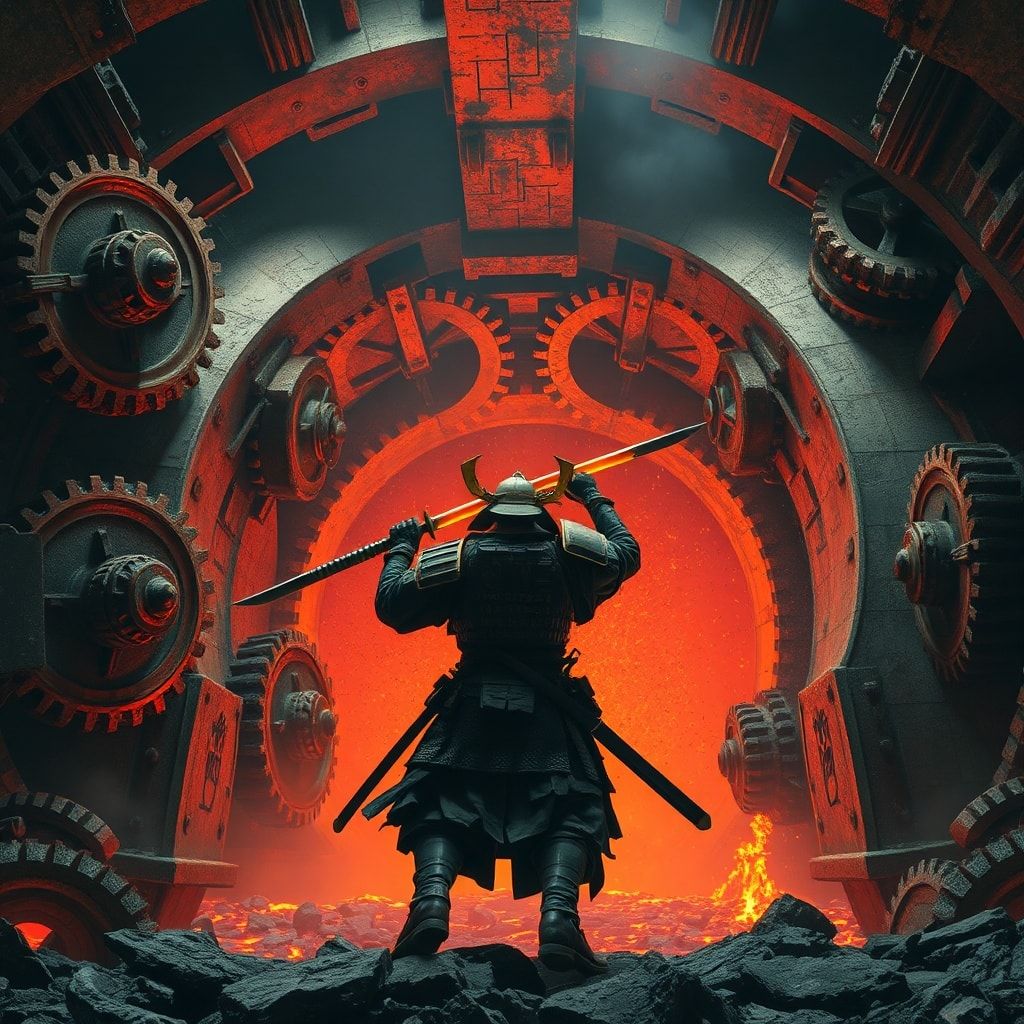
The second installment of the beloved franchise arrives as an eight‑episode sprint, debuting on TV Tokyo on January 11, 2026. As highlighted in our recent look at 2026’s most overlooked anime seasons, this concise run signals confidence from the network, trusting that a tight narrative will retain viewers’ attention without filler. Directed by Kaori Makita, whose previous work on “Blade of the Immortal” showcased a flair for kinetic combat, the series inherits a seasoned hand at balancing gore and philosophy. Writer Akira Kindaichi, known for his intricate plot weaving in “Mushoku Tensei,” brings a layered script that deepens the existential questions posed in the manga. Notably, Akitsugu Hisagi steps in as the new character designer, replacing the original’s art direction; his style injects sharper line work and a grittier aesthetic, while Yoshiaki Dewa returns to score, ensuring the haunting leitmotifs persist. Crunchyroll’s licensing guarantees global streaming, expanding the fanbase beyond Asia and reinforcing the series’ commercial viability. For official details, consult the official project page, which consolidates announcements and staff credits.
Historical Context: The Old Guard Perspective
When Hell’s Paradise first burst onto screens in 2022, it rode the wave of dark fantasy adaptations that blended visceral action with moral ambiguity. Compared to its predecessor, Season 2 adopts a more streamlined episode count, echoing the industry’s shift toward shorter cour formats championed by studios like MAPPA and Wit Studio. This trend reflects both budgetary constraints and audience fatigue with sprawling seasons. Kaori Makita’s directorial baton marks a departure from the original’s director, whose emphasis on atmospheric pacing gave way to Makita’s preference for rapid, choreography‑heavy set‑pieces, aligning with the current appetite for high‑octane visuals. The replacement of the original character designer with Akitsugu Hisagi mirrors a broader pattern where studios refresh visual identity to keep franchises feeling fresh, reminiscent of the redesigns seen in “Attack on Titan” after its third season. Moreover, Yoshiaki Dewa’s continued involvement as composer provides a thread of continuity, a strategic move to retain auditory branding while the visual components evolve. These staff changes illustrate how long‑running series adapt to market pressures while attempting to honor their roots.
Technical Crunch: Lore Mechanics and Production Design
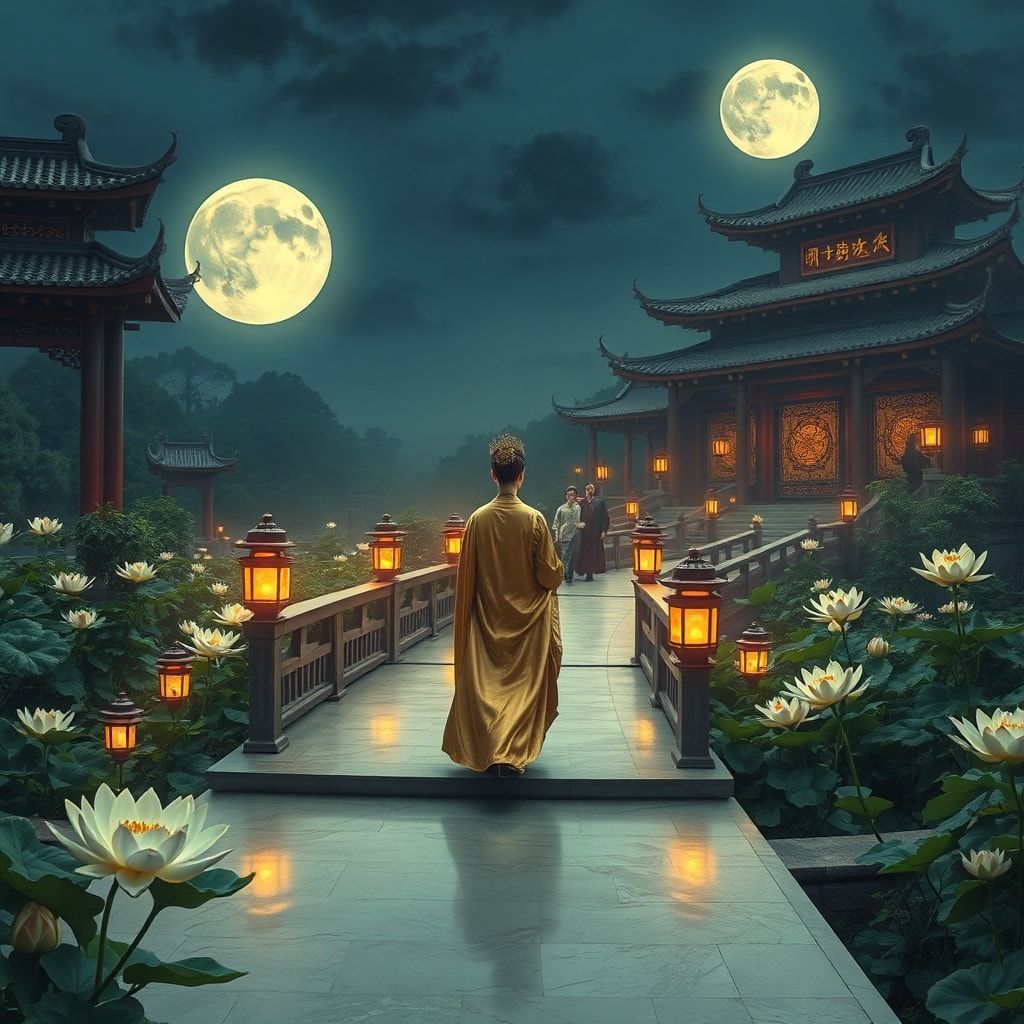
Season 2 delves deeper into the metaphysical rules governing the island of Shinsenkyo, expanding the “Immortal Elixir” mythos introduced earlier. The narrative introduces a new hierarchy of cursed spirits, each quantified by a “Resonance Index” that determines their susceptibility to the protagonist’s sword techniques. This mechanic not only adds strategic depth to fight choreography but also serves as a narrative device to explore themes of sacrifice and redemption. Production designers employed a blend of traditional cel shading and digital texture mapping to render the island’s bioluminescent flora, creating a visual contrast between the serene night‑glow and the brutal combat. Akitsugu Hisagi’s redesign of the main cast incorporates subtle anatomical adjustments—elongated forearms and sharper cheekbones—that convey heightened aggression without sacrificing recognizability. Sound design, under Dewa’s guidance, layers ambient jungle noises with low‑frequency rumblings that sync with on‑screen tension meters, effectively turning audio into a gameplay‑like feedback system. These layered technical choices elevate the series beyond mere adaptation, positioning it as an interactive experience for viewers attuned to its intricate world‑building. Fans looking for more hidden gems can consult our 2026 binge‑time guide for a broader perspective.
Future Implications of Hell’s Paradise Season 2
The success of this eight‑episode run could set a precedent for future arcs, and is already being cited as a game‑changer among 2026’s underrated seasons. Analyses of the year’s standout underrated releases highlight how the series is reshaping expectations. Should viewership metrics from Crunchyroll and TV Tokyo remain robust, we may see a third season tackling the “Eternal Prison” storyline, which promises to expand the geopolitical landscape of the series and introduce new antagonistic factions. Additionally, the heightened emphasis on lore mechanics opens doors for cross‑media expansions—light novels, video games, or even a tabletop RPG could capitalize on the Resonance Index system, deepening fan engagement. However, the risk remains that continual staff turnover might dilute the series’ core identity, alienating purists who cherish the original’s aesthetic. Balancing innovation with fidelity will be crucial as the franchise navigates its growing international footprint.
Season 2 also serves as a litmus test for how far studios will push lore depth without alienating casual viewers. The Resonance Index adds a layer of strategic intrigue that rewards attentive watching, but it also demands a higher cognitive load—something not all streaming platforms are prepared to accommodate. If the series can maintain its balance, it will cement its place as a benchmark for future dark‑fantasy adaptations, proving that brevity and complexity can coexist.
Related Guides & Further Reading
Check out the Hell’s Paradise Season 2 archives.
Check out the Hell’s Paradise Season 2 archives.