
Survive December on a Dime: The Ultimate Oaxaca Budget Guide
When the high season rolls in and the streets of Oaxaca start humming with tourists, the real challenge is keeping your wallet from screaming. Our Oaxaca budget hub is your secret weapon, turning every peso into a passport stamp without sacrificing flavor or fun. For a focused look at December savings, see how to stretch your pesos in the season on a shoestring, offering cheap eats and safe hostels. Miss the cheap thrills and you’ll end up paying for a souvenir you’ll never use while the city’s vibrant soul slips through your fingers.
Official 2026 Transport Fares in Oaxaca

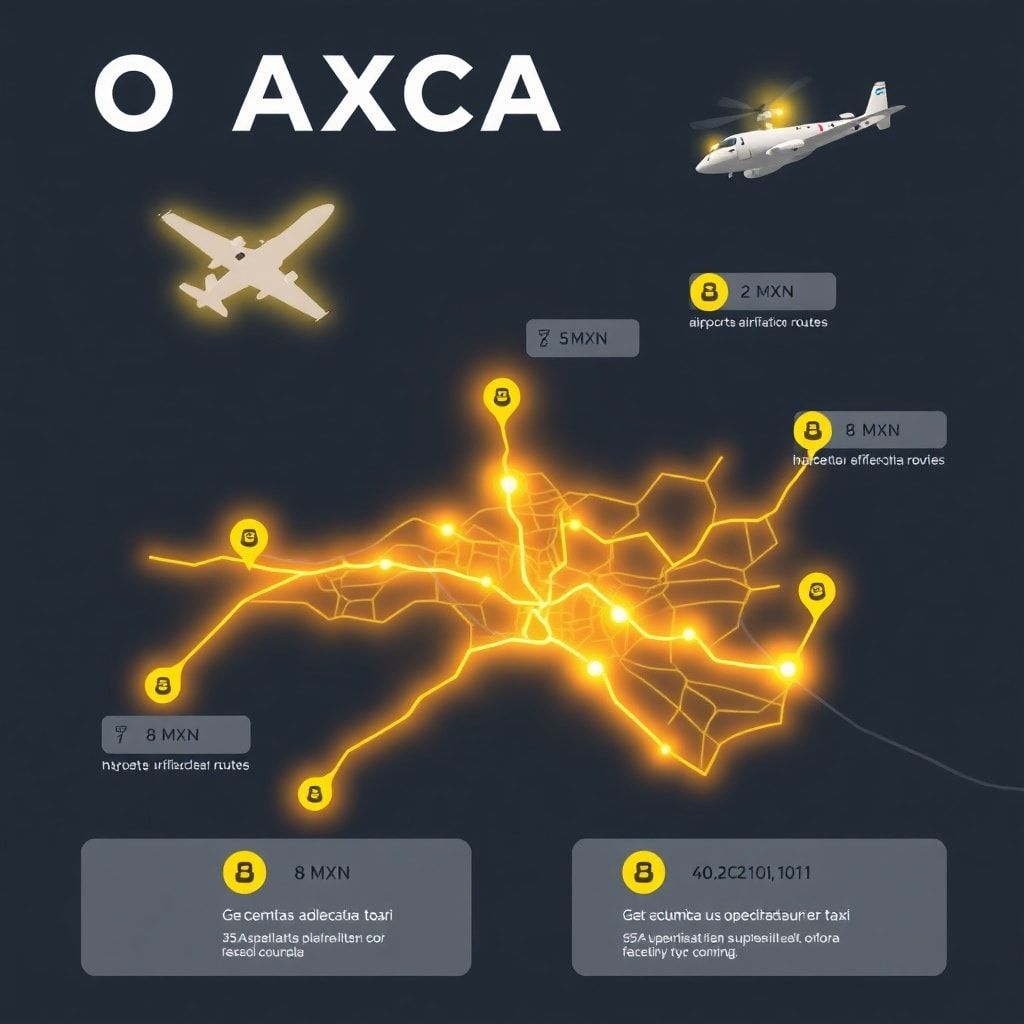
Official data from the municipal transport authority reveals that a single ride on a colectivo costs a mere 8 MXN per passenger. This fare, listed under the “Costo por pasajeros” column for the Valles Centrales‑Centro‑Oaxaca de Juárez corridor, is a flat rate that applies regardless of distance within the central zone.
In practical terms, a day of hopping between the Mercado 20 de Noviembre, the Santo Domingo Church, and the bustling Zócalo can be covered for less than a US dollar, a fact that makes Oaxaca one of the most wallet‑friendly cities in Latin America.
Taxi flat‑rate fares
Taxi fares are equally regimented. From the Zócalo to the ADO bus terminal, Central de Abastos, or the Colonia Periodistas, the city enforces a flat 50 MXN charge, independent of traffic or time of day.
Longer trips, such as to Santa Rosa or San Martín Mexicapam, are set at 60 MXN, while journeys to Volcanes, Dolores, Bugambilias, Monte Albán, or the historic Panteón Jardín climb to 70 MXN. The ceiling for standard taxi rides caps at 100 MXN for farther neighborhoods like Trinidad de Viguera, La Joya, or Xoxocotlán, ensuring that even a night out in the upscale districts won’t drain your cash reserves.
| Destination(s) | Flat fare (MXN) |
|---|---|
| Zócalo → ADO bus terminal, Central de Abastos, Colonia Periodistas | 50 |
| Santa Rosa, San Martín Mexicapam | 60 |
| Volcanes, Dolores, Bugambilias, Monte Albán, Panteón Jardín | 70 |
| Trinidad de Viguera, La Joya, Xoxocotlán (and similar outlying neighborhoods) | 100 (maximum) |
Airport‑taxi rates
Airport‑taxi rates, however, are a different beast. Depending on your hotel’s location, fares range from 120 MXN to 200 MXN, a premium that reflects the logistical challenges of shuttling passengers from the Aeropuerto Internacional de Oaxaca.
All these figures are corroborated by the official project page, which publishes the city’s regulated fare tables and updates them quarterly. For the budget‑savvy traveler, understanding these numbers transforms a chaotic arrival into a calculated, stress‑free start.
Evolution of Oaxaca’s Transportation: From Colonials to Colectivos
Colonial‑era travel and early challenges
To appreciate today’s cheap fares, we must travel back to Oaxaca’s colonial era, a period that also hosts the quirky radish harvest celebration – read why Oaxaca’s December shines beyond anime conventions for a glimpse of the festivity. Those journeys were costly, time‑consuming, and fraught with danger, limiting mobility to the affluent elite.
The introduction of the railway in the early 20th century democratized travel, yet fares remained out of reach for most locals.
1970s birth of the colectivo system
The 1970s saw the birth of the colectivo system, a grassroots response to the city’s growing need for affordable, flexible transport. Early colectivos were repurposed school buses, painted in bright colors, and operated by independent drivers who set their own routes.
This DIY model echoed the spirit of the Mexican “cultura de la calle,” where informal economies thrived alongside formal ones. Over the decades, the government stepped in, standardizing fares and licensing drivers, but the core ethos—low‑cost, high‑frequency service—remained intact.
Comparison with other Latin American cities
Comparatively, other Latin American hubs like Buenos Aires or Rio de Janeiro wrestled with privatization, leading to fare spikes and reduced coverage. Oaxaca’s decision to keep colectivos under municipal oversight preserved the city’s reputation as a budget haven. This historical continuity not only benefits tourists but also sustains local commuters, reinforcing a social contract that dates back to the city’s pre‑colonial trade routes.
Economic Impact of the City’s Pricing Model

Colectivo fare elasticity and public benefits
From an economic standpoint, Oaxaca’s fare structure is a textbook case of price elasticity in a low‑income market. The 8 MXN colectivo fare sits well below the average daily wage, encouraging high ridership and reducing reliance on private cars, which in turn eases traffic congestion and lowers emissions.
This creates a positive externality: the city saves on infrastructure maintenance while tourists enjoy smoother navigation.
Flat‑rate taxi fares: consumer protection and driver income
The flat taxi rates serve a dual purpose. First, they protect consumers from price gouging, a common issue in tourist hotspots where drivers might otherwise exploit unfamiliar visitors.
Second, they provide a predictable revenue stream for drivers, who can plan earnings based on known fare caps. The tiered system—50 MXN for central trips, 60‑70 MXN for mid‑range destinations, and a 100 MXN ceiling for outlying areas—balances affordability with operational costs such as fuel and vehicle depreciation.
Airport‑taxi premiums (120‑200 MXN) reflect a cost‑recovery model that accounts for longer distances, airport fees, and the need for higher turnover. By segmenting fares, the municipal authority can subsidize intra‑city travel while still generating sufficient income from higher‑margin services.
For the budget traveler, the key takeaway is strategic planning: book airport transfers in advance to lock in the lower end of the range, and rely on colectivos for day‑to‑day exploration.
Budget Travel’s Role in Oaxaca’s Future
Attracting eco‑conscious backpackers and digital nomads
Looking ahead, Oaxaca’s commitment to affordable mobility positions it as a model for sustainable tourism in the era of climate‑conscious travel. As global travelers prioritize low‑impact, cost‑effective destinations, the city’s regulated fare system could attract a new wave of backpackers and digital nomads seeking long‑term stays.
This influx may stimulate micro‑entrepreneurship—hostels offering collective‑ticket bundles, local guides curating “budget‑friendly” itineraries, and eateries tailoring menus for the frugal palate.
Infrastructure pressures and planned upgrades
However, the rise in demand also threatens to strain the existing infrastructure. To preserve the delicate balance, municipal planners are exploring electric colectivo conversions, which would lower operating costs and align with Mexico’s green‑energy goals.
Additionally, integrating real‑time fare apps could enhance transparency, allowing travelers to compare colectivo, taxi, and rideshare options on the fly. If executed wisely, these innovations will cement Oaxaca’s reputation as a budget‑friendly haven without compromising its cultural authenticity.
Listen up, green‑horns: the moment you think you’ve cracked the Oaxaca budget code, the city will throw a fiesta you didn’t budget for. The colectivos may be cheap, but they run on a schedule that laughs at your lazy morning alarms, and the taxi drivers will eye your backpack like a hawk, ready to pounce with a “¡Buen día!” that masks a hidden surcharge if you stray off the main arteries. My two decades on the road taught me that the real currency here isn’t pesos—it’s timing, local slang, and the ability to barter a smile for a seat on a packed van heading to Monte Albán.
Don’t be fooled by glossy travel blogs that promise “zero‑cost” adventures. The truth is, every cheap ride comes with a trade‑off: a cramped seat, a burst of diesel fumes, or a sudden rainstorm that turns the Zócalo into a river of tourists. Master the art of the early‑bird colectivo, learn the exact taxi zones, and keep a stash of small change for the inevitable 8 MXN fare that will pop up when you least expect it. That’s the veteran’s secret—play the system, respect the locals, and you’ll walk away with more stories than souvenirs, and a wallet that’s still breathing.
Related Guides & Further Reading
Check out the Oaxaca travel archives.