Surviving Bergamo on a Shoestring: The Ultimate Bergamo Budget Guide for Solo Backpackers
Ever wondered how to stretch a single euro across Bergamo’s cobblestones without sacrificing the thrill of solo adventure? The Bergamo budget guide is your passport to a 48‑hour sprint through history, flavor, and free‑spirited transport, all while keeping your wallet from screaming. Before you set off, explore our complete Bergamo weekend hub for a rounded view of what a short break can offer, and discover why a Bergamo weekend can easily outshine a typical European city break in our comparison guide.
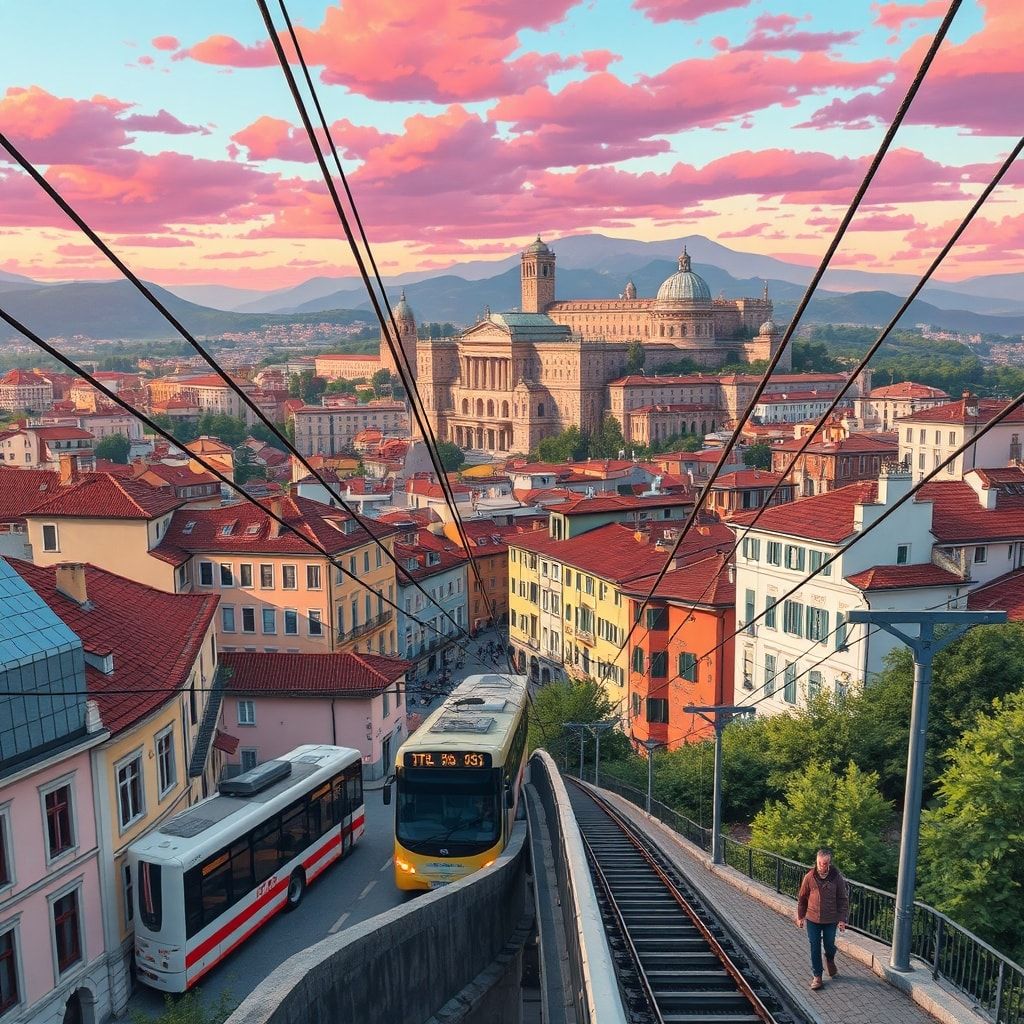
The first line of defense for any frugal traveler is understanding the tourist tax. Bergamo levies a 6 % surcharge on accommodation per night, capped at €5 per person, but youth hostels have been exempt since 1 August 2023 – a sweet relief for the backpacker crowd. This exemption will evaporate when the rate nudges up to 7 % (still capped at €5) on 1 April 2025, so timing your trip before that date can save you a few euros. For travelers who want to stretch even less, see our how to live like a Roman emperor on $30 a day guide for ultra‑tight budgeting. Next, the ATB bus line 1 is the arterial lifeline from Orio al Serio Airport to the city centre, departing every 20 minutes Monday‑Saturday and every 30 minutes on Sundays and holidays. The schedule aligns nicely with most flight arrivals, meaning you can hop off the plane, grab a ticket, and be sipping espresso in the lower town within an hour.
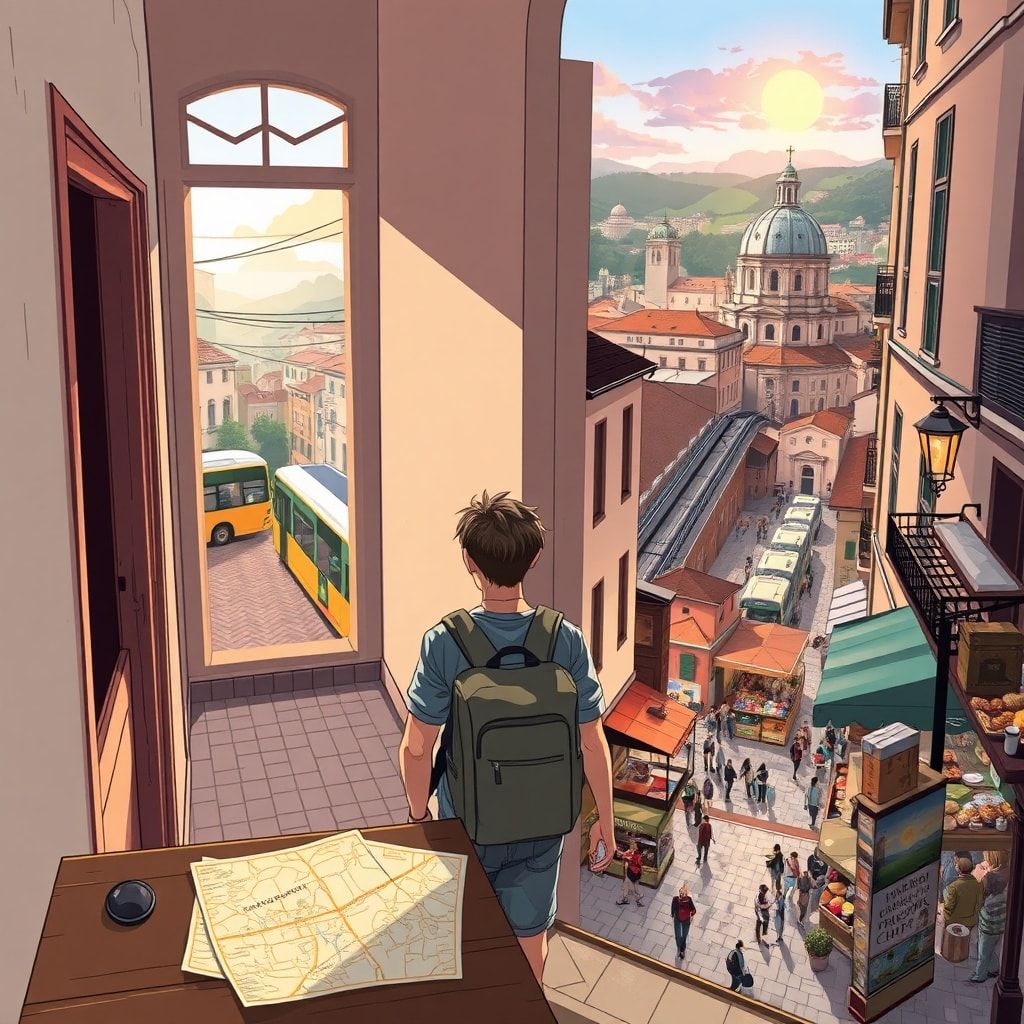
Bergamo’s main train station, nestled in Piazzale Guglielmo Marconi, offers a 50‑minute ride to Milan, Brescia, or Lecco, making day‑trips a breeze. From the station, the same ATB line 1 runs every ten minutes to the lower funicular stop, a crucial link to Bergamo Alta. The city funicular itself is a marvel: a 240 m track climbing 85 m with a 52 % gradient, operating from 07:00‑23:00 on weekdays (extended to 01:15 on Thursday/Friday evenings and Saturdays). Its GPS‑tagged stations (45.700740 N, 9.665130 E) sit at the heart of the historic centre, which is riddled with Limited Traffic Zones (LTZ). Some zones are permanently closed to non‑residents, while others enforce weekday bans from 07:00‑20:00. Parking outside these zones and hopping on ATB buses or the funicular is the safest way to avoid fines. For a deeper dive into the funicular’s design and schedule, visit the official project page.
Old Guard Perspective: How Past Travel Guides Missed the Mark
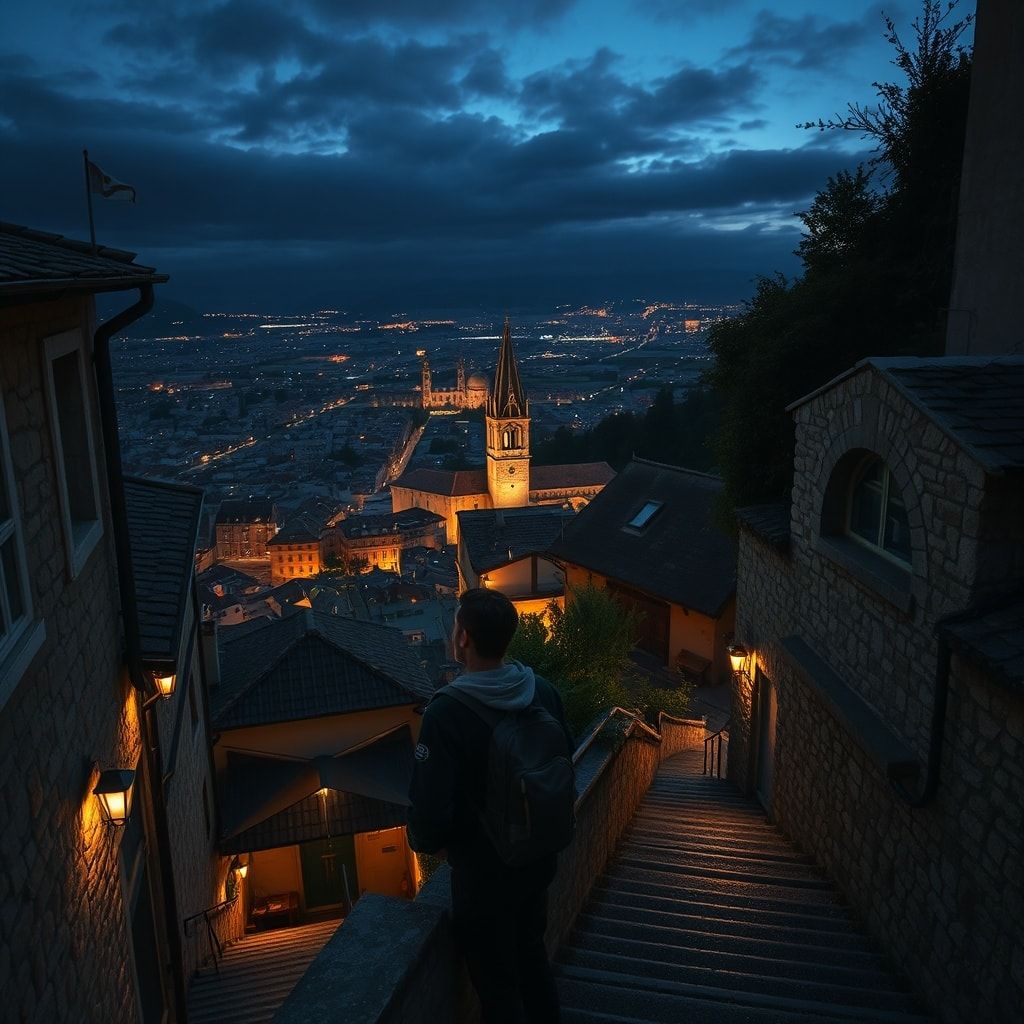
Back in the early 2000s, guidebooks like Lonely Planet and Rough Guides painted Bergamo as a quiet backwater, barely worth a weekend stop. Those editions glossed over the tourist tax, assuming travelers would absorb the cost without question. Hostels were listed without noting the 2023 exemption, leading backpackers to over‑budget for accommodation. Moreover, the ATB bus schedules were printed as static timetables, ignoring the nuanced 20‑minute versus 30‑minute intervals that can make or break a connection after a late‑night flight.
The old‑guard perspective also ignored the rise of digital ticketing and mobile apps that now let you purchase ATB tickets on the go, a game‑changer for impulse travelers. In contrast, the 2010s saw a surge in budget‑focused travel blogs that began to dissect the LTZ system, warning readers to park in the outskirts of Città Bassa and walk or bike into the historic centre. This shift mirrors a broader industry trend: the democratization of travel information via user‑generated content, which forced traditional publishers to update their data or risk irrelevance. The evolution from static print to dynamic, real‑time guidance reflects how budget travel has become a hyper‑connected, data‑driven experience.
Technical Crunch: Dissecting Transport Mechanics and Cost Calculus
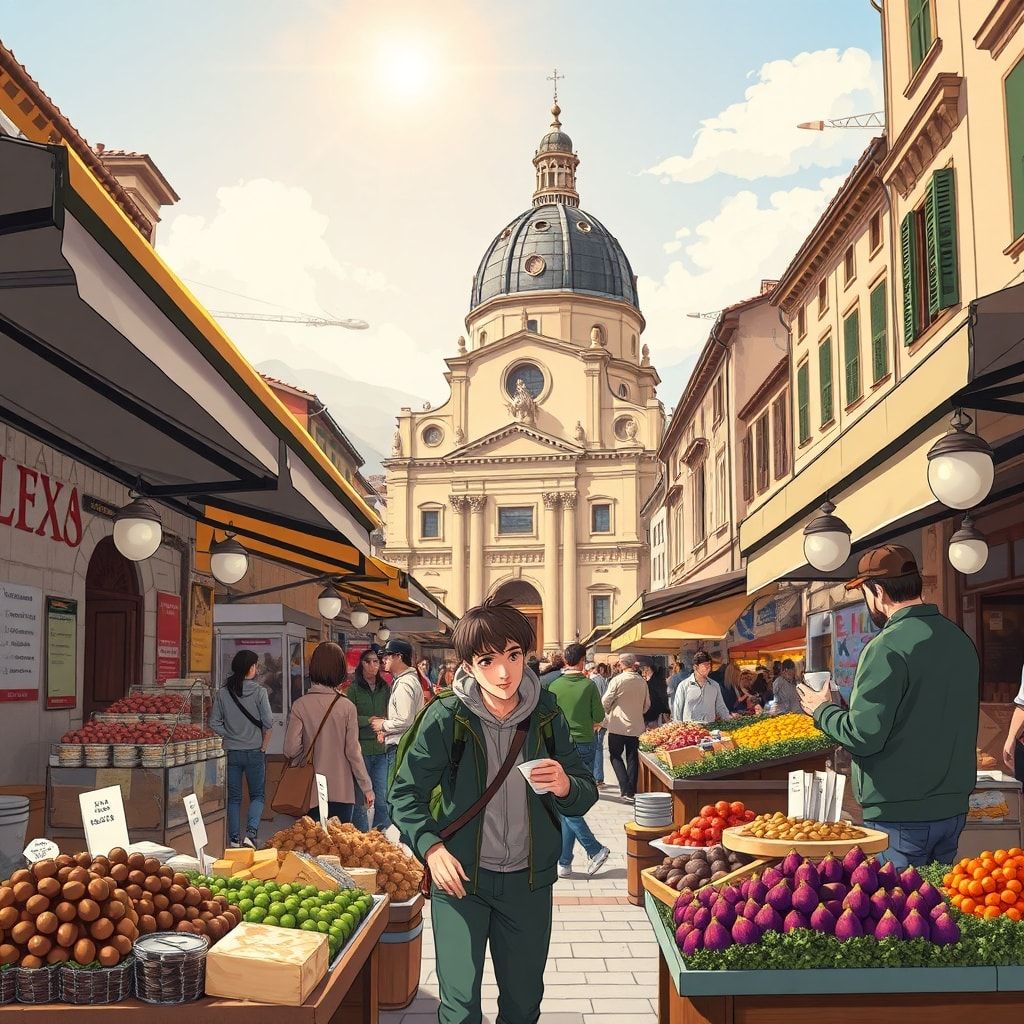
Let’s break down the numbers. A night in a youth hostel (post‑exemption) averages €20. Adding the 6 % tourist tax (capped at €5) brings the total to €25 per night. If you stay three nights, you’re looking at €75 before food. A single ATB bus ticket from the airport to the city centre costs €2.50; a return trip is €5.00. The funicular round‑trip ticket is €1.50, making a full day of shuttling between Bassa and Alta just €4.00. Combine these with a 10‑minute train ride to Milan (€9.00 round‑trip) and you have a full itinerary for under €100. If you’re aiming to keep the whole trip under $50, our weekend budget guide walks you through a 48‑hour plan that still hits the highlights. For a tighter look, our shoestring survival guide lays out a checklist to keep every euro in check.
Timing is crucial. The funicular’s extended hours on Thursday/Friday evenings (up to 01:15) allow night‑owls to explore the illuminated Piazza Vecchia after the bars close, without needing a taxi. The LTZ restrictions (07:00‑20:00 weekdays) mean you should schedule any car‑based excursions early in the morning or after 20:00. Parking in the outskirts (e.g., Via Guglielmo Marconi) costs €1 per hour, but a 24‑hour stay is €12 – still cheaper than risking a €70 fine for entering a permanent LTZ. By layering these data points—tax caps, bus intervals, funicular gradients—you can construct a spreadsheet that optimizes each euro, turning Bergamo into a playground for the analytically inclined.
Future Implications: What Lies Ahead for Budget Backpackers in Bergamo
The upcoming 7 % tourist tax increase in April 2025 may seem marginal, but for the ultra‑budget traveler it nudges the cost ceiling upward, potentially prompting a shift toward alternative lodging such as Airbnb rooms or couch‑surfing. Meanwhile, the ATB authority is piloting a contactless payment system that could integrate bus, train, and funicular tickets into a single app, slashing transaction fees and simplifying route planning. If implemented, this could further democratize access, allowing backpackers to hop on the funicular without buying a paper ticket, thereby reducing the psychological barrier of “extra costs”.
On the cultural front, Bergamo’s LTZ enforcement is tightening, with digital cameras now monitoring vehicle entry in real time. This could deter illegal parking but also push more travelers toward multimodal journeys—bike‑share programs are already expanding, and the city is considering a bike‑friendly corridor that links the airport directly to the historic centre. For the seasoned nomad, these developments signal a future where Bergamo becomes a model of sustainable, low‑cost urban tourism, provided you stay ahead of policy changes and tech roll‑outs.
My advice? Treat Bergamo like a chessboard: park on the edge, move your pieces (bus, funicular, train) with precision, and always keep a spare €5 for the unexpected tax hike. The city’s charm is undeniable, but its hidden costs are a test of your budgeting chops. Master them, and you’ll walk the Venetian walls with the confidence of a samurai who’s already won the duel.
Related Guides & Further Reading
Check out the Bergamo budget guide archives.