Why the Chainsaw Man ending Is the Most Controversial Twist in Modern Anime
The Chainsaw Man ending left fans reeling, sparking debates that stretched from Reddit threads to late‑night anime panels. For an in‑depth look, check out our Chainsaw Man ending hub. Explore our comprehensive guide on divisive anime to see how this controversy fits into the broader landscape of polarizing series. Our most‑divisive‑anime hub offers a deeper look at patterns across series. As the final credits rolled, the series’ bold narrative choices collided with industry realities, forcing viewers to question what truly mattered. Will the shockwaves from this climax reshape how studios fund daring adaptations?
Verified News & Source Context: The Chainsaw Man ending Unpacked
The anime aired from October 12 to December 28, 2022, delivering twelve tightly‑packed episodes on TV Tokyo. Each installment runs roughly 23 minutes, with episode ten stretching to 25 minutes to accommodate a pivotal showdown. Uniquely, every episode boasts its own ending theme, a decision that amplified emotional resonance and gave each arc a distinct musical fingerprint. This approach, while artistically daring, also inflated licensing costs—an expense Mappa willingly shouldered, hinting at a self‑funding model that relied on merchandise and streaming royalties rather than traditional studio backing. The series’ official project page official project page chronicles these production quirks, underscoring how Mappa’s gamble paid off in viewership spikes and viral meme culture. our detailed breakdown of the finale. Moreover, the sequel film “Chainsaw Man – The Movie: Reze Arc” debuted on September 19, 2025, extending the narrative beyond the TV run and cementing the ending’s legacy as a launchpad rather than a full stop.
Historical Context: From Early Adaptations to Mappa’s Gamble
When the original Chainsaw Man manga debuted in 2018, the industry was still reeling from the success of “Demon Slayer” and “Jujutsu Kaisen,” both of which leveraged high‑budget animation to dominate global charts. Early adaptations of similarly gritty shōnen titles—think “Berserk” (1997) and “Tokyo Ghoul” (2014)—suffered from budget constraints, resulting in uneven animation that alienated core fans. Mappa, fresh off the acclaim of “Jujutsu Kaisen” (2020), seized the moment to prove that a studio could handle visceral gore without compromising fluidity. Their decision to self‑fund the series, bypassing the traditional committee system, mirrored a broader shift toward creator‑driven projects seen in studios like MAPPA’s own “Chainsaw Man” and Studio Trigger’s “Kill la Kill” (2013). This era also witnessed a rise in “one‑season wonders,” where studios opted for concise, high‑impact runs rather than sprawling multi‑season sagas. By positioning the Chainsaw Man ending as both a narrative climax and a strategic business pivot, Mappa aligned itself with a new wave of anime that values artistic risk as a market differentiator.
Technical Crunch: Lore Mechanics Behind the Chainsaw Man ending
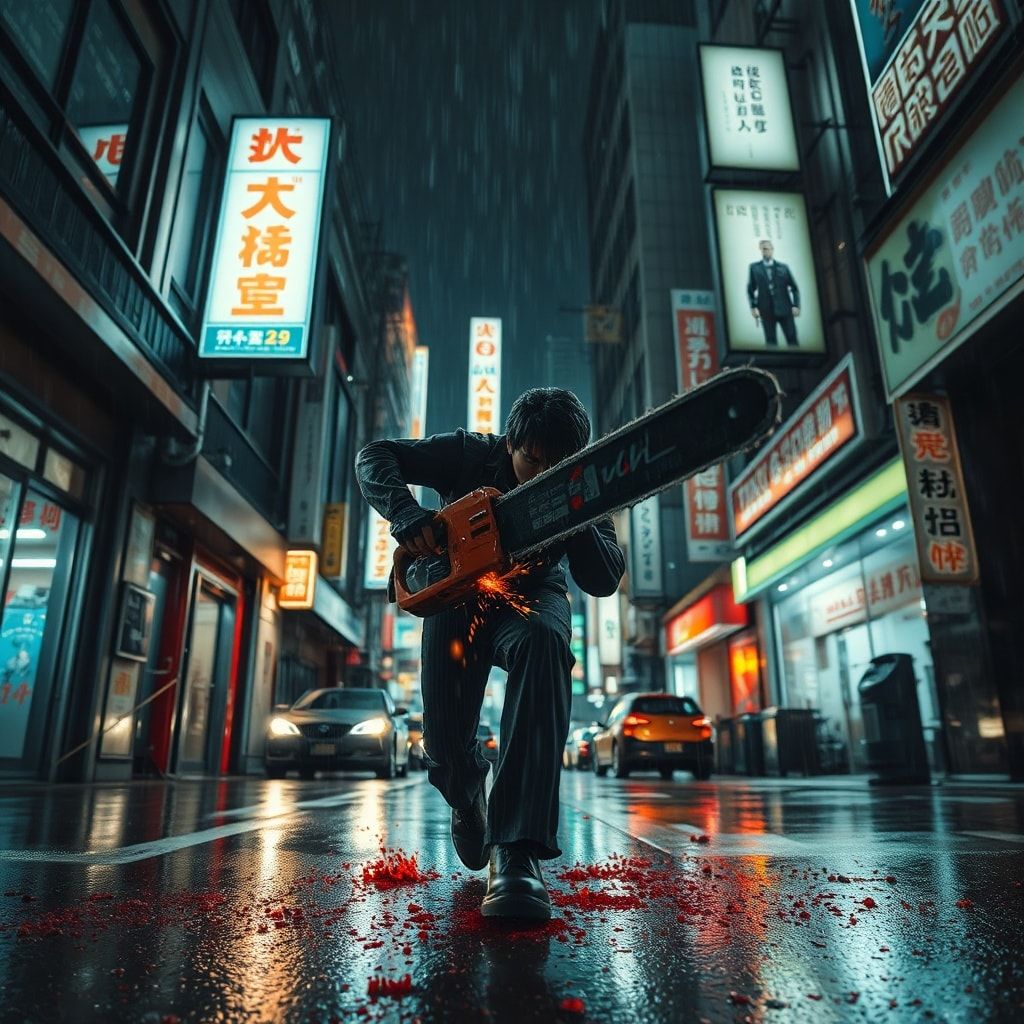
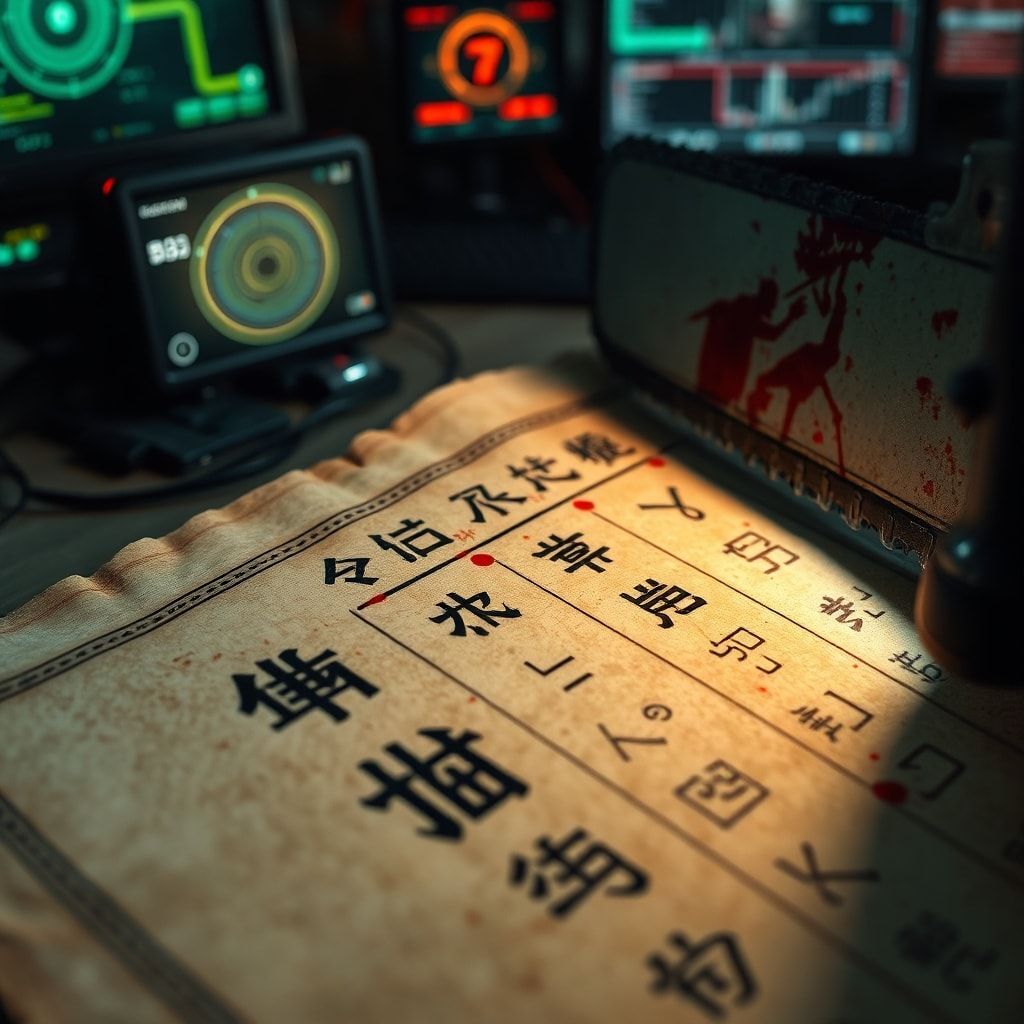
At its core, the Chainsaw Man ending hinges on the intricate contract system between humans and devils—a mechanic that the anime visualized with a blend of hand‑drawn art and cutting‑edge CG. The contract parchment, seen in episode twelve, is rendered with a subtle glow that signals the binding of souls, a visual cue that doubles as a narrative exposition device. The hidden meanings behind that contract are unpacked in our expose on the dark lore behind the Chainsaw Man finale. Denji’s chainsaw blade, now permanently fused with his arm, is animated using a hybrid rig that allows for real‑time deformation, giving each swing a unique blood‑splatter pattern that mirrors his emotional state. Power levels, traditionally conveyed through dialogue, are instead displayed via holographic overlays that pulse in sync with the soundtrack, a technique borrowed from video‑game UI design to keep viewers engaged during high‑octane battles. Moreover, the series employs a layered soundscape where diegetic engine roars blend with ambient city noise, reinforcing the chaotic worldbuilding. These technical choices matter because they transform abstract lore into visceral experience, ensuring that the ending’s thematic weight—sacrifice, identity, and the cost of desire—resonates beyond the page.
Future Implications: What Lies Beyond the Chainsaw Man ending?
The Reze Arc film, released in 2025, picks up where the TV series left off, positioning the ending not as a conclusion but as a narrative springboard. By re‑introducing Reze—a character whose ambiguous motives sparked endless speculation—the franchise taps into fan‑driven theories, ensuring sustained buzz across social platforms. This strategy mirrors the post‑ending expansions seen in “Attack on Titan” and “One Piece,” where supplemental movies and specials keep the IP alive while the main series takes a hiatus. Commercially, the film’s success has validated Mappa’s self‑funding model, encouraging other studios to pursue similar risk‑reward calculations. Culturally, the Chainsaw Man ending has already influenced cosplay trends, meme culture, and even fashion, with chainsaw‑themed accessories hitting streetwear shelves. As the franchise eyes potential spin‑offs—perhaps focusing on Power’s backstory or the enigmatic Public Safety Devil Hunters—the ending serves as a narrative fulcrum, balancing closure with open‑ended possibilities.
And let’s not forget the industry ripple: studios are now eyeing self‑funded, high‑impact one‑season projects as the new gold standard. The ending proved that a well‑placed blood‑splatter can be more profitable than a decade‑long filler arc. So buckle up, because the next wave of anime will probably end with a chainsaw‑sawed cliff, and we’ll all be here, sharpening our knives.
Related Guides & Further Reading
Related Guides & Further Reading
Check out the Chainsaw Man archives.
Check out the Chainsaw Man archives.