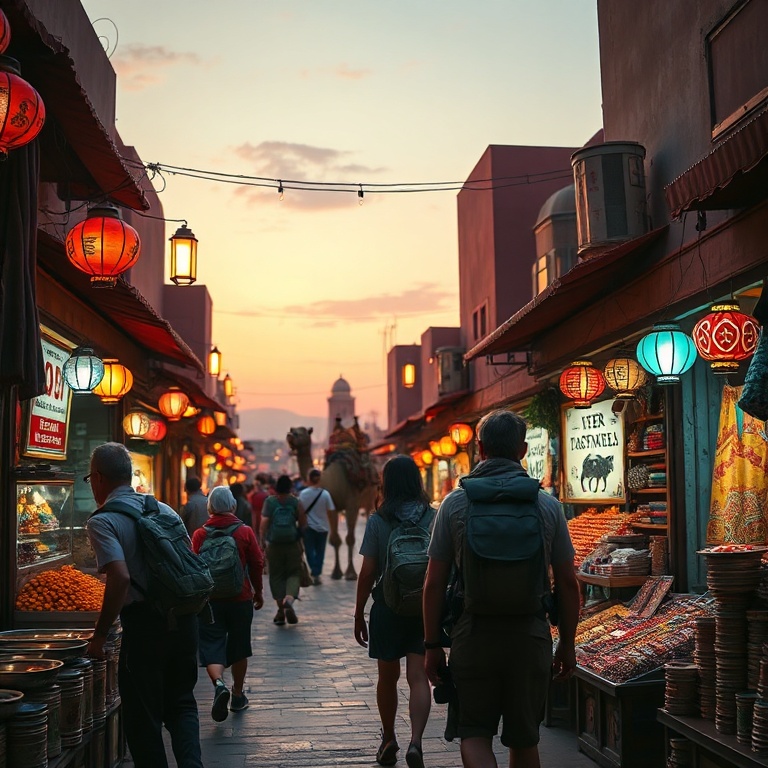
Surviving the Island: How a Tight Java Budget Shapes an 8‑Day Backpacker Odyssey
When you plot an 8‑day trek across Java with only a shoestring allowance, the phrase Java budget becomes your lifeline. Every cup of cheap kopi and every bus ticket is a gamble against dwindling rupiah. Miss a beat and you’ll be swapping temple views for hostel floors.
Why a Tight Java Budget Matters for an 8‑Day Backpacker
Verified News & Source Context: The Real Cost of Borobudur

Ticket Prices for Domestic Visitors
| Visitor Type | Ground Access | Upper Terraces |
|---|---|---|
| Domestic Adult (10+) | IDR 50,000 | IDR 120,000 |
| Domestic Child (3‑10) | IDR 25,000 | IDR 75,000 |
Ticket Prices for International Visitors
| Visitor Type | Ground Access | Upper Terraces |
|---|---|---|
| Foreign Adult | IDR 375,000 | IDR 455,000 |
| Foreign Child | IDR 225,000 | IDR 305,000 |
Booking & Quota Details
The Indonesian Ministry of Tourism notes that these fees fund preservation, staff salaries, and the massive influx of 2 million annual visitors. Borobudur sits 35 km from Yogyakarta International Airport, about a 45‑minute drive that adds fuel costs. Tickets can be purchased up to seven days ahead at the official portal, but daily climbing quotas mean last‑minute bookings are risky. The official project page confirms these numbers and highlights a push for digital ticketing to curb scalpers. For backpackers, this translates to advanced planning and tight daily budgeting, as a single temple visit can consume 10‑15 % of a modest allowance.
From 1990s Guides to Today’s Digital Itineraries

1990s Budget Snapshot
Back in the late‑90s, the classic “Lonely Planet Indonesia” ruled the shelves, and a typical Java budget hovered around US$15‑20 per day, largely because hostels were cheap and street food was abundant. Borobudur tickets were a fraction of today’s rates—IDR 30,000 for ground access and IDR 80,000 for the upper level—reflecting a pre‑digital cash‑only environment.
Factors Driving Modern Price Increases
- Online booking platforms and dynamic pricing.
- Growth in Chinese and European tourist numbers.
- Instagram‑fuelled “temple‑hopping” turning Borobudur into a global brand.
- Professionalisation of guides, now certified interpreters with multilingual training.
- Higher operational costs that cascade to backpacker fees.
This historical lens shows that the Java budget is not static; it mirrors broader tourism economics, tech adoption, and cultural trends reshaping the backpacking landscape.
Breaking Down an 8‑Day Java Backpacker Budget

Accommodation
- Avg. budget hostel: IDR 120,000 per night
- 8 nights = IDR 960,000
Food
- Street‑side nasi goreng / satay: ~IDR 50,000 per meal
- 3 meals/day = IDR 150,000
- 8 days = IDR 1,200,000
Transport
- Commuter train legs: IDR 30,000 each
- Shared minivan legs: IDR 70,000 each
- Total estimated transport cost = IDR 800,000
Tickets & Miscellaneous
- Borobudur (ground + structure, foreign adult) = IDR 830,000
- Prambanan entry, water, laundry, etc. = IDR 300,000
Total Cost Summary
| Category | Cost (IDR) |
|---|---|
| Accommodation | 960,000 |
| Food | 1,200,000 |
| Transport | 800,000 |
| Borobudur Tickets | 830,000 |
| Miscellaneous | 300,000 |
| Total | 4,090,000 |
At current exchange rates, this equals roughly US$260, or US$32‑33 per day. The temple ticket alone can consume about 20 % of a daily budget, forcing strategic allocation of the remaining funds.
Future Directions for the Java Budget Model
Green Ticket Pilot
The government is testing a “green ticket” where a portion of the entry fee supports conservation projects. Travelers may choose a standard or eco‑premium tier, keeping the budget flexible while funding preservation.
Remote‑Work Visa Effect
Extended stays via remote‑work visas dilute the per‑day cost of high‑ticket attractions, as expenses spread over weeks instead of days. However, greater demand could tighten quota limits and push prices upward.
Strategic Tips for Budget Nomads
- Travel off‑peak to access lower‑priced accommodations.
- Seek community‑hosted homestays and local barter economies.
- Leverage digital ticketing and pre‑book to avoid last‑minute surcharges.
Adaptation will keep the spirit of the Java budget alive; failure to adjust may price out travelers from the heritage they seek.
Listen up, green‑horns: the moment you think a “budget” is a static number, you’ve already been robbed by the souvenir stall at the gate. The real art of backpacking on Java is treating every rupiah like a rare Pokémon—capture it, trade it wisely, and never, ever waste it on a latte that could have been a cup of free‑flowing kopi at a warung. The Borobudur ticket alone will chew through a chunk of your stash, so you better have a contingency plan—maybe a night in a dorm that smells like incense and old socks, but at least you’re still inside the temple’s shadow.
And don’t forget the hidden fees: Wi‑Fi vouchers, temple guide apps, and that sneaky “optional” photo package that promises a “professional” shot but ends up looking like a grainy Polaroid. My two decades on the road taught me that the only reliable compass is a spreadsheet and a gut feeling that says “skip the tourist trap.” If you can master the Java budget, you’ll not only see Borobudur’s sunrise, you’ll also earn the right to brag that you did it without selling a kidney on the night market.
Check out the java budget archives.