Cannes Spring Guide: When to Visit, What to See & How to Save (The Ultimate Insider Playbook)
If you think Cannes is only about glitzy red carpets, think again – the Cannes spring guide reveals a side of the Riviera that most tourists miss. While the festival dazzles the world, the city’s quieter arteries open up in spring, offering a playground for walkers, cyclists, and anyone with a taste for sun‑kissed history. Before you set out, explore our comprehensive Cannes Spring Hub for detailed routes and tips. Miss the window and you’ll trade pastel boulevards for crowded summer crowds, and that’s a price no savvy traveler wants to pay. If you’re looking to stretch your euros while still savoring a touch of glamour, our budget‑friendly luxury guide shows how to enjoy Cannes without breaking the bank.
Verified News & Source Context: Walking Routes Unveiled
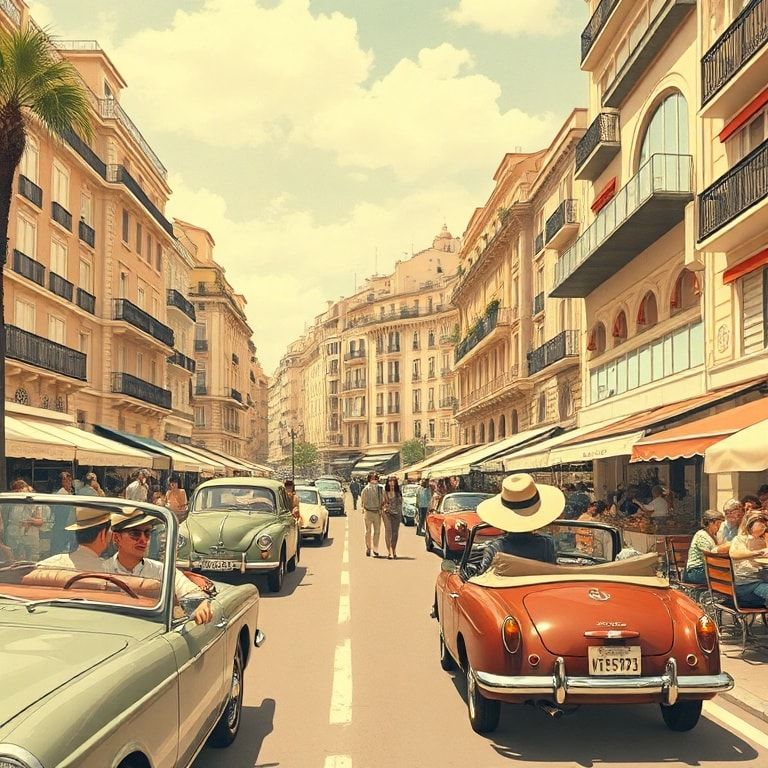
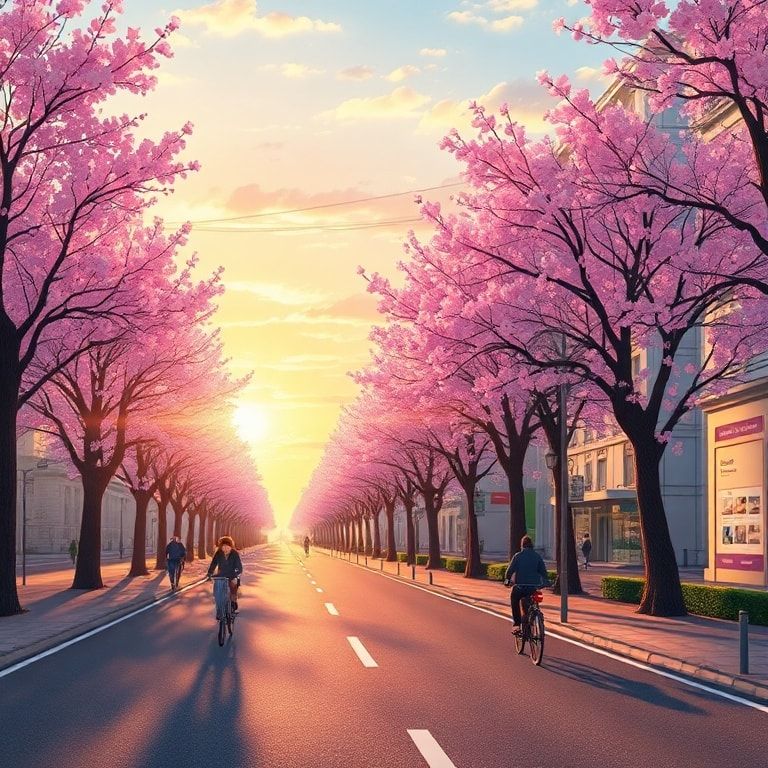
The municipal calendar now marks the last Sunday of every month as a pedestrian‑only celebration on Boulevard du Midi, except during the scorching summer months and the Cannes Film Festival. From 09:00 to 16:00, the thoroughfare transforms into a living runway for walkers, cyclists, roller‑bladers, and push‑chairs, turning a normally traffic‑laden artery into a leisurely promenade. This temporary closure isn’t just a traffic tweak; it’s a strategic move to showcase Cannes’ urban heritage without the roar of engines, allowing locals and visitors alike to savor the Art‑Deco storefronts and the rhythmic pulse of street musicians.
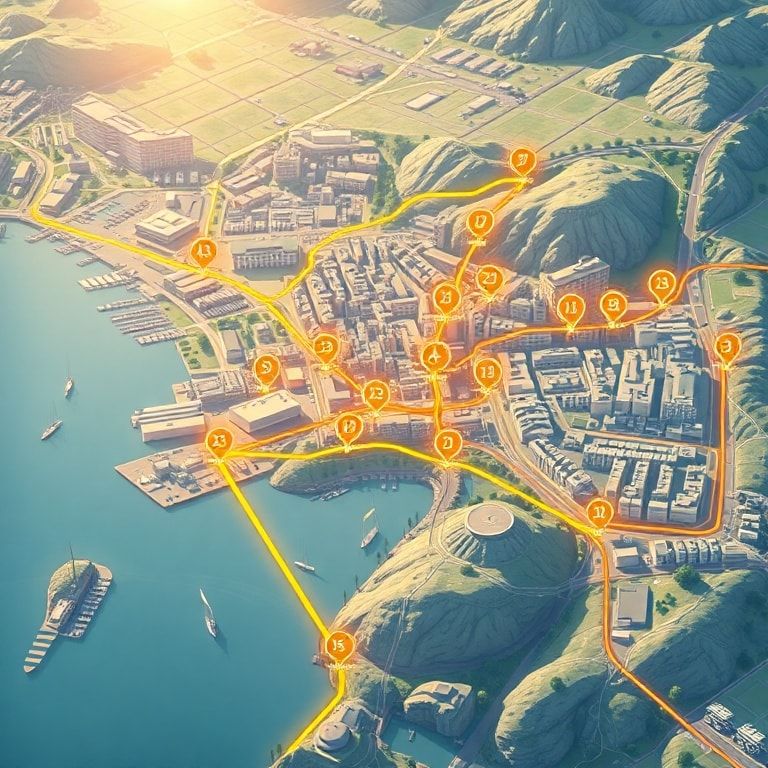
On the Lérins Islands, the walking routes are equally precise. Île Sainte‑Marguerite’s 7.36 km loop takes roughly two hours and ten minutes, a measured trek that forbids bicycles and scooters, preserving the island’s tranquil ambience. The path weaves through pine‑scented groves, past the infamous Fort Royal, and offers panoramic sea views that feel ripped from a shōjo adventure. Meanwhile, Île Saint‑Honorat’s 3.58 km circuit, completed in about an hour, provides a compact yet immersive experience, with the same vehicle restrictions ensuring a quiet, contemplative atmosphere.
Further inland, the Croix des Gardes park sprawls over 80 hectares, boasting 20 km of marked trails and six belvedere viewpoints. A 40‑minute ascent from the Old Port rewards hikers with sweeping vistas of the Bay of Cannes, the Lérins archipelago, and the distant Alpine silhouette. The park’s network is meticulously maintained, catering to both casual walkers and seasoned trekkers, and its elevation offers a micro‑climate that’s cooler and breezier than the coastal strip—perfect for springtime exploration.
Finally, the iconic Promenade de la Croisette stretches three kilometres along the seafront, flat and fully accessible, making it an ideal corridor for jogging, roller‑blading, or simply ambling with an ice‑cream cone in hand. Its continuous promenade is a living museum of Cannes’ cinematic legacy, dotted with luxury hotels, designer boutiques, and the famed Palais des Festivals. For those planning a spring itinerary, these routes collectively form a layered tapestry of experiences, each with its own rhythm and reward.
For the official details, consult the official project page.
Historical Context (Old Guard Perspective)
Back in the 1970s, Cannes was primarily synonymous with the burgeoning film festival, and the city’s tourism infrastructure catered to an elite crowd of producers, actors, and jet‑setters. Walking tours were a niche offering, often limited to guided groups that skimmed the surface of the Old Port’s heritage. The concept of pedestrian‑only Sundays on Boulevard du Midi was unheard of; the street was a conduit for delivery trucks and luxury limousines, reinforcing Cannes’ reputation as a high‑octane, motor‑centric playground.
The Lérins Islands, meanwhile, were largely accessed by private yachts or organized cruise excursions. The idea of a measured, vehicle‑free trek on Île Sainte‑Marguerite was a novelty, reserved for the occasional pilgrim seeking the legend of the Man in the Iron Mask. The islands’ natural trails were poorly marked, and the absence of official signage meant that only the most adventurous—or the most lost—ventured inland.
Croix des Gardes, with its sprawling 80‑hectare expanse, was once a military lookout rather than a public park. Its belvederes were accessible only to the armed forces, and the surrounding pine forests were off‑limits to civilians. The transformation into a public trekking hub began in the early 2000s, aligning with a broader European trend of repurposing historic military sites for leisure and eco‑tourism.
The Croisette’s evolution mirrors Cannes’ shift from a film‑centric enclave to a multifaceted destination. While the promenade has always been a symbol of glamour, its accessibility for joggers and roller‑bladers is a relatively recent development, driven by the city’s desire to attract health‑conscious tourists and to diversify its seasonal offerings beyond the red‑carpet frenzy.
From an old‑guard perspective, these changes represent a democratization of Cannes’ allure. The city has moved from an exclusive, motor‑heavy environment to a more inclusive, pedestrian‑friendly landscape, allowing a broader audience to experience its cultural and natural assets without the barrier of high‑priced transport or restricted access.
Technical Crunch (Information Gain)
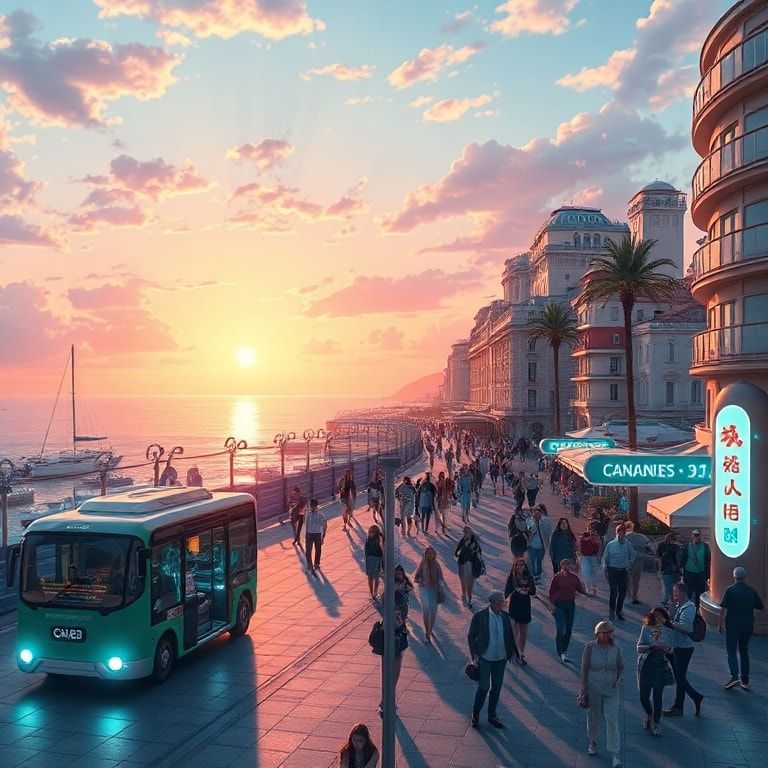
Understanding the logistics of Cannes’ spring walking network requires a breakdown of distance, time, and restriction variables. The Boulevard du Midi’s pedestrian window—09:00 to 16:00 on the last Sunday—creates a 7‑hour window that aligns perfectly with the average tourist’s day plan. Assuming a leisurely walking speed of 5 km/h, visitors can comfortably cover 35 km of the boulevard’s length, interspersed with cafés and photo‑ops, without feeling rushed.
Île Sainte‑Marguerite’s 7.36 km loop, completed in 2 hours 10 minutes, translates to an average pace of 3.3 km/h, reflecting the island’s uneven terrain, occasional stairs, and the need for frequent stops to absorb historical sites like the Fort Royal and the Musée de la Mer. The prohibition of bicycles and scooters is a deliberate design choice to preserve the island’s acoustic environment and to prevent erosion on the fragile pine paths.
Conversely, Île Saint‑Honorat’s 3.58 km circuit, at roughly 1 hour, yields a brisk 3.6 km/h pace, indicating a flatter topography and fewer obstacles. The uniform ban on motorised devices across both islands simplifies visitor expectations and reduces enforcement complexity for local authorities.
Croix des Gardes presents a more complex data set: 20 km of marked trails across 80 hectares, with six belvederes spaced roughly every 3‑4 km. The 40‑minute ascent from the Old Port to the summit involves an elevation gain of approximately 200 m, equating to a moderate grade of 5‑6 %. This gradient is manageable for most fit walkers but may deter those with mobility issues, highlighting the need for clear signage and optional shuttle services during peak spring days.
The Promenade de la Croisette’s flat, 3 km stretch offers zero elevation change, making it ideal for wheelchair users, families with strollers, and roller‑bladers seeking uninterrupted glide. Its continuous surface reduces friction loss, allowing an average speed of 6‑7 km/h for casual joggers. From a technical standpoint, the combination of varied distances, elevation profiles, and vehicle restrictions creates a diversified portfolio of experiences that can be algorithmically matched to visitor fitness levels, time constraints, and interest points.
These metrics are crucial for travel agencies and itinerary planners who aim to maximize client satisfaction while minimizing logistical friction. By leveraging the precise data, operators can craft tiered packages—”Leisure Loop”, “Historical Sprint“, or “Panoramic Ascent”—each calibrated to a specific audience segment.
Future Implications for the Cannes spring guide
The continued emphasis on pedestrian‑friendly initiatives positions Cannes as a prototype for sustainable coastal tourism in the Mediterranean. As climate concerns rise, the city’s strategy of limiting motor traffic on key arteries during shoulder seasons could become a benchmark for other destinations seeking to balance heritage preservation with modern visitor demand. The data‑driven approach to trail management—tracking footfall, wear patterns, and visitor satisfaction—will likely feed into smart‑city platforms, enabling real‑time adjustments to opening hours and maintenance schedules.
From a cultural standpoint, the Cannes spring guide’s focus on walking and trekking dovetails with the global rise of “slow travel” and experiential tourism. Future editions may incorporate augmented reality (AR) overlays that narrate historical anecdotes as visitors pass landmarks, or integrate local culinary pop‑ups along the Boulevard du Midi, turning the pedestrian window into a curated festival of taste and sound. Such innovations could attract a new demographic of younger, tech‑savvy travelers who value authenticity over opulence.
Moreover, the Lérins Islands’ strict vehicle bans could inspire similar protective measures in other heritage sites, reinforcing the notion that limited access preserves both the environment and the visitor experience. As the islands gain popularity, there may be pressure to introduce limited electric bike rentals; however, maintaining the current prohibition ensures the islands remain a sanctuary for contemplation and low‑impact recreation.
In the broader cinematic ecosystem, Cannes’ dual identity as a film capital and a spring trekking haven offers unique cross‑promotion opportunities. Film festivals could feature short documentaries spotlighting the city’s walking routes, while walking tours could incorporate screenings of classic Cannes‑premiered films at pop‑up outdoor venues along the Croisette. This symbiotic relationship could amplify the city’s brand, positioning it as a year‑round cultural hub rather than a seasonal festival town.
But don’t be fooled into thinking this serenity is a freebie. The city’s planners have meticulously engineered these windows, balancing tourist influx with preservation, and every footstep you take is part of a larger data set that will shape Cannes’ future. As a veteran traveler, I’ve seen destinations crumble under overtourism; Cannes, however, is learning to dance on the edge—offering you a slice of paradise while quietly tightening the reins. Take advantage of it, but respect the rhythm, or you’ll find yourself out of sync with the city’s own tempo.
Related Guides & Further Reading
Check out the Cannes spring guide archives.