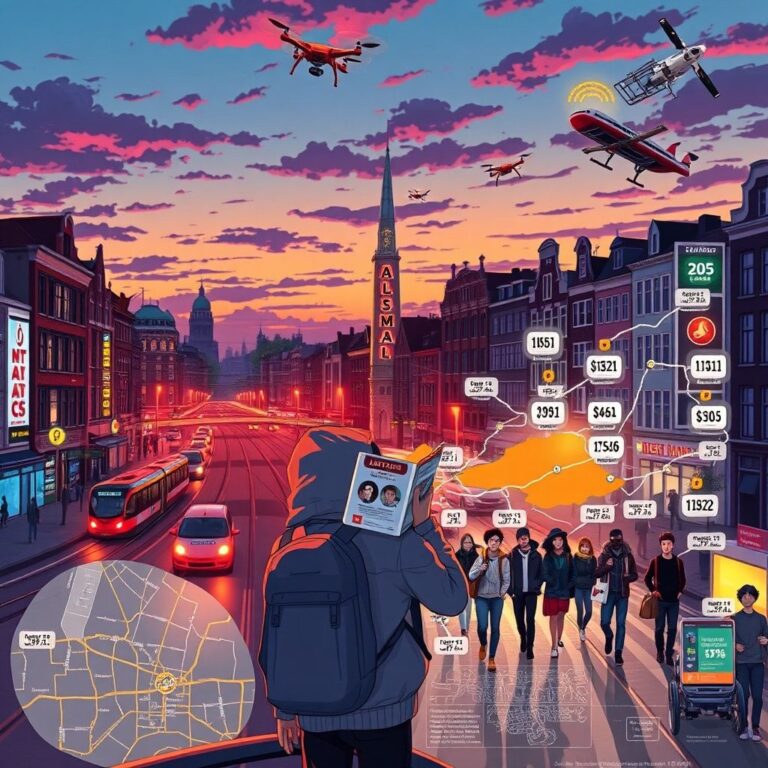
Turn a 50‑Minute Amsterdam Layover into a Free‑Flowing Adventure (Without Breaking the Bank)
You’ve just touched down in the Netherlands, and the clock is already ticking. Our Amsterdam layover hub provides a quick overview of what’s possible in a short stop. An Amsterdam layover of merely 50 minutes feels like a cruel joke, but it also hides a pocket‑sized playground for the savvy traveler. Our Amsterdam budget hub offers a quick rundown of cost‑free airport perks to keep your layover smooth. For a deeper dive into turning a short stop into a mini‑tour, see our piece on mastering a six‑hour layover at a tulip garden.
Verified News & Source Context for Your Amsterdam Layover
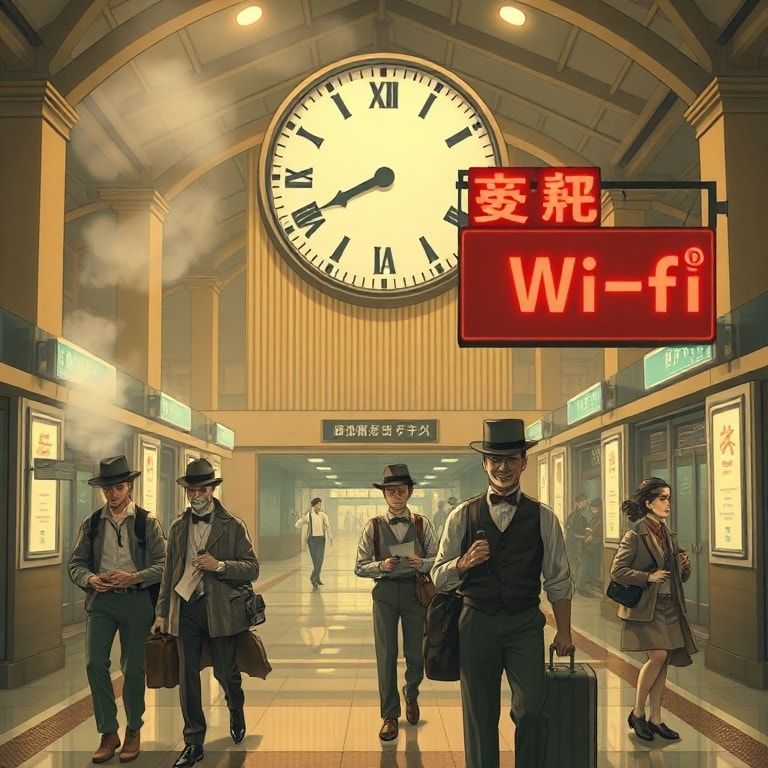
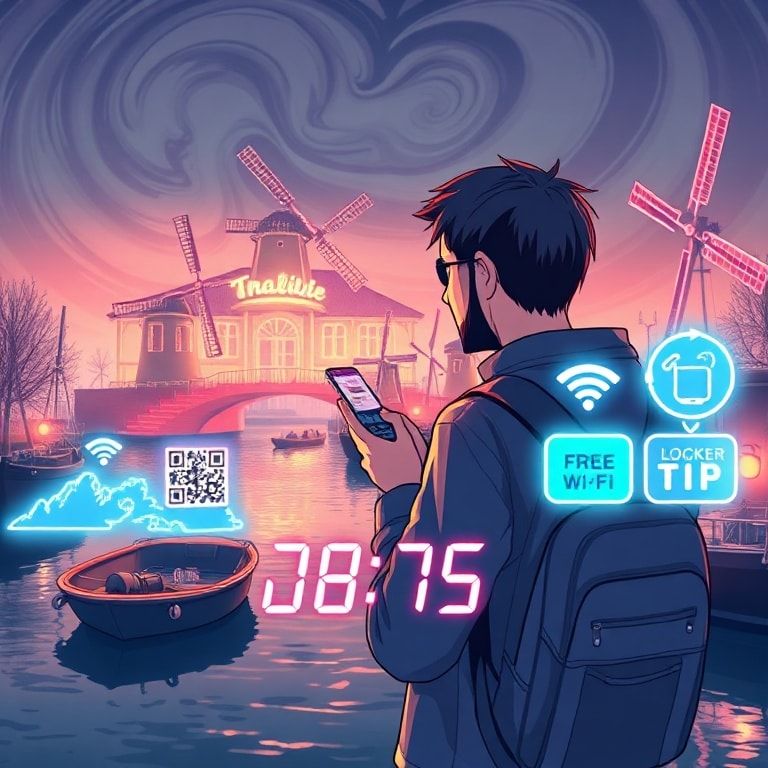
Schiphol’s free Wi‑Fi, branded as Airport_Free_Wifi, hands you a solid four‑hour window of uninterrupted internet – and when the timer expires you can simply reconnect for free again. This isn’t a marketing gimmick; it’s a deliberate design to keep passengers glued to the airport’s digital ecosystem, from real‑time flight updates to the ever‑growing list of pop‑up art installations. The official project page confirms the network’s 4‑hour cycle, a fact that budget‑conscious nomads can exploit to stream a quick anime episode or download a language app before the next gate.
Lockers are another hidden gem. For €6 per 24 hours you can stash a carry‑on, while larger, odd‑size luggage costs €9. Our budget guide on surviving Amsterdam on $50 a day highlights cost‑effective locker use as a key tip for travelers on a tight budget. The catch? Payment is card‑only, which nudges travelers toward cash‑less transactions – a subtle nudge towards the airport’s broader push for a seamless, contactless experience. The library on Holland Boulevard, open 24 hours, offers a quiet refuge where you can flip through Dutch literature or manga without spending a cent. Adjacent, the Rijksmuseum annex showcases rotating exhibitions around the clock, free for passengers – a cultural detour that rivals any city museum’s entry fee.
Lastly, the 78 self‑service eGates for EU e‑passports streamline the passport control process for anyone 14 and older. This automation not only cuts queue times but also signals Schiphol’s investment in biometric tech, a trend that will likely expand to other EU hubs. All these amenities coalesce into a micro‑ecosystem that, if navigated wisely, can transform a 50‑minute layover from a logistical nightmare into a curated mini‑adventure.
For travelers who prefer to dash into the city even with a tight window, see our quick‑run guide on turning a 50‑minute layover into a sprint through Amsterdam for tips on rapid city hopping.
Old Guard Perspective: How Layover Services Evolved
Back in the early 2000s, layovers were synonymous with cramped chairs, overpriced cafés, and the occasional duty‑free sniff. Schiphol, then a modest hub, offered basic amenities: a handful of vending machines and a single Wi‑Fi hotspot that required a paid login. The concept of a 24‑hour library or a free museum annex would have been laughable. Yet, as low‑cost carriers proliferated, the airport faced a surge of short‑stop passengers whose expectations shifted dramatically.
Airlines began to market “stop‑over” packages, prompting airports to compete on experience rather than just logistics. Schiphol responded by investing in digital infrastructure – the free Wi‑Fi rollout being a flagship move – and by curating cultural touchpoints that reflect Dutch heritage. The eGate rollout mirrors a broader European trend toward biometric processing, a technology that was once the domain of high‑security zones like airports in Frankfurt and London.
From a production standpoint, these upgrades required coordination between airport authorities, telecom providers, and cultural institutions. The library’s 24‑hour operation, for instance, necessitated a partnership with the Dutch Public Library system, while the Rijksmuseum annex leveraged existing exhibition loans to keep costs low. This collaborative model set a template that other hubs have since emulated, turning layover spaces into quasi‑cultural districts.
Technical Crunch: Extracting Maximum Value from Schiphol’s Freebies

To squeeze the most out of a 50‑minute window, treat the airport like a level in a video game: identify resources, map routes, and optimize cooldowns. First, lock onto the free Wi‑Fi hotspot as soon as you step off the plane. The four‑hour allotment means you can binge‑watch a short series episode or download a language pack without fearing data caps. If you anticipate a longer layover later, log out and reconnect – the system resets, granting you another fresh block.
Next, assess luggage needs. If your carry‑on is bulky, a €6 locker not only frees you from the overhead bin but also grants access to the library’s quiet zones, which are tucked away from the main traffic flow. The library’s 24‑hour status means you can settle in for a quick read or even sketch a manga panel inspired by the terminal’s architecture. Meanwhile, the Rijksmuseum annex offers a visual feast; its rotating exhibitions change weekly, so a quick scan of the information board can reveal a hidden masterpiece you’d otherwise miss.
Finally, leverage the eGates. For EU passport holders, the biometric gates shave off an average of 2‑3 minutes per passenger compared to manual checks. In a 50‑minute layover, those minutes are gold. Combine this with the airport’s clear signage in both Dutch and English, and you can plot a route that minimizes backtracking – from gate to locker to library and back to your departure gate, all while keeping an eye on the giant digital clock that dominates the main concourse.
Future Implications: Turning Short Stops into Long‑Term Travel Strategies
Looking ahead, Schiphol’s model hints at a broader shift: airports evolving from transit points into micro‑cities. The integration of free cultural venues and seamless digital services suggests that future layovers could be marketed as “mini‑vacations” rather than mere interruptions. For budget travelers, this opens the door to a new travel economy where short‑stop experiences are monetized through partnerships with local businesses, app‑based micro‑tours, and even pop‑up anime conventions.
Moreover, the success of the eGate system may accelerate the rollout of facial‑recognition boarding passes, further compressing processing times. Imagine a scenario where a 30‑minute layover becomes feasible for long‑haul connections, reshaping airline scheduling and hub strategies worldwide. For the seasoned otaku nomad, this means staying ahead of the curve: tracking airport app updates, subscribing to library newsletters, and mastering the art of the swift locker‑swap.
Listen up, fresh‑blood wanderers: the airport isn’t just a concrete slab with moving walkways – it’s a living, breathing arena where every sign, every Wi‑Fi hotspot, and every free museum is a power‑up waiting to be claimed. If you treat that 50‑minute window like a lazy stroll, you’ll end up sprinting for your gate, heart pounding, breath ragged, and you’ll miss the chance to sip a free Dutch coffee while a holographic tulip blooms over your head. The seasoned nomad knows that the real treasure lies in the gaps – the locker that frees your hands, the library that frees your mind, the Wi‑Fi that frees your data plan.
And don’t forget the eGates – those sleek, chip‑reading portals are the secret shortcuts that separate the pros from the pretenders. While the masses fumble with passport queues, you’ll glide through like a character in a shōnen showdown, eyes on the clock, a grin on your face, ready to conquer the next adventure. Master these tricks, and every layover becomes a chapter in your own epic travel saga, not a footnote in a missed connection.
Related Guides & Further Reading
Check out the Amsterdam layover archives.