How to Master a Tirana Budget: 5‑Day Itinerary That Won’t Break the Bank
Ever wondered how to stretch a few euros across five days in Albania’s buzzing capital? The Tirana budget approach lets you soak up culture, cuisine, and nightlife without selling a kidney. Miss the boat and you’ll pay premium prices for the same experiences.
Tirana Budget: Real‑World Costs and Official Transport Data
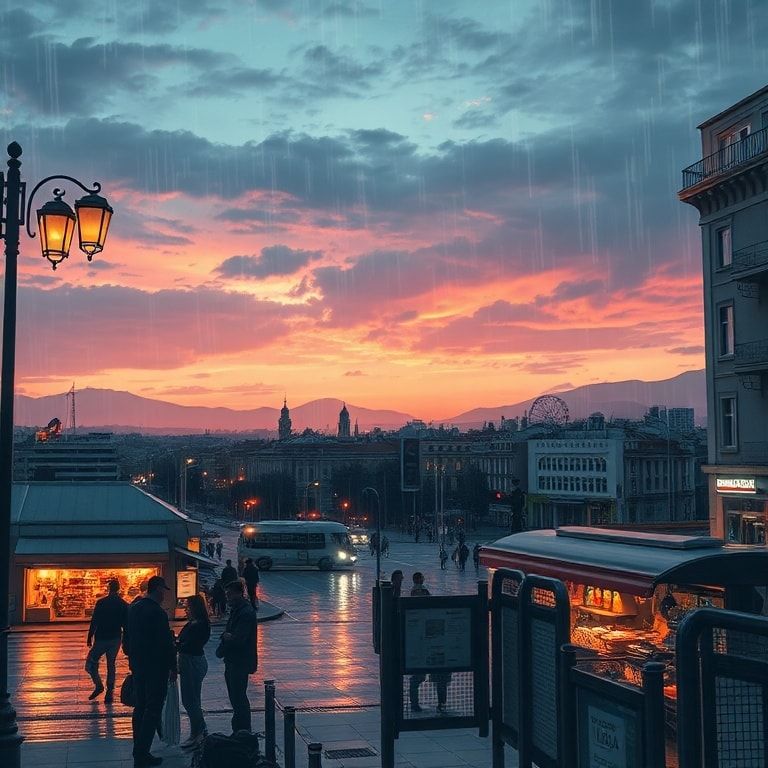
The backbone of any Tirana budget itinerary is the city’s public‑transport network. An urban bus ticket costs a modest 40 Albanian lek (≈ 0.35 USD) per ride, meaning a day of hopping between museums, cafés, and markets can be covered for under a dollar. Buses run from 06:00 AM to 11:00 PM, with typical waiting times of 3–10 minutes, so you’ll rarely waste precious daylight waiting at a stop. The network comprises more than 20 lines converging around hubs like Kulla Sahatit, the Piazza, and the National Museum, making navigation intuitive for first‑timers.
Inter‑urban travel to the stunning Adriatic town of Saranda is also budget‑friendly: tickets range from 1,000 lek to 1,200 lek (≈ 9–11 USD). This opens the door to a day‑trip or an overnight escape without blowing your budget. Unlike many European cities, Tirana lacks a single central bus terminal; instead, stops pepper the city centre near landmarks such as the Cultural Palace, the National Bank, Rruga e Kavajes, and Rruga e Elbasanit. This decentralised layout means you can hop off a bus and be within walking distance of a historic site or a lively bar.
All these figures come straight from the official project page, which details the city’s transport strategy and fare structures. Understanding these numbers lets you allocate funds precisely: a typical day’s transport budget of 200 lek (≈ 1.80 USD) leaves ample room for meals, entry fees, and a few souvenirs.
Old Guard Perspective: How Budget Travel Evolved in Albania
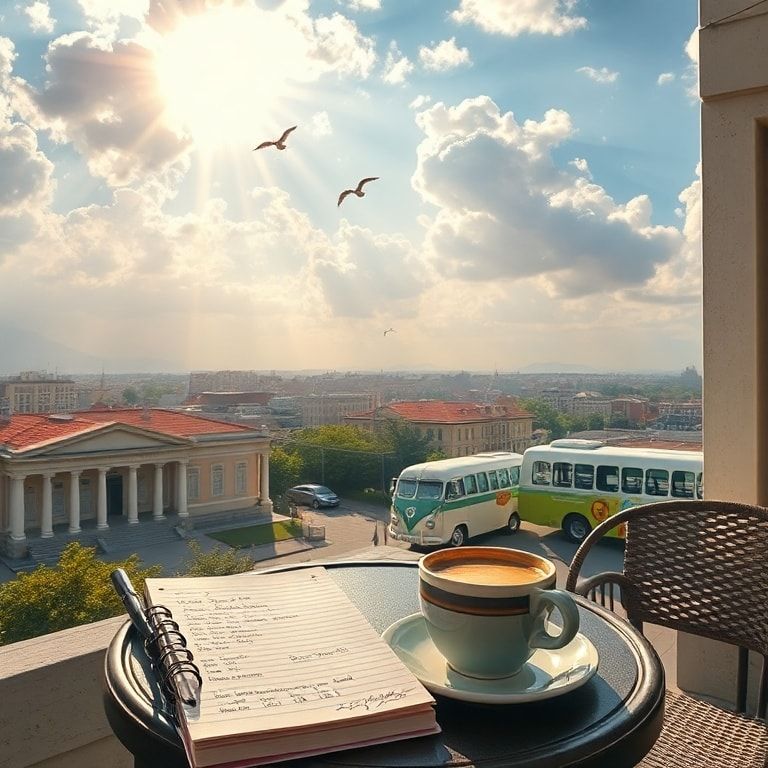
Back in the early 2000s, Albania was still shaking off the shadows of its communist past. Budget travelers then relied on hitch‑hiking, informal minibusses, and the occasional hostel that doubled as a travel agency. Prices were low, but information was scarce; guidebooks were outdated, and the internet was a luxury. Fast‑forward two decades, and the rise of digital platforms, combined with government investment in public transport, has democratized travel.
The old guard of travel writers—think Lonely Planet’s 2005 edition on the Balkans—painted Albania as a rugged, off‑the‑beaten‑path destination. Their narratives focused on adventure, often glossing over the practicalities of daily commuting. Today, modern influencers and budget‑travel blogs dissect every lek, offering spreadsheets and day‑by‑day breakdowns. This shift mirrors a broader industry trend: from romanticized, anecdotal storytelling to data‑driven itinerary planning.
Studio‑style production values have also seeped into travel content. High‑definition drone footage of Tirana’s skyline now accompanies meticulous cost tables, echoing the polished aesthetics of anime opening sequences. The evolution reflects a market that demands both visual allure and granular financial transparency—exactly what the Tirana budget itinerary delivers.
Technical Crunch: Decoding the Numbers Behind a Tirana Budget
Let’s break down the arithmetic. Assuming a 5‑day stay, allocate 200 lek per day for transport (≈ 1.80 USD), totaling 1,000 lek (≈ 9 USD). Meals can be managed at 500 lek per day if you mix street‑food stalls (≈ 4.30 USD) with occasional sit‑downs (≈ 2 USD). That’s another 2,500 lek (≈ 22 USD). Entry fees for museums and historic sites average 300 lek per visit; budgeting for three such visits adds 900 lek (≈ 8 USD).
Accommodation in a mid‑range hostel averages 1,200 lek per night (≈ 11 USD). For five nights, you’re looking at 6,000 lek (≈ 55 USD). Add a single inter‑urban trip to Saranda at 1,100 lek (≈ 10 USD). Summing these core expenses yields roughly 11,500 lek (≈ 105 USD). That leaves a modest buffer for souvenirs, occasional taxis, or a night out.
Why does this matter? Precise budgeting empowers travelers to avoid “hidden costs” that often inflate expenses—like unexpected night‑bus surcharges or inflated restaurant prices in tourist hotspots. Moreover, understanding the cost structure lets you tweak variables: swap a hostel night for a Couchsurfing stay, or replace a museum visit with a free park stroll, shaving off 200‑300 lek without sacrificing experience.
Future Implications: Scaling the Tirana Budget Model Across the Balkans
The success of a transparent, data‑rich Tirana budget itinerary sets a template for other Balkan capitals—Belgrade, Sarajevo, Skopje—where public‑transport fares are similarly low but under‑documented. By publishing granular cost breakdowns, travel influencers can catalyze a ripple effect: local governments may be prompted to maintain affordable fares, while tourism boards can market “budget‑friendly” packages to a growing cohort of frugal globetrotters.
There’s also commercial potential. Travel‑tech startups could integrate these spreadsheets into AI‑driven itinerary generators, offering real‑time price updates and dynamic budgeting tools. In the long run, a standardized “budget‑budget” framework could become a credentialed certification for travel agencies, ensuring that advertised low‑cost trips truly deliver on their promises.
Don’t be fooled by flash‑in‑the‑pan travel hacks that promise luxury for pennies; they usually hide fees in the fine print. Real budget travel is about mastering the rhythm of the city: the 3‑minute wait at a stop, the 40‑lek ticket, the sunrise over the National Museum. When you internalize those beats, you’ll navigate Tirana like a local, and that’s the ultimate win.
Check out the Tirana budget archives.