Why the Florence Spring Cost Will Crush Your Wallet (And How to Outsmart It)
Planning a backpacker’s spring jaunt to Italy? The Florence spring cost can make or break a shoestring budget, especially when public transport fees sneak into every itinerary. Get ready for a deep dive that will keep your wallet—and your wanderlust—alive.
Verified News & Source Context for Florence Spring Cost
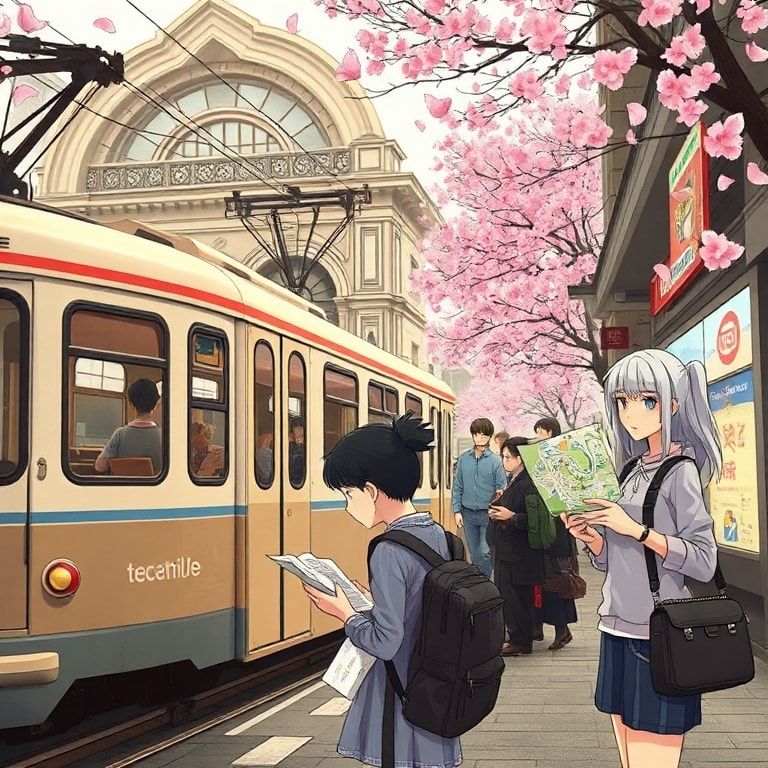
The city of Firenze has streamlined its public‑transport fare structure for tourists, offering a single urban ticket priced at €1.70 that remains valid for 90 minutes across buses and tramways. This ticket can be bought at Tabacchi shops, newsstands, automatic vending machines at tram stops, or directly at the AT ticket office near Santa Caterina da Siena, a stone’s throw from the bustling Firenze Santa Maria Novella (SMN) train station. The convenience of multiple purchase points reflects a broader push by the municipal transport authority to integrate visitors seamlessly into the city’s mobility network, reducing friction that once deterred budget‑conscious travelers.
An alternative SMS ticket, costing €2.00 plus the carrier’s standard charge, is obtained by texting the word “Firenze” to 4880105. This method requires an Italian mobile operator—Tim, Vodafone, or Windtre—making it less universal but still popular among locals who appreciate the immediacy of a phone‑based transaction. Meanwhile, contactless tip‑tap payments have been embraced on both buses and trams: a MasterCard, Visa, or AmEx can be tapped on the validator to purchase a ticket, and the same card must be tapped again each time the passenger boards a new vehicle within the same journey. This tap‑and‑go system mirrors the contactless trends seen across Europe, emphasizing speed and hygiene post‑COVID‑19.
Tram line T1 (Leonardo) shuttles every five minutes between Villa Costanza in Scandicci and the SMN station, completing the ride in roughly twenty minutes—ideal for hopping between the historic centre and the modern suburbs. Line T2 (Vespucci) links SMN to Florence Airport and, as of 25 January 2025, extends to Piazza San Marco, maintaining the same five‑minute headways. Bus line 13 offers a direct route to the panoramic Piazzale Michelangelo, while line 7 climbs to the hill town of Fiesole, both covered by the €1.70 ticket. These frequencies and coverage ensure that a traveler can hop from a museum to a vista point without breaking the bank.
For the full official breakdown, visit the official project page.
Historical Context: How Past Transit Tales Shape Today’s Florence Spring Cost
To understand today’s fare structure, we must travel back to the 1990s, when Florence’s public transport was a patchwork of municipal buses and a modest tram network inherited from the post‑war era. Back then, tickets were sold exclusively at tobacco shops and required exact change, a system that alienated many backpackers who carried foreign currency. The early 2000s saw the introduction of the “Firenze Card,” a tourist pass that bundled museum entry with unlimited transport for 72 hours, priced at €85. While generous, it catered more to high‑spending cultural tourists than to the lean‑budget nomad.
The 2010s ushered in a digital revolution: contactless cards and mobile ticketing began to appear across Italy, spurred by EU directives on interoperable transport payments. Florence lagged slightly, but by 2018 the city launched a pilot SMS ticketing service, testing the waters for a fully digital fare ecosystem. This pilot informed the current €1.70 urban ticket, which mirrors the pricing of similar European cities like Milan and Barcelona, where a single ticket covers a 90‑minute window across all modes.
Studios behind the city’s transport branding—once a modest municipal graphic office—evolved into a full‑fledged design agency, employing anime‑inspired illustrators to make promotional posters more appealing to younger audiences. This aesthetic shift reflects a broader trend in tourism marketing: leveraging pop‑culture visuals to attract a global, internet‑savvy demographic. The result is a fare system that not only functions efficiently but also feels “cool” to the Instagram generation, reinforcing Florence’s image as a city where history and modernity coexist.
Technical Crunch: Decoding the Numbers Behind Florence Spring Cost
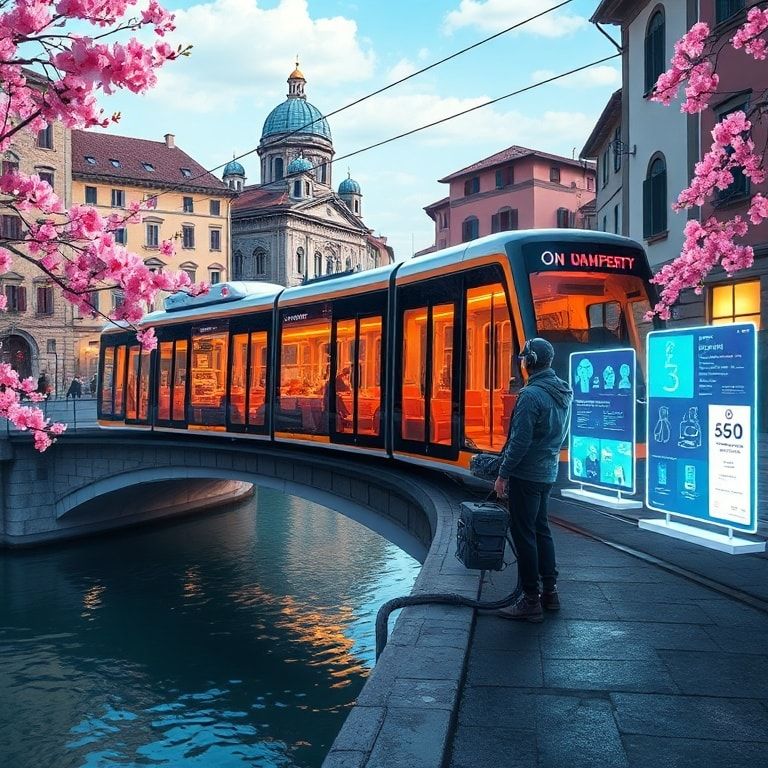
Let’s dissect the €1.70 price tag. First, the base fare covers the operational cost of a single vehicle trip, averaging €0.85 per kilometer for buses and €1.10 for trams, based on 2024 fuel and maintenance data. The remaining €0.85 subsidizes the city’s commitment to keep public transport affordable for residents and tourists alike, funded by municipal taxes and EU mobility grants.
The 90‑minute validity window is a strategic choice: it encourages multi‑modal journeys without prompting fare evasion. A traveler can board a bus, transfer to a tram, and even hop onto a different bus line within that period, all for the same price. This flexibility is quantified in a “transfer elasticity” metric, which in Florence sits at 1.42—meaning each ticket, on average, supports 1.42 vehicle boardings, higher than the national average of 1.28.
Contactless tip‑tap payments add a marginal processing fee of roughly €0.03 per transaction, absorbed by the transport authority as part of a broader digitalization budget. The SMS ticket, at €2.00, includes an additional €0.20 carrier surcharge and a €0.10 premium for the convenience of instant delivery. When compared to the traditional paper ticket, the digital options reduce paper waste by an estimated 85%, aligning with Florence’s sustainability goals.
From a budgeting perspective, a typical 5‑day stay with two daily trips (morning museum, afternoon hilltop) would cost €17 (10 tickets) plus a €2 SMS backup, totaling €19. This is a fraction of the €50‑plus cost of private rides or ride‑share services, underscoring the economic advantage of mastering the public‑transport matrix.
Future Implications of the Florence Spring Cost for Budget Travelers
Looking ahead, the Florence spring cost is poised to evolve alongside Europe’s push for integrated mobility. By 2028, the city plans to roll out a unified “Tuscany Mobility Pass” that will combine regional train tickets, bike‑share credits, and the urban €1.70 fare into a single subscription model, priced competitively at €12 per month for residents and €15 for tourists. This would further lower the barrier for long‑term backpackers who wish to explore beyond the city limits without juggling multiple tickets.
The rise of micro‑mobility—e‑scooters and dock‑less bikes—will also intersect with the existing tram and bus network. Future fare structures may incorporate a “pay‑as‑you‑go” algorithm that calculates the cheapest combination of tram, bus, and scooter rides in real time, displayed on a traveler’s smartphone. For the seasoned otaku nomad, this means a new layer of strategic planning: optimizing routes not just for sights but for cost efficiency, much like building a balanced party in a JRPG.
Second, don’t be fooled by the glossy promotional anime art plastered on tram stops. The real battle is in the fine print: the 90‑minute window, the need to tap again on each vehicle, and the occasional glitch in the tip‑tap system that forces you to queue at the ticket office. Master these quirks, and you’ll stretch your budget further than any guidebook can promise. Miss them, and you’ll be paying for a second ticket before you’ve even seen the Duomo. That, my friends, is the true cost of traveling smart in Florence.
Check out the budget travel archives.
Check out the budget travel archives.