Milan Budget Guide: How to Roam the Fashion Capital Without Selling a Kidney
Dreaming of sipping espresso under the shadow of the Duomo while your wallet stays as light as a feather? The Milan budget guide is your passport to the city’s glitter without the glitter‑budget. Before you dive in, explore our comprehensive Milan budget hub for a quick overview. Strap on your rucksack, because we’re about to dissect every cheap‑travel hack Milan throws at the solo wanderer.
Milan Budget Guide: Decoding the YesMilano Passes
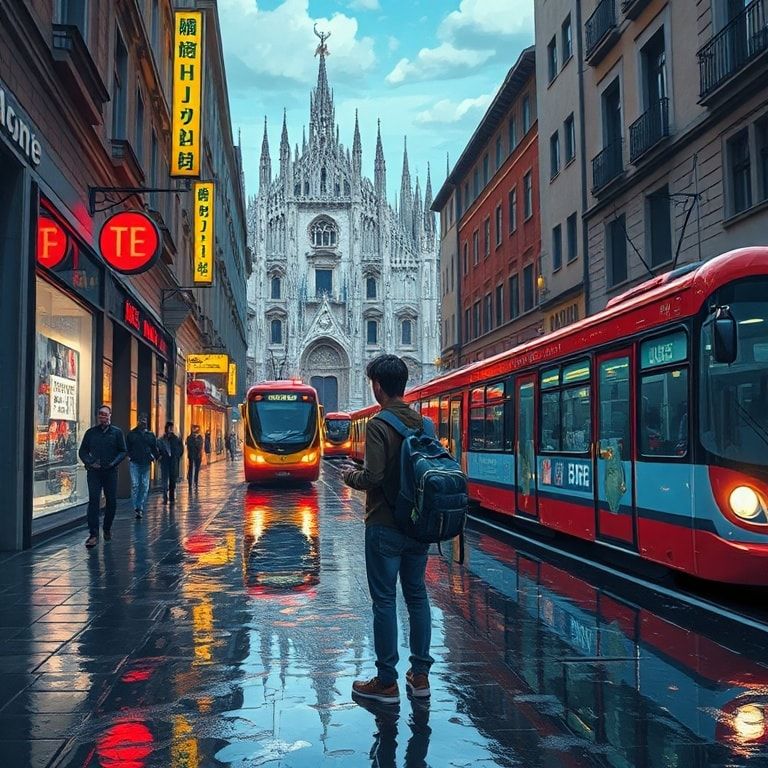
The YesMilano Flash City Pass, priced at €39.90 for a 24‑hour blitz, is the starter pack for the impatient explorer. It bundles a 24‑hour public‑transport ticket covering metros M1‑M5, trams, and buses, plus a single Duomo activity of your choice and an extra museum or attraction. Think of it as a fast‑food combo: you get the main dish (transport) and a side (one cultural bite) without the bill shock.
Step up to the Standard City Pass at €60 for three consecutive days, and the game changes. You now wield a 3‑day unlimited ride ticket, access to the Duomo’s cathedral and rooftop (stairs only), and entry to a curated list of museums: Sforza Castle, Civic Aquarium, Modern Art Gallery, Archaeological Museum, Museo del Novecento, and Natural History Museum. The pass also hands you a 20 % discount on Monza attractions and up to 30 % off partner services – perfect for those spontaneous day‑trips to the racing capital.
The All‑Inclusive Pass, at €90, is the deluxe buffet. It adds the Duomo rooftop lift, entry to the National Museum of Science and Technology, Teatro alla Scala’s museum, Bagatti Valsecchi, Leonardo3, Galleria Campari, Triennale Design, Ambrosiana Art Gallery, Poldi Pezzoli, Villa Necchi Campiglio, plus a 2‑hour bike rental. If you’re a culture‑junkie who can’t decide between Renaissance art and modern design, this pass lets you sample everything without queuing for tickets. For a side‑by‑side comparison of each pass and how they stack up, our Milan Budget Mastery guide breaks down the numbers.
Children under five travel free and inherit the same museum and transport perks – a boon for families on a shoestring. All passes guarantee unlimited rides within municipal fare zones, meaning you can hop from the bustling Navigli canals to the serene Brera district without worrying about ticket validation. For the full breakdown and to purchase, visit the official project page.
From Duomo to Design: Historical Context of Budget Travel in Milan
Back in the early 2000s, Milan’s tourism model resembled a high‑fashion runway: exclusive, pricey, and aimed at affluent jet‑setters. The city’s cultural institutions charged premium entry fees, and public transport was sold in single‑ride tickets that quickly ate into a backpacker’s budget. The rise of budget airlines and the backpacker boom forced Milan to rethink its strategy.
The first wave of discount cards appeared in the late 2000s, offering limited museum access for a flat fee. However, they were fragmented – one card for the Duomo, another for the museums, and a separate tram pass. Travelers often ended up juggling multiple cards, leading to confusion and missed savings. The industry’s response was a clunky, unintegrated system that failed to capture the growing demand for streamlined, affordable travel.
Enter YesMilano in 2018, riding the wave of “city pass” trends popularized by European capitals like Paris and Berlin. The company consolidated transport, attractions, and discounts into a single, user‑friendly product. This mirrors the broader shift in tourism toward experience‑based packages that prioritize convenience over granular control. The pass model also aligns with Milan’s ambition to democratize its cultural heritage, inviting a younger, more diverse audience to its galleries and historic sites.
From a studio perspective, the evolution mirrors anime production houses moving from niche OVAs to multi‑platform franchises. Just as studios bundle series, movies, and merch to maximize reach, Milan bundles transport, museums, and discounts to maximize tourist footfall. The YesMilano passes are the city’s “media mix,” designed to keep visitors engaged across multiple touchpoints.
Technical Crunch: What the Passes Really Offer Backpackers
Let’s dissect the mechanics. The core of every YesMilano pass is the unlimited public‑transport ticket. Milan’s metro network (M1‑M5) connects the historic center to outlying districts like Porta Nuova and Cadorna, while trams thread through neighborhoods that buses miss. For a solo backpacker, this means you can chase sunrise at the Navigli canals, hop to the modern Porta Garibaldi district for street art, and still have energy (and cash) left for a night of aperitivo.
Next, the attraction matrix. The Flash Pass’s single Duomo activity forces you to prioritize – either the cathedral’s interior, the rooftop, or the archaeological museum beneath the square. The Standard Pass adds a curated museum list, each chosen for its broad appeal and manageable entry fee. By bundling, the pass reduces the average cost per museum from €10‑€15 to effectively €0, after the pass price is amortized over a 3‑day stay.
The All‑Inclusive Pass expands the matrix dramatically. It includes niche venues like the Leonardo3 Museum (a futuristic take on Leonardo da Vinci’s inventions) and the Triennale Design Museum, which showcases cutting‑edge Italian design. For a design‑obsessed traveler, the incremental €30 over the Standard Pass yields a return on investment through access to venues that would otherwise cost €12‑€20 each.
Discounts on Monza attractions (20 %) and partner services (up to 30 %) are not mere afterthoughts. Monza’s racing circuit and royal villa are popular day‑trip destinations; the discount can shave €5‑€10 off entry fees. Partner discounts cover bike rentals, guided tours, and even dining, turning the pass into a multi‑utility card that can replace a separate bike‑share subscription or tour voucher.
Finally, the child‑free policy for under‑fives is a subtle but powerful incentive for families. By allowing free access, the pass eliminates the need for separate child tickets, simplifying budgeting and encouraging family travel to cultural sites that might otherwise be deemed too pricey.
Future Implications: How Cheap Milan Might Evolve
The success of the YesMilano passes signals a broader democratization of high‑culture tourism. As more budget travelers flock to Milan, the city may expand its free‑entry days, introduce pop‑up museums in underutilized spaces, and integrate digital ticketing with AR overlays that guide visitors through hidden gems. This could spawn a new generation of “micro‑tourism” apps that sync with the pass, offering real‑time recommendations based on crowd density and personal interests.
Moreover, the data collected from pass usage will likely inform urban planning. If analytics reveal that backpackers heavily use tram line 1 to reach the Navigli district, the city might prioritize upgrades or increase frequency during peak tourist seasons. Such feedback loops could make Milan’s transport network more resilient and adaptable, benefiting both locals and visitors. Looking to extend your savings beyond Milan? Our two‑week shoestring itinerary across Florence and Rome shows how to keep costs low while seeing more of Italy.
Listen up, green‑horns: the pass isn’t a magic wand that turns every €5 into a free museum ticket. You still need to budget for food, occasional splurges on a genuine Milanese risotto, and that inevitable souvenir that looks like a miniature Duomo but costs more than your hostel deposit. The key is to treat the pass as a backbone, not the whole skeleton. Pair it with off‑peak travel, walk whenever you can, and use free city tours to fill the gaps.
And don’t be fooled by the “all‑inclusive” hype. If you’re not a design nerd or a science‑museum aficionado, you’ll waste money on venues you’ll never set foot in. Instead, cherry‑pick the Standard Pass, grab a bike for a couple of hours, and spend the saved cash on a genuine aperitivo in the Brera district – that’s where the real Milan vibe lives, not behind a glass case. Remember, the best stories come from wandering the backstreets, not from ticking off a checklist of tourist traps.
Related Guides & Further Reading
Check out the Milan budget guide archives.