Why Your Wallet Will Freeze: The Brutal Longyearbyen Cost Breakdown Revealed
Verified News & Source Context: The Numbers Behind Longyearbyen
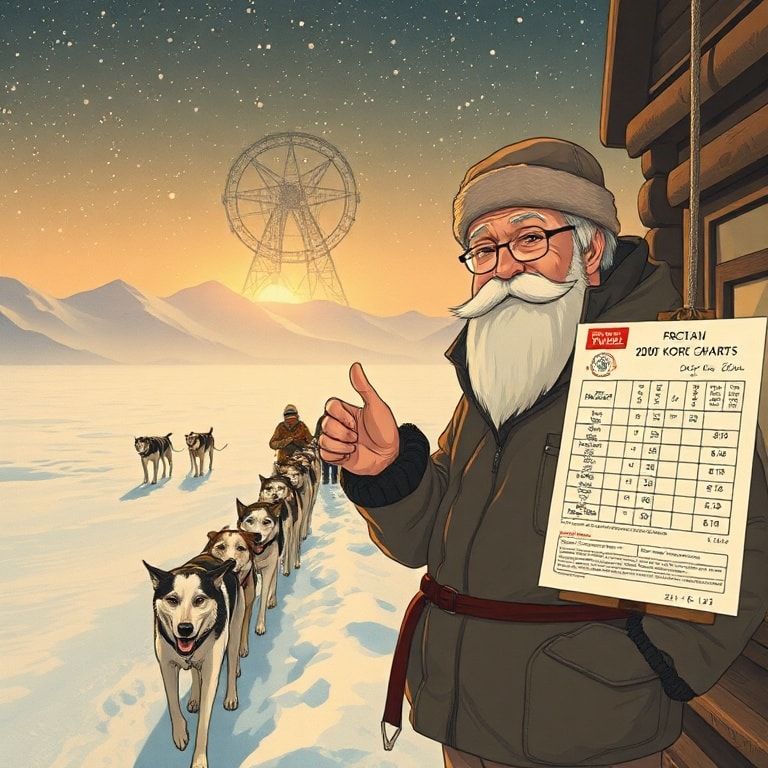
Direct flights from Oslo to Longyearbyen clock in at roughly three hours, while the Tromsø‑Longyearbyen hop is a brisk 1½‑hour jaunt. Both Norwegian Air Shuttle and SAS keep these routes alive year‑round, meaning you can slot a polar adventure into a standard European vacation without pulling an all‑night‑train. No visa is required—Svalbard sits outside the Schengen zone—so the only paperwork you’ll face at the checkpoint is a passport or national ID, a relief for spontaneous travelers. Once you touch down, the city’s flagship guided afternoon tour, run out of the Radisson Blu Polar Hotel, costs NOK 1 250 per adult and NOK 1 000 per child (0‑10 yrs). That half‑day, five‑hour experience bundles pick‑up, transport, and a city‑wide commentary, giving you a structured glimpse of the archipelago’s history, geology, and quirky local culture. For the adrenaline‑seeker, Arctic Husky Travellers offers a polar‑night dog‑sledding excursion at NOK 1 790 per adult and NOK 1 290 per child (under 12). The four‑hour package includes hotel pick‑up, gear, clothing, and a seasoned guide who’ll keep you from turning into a human icicle. Accommodation at the Radisson Blu Polar Hotel—Svalbard’s most prominent lodging option—features 95 rooms (67 standard, 26 junior suites, 2 suites) with breakfast included, a private bathroom, TV, bathrobe, slippers, kettle, and minibar. Knowing exactly what’s on the price tag for flights, entry, tours, and lodging lets you construct a realistic budget before you even book a seat. For the full official breakdown, visit the official project page.
Old Guard Perspective: How Longyearbyen Cost Breakdown Has Evolved Over Time

Back in the early 2000s, a trip to Svalbard was a niche pursuit for intrepid explorers, and the cost breakdown looked dramatically different. Flights were limited to chartered services, often requiring a stop in Oslo and a layover that could stretch to 12 hours, inflating airfare to upwards of NOK 4 000 round‑trip. Visa‑free entry was still a perk, but the lack of a robust tourism infrastructure meant that guided tours were either self‑guided hikes or pricey private expeditions costing upwards of NOK 2 500 per adult. Dog‑sledding, when available, was a seasonal summer activity rather than a polar‑night spectacle, and the price tags reflected the rarity of equipment and the scarcity of trained mushers. Accommodation was primarily in modest guesthouses or research station dormitories, with nightly rates hovering around NOK 1 200 for a basic room, breakfast often excluded. The market was dominated by a handful of state‑run operators, and the limited competition kept prices high. Over the past two decades, deregulation of air routes, the entry of low‑cost carriers, and the rise of boutique hotels like the Radisson Blu have driven down per‑night costs while expanding the activity menu. The modern cost breakdown—flights under NOK 2 000, tours in the NOK 1 000‑1 800 range, and hotel rooms starting at NOK 1 500 with breakfast—reflects a maturing tourism ecosystem that now caters to both backpackers and luxury seekers. This evolution mirrors broader trends in Arctic travel, where increased accessibility has sparked a surge in visitor numbers, prompting operators to diversify offerings and price points to capture a wider audience.
Technical Crunch: Dissecting the Longyearbyen Cost Breakdown for Real‑World Planning
Let’s translate the raw numbers into a concrete budget for a typical family of two adults and two children (ages 8 and 10). Round‑trip flights from Oslo average NOK 1 800 per adult and NOK 1 200 per child when booked three months ahead, totalling NOK 6 000. Accommodation for four nights in a standard Radisson Blu room (breakfast included) runs roughly NOK 1 600 per night, amounting to NOK 6 400. The guided afternoon sightseeing tour costs NOK 1 250 per adult and NOK 1 000 per child, so the family pays NOK 4 500 for a single day’s immersion. Add a polar‑night dog‑sledding adventure at NOK 1 790 per adult and NOK 1 290 per child, bringing the experience cost to NOK 6 160. Meals beyond breakfast average NOK 250 per person per day; for four days that’s NOK 4 000. Summing these line items yields a total of approximately NOK 26 060 (≈ USD 2 500). This figure excludes optional extras like souvenir shopping, additional excursions, or travel insurance, which can easily add another 10‑15 % to the bill. The breakdown underscores why flights and guided tours dominate the expense matrix: they’re fixed, high‑margin services that dictate the bulk of the outlay. Understanding each component’s weight enables travelers to prioritize—perhaps swapping a pricey guided tour for a self‑guided hike to shave off a few thousand kroner without sacrificing the Arctic experience.
Future Implications of the Longyearbyen Cost Breakdown
The Arctic is on the brink of a tourism renaissance, and the cost structure we see today is poised for both inflationary pressure and disruptive innovation. Climate change is thawing permafrost, opening new routes for cruise ships and expanding the window for summer activities, which could drive demand—and consequently prices—higher as operators scramble to accommodate larger crowds. Conversely, advances in sustainable transport, such as electric aircraft and carbon‑neutral cruise liners, may lower the carbon surcharge component of airfare, potentially offsetting some cost increases. The digitalization of booking platforms is already enabling dynamic pricing models that can reward early planners with steep discounts, while last‑minute travelers may face premium rates. Moreover, the rise of immersive virtual‑reality pre‑experiences could shift some tourists toward shorter, high‑impact stays, concentrating spending on premium activities like night‑time dog‑sledding or private glacier tours. Stakeholders—hotels, tour operators, and local authorities—must balance revenue growth with environmental stewardship to avoid over‑tourism that could degrade the very landscapes that attract visitors.
Listen up, green‑horns: the Arctic isn’t a cheap theme‑park, and the numbers don’t lie. You can’t stroll into Longyearbyen with a backpack of ramen and expect to survive on the cheap. Flights are the biggest wallet‑drainer, and even the “budget” tours are priced like they’re hand‑crafted by elves in a snow‑globe. If you think you can hack the system by skipping the guided tour, you’ll end up lost in a whiteout, shivering while the guide you ignored narrates the history of the place on a livestream you can’t even watch because you’re busy building a snow‑man with your own hands.
My two‑decade‑long trek across every anime‑inspired corner of the globe taught me one thing: the only thing more relentless than the polar night is the price tag that follows it. The savvy traveler learns to stack the savings—book flights early, bundle tours, and grab that breakfast‑included room like a life‑raft. But never, ever sacrifice safety for a discount; the Arctic rewards respect, not penny‑pinching. Keep that in mind, and you might just make it back with stories worth the spend, not just a dent in your bank account.
Check out the Longyearbyen archives.
Check out the Longyearbyen archives.