Panama budget guide: How to Stretch Every Dollar Across Panama City & Bastimentos Island in 9 Days
Travelers often think Panama is a pricey gateway to South America, but the Panama budget guide proves you can explore its colonial charm and island bliss without draining your wallet. For a step‑by‑step itinerary, check out our Panama Budget Guide: How to Stretch Your Cash for a 9‑Day Adventure from City Lights to Island Bliss. With 3 million international visitors flooding the city in 2025, demand drives both opportunity and price pressure. The stakes? Missing out on electric‑bus convenience, safe hostels, and unforgettable snorkeling while keeping your budget intact.
Latest Tourism Data & Electric‑Bus Launch
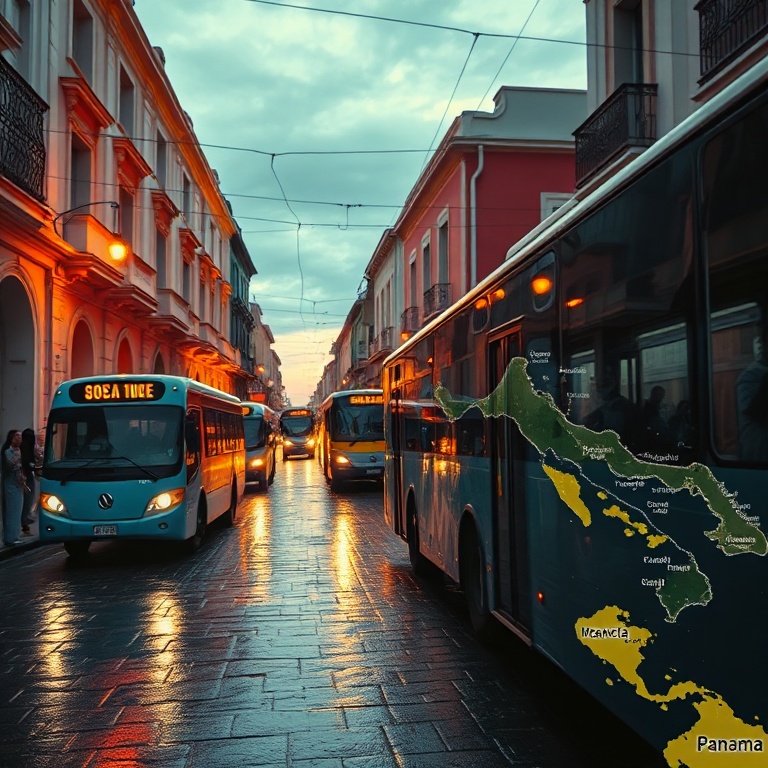
The Autoridad de Turismo de Panamá (ATP) just unveiled the MiBus electric‑bus route C982, stitching Casco Antiguo to 5 de Mayo from 04:00 a.m. to 11:00 p.m. daily. This isn’t a pilot; it’s a five‑bus fleet, each 9.5 metres long, seating 45 passengers, funded by a B/. 1.3 million loan from the Inter‑American Development Bank. For budget travelers, the significance is twofold: reduced fare structures compared to diesel rivals and a greener, quieter ride that cuts hidden costs like fuel‑surcharges and noisy delays. The official project page details the procurement, underscoring Panama’s commitment to sustainable tourism infrastructure.
Meanwhile, ATP reports over 3 million international arrivals in 2025, a metric that directly inflates accommodation and transport pricing during peak seasons. Knowing this, the savvy backpacker can time visits to shoulder‑season weeks when the electric‑bus occupancy dips below 60 %, unlocking discounts and freer seat selection.
The Ministry of Health’s March 2026 mask policy lift—except inside restaurants and bars—means travelers can breathe easy on open‑air bus decks while still adhering to indoor safety protocols. Finally, ATP’s transparent “Costos de Viáticos” portal publishes official travel‑allowance benchmarks, giving you a reliable baseline for daily spendings on meals, lodging, and activities. All these data points converge to form a robust budgeting framework for the modern Panama explorer.
How Budget Travel Has Evolved Since the 1990s
1990s travel conditions
Back in the late‑90s, Panama’s tourism narrative was dominated by diesel‑powered minibuses, cramped hostels, and a laissez‑faire approach to safety. Travel guides from that era warned of unpredictable schedules, fuel‑price volatility, and limited English signage. The old guard—seasoned tour operators and long‑term expats—relied on word‑of‑mouth routes, often charting paths through the Canal’s industrial zones to reach the historic Casco district.
Modern eco‑friendly transit & digital bookings
Fast‑forward to today, and the landscape has shifted dramatically. The introduction of electric fleets mirrors a broader Latin American trend toward eco‑friendly public transit, echoing similar rollouts in Bogotá and Mexico City. This transition reflects not just environmental concerns but also market forces: tourists now demand transparency, punctuality, and comfort—attributes that diesel buses struggled to provide. Moreover, the rise of digital platforms (Airbnb, Hostelworld) has democratized accommodation pricing, forcing traditional hotels to adapt or risk obsolescence.
The old guard’s anecdotal wisdom still holds value—knowing when to haggle for a hostel rate or how to navigate the bustling Mercado de Mariscos—but it now blends with data‑driven insights from ATP’s dashboards. Understanding this evolution equips budget travelers with a dual lens: respect for the city’s heritage and leverage of its modern efficiencies.

Budget Breakdown: Accommodation, Food, Transport & Activities
Typical 9‑day expense allocation
- 40 % accommodation
- 30 % food
- 20 % transport
- 10 % activities and contingency
Accommodation price ranges
| Location | Typical nightly rate | US $ equivalent |
|---|---|---|
| Panama City budget hostels | B/. 30–45 | ≈US$16–24 |
| Bastimentos Island beachfront dorms | B/. 35–50 | ≈US$19–27 |
Food costs
Meals at local “fondas” average B/. 8–12 per plate; street‑food tacos hover around B/. 5.
Transport fares – electric vs. diesel
| Service | Fare per ride | 7‑day pass (if available) |
|---|---|---|
| MiBus C982 (electric) | B/. 0.35 | B/. 7 |
| Diesel minibuses (previous standard) | B/. 1.20 | — |
Island excursion costs
A shared shuttle from Almirante to Bastimentos costs B/. 5, and snorkeling tours average B/. 45.
Sample 9‑day budget illustration
By allocating B/. 7 for a weekly bus pass, B/. 350 for lodging, B/. 200 for food, and B/. 150 for activities, the total 9‑day budget hovers around B/. 707 (≈US$380), leaving a safety cushion for emergencies. These figures align with the recommendations in our 9‑day cash‑stretch guide.
Looking Ahead: What’s Next for Budget Travelers in Panama
Fleet expansion & real‑time tracking
The rollout of electric buses is just the tip of the iceberg. ATP plans to expand the fleet to 20 units by 2028, integrating real‑time tracking apps that will allow travelers to sync bus arrivals with hostel check‑ins, minimizing idle wait times. This digital integration promises to shave off hidden costs—like unplanned taxi rides—and streamline budgeting for the thrifty explorer.
Emerging low‑cost lodging options
The sustained influx of over 3 million tourists signals a robust market that will likely attract more budget‑focused accommodations, such as capsule hostels and co‑living spaces, further driving down per‑night rates through competition.
Sustainability & carbon‑footprint tracking
Culturally, Panama’s push toward sustainability aligns with the global backpacker ethos of low‑impact travel. As electric fleets become the norm, carbon‑footprint calculations will become a standard line item in the Panama budget guide, empowering travelers to quantify their environmental contribution. The convergence of transparent government data, modern transit, and a thriving tourism economy sets the stage for a new era where budget travelers can experience premium amenities—like rooftop bars in Casco Antiguo or reef‑side hammocks on Bastimentos—without the premium price tag.
Listen up, green‑horns: the moment you think you’ve cracked the Panama code is the moment the city throws a new fare hike your way. The electric‑bus rollout is a double‑edged sword—great for the planet, but it also means the government will start monetizing every little convenience, from Wi‑Fi on board to premium seating zones. Keep an eye on the ATP announcements; they’ll slip in surcharge clauses faster than a manga artist adds extra panels for drama.
My two‑decade‑long trek across Central America taught me that the real savings lie in flexibility. Book hostels that let you cook, use the MiBus to hop between markets, and always carry a reusable water bottle—those tiny habits compound into big bucks. And never underestimate the power of a local’s tip: ask the bartender in Casco for the “off‑menu” ceviche, and you’ll eat like a king for the price of a street‑taco. That’s the veteran’s edge—knowledge, timing, and a dash of audacity.
Related Guides & Further Reading
Check out the Panama budget guide archives.