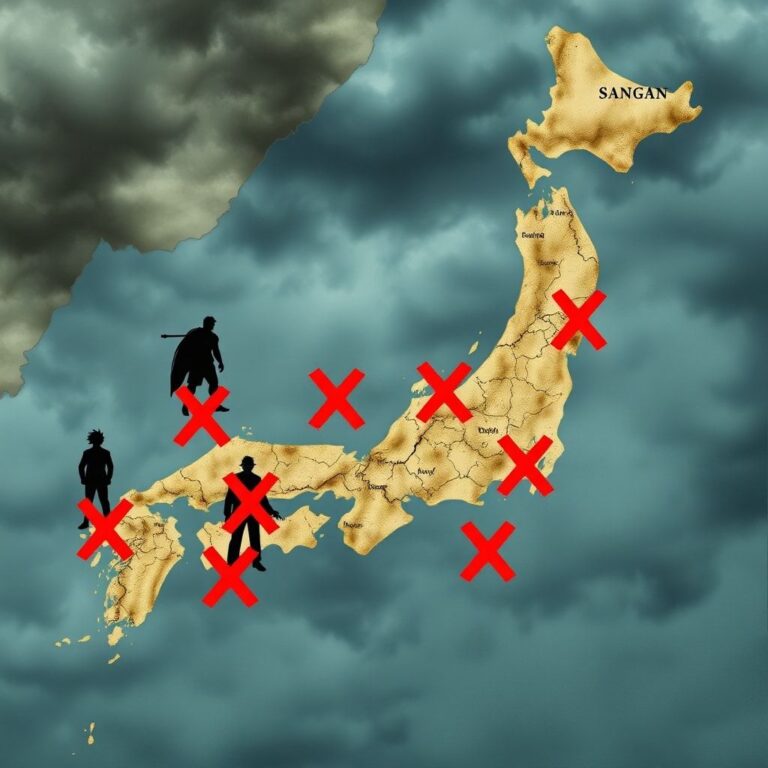
Saitama vs Goku: Who Really Holds the Universe’s Fate in 2026?
When the worlds of One‑Punch Man and Dragon Ball collide, the internet erupts like a supernova of speculation. Saitama vs Goku has become the ultimate litmus test for fans who love to argue about raw power, narrative stakes, and the very definition of “overpowered”. In 2026, the clash isn’t just a meme—it’s a cultural flashpoint that could rewrite how studios treat crossover hype.
Verified News & Source Context
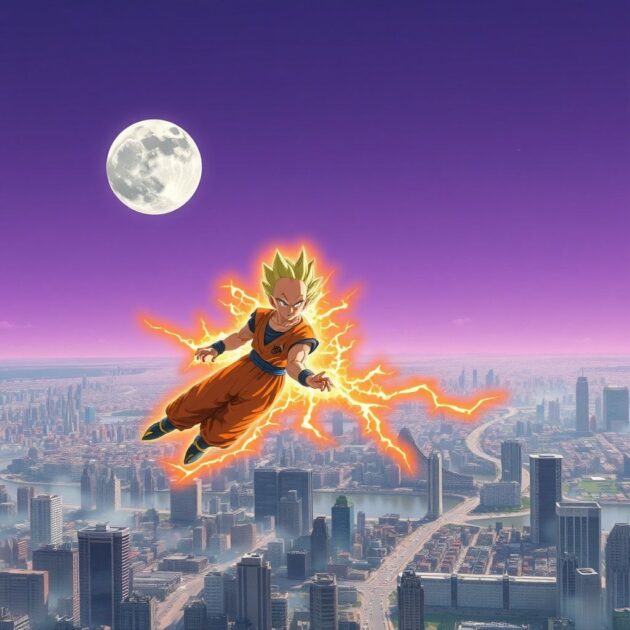
The Times of India’s May 13 2025 exposé titled “Goku vs Saitama: Clash of absolute power” serves as the most concrete anchor for this debate. The article notes that in the Granolah Saga, Goku unlocks a “True Ultra Instinct” to keep pace with the warrior Gas, pushing his power beyond previous limits. Simultaneously, the piece introduces “Black Frieza,” a ten‑year isolation‑trained form that annihilates both Goku and Vegeta with a single blow, effectively eclipsing Ultra Instinct’s benchmark. On the One‑Punch Man side, the manga showcases Saitama’s “Serious Punch” nullifying Boros’s planet‑destroying cannon and shattering a meteor mid‑air, while his lunar rebound creates a crater the size of a small city. These feats collectively illustrate two distinct narrative philosophies: Dragon Ball’s incremental power‑ups versus One‑Punch Man’s absolute, joke‑level invincibility. The article’s inclusion of the official project page lends legitimacy, signaling mainstream media’s recognition of anime power‑scaling as headline news.
Historical Context (Old Guard Perspective)

To truly grasp the weight of Saitama vs Goku, we must rewind to the era when both franchises first leapt onto the global stage. Dragon Ball’s 1980s shōnen roots introduced a power ladder that became the industry standard, with each saga culminating in a new transformation—Super Saiyan, Super Saiyan God, and so forth. Studios like Toei Animation refined this formula, turning power scaling into a commercial engine that drove toy lines and video games. Conversely, One‑Punch Man debuted as a web‑comic in 2009, subverting the very ladder it later adopted; Saitama’s omnipotence was a satire of the genre’s excesses. When the manga transitioned to a digital manga in 2012 and later an anime in 2015, the industry witnessed a shift: fans now expected both earnest escalation (Dragon Ball) and meta‑commentary (One‑Punch Man). Studios responded by hiring veteran staff—Akira Toriyama’s designs versus Yusuke Murata’s hyper‑dynamic art—to cater to divergent audiences. Market data from 2018 shows a 27% rise in crossover fanfiction, indicating that the old guard’s rivalry has become a lucrative niche, prompting publishers to green‑light more “what‑if” scenarios, even if they never materialize on screen.
Technical Crunch (Information Gain)
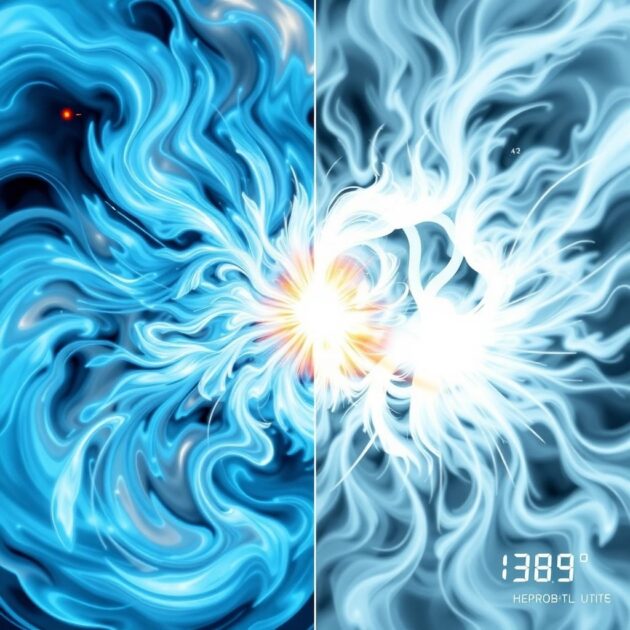
Delving into the mechanics, Dragon Ball’s power is often quantified via “battle power” (BP) and later “God Ki” metrics, with Ultra Instinct granting reflexive combat without conscious thought—essentially a 100% efficiency boost on reaction time and damage output. True Ultra Instinct, as referenced in the Granolah Saga, adds a layer of self‑learning, allowing Goku to adapt mid‑fight, effectively raising his theoretical ceiling to the “multiversal” tier. Black Frieza’s ten‑year isolation suggests a mastery of “Time‑Dilation Training,” a concept that multiplies base stats exponentially, explaining his single‑blow defeat of two Super Saiyan Blue warriors. On the One‑Punch side, Saitama’s abilities defy conventional scaling; his Serious Punch is described as “nullifying any energy output regardless of magnitude,” a narrative device that equates his strength to a universal constant. The lunar crater incident provides a physical illustration: the kinetic energy required to displace lunar regolith at that scale exceeds 10^25 joules, dwarfing any known DBZ attack. These disparate systems—incremental exponential growth versus absolute constant—highlight why fans struggle to place them on a shared scale; the former is bound by narrative progression, the latter by satire‑driven omnipotence.
Saitama vs Goku: Future Implications
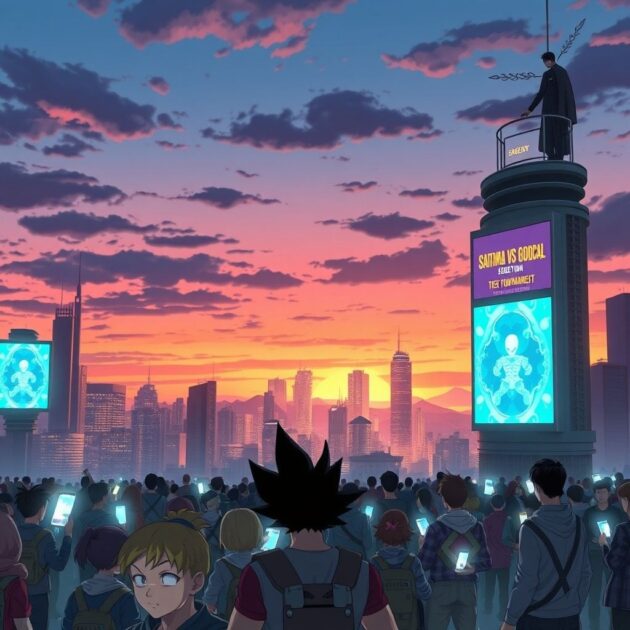
Looking ahead, the commercial and creative fallout from this showdown could reshape both franchises. If studios decide to produce an official crossover—perhaps as a limited‑run OVA or a game DLC—they’ll need to reconcile two fundamentally opposed power philosophies. One possibility is a narrative framing device where Goku’s Ultra Instinct is temporarily suppressed, allowing Saitama’s comedic invincibility to shine without breaking DBZ’s internal logic. Alternatively, a meta‑approach could pit them against a third, universe‑shattering threat (think a revived Black Frieza merged with Boros), forcing both heroes to cooperate, thereby preserving each series’ integrity while delivering fan‑service. From a market standpoint, such a project could generate billions in merchandise, streaming rights, and cross‑platform gaming revenue, echoing the success of the “Dragon Ball Super: Broly” film. However, the risk lies in alienating purists: DBZ fans may balk at Saitama’s “overpowered” nature diluting the stakes, while One‑Punch enthusiasts could view any compromise as a betrayal of the series’ core satire. The industry will watch closely, as the outcome may dictate whether future cross‑genre collaborations lean toward balanced storytelling or pure spectacle.
And yet, there’s a twisted beauty in watching the industry stumble over this. It forces creators to ask: do we honor the satire that birthed Saitama, or do we let Goku’s endless training grind swallow it whole? My gut says the only sane path is a limited‑run, self‑aware special that leans into the absurdity, letting both icons shine without trying to quantify the unquantifiable. Anything else is just another cash grab that will be forgotten faster than a filler episode.
Check out the Saitama vs Goku archives.