Cracking the Ultimate 6‑Week Cairo Budget: How to Live Like a Pharaoh on a Backpacker’s Wallet
Planning a six‑week solo odyssey through Egypt’s bustling capital can feel like juggling scarabs and sand dunes at once. A tight Cairo budget forces you to weigh every cup of tea against a ticket to a museum, and the stakes rise when your wallet screams louder than the call to prayer. Yet, with the right intel, you can stretch a modest sum into a treasure trove of experiences without selling your soul to a souvenir vendor. Before you set off, explore our comprehensive Cairo budget hub and also glance at the wider Egypt budget overview for an overview of costs and shortcuts.
Official Cairo Museum Admission Fees and Policies
Prince Mohammad Ali Palace – Tiered Ticket Prices
The Cairo Governorate’s latest release confirms that entry to Prince Mohammad Ali Palace (El‑Manial) is tiered: tourists pay LE 100, foreign students LE 50, Egyptian nationals LE 20, and local students a mere LE 10. This granular pricing reflects a policy aimed at democratizing heritage access while still extracting revenue from higher‑spending visitors. The palace’s address—1 Saraya El‑Manial Street—places it on the Nile’s east bank, a prime location that commands premium real‑estate values, justifying the higher tourist rate.
Egyptian Museum – Opening Hours & E‑Payment Upgrade
Operating hours are fixed from 09:00 to 17:00 daily, a schedule that aligns with typical museum opening times worldwide, facilitating synchronized tour packages. Meanwhile, the Egyptian Museum in Tahrir Square is undergoing a digital transformation: e‑payment machines are replacing cash counters, a rollout announced on 9 September 2021. This shift not only modernizes the visitor experience but also reduces informal cash handling, a move praised by financial regulators.
Official admission fees for the Egyptian Museum are LE 60 for foreign visitors and LE 4 for Egyptian citizens, with a student concession of LE 30. These rates are published on the Governorate’s portal and are now enforceable through the new e‑payment terminals, ensuring transparent pricing. For the budget‑conscious traveler, understanding these official numbers is the first step toward allocating funds accurately. See the official project page for the full breakdown.

Evolution of Cairo Tourism: From Aristocratic Tours to Backpacker Trails
From Aristocratic Tours to Early Backpacker Guides
Travel literature from the 1920s painted Cairo as a playground for aristocrats, with guidebooks recommending lavish stays in five‑star hotels and private carriage tours of the palace complexes. Back then, a “budget” meant a modest allowance for a middle‑class European family, often still enough to cover a carriage ride to the palace and a full‑board dinner.
Rise of Tiered Pricing & Academic Tourism
Fast forward to the 1990s, the rise of budget airlines and backpacker hostels democratized the city’s allure, and guidebooks began to list “cheap eats” and “hostel dorms” alongside the grand museums. The shift mirrors broader industry trends: tourism boards moved from promoting elite experiences to curating affordable cultural itineraries. This evolution is evident in the tiered ticket pricing at Prince Mohammad Ali Palace, a relic of a time when Egypt sought to attract both high‑spending tourists and educational groups. The introduction of student discounts reflects a strategic pivot toward academic tourism, a sector that grew exponentially after the 2000s when universities forged exchange programs with Egyptian institutions.
Modern Transparency & Digitalization
In the anime‑manga world, the “old guard” often romanticizes the golden age of travel, but the reality is that modern solo adventurers demand transparency and value. The Governorate’s decision to publish exact fees and to digitize payments is a direct response to this demand, ensuring that the historical narrative of Cairo’s cultural sites remains accessible to the new generation of wanderers.
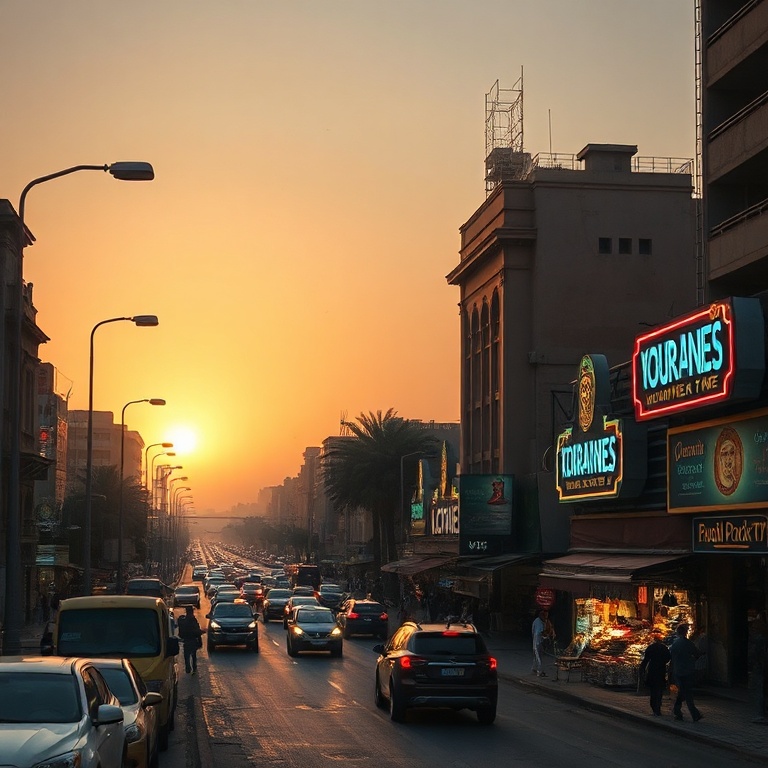
Detailed Cost Breakdown for a 6‑Week Stay in Cairo
Fixed Costs: Museum Admissions
To construct a realistic 6‑week Cairo budget, start with fixed costs: museum admissions, transportation, and accommodation. Assuming a 42‑day stay, the Egyptian Museum fee (LE 60) for a foreign visitor totals LE 2,520. Add two visits to Prince Mohammad Ali Palace at the tourist rate (LE 100 each) for an extra LE 200, bringing cultural entry fees to LE 2,720.
For a granular line‑by‑line spreadsheet, see our solo cost breakdown guide, which walks you through each expense.
If you’re curious how to still catch the pyramids without blowing your budget, our guide on crushing a six‑week Cairo budget while seeing the pyramids offers practical tips.
Transportation & Daily Travel
Transportation in Cairo is dominated by the metro (LE 3 per ride) and microbuses (≈LE 5). Budgeting three rides per day equals LE 9 daily, or LE 378 over six weeks. For occasional taxis, allocate an extra LE 5 per day, adding LE 210.
If you want a step‑by‑step itinerary on how to maximize metro routes on a shoestring, check out our solo budget guide for Cairo.
Accommodation & Food Expenses
Accommodation varies: a reputable hostel dorm averages LE 150 per night, totaling LE 6,300 for 42 nights. Food costs can be managed at LE 80 per day if you mix street falafel (≈LE 10) with occasional restaurant meals (≈LE 30), resulting in LE 3,360.
Budget Summary
| Item | Cost (LE) |
|---|---|
| Cultural entries | 2,720 |
| Transportation | 588 |
| Accommodation | 6,300 |
| Food | 3,360|
| Contingency (≈10 %) | 1,300 |
| Total projected budget | 14,300 |
The final projected Cairo budget sits around LE 14,300, roughly US$ 740 at a 19.3 LE/USD rate (2024 average). Understanding each line item empowers travelers to tweak variables—opting for a private room, reducing museum visits, or extending street‑food meals—to fit personal financial thresholds.
E‑Payment Benefits for Budget Tracking
Crucially, the e‑payment rollout at the Egyptian Museum eliminates the need for cash on hand, reducing transaction friction and potential over‑spending. Travelers can now monitor real‑time expenditures via mobile banking apps, a feature that aligns perfectly with the data‑driven mindset of today’s solo adventurers.

Future Trends Impacting Cairo Travel Budgets
Smart Ticket Platform & Expected Discounts
The tourism ecosystem in Cairo is poised for rapid digitalization. The e‑payment infrastructure introduced in 2021 is expected to integrate with a national “Smart Ticket” platform by 2027, allowing visitors to bundle multiple museum entries into a single QR‑code pass. Such a pass could offer a 15 % discount on combined tickets, reshaping the cost calculus for budget travelers.
Seasonality, Inflation & Emerging Trends
Inflation trends in Egypt suggest a modest annual rise of 6‑8 % in consumer prices, meaning the LE 14,300 baseline will likely inch upward, pressuring travelers to seek value‑added packages. Climate considerations also play a role. As Cairo experiences hotter summers, the tourism board may promote off‑peak travel (October‑April) with reduced accommodation rates and special night‑time museum tours, potentially lowering daily expenses. Simultaneously, the rise of “virtual tourism”—augmented‑reality tours accessible from anywhere—could divert a segment of would‑be visitors, but for the tactile, street‑level experience, the demand for physical presence remains strong.
Listen up, green‑horns: the moment you think you’ve nailed the Cairo budget is the exact second the city throws a new tax or a surprise festival your way. The Governorate loves to sprinkle extra fees like confetti at a wedding—don’t be the guy caught without change for the souvenir stall.
My two decades on the road taught me that the only reliable compass is flexibility. Pack a spare LE 200 for the inevitable “you‑must‑see‑this‑exhibit‑today‑only” moment, and always keep an eye on the e‑payment dashboards—those machines love to glitch right when you’re low on cash. Adapt, improvise, and you’ll walk out of Cairo richer in stories, not poorer in pounds.
Related Guides & Further Reading
Related Guides & Further Reading
Check out the cairo-budget archives.