The Terminator Dragon Ball reference That Turned Future Trunks Into Kyle Reese
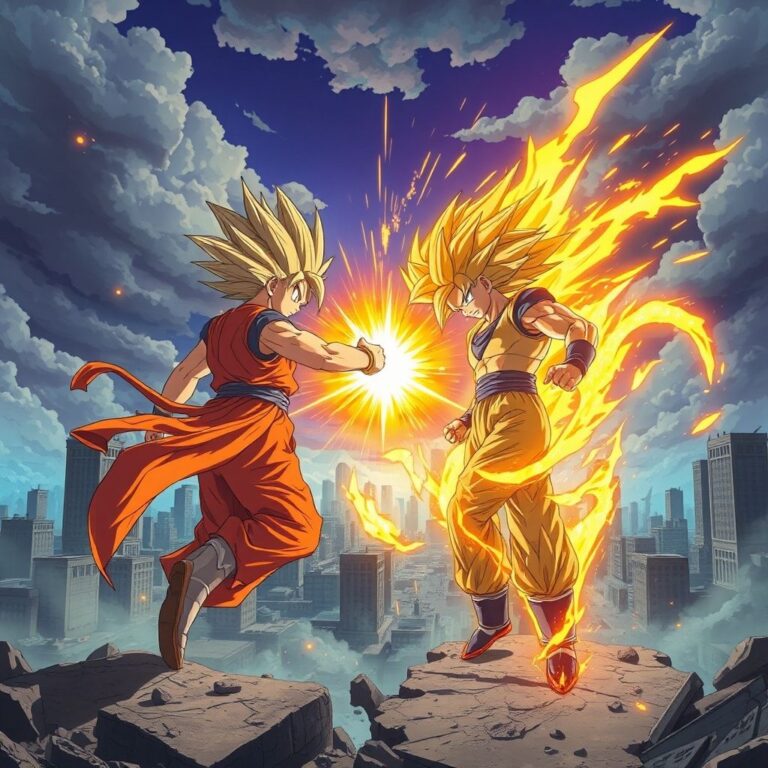
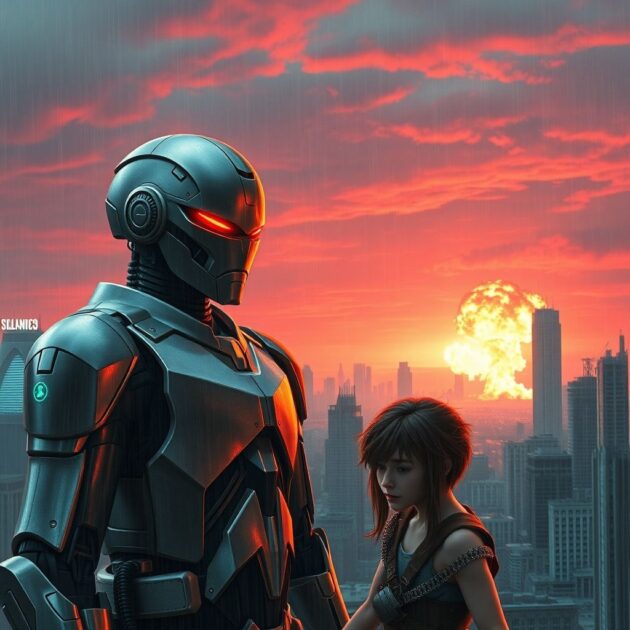
When you hear the phrase Terminator Dragon Ball reference, you might picture a chrome‑clad Android 16 shouting “I’ll be back” in an Austrian accent, but the real meat of the homage lies deeper, in the time‑bending tragedy of Future Trunks. The Android Saga isn’t just a power‑level showdown; it’s a deliberate echo of the 1984 sci‑fi classic, re‑tooling the same existential stakes for a shōnen audience. If you miss the parallels, you’re ignoring a whole layer of narrative engineering that turns a simple fight arc into a commentary on destiny, sacrifice, and the cyclical nature of war.
Verified News & Source Context
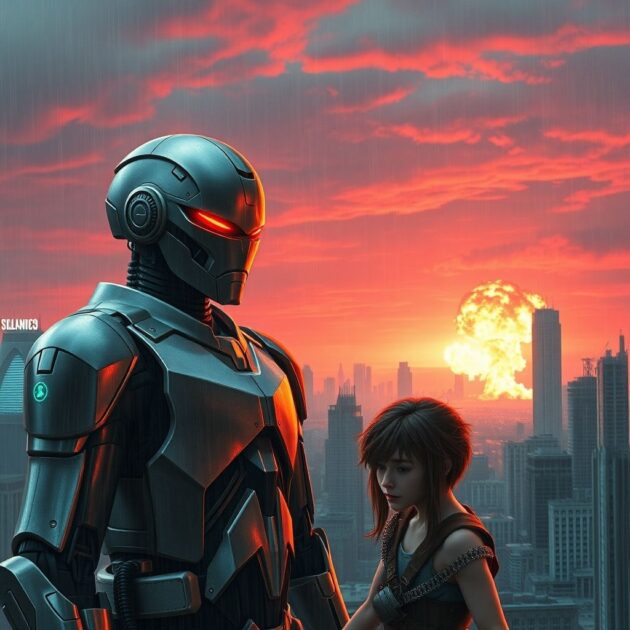
The CBR article official project page meticulously catalogs every Hollywood nod in Dragon Ball, and the Terminator parallels are among the most overt. Major Metallitron, debuting in Episode 36, was literally sketched after Arnold Schwarzenegger’s T‑800, down to the stoic, mission‑first demeanor that defines the Terminator’s cold efficiency. This design choice wasn’t a casual wink; it signaled Toei’s willingness to blend Western sci‑fi tropes with Japanese shōnen storytelling, a move that would later blossom in the Android Saga (Episodes 126‑139). The saga’s in‑universe date of May 12 for the Android assault mirrors the date of the robotic incursion in the original film, a numeric Easter egg that fans love to dissect. Moreover, the FUNimation dub gave Android 16 an Austrian accent, a direct parody of Schwarzenegger’s speech pattern, cementing the homage in both visual and auditory realms. These deliberate choices illustrate a cross‑cultural dialogue where Dragon Ball acknowledges its cinematic inspirations while recontextualizing them for a new generation of viewers.
Historical Context (Old Guard Perspective)
Looking back at the 80s and early 90s, anime studios were still carving out their identities amid a flood of imported Western media. While series like Akira and Ghost in the Shell flirted with cyberpunk aesthetics, Dragon Ball remained rooted in martial‑arts fantasy. The decision to embed Terminator motifs during the Android Saga marked a turning point, aligning the franchise with the burgeoning trend of hybrid storytelling that blended high‑octane action with sci‑fi gravitas. This shift coincided with Toei’s strategic push to capture overseas markets, where audiences were already familiar with the Terminator mythos. By the time Future Trunks burst onto the scene, the industry had seen similar time‑travel experiments in franchises like Mobile Suit Gundam, but none had married the bleak, post‑apocalyptic tone of Terminator with the hopeful, power‑up driven narrative of shōnen. The result was a fresh narrative formula that appealed to both die‑hard fans of the original film and younger viewers hungry for high‑stakes drama, effectively broadening Dragon Ball’s demographic reach.
Technical Crunch (Information Gain)
From a lore standpoint, the Android Saga’s mechanics hinge on a meticulously timed paradox: Future Trunks travels back to prevent the creation of Androids 17 and 18, mirroring Kyle Reese’s mission to stop Skynet’s rise. The date May 12 isn’t just a nod; it anchors the narrative in a concrete timeline, allowing the series to explore cause‑and‑effect loops with precision. Production design further reinforces the homage: Major Metallitron’s chassis echoes the T‑800’s endoskeleton, while Android 16’s Austrian inflection serves as an auditory cue for viewers attuned to Schwarzenegger’s iconic delivery. Statistically, the saga raises the power levels to unprecedented heights, introducing androids with near‑infinite energy reserves, akin to the Terminator’s relentless durability. This escalation forces the protagonists to evolve, just as humanity in Terminator must develop new tactics to survive. The layered storytelling—combining temporal paradoxes, mechanical design, and power scaling—creates a rich tapestry that rewards both casual viewers and hardcore analysts, illustrating why the Terminator Dragon Ball reference is more than a surface gag; it’s a structural pillar of the arc.
Future Implications
The reverberations of this cross‑genre homage extend far beyond the Android Saga’s original run. As Dragon Ball continues to spawn spin‑offs, games, and live‑action adaptations, the Terminator template offers a proven blueprint for integrating high‑stakes sci‑fi elements into a traditionally fantasy‑driven universe. Future creators can leverage the time‑travel mechanic to explore alternate timelines, perhaps even pitting Trunks against newer threats that echo contemporary AI anxieties. Moreover, the successful melding of Western cinematic tropes with Japanese anime sensibilities sets a precedent for other franchises seeking global resonance, encouraging studios to mine Hollywood’s iconic imagery while preserving their cultural core. This synergy could spark a new wave of collaborative projects, where anime studios and Hollywood studios co‑develop narratives that satisfy both markets, potentially leading to a renaissance of hybrid storytelling that honors legacy while pushing boundaries.
Listen, kid, you think you’ve seen every reference in Dragon Ball? You’re missing the fact that Toei’s writers weren’t just tossing in a few Arnold jokes for cheap laughs—they were building a narrative scaffolding that would let the series survive the same existential dread that haunted the Terminator’s world. Future Trunks isn’t just a time‑traveling teen with a sword; he’s the anime’s answer to Kyle Reese, a desperate soldier armed with hope and a plasma sword, trying to rewrite a future that’s already been written in steel. That kind of storytelling depth is why the saga still feels fresh after three decades, and why you’ll keep hearing that metallic clang of destiny every time you watch an Android fight.
Now, don’t get me started on the marketing genius behind the Austrian‑accented Android 16. It’s a sly nod that says, “We get the jokes, we love the source material, and we’ll give you a laugh while you’re busy cheering for a 900‑meter‑tall Saiyan.” That level of meta‑awareness is what separates a meme‑filled filler episode from a cultural touchstone. As the franchise marches toward new media—VR battles, interactive streaming, maybe even a live‑action reboot—remember that the Terminator Dragon Ball reference isn’t a footnote; it’s a blueprint for how to blend worlds without losing the soul of either. Keep your eyes peeled, because the next big crossover is already being sketched in the margins of a storyboard.
Check out the Terminator archives.