Jujutsu Kaisen Shibuya: Dive Into the Real‑World Battlefields That Fuel Your Otaku Wanderlust
The streets of Shibuya have never been just a backdrop for neon ads and scramble crossings; they’re a living, breathing arena where curses clash and sorcerers stride. Jujutsu Kaisen Shibuya beckons fans to step beyond the screen, promising a pilgrimage that blurs fiction and reality.
Miss the chance and you’ll forever wonder what it feels like to walk the same pavement as Gojo and Yuji, where every corner could hide a hidden domain.
Shibuya as an Immersive Pilgrimage Destination
Official Shibuya Map and On‑Location Partnerships
The official project page released a detailed map of the Shibuya district, pinpointing exact intersections where key battles unfold in the series. This isn’t mere fan speculation; the production committee collaborated with Tokyo’s city planners to ensure geographic fidelity, even securing permits for on‑location shoots. By anchoring the anime’s climactic showdown in a real‑world setting, the creators signal a shift toward immersive storytelling that invites fans to trace the narrative physically.
Key Partnership Elements
- Collaboration with local businesses, turning cafés and boutiques into temporary “cursed item” pop‑ups.
- Curated itineraries backed by official endorsement, reducing guesswork for otaku tourists.
- Cross‑media synergy that amplifies merchandising while reinforcing Shibuya’s brand as a cultural hotspot.
Shibuya’s Portrayal in Anime Prior to Jujutsu Kaisen
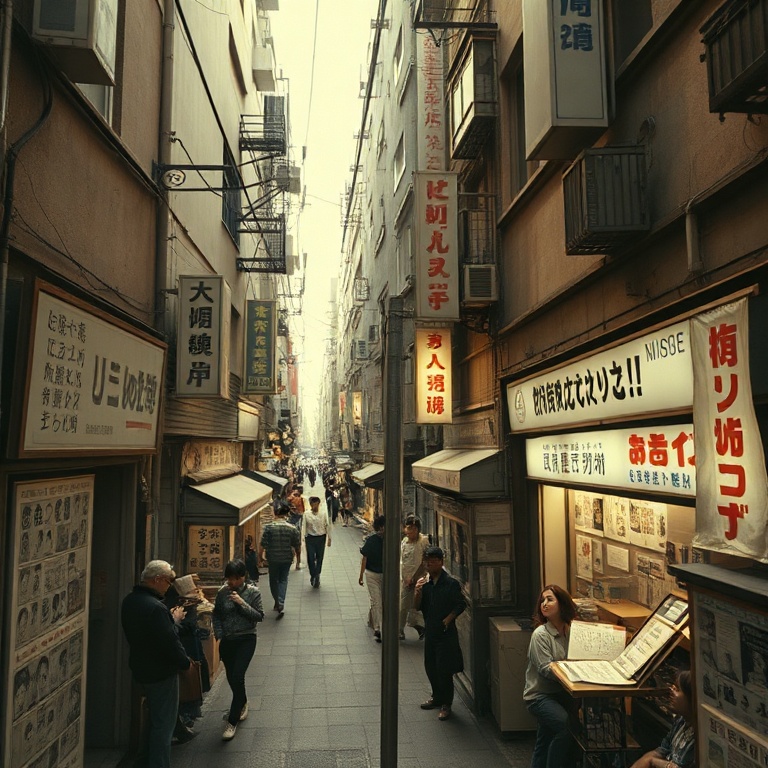
When Jujutsu Kaisen first burst onto screens, its urban battles were rendered in stylized CGI, with Shibuya serving as a vague, hyper‑modern backdrop. Earlier franchises like “Durarara!!” and “Tokyo Ghoul” treated the city as a narrative canvas, but rarely committed to pinpoint accuracy.
From Atmospheric Abstraction to Cartographic Precision
The old guard—studios such as Madhouse and Production I.G.—favored atmospheric abstraction over exact mapping, allowing artistic liberty to mask logistical constraints. Over the past decade, audience expectations have evolved; fans now demand verifiable locations, spurred by the rise of location‑based AR games and travel vlogs. Studios responded by hiring urban consultants and GIS specialists, a practice pioneered by the live‑action adaptation of “One Piece” in 2022.
Jujutsu Kaisen’s decision to map its Shibuya showdown reflects this paradigm shift, aligning with a market that rewards authenticity. Moreover, the series’ staff, many of whom cut their teeth on the gritty realism of “Psycho‑Pass,” bring a seasoned eye for urban decay and neon‑washed aesthetics, bridging classic anime sensibilities with tourism‑driven storytelling.
Curse Energy Mechanics and Production Design in the Shibuya Arc
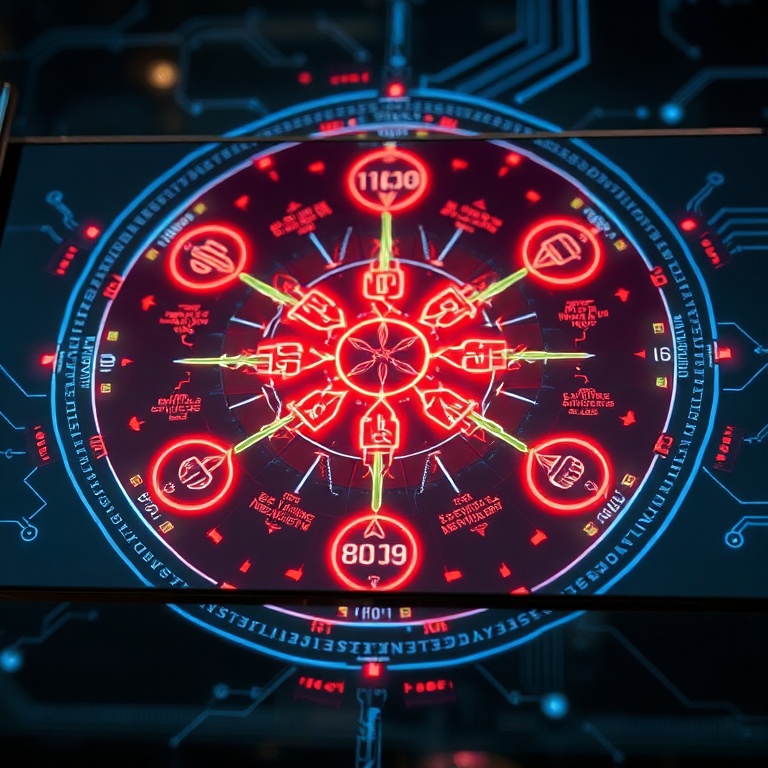
The Shibuya arc introduces a layered curse hierarchy, each tier quantified by a distinct energy signature displayed on on‑screen HUDs. Production designers consulted physicists to devise a pseudo‑scientific framework: cursed energy is measured in “Jujutsu Units” (JUs), with a baseline of 10 JUs for minor hexes and upwards of 10,000 JUs for domain expansions.
Cursed Energy Measurements
- Minor hexes – 10 JUs
- Domain expansions – up to 10,000 JUs
Visually, this translates to luminescent sigils that overlay the cityscape, rendered using a custom shader pipeline that simulates light refraction through cursed particles. The team also employed motion‑capture for fight choreography, mapping Gojo’s Limitless technique onto real‑world physics to maintain continuity with the series’ established power scaling.
Set designers recreated Shibuya’s iconic Hachiko statue with modular components, allowing quick swaps between its mundane and cursed states. These technical choices aren’t cosmetic; they make the environment an active participant in combat, turning ordinary crosswalks into tactical grids. For the viewer, this depth enriches immersion, while for the pilgrim, it offers a tangible reference point—spotting the glowing sigils on a smartphone app becomes a badge of insider knowledge.
Upcoming Shibuya Storylines and Pilgrimage Possibilities
Planned Narrative Expansions
Looking ahead, the Shibuya locale is poised to become a recurring nexus for the franchise’s expanding universe. Producers have hinted at a sequel season where the district’s underground network will serve as a hub for inter‑dimensional portals, effectively turning Shibuya into a multiversal crossroads.
Commercial Pilgrimage Model
This opens avenues for cross‑overs with other Jump titles, leveraging the city’s real‑world prominence to anchor collaborative storylines. From a commercial standpoint, the success of the pilgrimage model could inspire a series of “anime city passes,” granting fans access to curated experiences across Japan, each bundled with exclusive digital content unlocked via QR codes placed at landmark sites.
Potential Pitfalls
However, such expansion carries risks: over‑commercialization may dilute narrative gravitas, and the logistical burden of coordinating large‑scale location shoots could strain production budgets. Veteran creators caution that maintaining a balance between fan service and storytelling integrity will be crucial to sustain long‑term interest.
The moment you step onto that rain‑slick crossing, you realize the city’s pulse syncs with the cursed energy you’ve been binge‑watching for months. It’s a bittersweet reminder that the only thing more chaotic than a Shibuya scramble is the fan‑driven traffic that follows every new episode drop. If you think the studios are just cashing in on tourism, think again—this is a calculated gamble that could either cement Jujutsu Kaisen as a cultural landmark or see it fizzle like a half‑cooked ramen broth.
But here’s the veteran’s take: the real magic isn’t in the neon signs or the pop‑up cursed‑item stalls; it’s in the stories you forge while navigating the same alleys that animated characters once haunted. Keep your eyes peeled for hidden glyphs, respect the locals who aren’t in on the joke, and remember that every pilgrimage is as much about personal discovery as it is about fandom. That’s the only way you’ll walk away with more than just a selfie stick and a souvenir keychain.
Check out the Jujutsu Kaisen archives.