Why anime disability characters Like Nunnally Are the Real Heroes We Need
The world of anime has long flirted with the idea of heroes who bear physical or mental challenges, but few series have woven those struggles into the very fabric of their narrative as deftly as Code Geass. When you first meet Nunnally Lamperouge, the focus keyword anime disability characters instantly surfaces, anchoring the story in a reality that feels both fragile and fierce.
Her presence forces viewers to confront the stakes of a war‑torn world through the lens of vulnerability, making every triumph feel earned and every setback painfully resonant.
Nunnally Lamperouge: A Disability Hero in Code Geass
Character Biography and Voice Cast
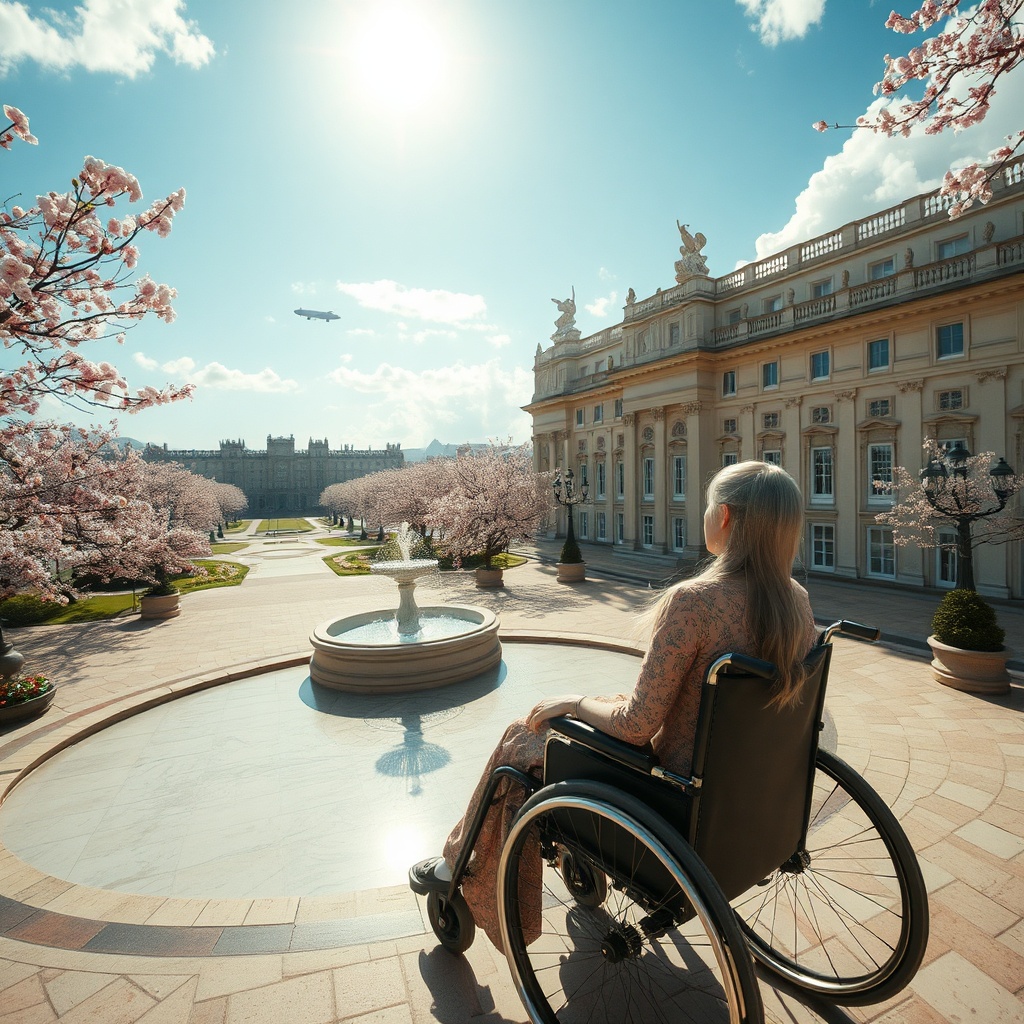
Nunnally Lamperouge first steps onto the screen in the opening episode of Code Geass: Lelouch of the Rebellion, a moment that instantly signals the series’ willingness to embed disability into its core drama. Born on October 25, 2002 (a.t.b.), she occupies the 87th spot in the line of succession to the Britannian throne—a detail that underscores how her personal limitations are juxtaposed against immense political weight.
- Japanese voice: Kaori Nazuka
- English voice: Rebecca Forstadt
In Season 2 (R2), Nunnally ascends to the title Viceroy of Area 11, transforming her from a protected sister into a governing force and proving that disability does not preclude authority.
Her kidnapping by V.V. near the end of Season 1 forces Lelouch to abandon the Black Knights’ battle, a plot pivot that demonstrates how her safety is a catalyst for major strategic decisions.
This interplay of personal vulnerability and geopolitical stakes is rare in anime, positioning Nunnally as a case study for disability‑driven storytelling without becoming a token gimmick. For deeper reference, see the official project page.
Historical Treatment of Disability in Anime
Industry Shift in the 2000s
If you rewind to the late ’90s, disability in anime was often relegated to side‑characters or used as a tragic backstory—think of characters like Shinji Ikari (psychological trauma) or Guts (physical scar). Studios such as Sunrise and Madhouse rarely placed disabled protagonists at the narrative helm, preferring able‑bodied heroes who could showcase flashy combat.
Code Geass, debuting in 2006, broke that mold by giving Nunnally a central political role while still honoring her physical constraints. This shift mirrors broader industry trends, where series like Fullmetal Alchemist (2003) tackled bodily loss with philosophical depth.
Director Gorō Taniguchi’s penchant for morally gray storytelling and writer Ichirō Ōkouchi’s focus on character psychology created fertile ground for a disabled heroine to thrive.
Market data from the mid‑2000s shows a spike in international streaming demand for series with complex protagonists, encouraging producers to diversify representation. Nunnally’s arc thus sits at the crossroads of an industry awakening, where the old guard’s reliance on spectacle gave way to a new appetite for emotional authenticity.
| Era | Approach to Disability |
|---|---|
| Late 1990s | Side‑characters or tragic backstory (e.g., Shinji Ikari, Guts) |
| 2006 onward | Central political role with integrated assistive tech (Nunnally in Code Geass) |
Integrating Disability into Code Geass Lore
Assistive Technology and Narrative Design
From a lore standpoint, Nunnally’s disability is not merely a plot device; it is woven into the world‑building mechanics of Britannia. Her blindness results from a traumatic incident involving a Geass‑induced attack, linking her condition directly to the series’ supernatural rules.
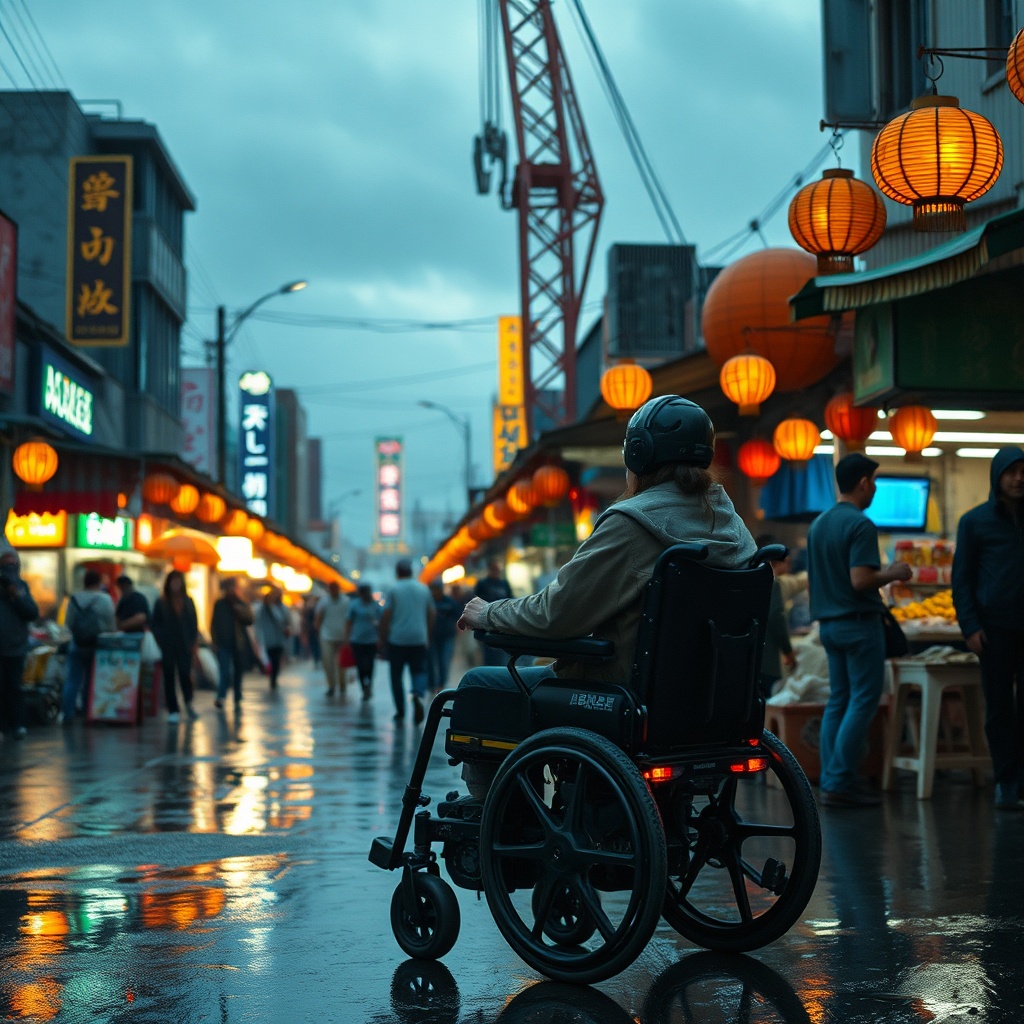
Statistically, her wheelchair is equipped with an adaptive interface that syncs with the Geass network, allowing her to issue commands remotely—a subtle nod to real‑world assistive technology.
Production design reinforces this: the wheelchair’s sleek, almost regal aesthetic mirrors the imperial motifs of the Britannian elite, suggesting that disability can coexist with elegance and authority.
Narrative structure places Nunnally at pivotal decision points; her kidnapping forces Lelouch into a moral dilemma, while her later ascension to Viceroy reshapes the political landscape, altering the series’ power equations. By embedding her disability into both mechanical and thematic layers, the creators ensure that every scene involving Nunnally carries weight beyond visual sympathy, making her presence a catalyst for plot propulsion and thematic resonance.
Future Implications of Nunnally’s Character
Narrative Opportunities and Risks
Looking ahead, Nunnally’s trajectory opens doors for spin‑offs or sequels that could explore governance through the lens of disability. A series focusing on her tenure as Viceroy could delve into policy‑making, diplomatic negotiations, and the subtle ways her wheelchair’s tech influences diplomatic security—a fresh angle for the franchise that moves beyond battlefield drama.
Culturally, her character has already sparked discussions in disability‑advocacy circles, positioning Code Geass as a reference point for inclusive storytelling in anime. This cultural capital could encourage studios to green‑light projects that foreground disabled protagonists, knowing there’s both a market and a critical appetite.
However, the risk lies in tokenism; future adaptations must avoid reducing Nunnally to a symbolic figurehead and instead flesh out her agency, strategic mind, and emotional depth.
Two decades of watching anime taught me that studios love to slap a limp limb on a hero and call it depth, then forget to give them a reason to fight beyond the obvious. Nunnally flips that script—her disability is the engine, not the garnish, and the series respects it by letting her wield power without ever pretending she’s “cured” for narrative convenience.
Even now, when new anime touts “representation,” I’m skeptical until I see a character whose limitations shape the plot, not just their backstory. Nunnally’s arc proves that when a disabled character is given political clout, the stakes rise for everyone involved, and the audience gets a richer, messier, more human story. That’s the kind of messy realism that keeps the medium evolving, not the sanitized heroics of yesteryear.
Check out the anime disability characters archives.
Check out the anime disability characters archives.
or