
Anime Flanderization Guide
If you’ve ever watched a beloved series and felt that a once‑multifaceted protagonist suddenly turned into a walking punchline, you’ve experienced the phenomenon that’s been lighting up anime forums, meme boards, and even petition pages for years. The frustration isn’t just about a character losing depth; it’s about the rupture of narrative trust that fans have built up over dozens of episodes. This tension explains why “anime flanderization” spikes in search trends every time a new season drops, a popular manga gets a sequel, or a streaming platform releases a surprise continuation. Viewers repeatedly ask: why does a hero who once wrestled with moral dilemmas become reduced to a catchphrase? Why do studios seem to trade nuance for instant recognizability, and how does that trade‑off ripple through fandom culture? The answers lie in a tangled web of creative decisions, market pressures, and community dynamics. Below we’ll map the ecosystem that fuels these debates, giving you the context you need before diving into the deep‑dive articles that dissect specific cases, rankings, and fan reactions.


Understanding Flanderization in Anime
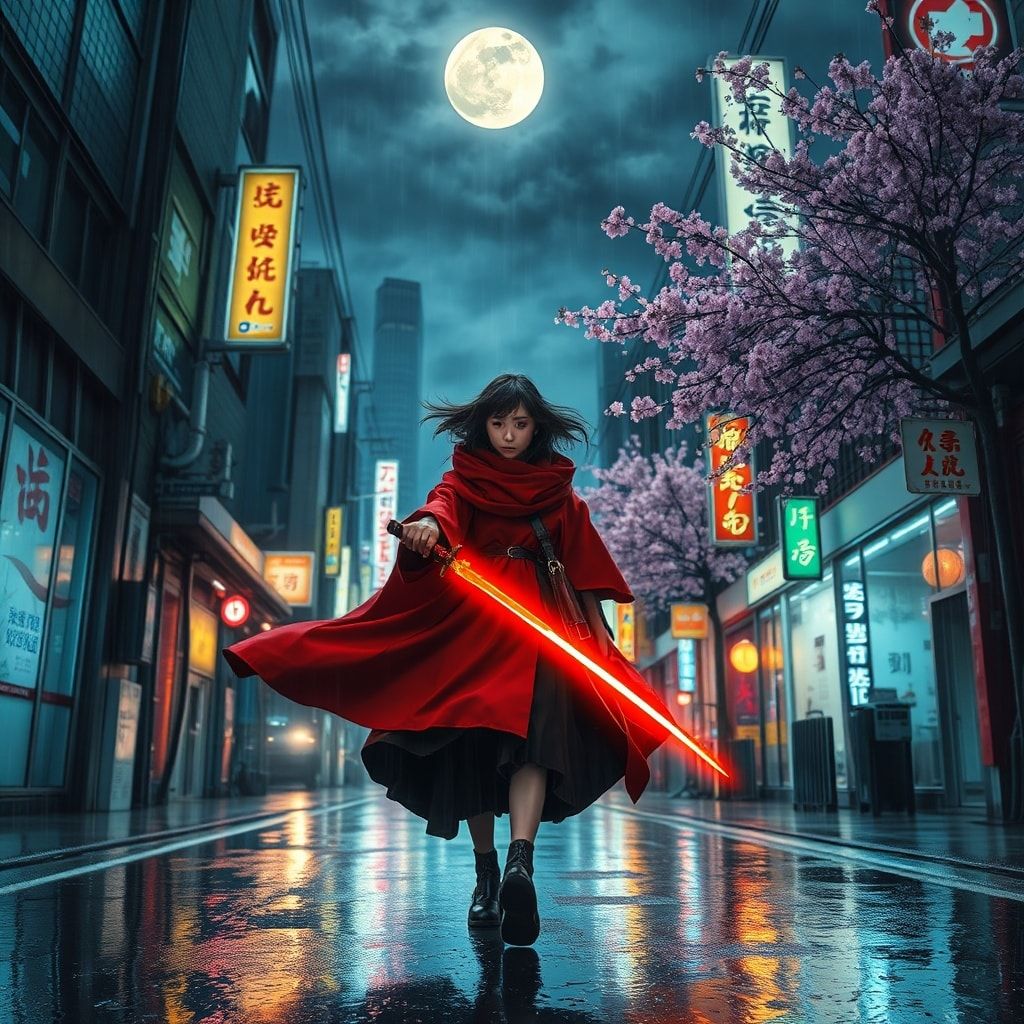
The term originates from the sitcom The Simpsons, where Ned Flanders gradually shed all of his complexity until he existed solely as the “nice neighbor” caricature. In anime, the same process occurs when a character’s original blend of traits is stripped away and amplified into a single, often comedic, attribute. This isn’t simple character growth; it’s a reductive shift that erodes the layered motivations that made the character compelling in the first place.
Why Flanderization Shows Up So Frequently in Anime
Several systemic forces converge to make anime especially prone to this trend:
- Long‑running franchises: Series that span multiple seasons, movies, and spin‑offs face staff turnover and shifting creative vision. New writers may latch onto the most recognizable trait to maintain brand continuity.
- Merchandising imperatives: A character with a single, iconic visual or verbal hook sells better on T‑shirts, figures, and keychains. The market incentive pushes studios to amplify that hook.
- Global audience expansion: As series aim for overseas viewers, studios often simplify characters to ensure instant recognizability across language barriers.
- Streaming release models: Binge‑friendly platforms reward quick, meme‑able moments that can be shared on social media, encouraging creators to insert repetitive jokes that stick in the viewer’s mind.
Common Patterns of Trait Amplification
When flanderization takes hold, it follows a predictable arc:
- Seed trait introduction: Early episodes establish a nuanced characteristic—perhaps a hero’s stoic resolve paired with a hidden love of sweets.
- Incremental exaggeration: Over time, the trait is highlighted more often, while surrounding layers fade. The hero’s stoicism becomes a catchphrase; the love of sweets becomes a running gag.
- One‑note saturation: By the third or fourth season, the character is primarily defined by that single trait, and scenes that once offered depth are replaced with repetitive punchlines.
This progression can be subtle, making it easy for casual viewers to miss the warning signs until the backlash erupts.
Industry Drivers Behind the Trend
Beyond the obvious commercial pressures, several less obvious mechanisms fuel flanderization:
- Adaptation bottlenecks: When a manga or light novel outruns its anime adaptation, studios may resort to filler episodes that rely on easy character jokes rather than complex plot development.
- Staff turnover: Key writers or directors often leave mid‑run, and their successors may lack the original vision, opting instead for the safest narrative shortcuts.
- Algorithmic feedback loops: Data from streaming platforms shows which scenes generate the most social media buzz. Studios may double‑down on those moments, even if they sacrifice storytelling integrity.
- Cross‑media synergy: When a franchise expands into games, novels, and stage plays, each medium highlights different aspects of a character. The anime version may over‑compensate by cementing the most marketable trait.
Fan Reactions and Community Debate
The anime community reacts to flanderization with a blend of humor, outrage, and activism. Meme culture amplifies the most absurd moments, turning genuine frustration into a shared joke that can paradoxically reinforce the very trait fans despise. At the same time, petitions and open letters appear on studio social channels, demanding a return to the character’s original depth. This tension creates a feedback loop: studios watch the buzz, sometimes leaning into the joke to placate the loudest voices, while other fans call for narrative redemption.
When Is Flanderization Intentional—and Does It Ever Work?
Not all trait amplification is accidental. Some creators deliberately lean into a character’s idiosyncrasy to serve a comedic purpose, satire, or a thematic statement. When the shift is foreshadowed or tied to a clear narrative arc, audiences are more forgiving. The key differences lie in:
- Setup and payoff: A deliberate exaggeration feels earned if earlier episodes plant seeds for the transformation.
- Balance with growth: Even a heavily emphasized trait can coexist with other evolving aspects of the character.
- Transparency: When creators acknowledge the shift—through meta‑humor or behind‑the‑scenes commentary—fans interpret it as a creative choice rather than a lazy shortcut.
When these conditions are absent, the result is perceived as a betrayal of the original storytelling contract.
Spotting Early Warning Signs
For viewers who want to stay ahead of the curve, certain red flags signal an approaching flanderization:
- Repetitive dialogue centered on a single catchphrase.
- Visual gags that over‑emphasize a unique physical trait (e.g., a recurring headband or weapon).
- Story beats that repeatedly return to the same emotional trigger without new insight.
- Sudden drops in secondary character development while the focal character’s trait is repeatedly highlighted.
Identifying these patterns early can help fans articulate their concerns constructively before the backlash reaches a fever pitch.
Constructive Fan Engagement
Instead of merely venting, fans can channel their reactions into productive avenues:
- Detailed feedback: Posting thoughtful critiques on official forums or social media, highlighting specific episodes where depth wanes.
- Supportive fan art: Creating works that celebrate the character’s original complexity can remind creators of the broader appeal.
- Community polls: Organizing surveys that quantify the audience’s sentiment can provide studios with concrete data.
- Collaborative reviews: Partnering with content creators to produce videos that analyze the tonal shift offers a nuanced perspective that transcends memes.
The Future Landscape
As streaming platforms continue to dominate distribution, the pressure to generate instantly shareable moments will likely persist. However, the same data-driven environment also offers studios unprecedented insight into viewer preferences beyond surface‑level jokes. By leveraging nuanced analytics—such as engagement with character arcs versus meme moments—future productions have the opportunity to balance marketability with narrative depth. The rise of fan‑driven funding models and creator‑directed projects may also give storytellers more leeway to resist the pull of flanderization, preserving the richness that initially hooked audiences.
Key Takeaways
Anime flanderization is not a random mishap; it is the product of intersecting creative, commercial, and cultural forces. Recognizing its patterns—trait amplification, market incentives, staff turnover, and algorithmic feedback—allows both fans and creators to navigate the delicate balance between recognizable branding and meaningful storytelling. When the community engages thoughtfully, the dialogue can steer productions toward richer character evolutions rather than one‑note caricatures.
Frequently Asked Questions
What exactly is flanderization?
Flanderization is the process where a character’s multiple traits are stripped away, leaving a single, exaggerated characteristic that dominates their portrayal.
How does flanderization differ from normal character development?
Character development expands a personality by adding layers and growth. Flanderization contracts a personality by collapsing it into one repeated cue.
Why does flanderization happen more often in long‑running anime series?
Extended runs increase the likelihood of staff changes, merchandising pressures, and the need for easy, repeatable jokes—all of which encourage the simplification of characters.
Can flanderization ever be a deliberate, effective storytelling tool?
Yes, when it is set up intentionally, tied to a narrative purpose, and balanced with ongoing character growth, the technique can work as satire or thematic emphasis.
What are the most common signs that a series is heading toward flanderization?
Repetitive catchphrases, visual gags focused on one trait, diminishing secondary character arcs, and a lack of new emotional beats for the protagonist.
How can fans respond constructively when they notice flanderization?
Providing detailed feedback, supporting fan art that highlights original traits, organizing community polls, and collaborating on nuanced reviews help steer creators toward richer storytelling.
Does streaming versus weekly broadcast affect the frequency of flanderization?
Streaming encourages binge‑watching and social‑media friendly moments, which can amplify single‑trait jokes. Weekly broadcasts allow for slower, more measured character evolution.
Are there cultural factors that make flanderization distinct in anime compared to Western animation?
Japanese media often emphasizes iconic visual symbols for merchandising, and the domestic market’s strong tie to character goods can intensify the pressure to hyper‑focus on a single trait.
Will emerging creator‑driven platforms reduce the risk of flanderization?
Potentially, as crowdfunding and independent distribution give creators more creative control and direct audience feedback, lowering reliance on mass‑market gimmicks.
Conclusion
Grasping the ecosystem behind anime flanderization transforms a simple annoyance into a lens for viewing broader industry dynamics. From the allure of a catchy catchphrase to the pressures of global merchandising, each factor interlocks to shape why characters sometimes lose the very complexity that endeared them to fans. By recognizing the patterns, understanding the motivations, and engaging constructively, viewers can help preserve the depth that makes anime storytelling so compelling. Dive deeper into the curated collection of in‑depth analyses, rankings, and case studies that follow, and join the conversation that keeps our favorite heroes from becoming mere memes.