
Granada February Guide
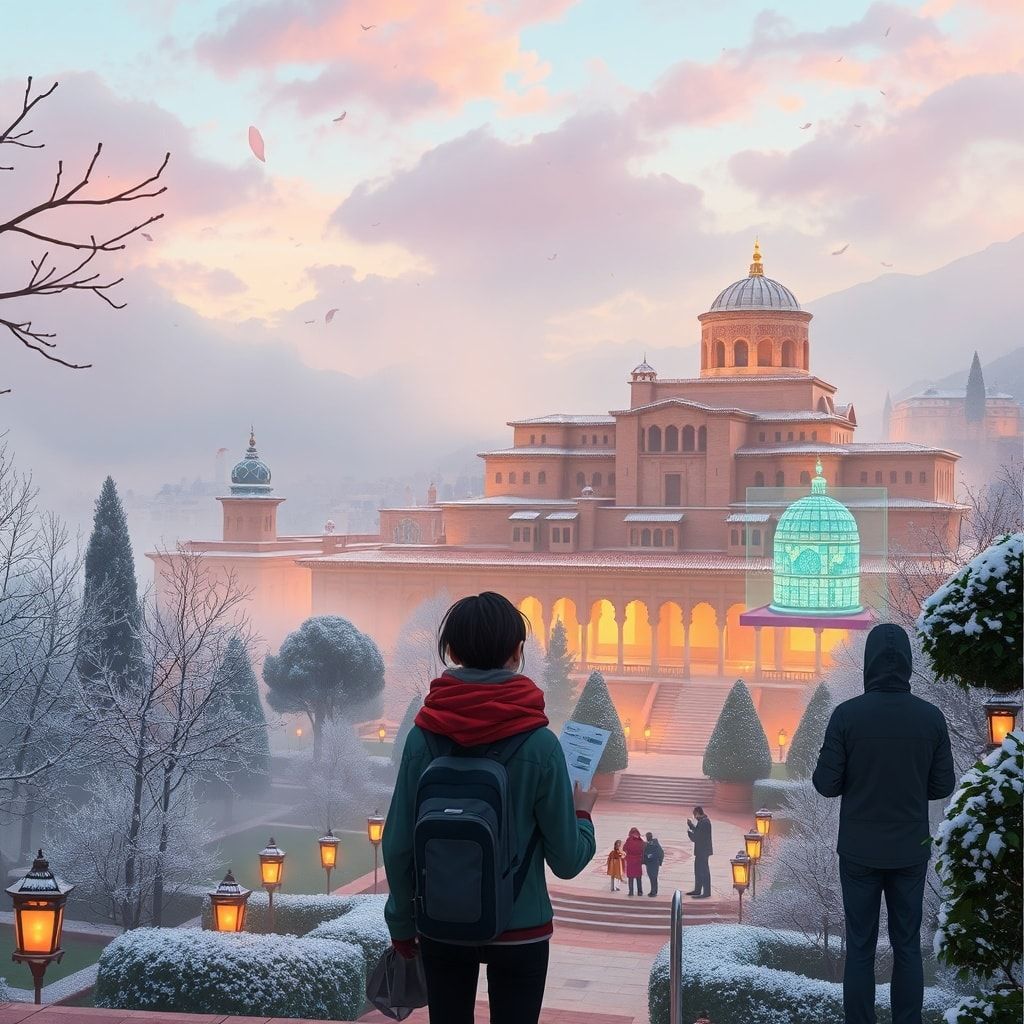
Imagine strolling through the winding, orange‑tree lined streets of Granada while a gentle chill brushes your cheeks, the early sun casts long golden shadows across the Alhambra’s marble arches, and the scent of roasted chestnuts mingles with fresh rosemary from a nearby tavern. For many travelers, February feels like a secret doorway—one that slips open for those willing to trade the summer crowds for quiet, authenticity, and a wallet that doesn’t scream for mercy. This paradox—where low temperatures amplify, rather than dampen, the city’s magnetic pull—has made “Granada in February” a recurring search term, a whispered recommendation among backpackers, solo adventurers, and budget‑savvy explorers alike.
Why does the idea of a winter visit generate such buzz? First, the city’s hallmark attractions, especially the Alhambra, remain fully operational, but the flood of day‑trippers collapses dramatically. This off‑peak lull translates into dramatically lower accommodation rates, cheaper flights, and even discounts on museum tickets that are rarely advertised during the high season. Second, the cooler climate reshapes the sensory experience: stone walls appear more tactile, the call to prayer echoing from the Nasrid palace sounds clearer against the crisp air, and the city’s famed tapas culture becomes a comforting, warm‑hearted ritual rather than a hurried snack. Finally, the psychological allure of “beating the summer rush” resonates with a growing cohort of travelers who see value not just in saving money, but in capturing moments that most tourists miss.
Yet, this very allure breeds confusion. Many assume that February means closed doors, limited nightlife, or a grey, lifeless city. Others wonder whether the savings truly offset the need for extra layers, or how to navigate a destination where locals are less accustomed to foreign faces. These questions spark endless threads on travel forums, guidebooks, and social media, creating a vibrant discussion that constantly refreshes the collective knowledge base. By unpacking the recurring patterns, motivations, and pitfalls that surface each year, we can turn the myth of the “cold‑season traveler” into a practical roadmap. Below, we’ll explore the ecosystem of ideas that make Granada in February a compelling, budget‑friendly adventure, and we’ll equip you with the mental tools to design a trip that feels both magical and financially sensible.
Why February Becomes a Strategic Travel Window
Seasonality and the Economics of Off‑Peak Travel
Tourism economics operate on a simple principle: demand drives price. In Granada, the summer months (June‑August) attract millions of visitors drawn by festivals, guaranteed sunshine, and the iconic “night of the flamingas.” Hotels, hostels, and Airbnb listings surge in price, and airlines lift fares to capitalize on the influx. February, by contrast, sits squarely in the low season. Airports report a 30‑40 % dip in passenger volume, and local businesses—restaurants, guesthouses, tourist services—lower rates to sustain cash flow. This creates a natural discount corridor that benefits anyone willing to trade a few degrees of warmth for a larger travel budget.
Climate as a Catalyst, Not a Constraint
The misconception that cold weather negates enjoyment stems from equating sunshine with activity. Granada’s Mediterranean climate in February is mild by northern standards—average highs hover around 15 °C (59 °F), while nighttime lows dip to 5 °C (41 °F). Such temperatures are ideal for exploring the city on foot without the exhaustion that often accompanies summer heat. Moreover, the cooler air sharpens scents: the perfume of orange blossoms in the Albayzín, the smoky aroma of churros frying in street vans, and the earthy perfume of rain‑kissed stone. These sensory details amplify the sense of immersion, turning a simple walk into a multi‑sensory narrative.
Crowd Dynamics and the Value of Space
When the tourist tide recedes, the city breathes. At the Alhambra, you can stand before the Court of the Lions and hear the subtle drip of water from centuries‑old fountains, an intimacy lost amid a sea of selfie‑sticks. In the Sacromonte caves, the flamenco shows are less crowded, allowing closer interaction with performers. Even the bustling Plaza Nueva feels spacious enough to pause for a coffee and watch locals engage in animated conversation. This “space advantage” is a recurring theme in traveler testimonies: the ability to linger, reflect, and truly absorb the atmosphere translates into a richer cultural payoff.
Core Strategies for Maximizing a Budget‑Friendly February Trip
Accommodation: Leveraging Low‑Season Incentives
Hostels and guesthouses often announce “winter specials” that include free breakfast, discounted city tours, or bundled tickets to major attractions. Booking platforms reveal price drops of 25‑50 % compared to peak months. For solo travelers, the communal atmosphere of hostels becomes a valuable networking tool, allowing you to swap tips, arrange shared transportation, or discover hidden eateries through word of mouth. Those traveling as couples or small groups can also benefit from off‑peak apartment rentals, which frequently include kitchen facilities, further cutting food costs.
Transport: Timing Flights and Local Mobility
Flights into Granada’s Federico García Lorca Airport are markedly cheaper in February, as airlines re‑allocate capacity from the heavily booked summer schedule. Mid‑week departures often yield the deepest discounts, while early‑morning or late‑night arrivals reduce airport fees.
Once in the city, walking remains the most economical—and rewarding—mode of transport. The historic center is compact enough to explore on foot, and winter mornings are perfect for leisurely strolls without overheating. For longer distances, such as trips to the Sierra Nevada ski resorts or the neighboring town of Ronda, regional buses and the RENFE train provide affordable, reliable service, especially when tickets are booked in advance.
Food: Harnessing the Tapas Tradition for Savings
Granada’s unique “free tapas” culture is a budgeter’s dream. Most restaurants include a small plate of tapas with any drink purchase—often a handful of olives, a slice of jamón, or a warm patty of chorizo. In February, when tourists are fewer, locals are more inclined to recommend lesser‑known taverns where the tapas are both authentic and hearty. Moreover, the cooler weather invites heartier fare: hearty stews, grilled sardines, and the iconic “pionono” dessert, all offered at modest prices.
Tickets and Attractions: Timing is Everything
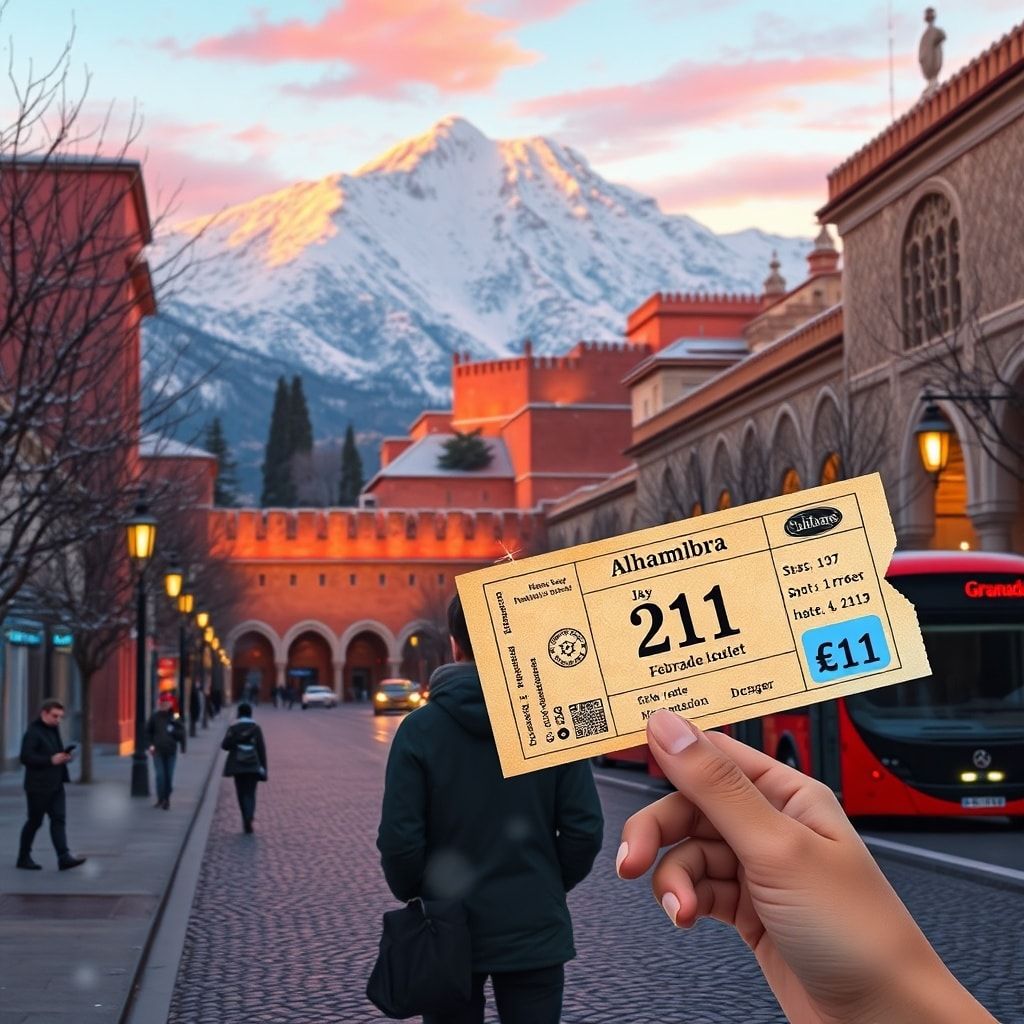
The Alhambra proves that timing can dramatically affect cost. While general admission retains a fixed price year‑round, the combination ticket (General + Nasrid Palaces + Generalife) sees a lower average queue length in February, meaning you spend less time—and less anxiety—waiting. Booking online at least a month ahead guarantees a spot and often provides a small discount coupon for future visits.
Beyond the Alhambra, museums such as the Casa-Museo de Federico García Lorca and the Granada Science Park introduce “off‑season days” with reduced entry fees or free admission for students and seniors. Keeping an eye on municipal cultural calendars helps you synchronize visits with these discounts.
Solo Travel: The Unwritten Advantages of February
Safety and Social Comfort
Granada consistently ranks as a safe European city, but the perception of safety can shift with crowd density. Fewer tourists mean fewer pickpocketing opportunities and a greater sense of personal space. For solo travelers, this reduces anxiety and creates room for spontaneous interactions with locals. Many hostels host “language exchange” evenings, called “intercambio de idiomas,” where travelers practice Spanish while locals share regional anecdotes.
Flexibility in Itinerary Design
Solo travelers thrive on flexibility, and February’s low demand provides exactly that. You can adjust plans on a whim—yes, you could spend an extra hour in the Alhambra’s Generalife gardens, or decide to join an impromptu flamenco session in a cave bar—without the worry of missing pre‑booked tours that are fully booked months in advance. This fluidity encourages deeper cultural immersion, as you can linger where interest peaks rather than dash between pre‑planned checkpoints.
Cost‑Effective Social Experiences
Budget‑focused solo travelers often seek shared experiences that don’t break the bank. Group day‑trips to the Sierra Nevada, arranged through hostels, combine transportation, a guided walk, and a shared lunch for a fraction of the cost of a private tour. Similarly, “free walking tours” operate on a tip‑only basis, allowing you to decide the value you receive based on the guide’s performance.
Challenges and How to Overcome Them
Weather Preparedness Without Overpacking
The biggest practical hurdle is balancing warmth with mobility. Layering is key: a breathable base layer, a lightweight insulating mid‑layer, and a waterproof outer shell. This ensemble lets you add or remove pieces as you walk between indoor sites (e.g., the Alhambra) and outdoor patios. Packing a compact, reusable water bottle also mitigates the tendency to overbuy bottled water, which is unnecessary in a city where tap water is safe.
Perceived Lack of Festivities
Unlike the Grand August Feria, February lacks large-scale city festivals. However, the period coincides with “Carnaval,” which in Granada manifests as discreet street parades, masquerade balls, and a revived tradition of “cortejo de flores” (flower Procession) in nearby villages. These events are smaller but authentic, offering a chance to witness local customs without the tourist‑centric commercialization typical of larger carnivals.
Language Barriers and Tourist Services
Some visitor centers operate on reduced hours, and fewer multilingual staff may be present. Mitigating this involves downloading offline maps, translation apps, and a list of essential Spanish phrases. In practice, locals appreciate attempts at conversation, and a simple “buenos días” often opens doors to helpful advice.
Integrating the February Experience into a Larger Spanish Journey
If Granada is a chapter, February can serve as the prologue to a broader Iberian adventure. Its budget‑friendly pricing creates room in your travel fund for neighboring destinations—Seville’s spring blossoms, Córdoba’s Mezquita under summer sunlight, or even a weekend in the Mediterranean coastal towns. The strategic timing also aligns with school holidays in many European countries, offering an opportunity to travel when friends or family members might be available to join future trips.
Moreover, the skills you develop—navigating off‑season logistics, mastering the art of flexible budgeting, and engaging with locals on a deeper level—are transferrable to any low‑season travel scenario. Understanding the mechanics of off‑peak tourism empowers you to replicate Granada’s February success in cities like Porto, Kraków, or Dubrovnik, each offering its own seasonal quirks and hidden savings.
Key Takeaways: A Framework for the Smart February Explorer
- Seasonality is an Asset: Low demand equals lower prices, fewer crowds, and a richer sensory experience.
- Climate Enhances, Not Hinders: Mild winter weather in Granada is ideal for walking tours and deep cultural immersion.
- Budget Levers: Accommodation specials, free tapas, off‑season ticket discounts, and shared transportation dramatically stretch euros.
- Solo Travel Synergy: Safety, flexibility, and community-driven experiences align perfectly with the February vibe.
- Preparedness Wins: Layered clothing, offline resources, and an open mindset mitigate the few challenges February presents.
Frequently Asked Questions
Is the Alhambra open in February?
Yes. All main sections—including the Nasrid Palaces and Generalife—remain fully operational during February, with shorter queues and occasional off‑season promotions.
What is the best way to find cheap accommodation?
Target hostels and guesthouses advertising “winter specials.” Booking a few weeks ahead and staying mid‑week often yields the deepest discounts. Consider shared apartments with kitchen facilities to save on meals.
Do I need a coat or can I get by with a light jacket?
Temperatures range from 5 °C (41 °F) at night to 15 °C (59 °F) during the day. A layered approach—thermal base, sweater, and a waterproof outer jacket—is ideal for comfort without overpacking.
Are there any festivals or events in February?
Granada celebrates “Carnaval” with modest street parades, masked balls, and flower processions in nearby villages. While smaller than summer festivals, they offer authentic cultural experiences.
How can solo travelers stay safe and meet locals?
Stay in reputable hostels that host language exchanges and group outings. The city’s low tourist density enhances personal safety, and locals are welcoming to travelers who speak even a little Spanish.
What foods should I try to maximize value?
Take advantage of Granada’s “free tapas” tradition—order a drink and receive a complimentary small dish. Look for hearty regional specialties like “pisto,” grilled sardines, and “pionono” dessert, which are both filling and affordable.
Can I explore nearby attractions on a budget?
Yes. Day trips to the Sierra Nevada, Ronda, or the Alpujarras are accessible via regional buses and trains. Group tours organized by hostels often operate on a tip‑only basis, keeping costs low.
Is it necessary to book tickets in advance?
For the Alhambra, booking at least one month ahead secures your preferred time slot and prevents disappointment. Many museums and cultural sites offer online booking with optional discount codes during the low season.
Conclusion
February in Granada is more than a calendar slot; it’s a strategic choice that flips the typical tourist script on its head. By embracing the off‑peak rhythm, travelers unlock lower costs, quieter streets, and a depth of experience that the bustling summer months can seldom provide. The recurring patterns—seasonal price drops, milder climate, and a heightened sense of space—form a cohesive framework that guides savvy visitors toward a richer, more economical adventure. Whether you’re a solo wanderer seeking authentic connections, a budget‑conscious backpacker stretching every euro, or simply a curious explorer yearning for a different shade of Granada’s timeless allure, the February window offers a compelling invitation. Dive into the curated resources linked earlier, apply the principles outlined here, and let the quiet magic of winter Granada transform your travel story.