
Hong Kong Budget Guide
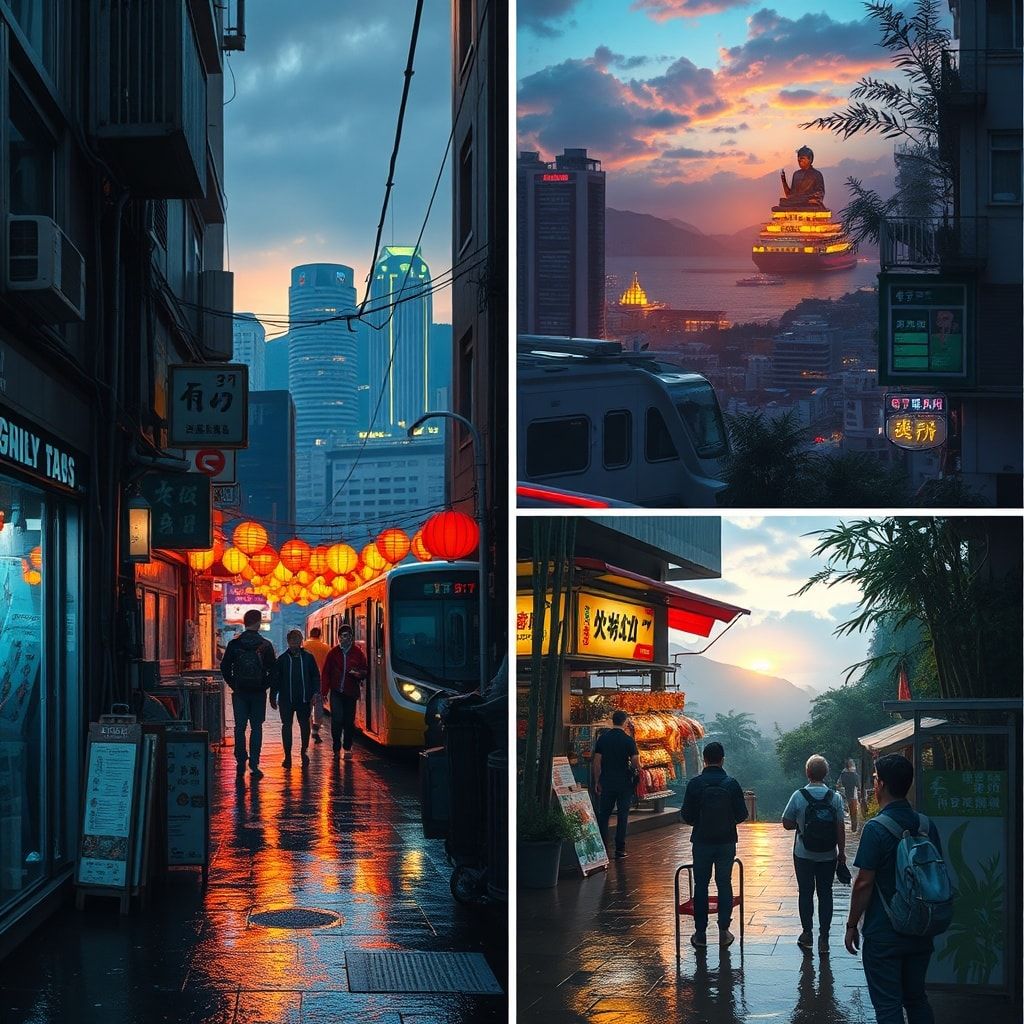
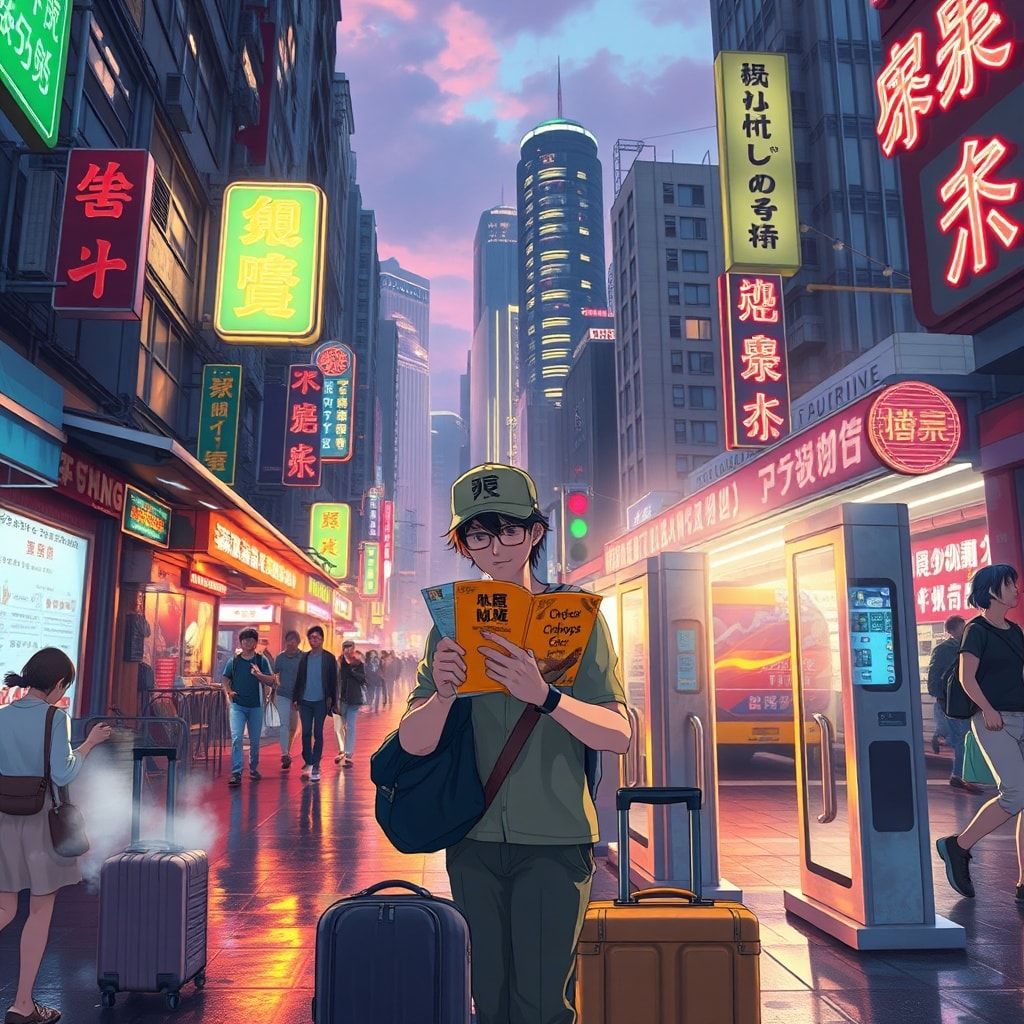
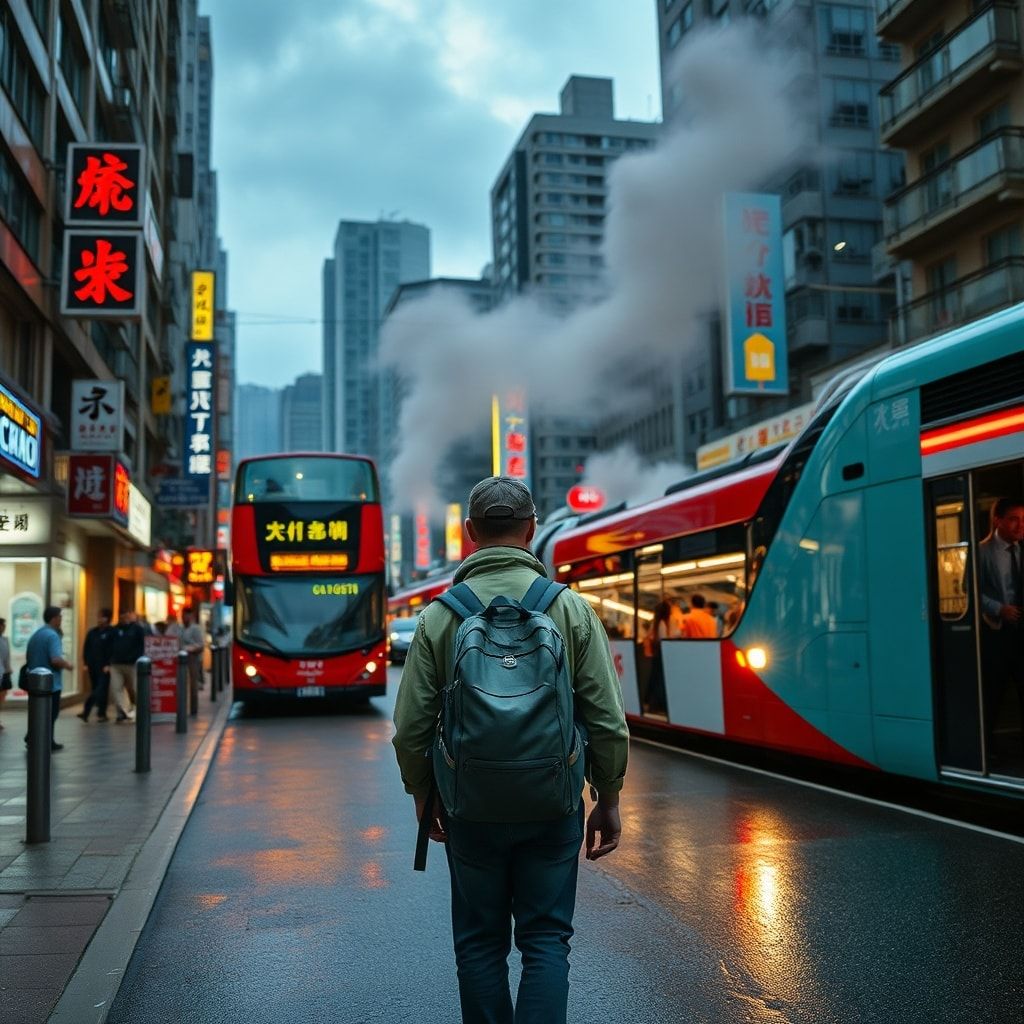
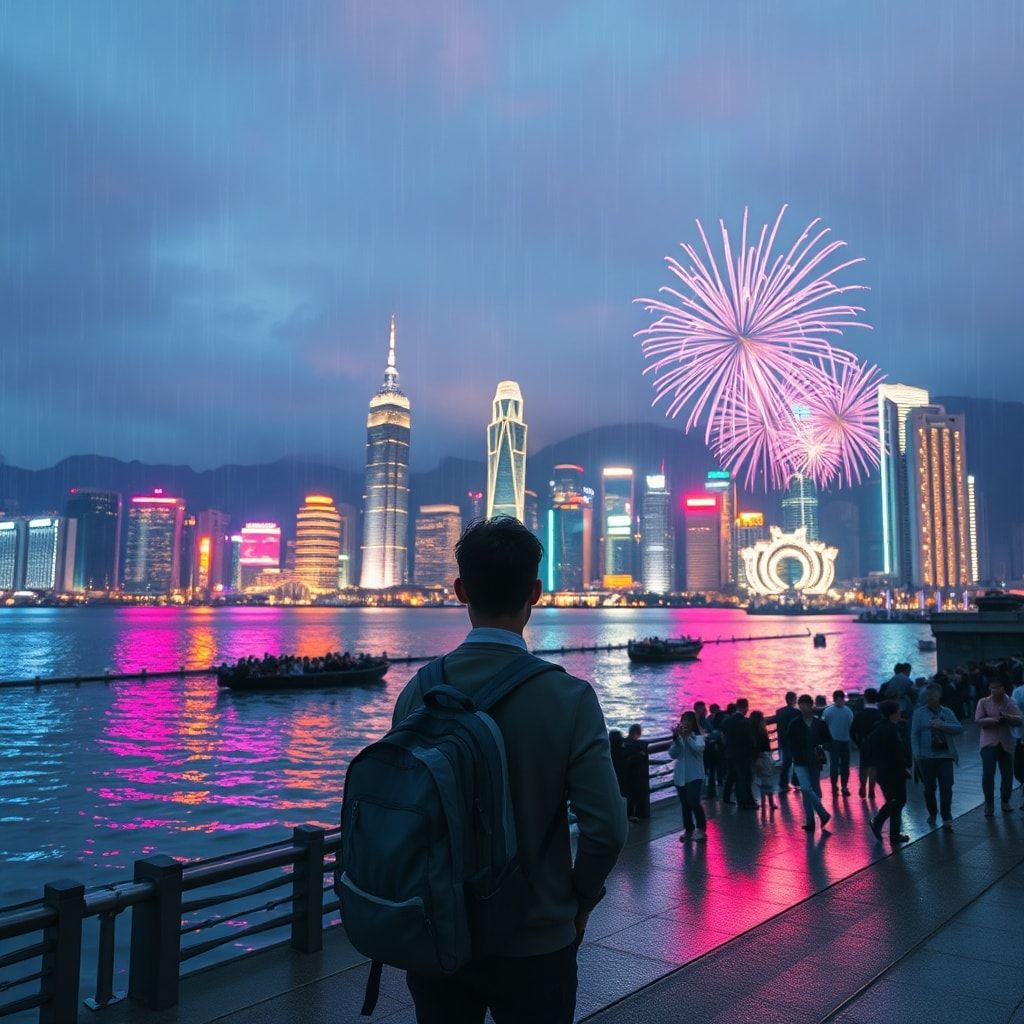
Imagine stepping out of the airport, the neon glow of Victoria Harbour flickering against a night sky, and the scent of steaming dim sum drifting from a street stall. The city beckons with promises of skyscraper‑top views, bustling markets, and world‑class cuisine—but your wallet may feel the weight of those promises all too quickly. Every year thousands of solo travelers set foot in Hong Kong, convinced they can “see the lights for free” or survive on a shoestring without “selling a kidney.” Yet the same travelers return with stories of hidden taxes, surprise transport fees, and the constant mental arithmetic of how many more meals they can afford before the next hostel night.
The allure of stretching a modest budget in a city known for luxury creates a perfect storm of curiosity and confusion. Search engines are flooded with queries like “how much does Hong Kong cost per day,” “cheap transport Hong Kong,” and “best month to visit on a budget.” Travelers are torn between the desire to experience the iconic neon jungle and the fear of a “wallet‑screaming” reality. This tension fuels endless discussions on forums, social‑media hacks, and the rise of niche guides that promise a “no‑nonsense” roadmap.
What makes budgeting in Hong Kong uniquely challenging? First, the city’s pricing structure is a patchwork of transparent public‑transport fares and opaque, event‑driven surcharges that can appear at the last minute. Second, the sheer volume of free or low‑cost attractions—temple fairs, night markets, public parks—creates a paradox where travelers must navigate a maze of options that are easy to miss. Third, seasonal shifts, especially the often‑overlooked November window, dramatically alter both weather comfort and price points, leading many to wonder when the “sweet spot” truly exists.
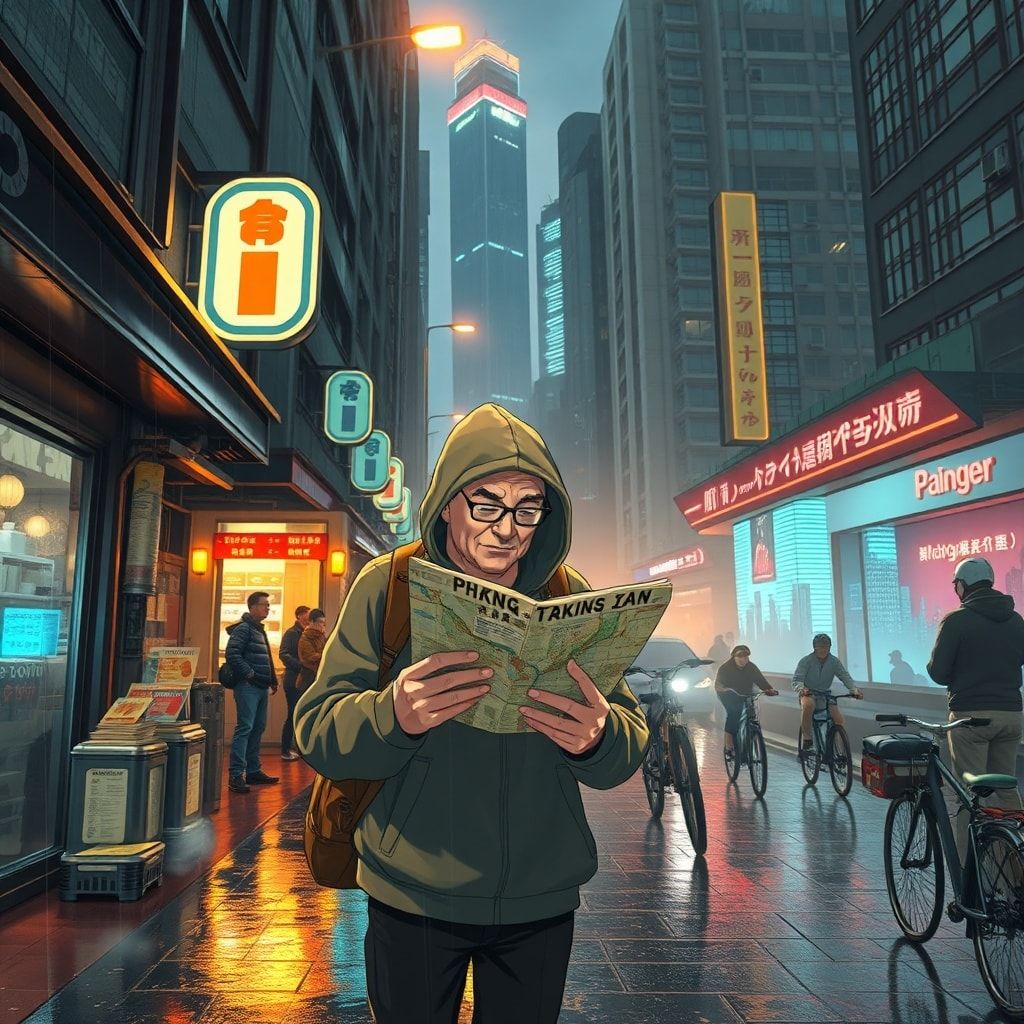
All of these questions intersect in a web of recurring themes: the art of the “budget mindset,” the tactical use of transport cards, the timing of travel, the balance between safety and frugality, and the psychology of traveling alone. Understanding these cross‑cutting ideas—not just the individual tips—offers a roadmap to mastering the Hong Kong budget landscape. Below we untangle the ecosystem that threads together every hack, safety note, and seasonal insight, giving you a framework to plan confidently, spend wisely, and still soak up every neon‑lit moment.




The Core of the Hong Kong Budget Mindset
At its heart, budgeting in Hong Kong is less about pinching pennies and more about cultivating a strategic mindset. Travelers who consistently achieve a sustainable daily spend—often quoted as $30‑$40—view each expense as a decision node that influences the next. This mindset involves three interlocking pillars:
- Prioritization. Identify the non‑negotiables (safety, transport to major districts, at least one iconic food experience) and allocate a fixed slice of the budget to them. Everything else becomes flexible.
- Optimization. Seek the most value per dollar by leveraging multi‑use tools (e.g., the Octopus card) and by bundling activities (a museum pass that also grants entry to a historic temple).
- Adaptability. Remain ready to pivot when unexpected costs arise—be it a sudden weather‑related closure or a surprise tourist tax. A buffer of 10‑15 % of the total budget is a common safety net.
This triad explains why the same phrasing—“budget mindset,” “survival guide,” “no‑nonsense”—reappears across countless articles. It is a universal framework that resonates with solo travelers, who often lack a companion to share costs or split decisions.
Transport: The Hidden Engine of Cost Efficiency
Transportation is the single category that can either make or break a Hong Kong budget. The city’s public‑transport network—MTR, buses, trams, and ferries—is world‑class, yet its fare structure is multilayered. The most common source of confusion stems from the coexistence of per‑ride fares, daily caps, and special passes.
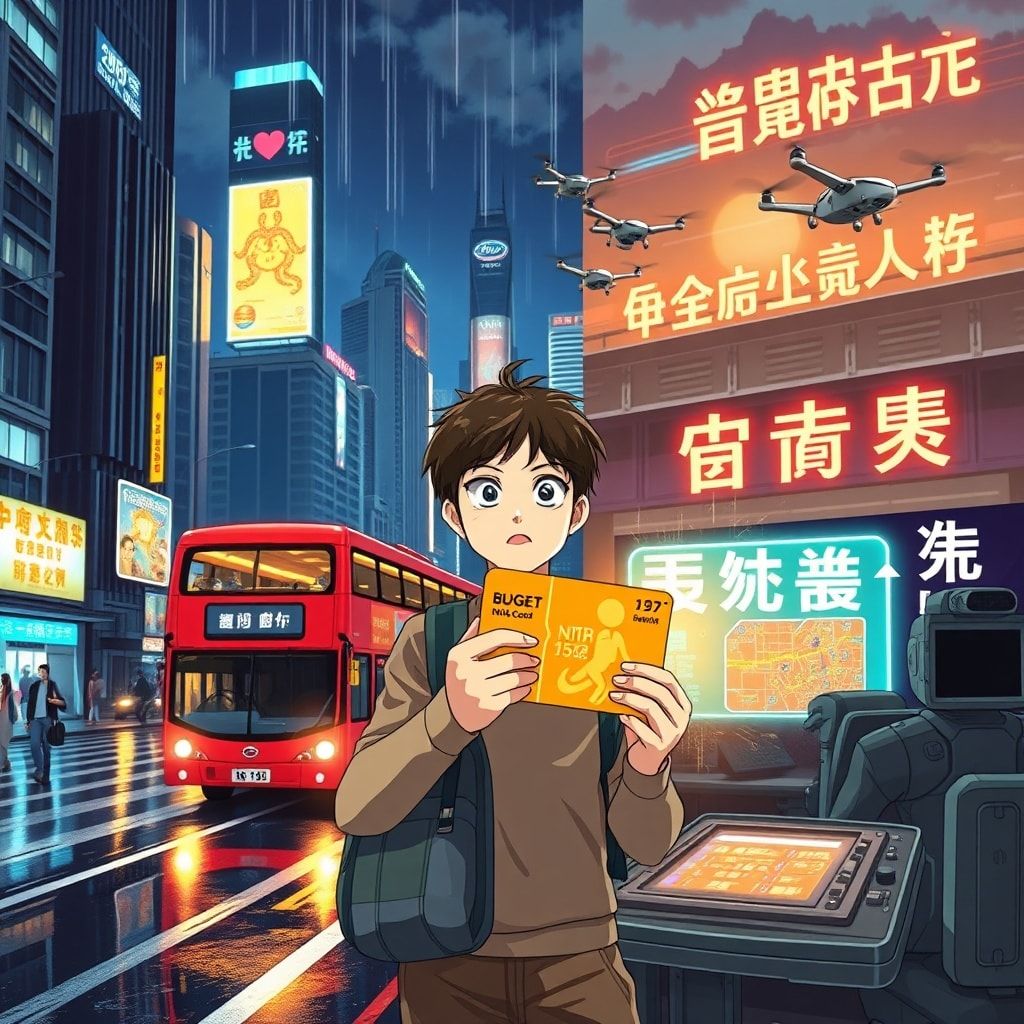
- Octopus Card. This contactless smart card is the de‑facto standard for all transit, allowing seamless transfers and automatically applying the lowest fare calculus. It also doubles as a payment method for convenience stores, vending machines, and some attractions, further consolidating cash flow.
- Day Passes. Limited‑time passes (e.g., “One‑Day Tourist Pass”) can slash costs for travelers planning intensive day trips across multiple lines. However, they are only cost‑effective when the projected number of rides exceeds the break‑even point—typically eight to ten rides.
- Express vs. Local Trains. Express services shave minutes off travel time but cost a premium. Budget travelers often accept the longer travel time of local services, turning the extra minutes into opportunities to explore neighborhoods they would otherwise miss.
The repeated emphasis on “Octopus Card Basics” and “Transport Hacks” across the article cluster reflects the reality that many first‑time visitors underestimate the cumulative impact of daily rides. Misreading a fare table or neglecting to tap out can trigger unnecessary “over‑charge” alerts, leading to the dreaded “wallet‑screaming” experience.
Accommodation Strategies for Solo Adventurers
Hostels remain the cornerstone of budget lodging, but the market has diversified with capsule hotels, budget boutique inns, and short‑term room rentals through platforms like Airbnb. The recurring pain point is the “deposit‑versus‑price” dilemma: many private rentals demand a hefty deposit that can nullify any daily savings, especially for short stays.
Key patterns emerge:
- Hostel Networks. Large hostel chains often provide loyalty discounts, free city tours, and communal kitchens—ideal for solo travelers seeking both cost savings and social interaction.
- Capsule Hotels. These micro‑rooms, especially in the bustling districts of Central and Tsim Sha Tsui, offer a compromise between price and privacy, albeit with limited amenities.
- Strategic Location. Staying a few MTR stops away from primary attractions can reduce nightly rates dramatically while still keeping commute times reasonable, especially when using the Octopus card’s transfer discounts.
These recurring accommodation insights explain why articles repeatedly warn about “hidden deposits” and “couch‑surfing safety.” Solo travelers, lacking a co‑payer, must meticulously weigh nightly costs against the flexibility of moving closer to different neighborhoods each day.
Food, Drink, and the Art of Eating Cheap Without Compromise
The culinary landscape of Hong Kong is a maze of high‑end restaurants, street‑side dai pai dong, and everyday food courts. Budget enthusiasts often gravitate toward the mantra “dim sum on a dime,” yet the reality requires a nuanced approach.
- Local Markets. Wet markets and neighbourhood supermarkets sell fresh produce at a fraction of restaurant prices. Preparing simple meals—think fried rice or noodle stir‑fry—in hostel kitchens can slash daily food costs dramatically.
- Street Food Staples. Items such as egg waffles, fish balls, and pineapple buns typically cost between HK$15‑30. Ordering a “combo” or “set meal” adds a beverage for minimal extra cost.
- Happy Hours & Set Menus. Many eateries offer discounted “early‑bird” or “late‑night” menus that include a main and a drink for under HK$50, delivering both variety and volume.
Why do articles repeatedly echo “no‑kidney” language when discussing food budgets? It is a visceral metaphor that captures the anxiety many feel when confronting a city known for culinary opulence. By demystifying the price tiers—from $5 street snacks to $200 fine‑dining experiences—the cluster empowers travelers to make conscious choices without feeling deprived.
Free and Low‑Cost Attractions: Turning the City into a Playground
Hong Kong’s most iconic experiences—its skyline, harbour views, and cultural festivals—are often free or nominally priced. The recurring phrase “see the lights for free” speaks to a core budget truth: the city provides abundant public spectacles, but they require intentional discovery.
- Victoria Peak. While the tram ride is pricey, the free walking path from the Peak Tram lower station to the Sky Terrace offers the same breathtaking vistas for a modest climb.
- Public Parks & Gardens. Kowloon Park, Nan Lian Garden, and the Hong Kong Zoological & Botanical Gardens charge no admission and provide serene escapes from the urban hustle.
- Festivals & Night Markets. Events such as the Mid‑Autumn Festival (often in November) and the Temple Street Night Market are open to the public, offering cultural immersion without entry fees.
These free‑access points are a linchpin in why the “November” season surfaces repeatedly. Autumn weather is mild, crowds thin, and many cultural events are at their peak, delivering maximum experience per dollar spent.
Seasonality: Why November Is a Hidden Budget Goldmine
While the summer months draw swarms of tourists, November presents a sweet spot where lower accommodation rates, comfortable temperatures, and a packed calendar of events converge. Travelers who time their visits to this window often report a “budget breakthrough”—the point where they can enjoy more activities without exceeding daily limits.
Key seasonal advantages include:
- Reduced Hotel Prices. With the high‑season demand waning, many hotels and hostels offer discounted rates, sometimes bundled with free breakfast.
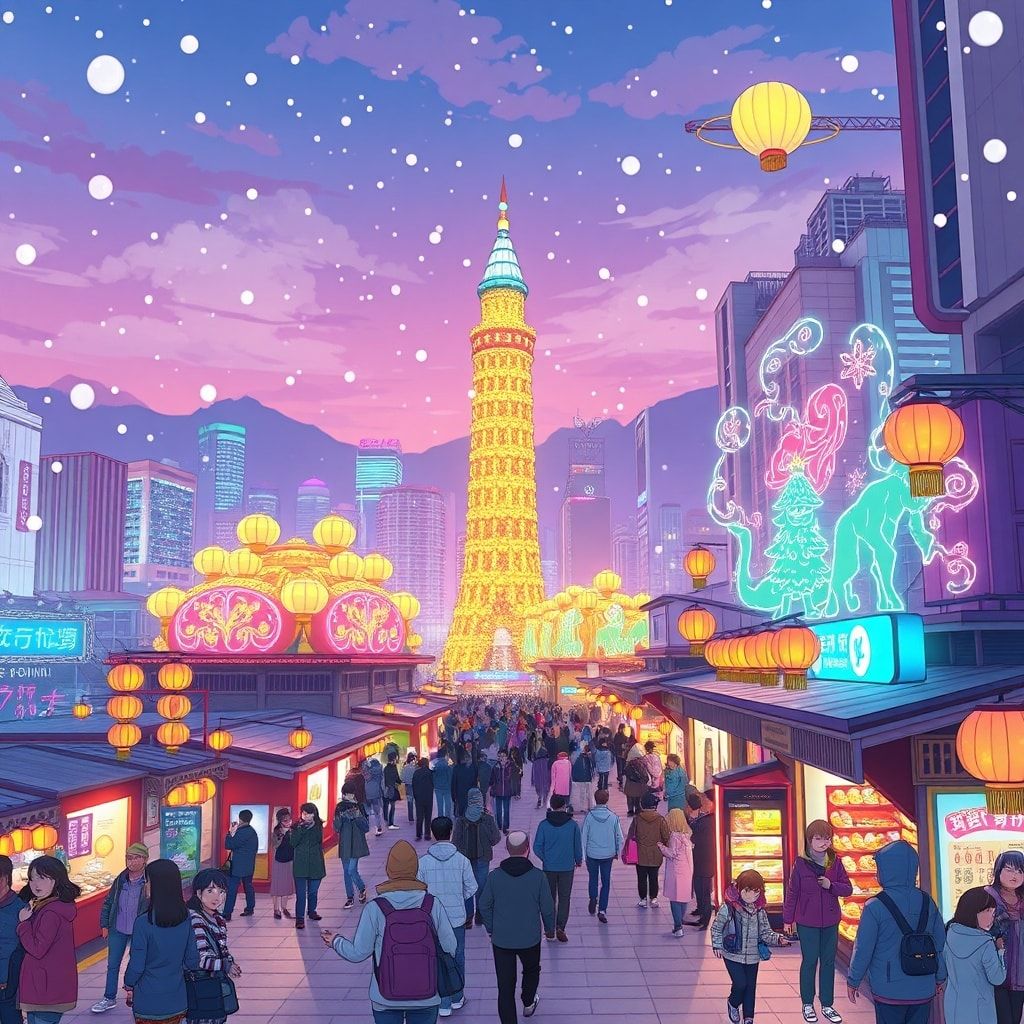
- Festive Atmosphere. Christmas markets, local lantern festivals, and the famed “Winter Night Market” provide free entertainment and unique photo ops.
- Weather Comfort. Mild temperatures reduce the need for costly air‑conditioning or heated indoor attractions, allowing travelers to spend more time outdoors.
The repeated emphasis on November across the content cluster is no accident; it encapsulates a data‑driven insight that seasonality dramatically influences overall travel cost structures.
Safety, Visa, and the Solo Traveler’s Psychological Landscape
Solo travel adds layers of complexity beyond the spreadsheet of expenses. Concerns about personal safety, visa compliance, and social isolation surface repeatedly, shaping the way budget travelers plan their trips.
- Visa Mechanics. Many travelers overlook the “single‑entry” versus “multiple‑entry” nuances of the Hong Kong visa‑free stay, leading to unexpected re‑entry fees or the need for a short‑term extension.
- Safety Tips. The “no‑kidney” metaphor also extends to safety: navigating unfamiliar neighborhoods after dark, securing belongings on crowded MTRs, and selecting well‑reviewed hostels are frequent points of emphasis.
- Community Connection. Solo travelers often seek out “travel buddy” meet‑ups in hostels or through social platforms, turning the loneliness factor into an opportunity for cultural exchange and shared costs (e.g., joint taxi rides).
The prevalence of safety‑focused language across the cluster reveals an underlying anxiety: the fear that budget constraints might force travelers into risky situations. By foregrounding reliable, low‑cost safety measures, the content ecosystem reassures readers that frugality need not compromise personal well‑being.
Why the Budget Narrative Repeats: The Psychology of Travel Hype
Repeated motifs—“hack,” “survival guide,” “no‑kidney,” “neon jungle”—are not accidental marketing fluff. They tap into two psychological drivers:
- Fear of Missing Out (FOMO). Travelers worry that cutting costs will exclude them from iconic experiences. The repeated claim of “seeing the lights for free” directly counters that fear.
- Empowerment through Knowledge. By positioning the reader as a “hacker” or “survivor,” the narrative offers a sense of control over an otherwise expensive, overwhelming environment.
This feedback loop fuels further content creation, as each new guide attempts to deliver a fresh angle on the same core promise: enjoy Hong Kong fully without financial panic. Understanding this pattern helps readers see beyond the hype and focus on the actionable strategies that truly matter.
Integrating the Pieces: A Holistic Budget Blueprint
To synthesize the recurring themes, consider the travel budget as a four‑quadrant model:
| Quadrant | Key Focus | Typical Strategies |
|---|---|---|
| Transport | Efficient movement, fare minimization | Octopus card usage, daily pass calculations, local line preference |
| Accommodation | Secure, flexible, low‑deposit lodging | Hostel loyalty programs, capsule hotels, strategic neighborhoods |
| Food & Entertainment | Maximize experience per dollar | Street food, market cooking, free attractions, off‑peak dining |
| Safety & Administrative | Legal compliance, personal security | Visa type awareness, nightlife safety, community networking |
Viewing the budget through this matrix helps solo travelers allocate resources deliberately, anticipate hidden costs, and adapt to seasonal changes. The matrix also explains why the same advice—such as “opt for Octopus card,” “stay in hostels,” “visit November”—echoes across many guides: they each address a distinct quadrant of the traveler’s financial ecosystem.
Emerging Trends and Future Considerations
As Hong Kong continues to evolve, new budget considerations arise:
- Digital Nomad Visas. Longer stays are becoming more accessible, prompting travelers to reconsider the “short‑term budget” model in favor of semi‑permanent cost structures.
- Eco‑Friendly Travel. Sustainable transport options (bicycle sharing, electric scooters) are gaining traction, offering both cost savings and environmental benefits.
- Post‑Pandemic Pricing. Fluctuating tourism taxes and health‑related fees may introduce new line items into the budget equation.
These developments will likely spawn fresh iterations of the “budget hack” narrative, reinforcing the need for a flexible, principle‑based approach rather than reliance on static checklists.
Key Takeaways for the Budget‑Savvy Solo Traveler
- Adopt a three‑pillar mindset: prioritize, optimize, stay adaptable.
- Leverage the Octopus card and understand when day passes truly save money.
- Choose accommodation that balances cost, deposit risk, and social opportunities.
- Eat smart: combine street food, market cooking, and strategic set menus.
- Exploit free attractions and schedule your trip for November to maximize value.
- Stay informed on visa rules and safety best practices to avoid hidden penalties.
- View the budget as a dynamic matrix, not a static list of tips.
Frequently Asked Questions
What is a realistic daily budget for a solo traveler in Hong Kong?
A comfortable range is HK$250–350 (approximately US$30–45) per day, covering hostels, meals, public transport, and a few paid activities. Adjust upward for special events or premium experiences.
How does the Octopus card save me money compared to buying single tickets?
The card automatically applies the lowest fare for each ride and offers transfer discounts. Over a typical day of 8–10 rides, the savings can exceed HK$20 compared to cash tickets.
When is the best time of year to visit Hong Kong on a budget?
November is often highlighted because accommodation rates dip, weather is mild, and cultural festivals provide free entertainment. Late autumn also avoids the summer peak and holiday spikes.
Which transport pass should I choose for a short‑term stay?
If you plan to make more than eight rides in a day, a one‑day tourist pass may be cheaper. Otherwise, stick with the Octopus card and pay per ride, as the daily cap is already low.
How can I find free or low‑cost attractions?
Explore public parks, free museum hours (usually on specific days), night markets, and walk the Victoria Harbour promenade. Many temples and cultural sites charge nominal entry fees, often under HK$20.
What safety precautions should solo travelers prioritize?
Keep your Octopus card and passport in separate places, use hostels with verified reviews, stay in well‑lit areas after dark, and download a local emergency app. Joining hostel social events can also provide a network of peers.
Are there hidden fees I should watch out for?
Common surprises include deposit requirements for private rentals, tourist taxes on hotel stays, and extra charges for luggage storage on certain transport lines. Always read the fine print before booking.
Can I cook my own meals to save money?
Yes. Many hostels provide shared kitchens. Buying fresh produce from local markets and preparing simple dishes like fried rice or noodle soups can dramatically reduce daily food costs.
How do I manage visa requirements without breaking my budget?
Most tourists receive a 30‑day visa‑free stay. If you need to extend, consider a short‑term visitor visa rather than a costly flight back and forth. Check the latest immigration guidelines before you travel.
What emerging trends might affect my budget planning?
Digital‑nomad visas, bike‑share schemes, and post‑pandemic tourism taxes are reshaping cost structures. Keeping an eye on official tourism board announcements can help you adjust your budget in advance.
Conclusion
Budget travel in Hong Kong is a multifaceted puzzle where transport, lodging, food, free attractions, safety, and seasonality interlock. By recognizing the recurring patterns—such as the central role of the Octopus card, the appeal of November’s off‑peak pricing, and the psychological drivers behind “hacking” the city—you can move beyond fragmented tips and adopt a cohesive strategy. This holistic view not only safeguards your wallet but also enriches your experience, allowing you to savor the neon jungle, dim sum delights, and cultural festivities without the constant dread of overspending.
Armed with the framework outlined here, you’re ready to dive into the deeper, article‑level insights that await. Explore the detailed guides, uncover hidden hacks, and craft a personalized itinerary that proves you can roam Hong Kong solo, safely, and on a shoestring—without ever having to sell a kidney.