
Mexico City Solo Guide
Imagine stepping onto a vast, colorful canvas where every alleyway bursts with music, every plate of tacos tells a story, and neon-lit plazas pulse with the rhythm of a city that never truly sleeps. For many, Mexico City is the ultimate solo‑travel playground—a place where adventure and affordability intersect in a way that feels almost cinematic. Yet, that very allure brings a swirl of questions: How far will my peso stretch? Which neighborhoods feel safe after dark? What strategies prevent a budget‑blowout on a spontaneous night market? These dilemmas are why travelers, especially women traveling alone, keep returning to the same queries, forums, and guide‑posts, hunting for the perfect balance between thrill and prudence.
Search engines light up with phrases like “Mexico City solo budget,” “female solo traveler safety tips Mexico City,” and “how much does a day in Mexico City cost.” The repeated spikes reveal two core motivations. First, the desire to experience a world‑class metropolis without breaking the bank—Mexico City offers world‑renowned museums, historic sites, and street food that can be enjoyed for a fraction of the price of other capitals. Second, there’s an undercurrent of caution: solo female travelers often weigh the excitement of independence against the reality of navigating a megacity where language barriers and unfamiliar customs can feel intimidating.
What fuels these recurring searches is not a lack of information, but an overload of fragmented advice. One article might boast the cheapest hostels in Roma Norte, another warns about late‑night taxis in Iztapalapa, while a third breaks down the cost of public transit versus rideshares. The result? A patchwork of tips that, when taken in isolation, can leave a traveler either over‑prepared or under‑protected. This is where a holistic view becomes essential—understanding the ecosystem of budgeting, safety, and cultural immersion as interconnected pieces rather than disjointed checklists.
This hub page is designed to weave those strands together. Below you’ll find a deep dive into the recurring themes that shape solo travel in Mexico City, the common challenges that surface, and the mental frameworks that empower travelers to turn a single peso into a week‑long adventure. Whether you’re a first‑time solo explorer or a seasoned wanderer tweaking your itinerary, the insights here will help you see the bigger picture before you set foot on the bustling streets.

The Budget Mindset: Turning Every Peso Into an Experience
At the heart of every solo trip to Mexico City lies a budgeting mindset—a way of thinking that treats money not as a constraint but as a tool to shape experiences. Travelers repeatedly circle back to three foundational pillars: cost awareness, strategic allocation, and flexible planning.
Cost Awareness: Knowing the Real Price of Everyday Essentials
Visiting a city with a vibrant street‑food culture can give the illusion that meals are universally cheap. However, recurring data points from multiple guides show that while a taco al pastor can be as low as 15 MXN, a sit‑down dinner in Condesa may easily exceed 300 MXN. The same pattern appears with transportation: a single‑ride metro ticket is a few pesos, but a back‑to‑back night out involving rideshares can spike costs dramatically. Understanding these price gradients helps travelers set realistic daily budgets rather than relying on a single “average cost” figure.
Strategic Allocation: Prioritizing What Matters Most
Solo travelers often wrestle with the “what to splurge on” decision. Repeatedly, successful itineraries allocate a larger share of the budget to experiential anchors—tickets to the Frida Kahlo Museum, a guided walk through Templo Mayor, or a night of live mariachi in Plaza Garibaldi—while economizing on interchangeable items like accommodation or meals. This allocation strategy aligns with the psychological principle of “peak‑end,” where memorable high points disproportionately shape overall satisfaction.
Flexible Planning: Building a Buffer for the Unexpected
One of the most cited pitfalls is the lack of a financial safety net. Travelers who leave a 10‑15 % cushion in their daily allowance can absorb sudden expenses such as a missed train, a last‑minute hostel upgrade, or an impromptu cultural event. This buffer not only protects the wallet but also reduces anxiety, enabling a more spontaneous and authentic experience.
Safety as a Structured Framework, Not an Afterthought
Safety repeatedly emerges as the second dominant theme, especially for solo female travelers. The conversation shifts from vague warnings (“avoid certain neighborhoods after dark”) to a structured safety framework composed of four interlocking components: information gathering, situational awareness, connection building, and preparedness.
Information Gathering: Mapping the Safe Zones
Instead of treating the city as a monolithic entity, seasoned solo travelers segment Mexico City into zones—Roma, Condesa, Polanco, Coyoacán, and Centro Histórico—each with distinct safety profiles. The consistent advice is to establish a “home base” in a well‑reviewed neighborhood that offers reliable public transport, nearby 24‑hour cafés, and a reputable hostel or Airbnb. From this hub, day trips can radiate outward, minimizing the need for late‑night travel across unfamiliar districts.
Situational Awareness: Reading the Urban Pulse
Common patterns highlight the importance of reading body language, crowd dynamics, and street lighting. For instance, bustling markets during daylight are generally safe, whereas empty streets after midnight may warrant extra caution. Travelers who adopt a “check‑in” habit—briefly assessing surroundings before entering an alley or boarding a bus—tend to avoid unwanted attention.
Connection Building: Leveraging Local Networks
Unlike the myth that solo travel is inherently isolating, repeated narratives reveal that forging micro‑connections—chatting with hostel staff, joining community tours, or using language‑exchange apps—creates a safety net of local allies. These connections often provide real‑time intel on safe routes, reliable taxi services, and even friend‑like companionship for a museum visit.
Preparedness: Tools and Tactics for Quick Action
Practical preparedness includes downloading offline maps, saving emergency numbers (including the local “311” for non‑emergency police assistance), and carrying a modest amount of cash split across multiple locations. Many travelers also recommend a discreet “safety card” with essential phrases in Spanish, the address of the accommodation, and a contact person back home.
Cost Categories: Breaking Down the Budget into Manageable Segments
Another recurring structural pattern is the compartmentalization of expenses into clear categories. This segmentation not only simplifies planning but also highlights where trade‑offs can be made without compromising the overall experience.
Lodging
Hostels in the historic center and shared Airbnb apartments dominate the “budget-friendly” recommendations. The key differentiator is “location versus amenity.” A hostel a few blocks from a metro station may cost less than a boutique hotel within walking distance of museums, but the savings in travel time can be worth the modest price increase.
Food & Drink
Street food stalls, local markets, and “taquerías” consistently appear as the most cost‑effective nourishment sources. A recurring tip is to eat where locals eat—often signposted by crowded tables and the aroma of sizzling meat. For those craving a sit‑down meal, pre‑priced “menú del día” options (typically 120‑180 MXN) provide a balanced mix of protein, carbs, and a beverage.
Transportation
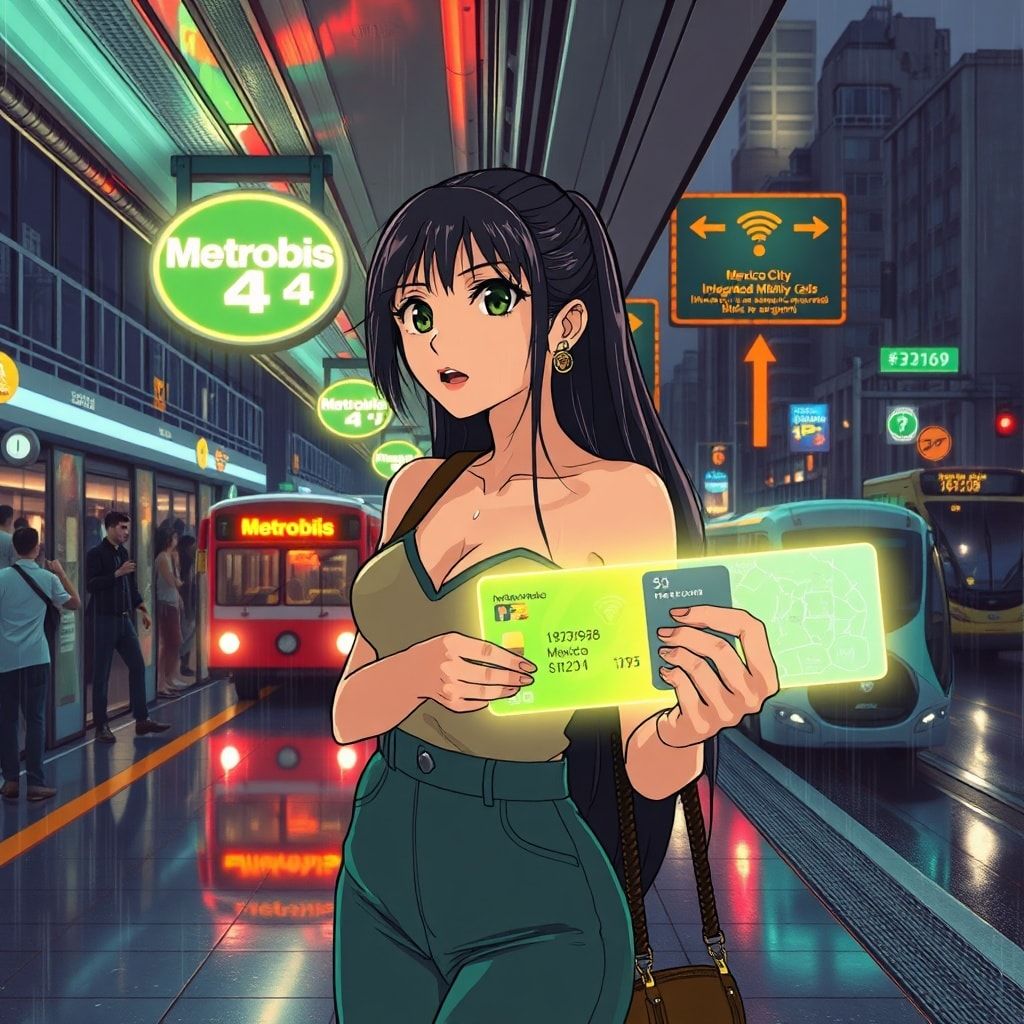
The Metro and Metrobús systems form the backbone of affordable mobility. A single‑ride ticket costs roughly 5 MXN, while a 24‑hour pass is about 30‑35 MXN, allowing unlimited rides—an ideal choice for explorers planning multiple stops in a day. Ride‑hailing apps remain useful for late‑night travel, but the recommendation is to compare the estimated fare with the standard taxi rate to avoid overcharges.
Culture & Activities
Free or low‑cost cultural experiences—walking tours of murals, entrance to public parks, and museum “free Sundays”—are highlighted across many writings. Paid attractions, such as the National Museum of Anthropology or a boat ride in Xochimilco, can be strategically slotted into days with a higher budget allowance, ensuring that the overall daily spend remains balanced.
Common Misconceptions and How They Shape Traveler Decisions
Repeated misunderstandings surface in the cluster, often steering travelers toward either over‑cautious avoidance or reckless spontaneity.
Myth: “Mexico City is Dangerous for Women Everywhere.”
While safety concerns are valid, the blanket statement ignores the nuanced reality that crime rates vary dramatically by neighborhood and time of day. The discourse is shifting toward data‑driven insights—using crime maps and community reports—to make informed decisions rather than succumbing to blanket fear.
Myth: “Budget Travel Means Skipping All Comforts.”
Another pervasive belief is that traveling on a shoestring precludes comfort. In practice, seasoned solo travelers blend budget choices with occasional splurges—such as a night in a boutique hostel with private bathrooms—creating a rhythm of “budget‑plus‑comfort” that sustains morale over longer trips.
Myth: “You Must Speak Spanish Fluently to Navigate the City.”
Language barriers do exist, but the repeated advice emphasizes that a handful of key phrases—greetings, “how much?,” “where is…?”—combined with a translation app can bridge most gaps. Moreover, many service workers in tourist‑heavy districts speak basic English, reducing the pressure to achieve fluency before arrival.
Strategic Planning Stages: From Pre‑Trip to Post‑Trip Reflection
Most successful solo journeys follow a four‑stage planning cycle that recurs across the literature.
Stage 1: Research & Goal Setting
Travelers define their primary motives—cultural immersion, culinary exploration, or artistic discovery—and align them with realistic budget parameters. Tools like cost‑calculator spreadsheets and travel forums help crystallize these goals.
Stage 2: itinerary Drafting
A flexible day‑by‑day outline, with “must‑see” landmarks and optional activities, provides structure while preserving spontaneity. The common practice is to block “core” days (museum visits, historic tours) and leave “buffer” days for unplanned discoveries.
Stage 3: Execution & Real‑Time Adjustment
On the ground, travelers monitor actual expenses against their projected budget, adjusting meals, transport, or activities accordingly. Real‑time adjustments are facilitated by mobile banking alerts and expense‑tracking apps.
Stage 4: Reflection & Knowledge Sharing
Post‑trip, many solo explorers document their experiences, focusing on lessons learned about budgeting hacks, safety practices, and cultural etiquette. This feedback loop enriches the broader community, fueling the recurring cycle of shared knowledge.
Empowerment Through Solo Travel: The Psychological Payoff
Beyond the tangible logistics, a recurring theme is the personal growth that stems from navigating a megacity alone. Studies and anecdotal evidence converge on three psychological benefits: heightened confidence, improved problem‑solving skills, and a deeper sense of cultural empathy. The act of budgeting rigorously, negotiating transport, and making safety decisions cultivates a proactive mindset that many travelers carry into subsequent journeys and even into their professional lives.
Key Takeaways for the Savvy Solo Adventurer
- Adopt a budgeting mindset that sees money as an enabler, not a limiter. Break expenses into categories and allocate a flexible buffer.
- Structure safety as a framework—research neighborhoods, stay aware, build local connections, and prepare practical tools.
- Leverage affordable cultural experiences through free museum days, street‑food tours, and public spaces.
- Debunk myths by seeking data‑driven insights rather than relying on generalized fear or misconceptions.
- Plan in stages, allowing room for spontaneity while maintaining financial control.
- Embrace the empowerment that comes from navigating a vibrant, complex city on your own terms.
Frequently Asked Questions
- How much money should I budget per day for a solo female traveler in Mexico City?
- Most travelers find a comfortable range between 800 MXN and 1,200 MXN per day, covering accommodation, meals, transport, and modest entry fees. Adjust upward for evenings out or special experiences, and always keep a 10‑15 % buffer for unforeseen expenses.
- Which neighborhoods are safest for solo female travelers staying overnight?
- Roma Norte, Condesa, and Polanco consistently rank high for safety, walkability, and access to public transit. Each offers numerous hostels, cafes with 24‑hour Wi‑Fi, and a vibrant street scene that feels welcoming after dark.
- Is it better to use the Metro or rideshare apps for getting around at night?
- During daylight hours, the Metro and Metrobús are the most economical options. After dark, rideshare apps like Uber or DiDi provide a safer, door‑to‑door service, especially in less‑populated areas. Compare the app’s estimate with the local taxi rate to avoid overcharging.
- Can I rely on English to get by in Mexico City?
- In tourist‑centric zones, many staff members speak basic English. However, learning a handful of Spanish phrases—such as “¿Cuánto cuesta?” (How much?), “¿Dónde está…?” (Where is…?)—and using a translation app significantly smooths interactions.
- What are the best ways to save on food without compromising on the local experience?
- Prioritize street‑food stalls, market stalls, and “taquerías” where locals line up. Look for “menú del día” offers in modest restaurants, and buy fresh fruit from markets for snacks. This approach delivers authentic flavors at a fraction of the price of tourist spots.
- How can I create a safety net without carrying large amounts of cash?
- Divide cash into three portions: one in a hidden travel pouch, another in your daypack, and a small amount on a separate card or in a mobile payment app. Keep a digital copy of important documents and emergency contacts on a secure cloud service.
- Should I purchase travel insurance specifically for solo female travelers?
- Travel insurance that covers medical emergencies, trip interruption, and personal belongings is advisable for any solo traveler. Look for policies that also include assistance with lost documents and 24‑hour helplines, which can be especially reassuring for solo female adventurers.
- Is it possible to experience the city’s cultural highlights on a shoestring budget?
- Yes. Combine free attractions (public parks, street murals) with a few paid experiences (Museum of Anthropology, Xochimilco boat ride). Use the free “sundays” policy at many museums and schedule activities around discounted “menú del día” lunch periods.
Conclusion
Traveling solo in Mexico City is less a puzzle of isolated tips and more a tapestry of interwoven strategies—budgeting with intention, structuring safety as a dynamic practice, and embracing the city’s cultural wealth without surrendering comfort. By recognizing the recurring patterns that shape successful journeys—cost categorization, safety frameworks, myth‑busting, and staged planning—travelers can move beyond surface‑level advice and craft a personalized roadmap that feels both secure and exhilarating.
The ecosystem of solo travel knowledge continues to evolve as adventurers share their triumphs and setbacks. Mastering this ecosystem equips you not only for a memorable Mexican escapade but also for future explorations where confidence, resourcefulness, and curiosity will serve as your most valuable currencies.
Ready to dive deeper? Explore the curated collection of articles below to uncover detailed budgets, safety checklists, and neighborhood guides that will turn these overarching concepts into actionable steps for your own Mexico City adventure.