
One Piece Swordsmen Guide
Every fan who has ever set foot on the Grand Line knows that the clash of blades is as much a story‑telling device as it is a spectacle. From the moment Roronoa Zoro first unsheathed his three swords, readers have been haunted by a single, ever‑shifting question: who truly reigns as the strongest swordsman in One Piece? The answer isn’t static. It morphs with each new chapter, each fresh revelation about Haki, each surprise cameo from a long‑forgotten duelist. This fluid hierarchy fuels endless debates on forums, sparks heated arguments at conventions, and even seeps into the World Government’s bounty board, where the weight of a swordsman’s reputation can tip the balance of power.
What makes the swordsmen debate so magnetic is its blend of concrete metrics and subjective lore. On one hand, you have quantifiable data—bounty amounts, visible Haki mastery, the sheer size of a swing. On the other, you have narrative weight: the symbolism of a character’s scar, the mythic status earned through decades of storytelling, and the way Oda‑san weaves personal growth into each clash. Readers return again and again, not just to verify who’s currently “on top,” but to understand the underlying systems that decide those rankings.
Complicating matters further, the series constantly introduces new rivals, upgrades existing abilities, and redefines what “strength” means. The arrival of a new pirate captain with an unprecedented sword technique, the evolution of Zoro’s three‑blade style, or a sudden power‑up in Haki can instantly overturn the previous order. Add the broader political backdrop—where the World Government’s machinations can elevate or suppress a swordsman’s renown—and the discussion becomes a labyrinth of cause and effect.
This guide doesn’t aim to name the definitive “best” swordsman. Instead, it maps the ecosystem that fuels the debate: the criteria fans use to rank combatants, the narrative tools that shape those criteria, and the recurring patterns that appear every time a new arc reshapes the blade‑filled landscape. By grasping these foundations, you’ll be equipped to navigate the countless articles, rankings, and fan theories that orbit the swordsmen of One Piece, and you’ll see why the conversation never truly ends.


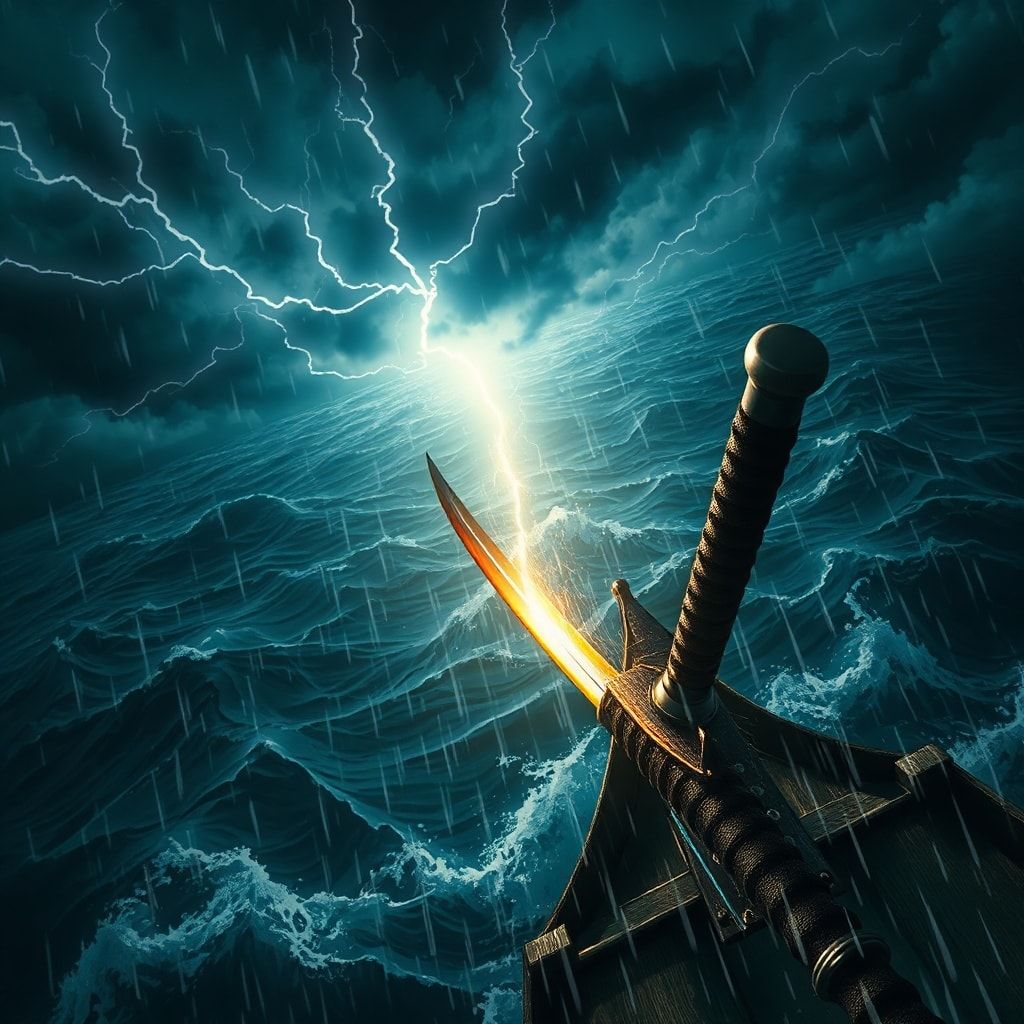

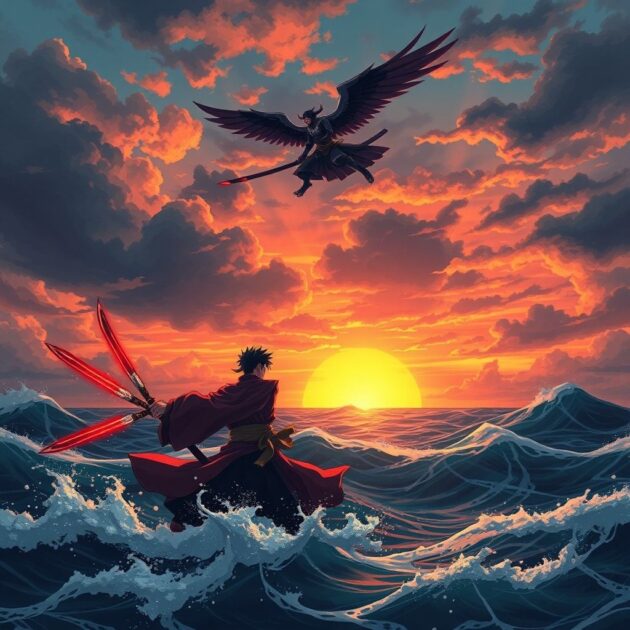
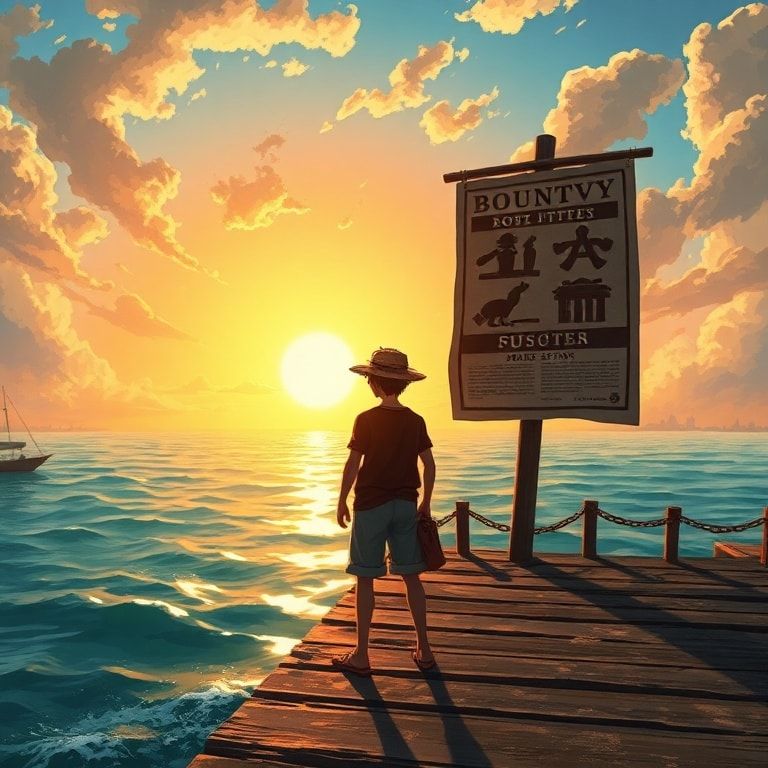


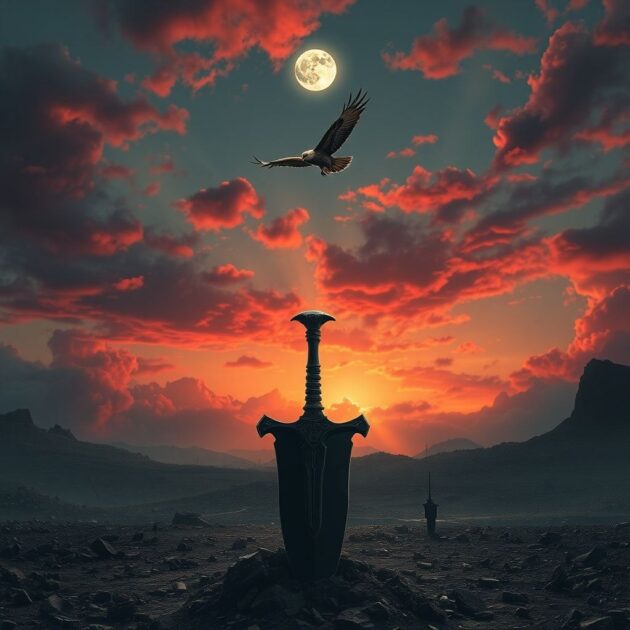

Understanding the Swordsmen Ecosystem
1. The Core Metrics of Blade Power
Fans universally gravitate toward a set of measurable benchmarks when assessing a swordsman’s prowess. These include:
- Bounty and Reputation: While not a direct power indicator, a high bounty often reflects a combination of threat level and notoriety, both of which influence a swordsman’s standing.
- Haki Development: Observation Haki (Kenbunshoku) for anticipatory strikes, Armament Haki (Busoshoku) for hardening blades, and the rare Conqueror’s Haki (Haoshoku) which can subdue opponents without a single blow.
- Sword Technique: The complexity and originality of a combat style—whether it’s Zoro’s Santoryu, Mihawk’s precision, or a newcomer’s unorthodox forms—adds layers to raw power.
- Physical Attributes: Strength, speed, endurance, and the ability to wield multiple blades simultaneously.
These metrics rarely exist in isolation. A swordsman may possess a massive bounty but lack Haki mastery, or vice versa. The interplay between them creates the fertile ground for debate.
2. Narrative Weight vs. Mechanical Might
One Piece isn’t a pure power‑scaling series; it balances narrative significance with combat capability. A character’s backstory, personal resolve, or thematic role can elevate their perceived strength beyond what statistics suggest. Zoro’s relentless pursuit of the “Pirate King’s right hand” and his scar‑laden history, for example, give his growth a mythic resonance that often overshadows newer, technically stronger foes.
Conversely, characters like Dracule Mihawk carry an aura of inevitability—his title as “World’s Strongest Swordsman” is as much a narrative promise as a factual claim. This duality causes fans to split between “who can technically win in a fight” and “who embodies the ultimate swordmaster archetype.”
3. The Ever‑Shifting Power Scale
Each new story arc acts as a catalyst for recalibrating the swordsmen hierarchy. The introduction of new Haki techniques, the revelation of a swordsman’s lineage, or an unexpected power‑up can instantly re‑order rankings. The pattern is consistent:
- Arc Introduction: A fresh conflict drops a new swordsman or upgrades an existing one.
- Demonstration Phase: The character showcases their abilities, often in a high‑stakes duel.
- Community Reaction: Fans dissect the duel, comparing it to previous benchmarks and adjusting their mental rankings.
- Meta‑Adjustment: Subsequent chapters either reinforce or challenge the new placement, perpetuating the cycle.
This loop explains why rankings published at the end of one arc can become obsolete within weeks, keeping the conversation alive and dynamic.
4. The Role of the World Government and Politics
The Swordmasters don’t exist in a vacuum. Their standing is heavily influenced by the overarching political landscape. The World Government’s intent to suppress or co‑opt powerful swordsmen adds an extra dimension to their perceived strength. A swordsman’s ability to operate under the radar, evade the Marines, or align with influential figures can either amplify or diminish their influence, regardless of raw combat skill.
This political layer often fuels arguments about “real power” versus “public perception.” A swordsman may be technically inferior but wield substantial sway through connections, making the debate about pure strength versus strategic importance.
5. Cross‑Series Comparisons and the Broader Anime Context
Fans regularly drag swordsmen from other anime into the One Piece conversation, creating a meta‑ranking that stretches beyond the series itself. Comparisons with characters such as Guts (Berserk), Kirito (SAO), or even protagonists from unrelated series highlight two recurring patterns:
- Universal Blade Archetypes: Many anime swordsmen share motifs—relentless training, a personal vendetta, a signature weapon—that make cross‑overs intuitive for fans.
- Power‑Scale Translation: Viewers attempt to map One Piece’s unique power system (Haki, Devil Fruit, Devil Fruit “Can’t Swim” weakness) onto other universes, often leading to heated debates about equivalency.
These cross‑series dialogues reinforce the notion that swordsman debates are as much about cultural perception as they are about in‑world mechanics.
6. The Persistent Debate: Zoro vs. Mihawk
At the heart of the swordsmen discourse lies the rivalry between Zoro and Mihawk. This recurring duel serves as a case study for several broader patterns:
- Legacy vs. Current Strength: Mihawk holds the title of “World’s Strongest Swordsman,” a legacy that persists even as Zoro closes the gap with new Haki feats.
- Story Arc Milestones: Their confrontations often act as narrative milestones, signalling Zoro’s progression and the series’ willingness to shift power dynamics.
- Fan Partitioning: The community consistently bifurcates into “Zoro supporters” and “Mihawk loyalists,” each citing different criteria—future potential versus established might.
This rivalry exemplifies why the swordsmen hierarchy is rarely a static list; it is a living, story‑driven debate that evolves with each chapter.
7. Methodologies Behind Rankings
When fans create ranking lists—whether top 5, top 7, or comprehensive power scales—they typically follow a shared methodology:
- Data Collection: Compile in‑canon evidence: duel outcomes, Haki displays, bounty figures, and explicit statements from Oda‑san.
- Weight Assignment: Determine the relative importance of each metric (e.g., Haki often outranks raw physical strength).
- Contextual Analysis: Factor in the scenario (environment, opponent’s abilities, narrative stakes) to avoid misinterpretation of isolated feats.
- Consensus Building: Cross‑reference fan theories, expert opinions, and official sources to refine the list.
Understanding this framework helps readers evaluate the credibility of any ranking they encounter, and explains why different lists can coexist while still being “valid” within their own assumptions.
8. The “Can’t Swim” Weakness and Its Impact
One recurring thread is the interplay between a swordsman’s raw power and the series‑wide Devil Fruit “Can’t Swim” limitation. While swordsmen rarely rely on Devil Fruit abilities, the weakness becomes a tactical factor when they face opponents whose powers revolve around water or sea‑based attacks. This creates a secondary tier of analysis—how a swordsman mitigates or exploits the inherent vulnerability of being a non‑Devil Fruit user.
9. The Future of the Blade Hierarchy
Looking ahead, several trends suggest how the swordsmen ecosystem may evolve:
- Emergence of New Pirate Captains: Fresh blood with unique sword styles could challenge existing hierarchies, especially if paired with advanced Haki.
- Integration of Advanced Haki Techniques: As Oda‑san reveals higher‑level Haki (e.g., advanced Conqueror’s Haki), the gap between legendary swordsmen and rising talents may narrow.
- Political Shifts: If the World Government’s influence wanes or intensifies, swordsmen aligned with or opposed to it may see their status fluctuate dramatically.
These variables ensure that the conversation will remain vibrant, with each new chapter providing fresh data points for analysis.
Frequently Asked Questions
- What criteria should I use when ranking One Piece swordsmen?
- Focus on a blend of in‑canon evidence (duel outcomes, Haki demonstration, bounty), narrative significance, and contextual factors such as the battle environment and opponent capabilities.
- Why does Zoro’s ranking change so frequently?
- Because Zoro’s power grows incrementally with each arc—new Haki levels, upgraded swords, and tougher opponents—making his standing a moving target within the hierarchy.
- How does Haki affect a swordsman’s rank compared to pure physical strength?
- Haki, especially Armament and Observation, multiplies a swordsman’s effectiveness by allowing them to bypass natural defenses and anticipate attacks, often outweighing raw strength alone.
- Can a swordsman without Haki still be considered among the strongest?
- Yes, if they possess exceptional technique, strategic ingenuity, or a legendary reputation that compensates for the lack of Haki, though they will generally rank lower than Haki‑enhanced peers.
- Why do fans compare One Piece swordsmen to characters from other anime?
- Because sword mastery is a recurring archetype across anime, and cross‑series comparisons help fans explore universal themes of skill, determination, and growth, while also testing the limits of One Piece’s power system.
- Does the World Government’s stance influence a swordsman’s power perception?
- Indirectly, yes. Government recognition or suppression can affect a swordsman’s bounty, public image, and access to resources, all of which shape fan perception of their overall strength.
- How does the “Can’t Swim” weakness factor into sword fights?
- It forces swordsmen to adapt when facing water‑based abilities, emphasizing the need for strategic positioning, support from crew members, or the use of Haki to mitigate this vulnerability.
- Will Zoro ever officially surpass Mihawk?
- The series hints at a future showdown, but the answer hinges on narrative direction, upcoming Haki revelations, and how Oda‑san chooses to balance legacy titles with character growth.
Conclusion
The world of One Piece swordsmen is a living tapestry of power metrics, narrative weight, political intrigue, and fan passion. By dissecting the core criteria—bounty, Haki, technique, and story relevance—and recognizing the cyclical patterns that emerge with each new arc, readers gain a framework to decode every ranking, debate, and analysis they encounter. This understanding not only clarifies why discussions flare up but also equips you to evaluate future developments with a critical eye.
Whether you’re a long‑time pirate veteran or a newcomer eager to grasp the blade‑filled hierarchy, the ecosystem explored here offers the tools to navigate the ever‑evolving debate. Dive deeper into the linked resources above to see how individual perspectives apply these principles, and stay tuned as the Grand Line continues to produce fresh challenges that will reshape the swordsmen landscape once more.