
Sri Lanka Visa Overstay Guide
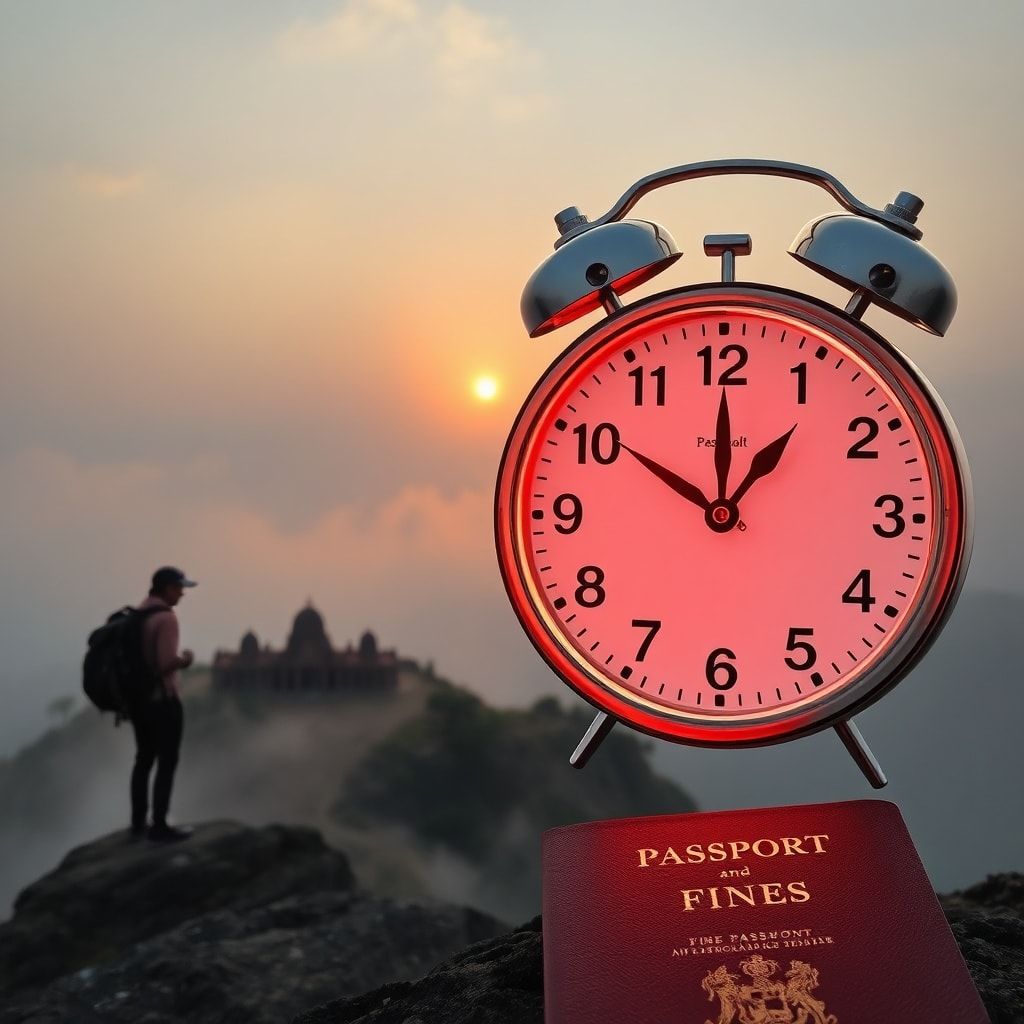
Imagine stepping off a bustling Colombo street, the scent of fresh curry mingling with sea breezes, only to feel a sudden knot in your stomach as you glance at the expiration date stamped in your passport. That tiny line of ink can turn an idyllic holiday into a financial nightmare the moment it flips from green to red. Travelers from backpackers to luxury seekers repeatedly stumble over the same hidden trap: Sri Lanka’s visa overstay penalties. The topic resurfaces on forums, social media, and travel blogs because the rules are easy to miss, the consequences steep, and the fallout can ripple far beyond a single trip.
Why does this issue command such attention? First, Sri Lanka’s visa regime is straightforward on the surface—most tourists receive a 30‑day stay, extendable up to 90 days. Yet the enforcement mechanisms operate behind the scenes, with flat‑rate fines that can soar to $500 for a single day of overstaying, regardless of the traveler’s budget. Second, the country’s bustling tourism industry means millions of passports cross its borders each year, amplifying the odds that even seasoned wanderers will miscalculate their exit date. Third, the penalties are not just monetary; they can affect future travel plans, trigger immigration records, and, in severe cases, lead to detention.
Confusion deepens because the overstay rule interacts with several other variables: extension processes, differing fees for short‑term versus long‑term visas, and the occasional “grace period” that isn’t officially documented. Travelers often wonder whether a 14‑hour slip‑up at the airport, a missed flight, or a delayed bus ride can trigger the same fine as a full extra week. The lack of clear, centralized information fuels speculation, anecdotal cautionary tales, and a steady stream of search queries like “Sri Lanka visa overstay fine” or “how much does a visa extension cost?”.
This guide pulls together the recurring questions, patterns, and pain points that appear across the myriad articles and discussions on the subject. By mapping the ecosystem of costs, legal steps, budgeting strategies, and common misconceptions, we aim to give you a panoramic view of the overstay landscape—so you can steer clear of costly surprises and keep your Sri Lankan adventure on track.








Understanding the Overstay Landscape
At its core, the overstay framework in Sri Lanka is built around three pillars: time limits, financial penalties, and administrative processes. While each pillar appears simple in isolation, the way they intersect generates the recurring confusion that travelers experience.
1. Time Limits and Their Nuances
The standard tourist visa grants a 30‑day stay that can be extended once, usually up to a total of 90 days. However, the definition of “stay” can be misleading. The clock starts ticking from the moment you clear immigration, not from the moment your flight lands, and it runs continuously regardless of whether you spend a night in a neighboring country and return on a day trip. This nuance is often missed, leading to inadvertent overruns.
Further, the “grace period” myth persists because some travelers recall brief leniency at the airport for minor delays. Officially, there is no formal grace period; the law treats any day beyond the stamped expiry as an overstay. The only way to avoid penalties is to either leave the country before the date or secure an official extension.
2. The Penalty Structure: Flat Fines, Not Daily Rates
Sri Lanka’s approach diverges from many jurisdictions that impose a per‑day surcharge. Instead, the overstay fine is largely flat, ranging from $250 to $500 depending on the length of the overstay and the visa type. A single 14‑hour lapse can trigger the maximum fine, which explains why headlines repeatedly emphasize the “$500 fine for a 14‑hour slip‑up.”
The logic behind a flat fee is twofold:
- Administrative simplicity: Immigration officials can process offenders quickly without calculating variable daily rates.
- Deterrence: A steep, uniform fine discourages any casual gambling with the expiration date, especially among budget travelers who might otherwise think a short overstay is harmless.
Because the penalty is not proportionate to the overstay duration, the financial impact can feel disproportionate—hence the recurring theme of “wallet‑draining” penalties across multiple articles.
3. Extension Procedures and Hidden Costs
The official route to avoid fines is to apply for an extension before the original visa expires. Extensions are available in increments (typically 30‑day extensions) and carry a fee that varies by nationality and visa category. The extension fee is often quoted in US dollars, adding a conversion layer that can surprise travelers when they look at their budget.
Key points that repeatedly cause confusion:
- Timing: Extensions must be requested at least a few days before expiry. Late applications are rejected, forcing travelers into the overstay penalty.
- Documentation: Proof of onward travel, accommodation, and sufficient finances are mandatory. Missing any one of these documents can stall the process.
- Processing time: While many extensions are granted on the spot at the Department of Immigration, some require a few days, during which the traveler must remain in the country.
4. The Budget Ripple Effect
Backpackers, digital nomads, and even mid‑range tourists all feel the pinch of overstay costs, but the impact scales differently. For a traveler on a tight budget, a $500 fine can represent an entire month’s expenses, forcing an early return home or a severe cutback on the rest of the trip. For higher‑spending visitors, the fine may be a smaller proportion of the overall spend, yet it still creates an unwanted administrative hurdle.
Across the article cluster, the narrative consistently highlights how an unforeseen fine can derail a meticulously planned budget, turning a leisurely island hop into an emergency scramble for cash.
5. Legal Consequences Beyond Money
While the monetary fine is the most visible repercussion, lingering on the visa overstay list can affect future travel. Repeated violations may trigger stricter scrutiny at entry points, potential bans, or longer processing times for future visas. The immigration record is shared across the island’s borders, meaning a minor overstay today could echo in applications for work permits or resident visas later.
6. Common Misconceptions that Fuel Repetitive Queries
Several myths repeat themselves in traveler forums and Q&A sites, and they are worth dissecting:
- “A few hours won’t matter.” – The flat‑rate fine removes any “few hours” exception.
- “I can extend at the airport on the day of expiry.” – Extensions are processed at the Department of Immigration, not at the airport, and require prior documentation.
- “A visa renewal automatically resets the clock.” – Renewal fees and the new stay period apply only after the original visa expires; any days beyond the original expiry are already penalized.
7. How the Overstay Narrative Shapes Travel Planning
Because the penalty is both steep and inevitable for any overstay, the subject dominates travel itineraries. Tour operators now include “visa monitoring” as part of their service packages, and many accommodation platforms send reminder emails a few days before the visa limit. The pervasive anxiety around overstay costs has birthed a sub‑culture of “visa‑aware” travelers who schedule buffer days, purchase travel insurance that covers fines, or opt for multi‑entry visas when available.
8. Strategies to Safeguard Against Unintentional Overstays
Drawing from the recurring advice in the cluster, travelers can adopt a three‑step safeguarding framework:
- Pre‑Trip Calendar Sync: Mark the visa expiry date in multiple devices—phone, laptop, and even a physical planner. Set reminders 7 and 2 days before the deadline.
- Early Extension Initiation: Begin the extension application at least a week before expiry. Gather required documents (flight itinerary, accommodation proof, bank statements) early to avoid last‑minute scrambles.
- Financial Buffer: Allocate a contingency fund of at least $600 in a readily accessible account. This covers the maximum fine plus the extension fee, ensuring you’re not forced to sell belongings or rely on emergency credit.
9. The Role of Travel Insurance
Some insurers now offer optional riders that reimburse visa‑related fines, though coverage varies by policy and region. It’s essential to read the fine print: many policies exclude “willful violation” of immigration laws, interpreting overstays as personal negligence. Nonetheless, a well‑chosen rider can alleviate the financial shock when an unexpected delay—such as a flight cancellation—pushes a traveler past the visa limit.
10. Looking Ahead: Potential Policy Shifts
Tourism boards worldwide continually assess visa policies to balance visitor inflow with regulatory control. While no concrete changes have been announced for Sri Lanka, the growing chatter about overstay penalties suggests that authorities monitor traveler sentiment. Possible future adjustments could include:
- Introducing a modest daily surcharge instead of a flat fine, providing proportional penalties.
- Offering a short, official grace period for unforeseen airline delays.
- Streamlining online extension applications to reduce paperwork and processing time.
Staying updated on official immigration announcements is therefore a prudent habit for repeat visitors.
Frequently Asked Questions
What is the standard tourist visa duration for Sri Lanka?
Most nationalities receive a 30‑day visa on arrival, which can be extended once for an additional 30 days, allowing a maximum stay of 60 days. Certain visas, like the “tourist long‑stay” visa, permit up to 90 days.
How much is the fine for overstaying a Sri Lankan visa?
The overstay penalty is a flat fee ranging from US $250 to US $500, regardless of whether the overstay is a few hours or several days. The highest amount typically applies to stays beyond 30 days after the original expiry.
Can I pay the fine at the airport when I leave?
Yes, payment can be made at the immigration counter before departure. However, it’s advisable to settle the fine well before your flight to avoid delays or the risk of being denied boarding.
Is there any grace period after my visa expires?
Officially, no. The law treats any time beyond the stamped expiry as an overstay, triggering the flat fine immediately.
How do I apply for a visa extension?
Visit the Department of Immigration in Colombo (or its regional offices) at least a week before your visa expires. Submit the completed extension form, a copy of your passport, proof of onward travel, accommodation details, and the applicable fee in US dollars.
Will an overstay affect my future travel to Sri Lanka?
Repeated overstays can lead to heightened scrutiny at entry, longer processing times, or possible bans. A single fine is recorded on your immigration file and may be considered in future visa applications.
Do travel insurance policies cover visa overstay fines?
Some insurers offer optional riders that reimburse overstay fines, but most standard policies exclude “willful violation” of immigration rules. Always review the policy details before relying on it.
What should I do if my flight is unexpectedly cancelled and I risk overstaying?
Contact the Department of Immigration immediately to explain the situation. In some cases, they may grant a short, discretionary extension without a fine, especially if you can provide proof of the airline’s cancellation.
Conclusion
Understanding the mechanics of Sri Lanka’s visa overstay system transforms a potential travel nightmare into a manageable part of trip planning. The ecosystem hinges on clear timelines, steep flat‑rate fines, and a structured extension process that, when navigated correctly, safeguards both your budget and future travel prospects. By internalizing the recurring patterns—misconceptions about grace periods, the disproportionate impact of a flat fine, and the importance of early extensions—you can travel with confidence, free from the dread of unexpected penalties.
Armed with this broader perspective, you’re ready to explore the detailed resources that dive deeper into each facet—whether you’re looking for exact fee breakdowns, step‑by‑step extension guides, or real‑world stories of travelers who dodged costly fines. Stay vigilant, plan ahead, and let the beauty of Sri Lanka be the highlight of your journey, not a looming financial surprise.