
Sri Lanka Visa Guide
Imagine stepping off a plane onto the fragrant breezes of Colombo, the promise of tea‑laden hills and ivory‑white beaches already dancing in your mind. The excitement of that first bite of Ceylon tea is quickly shadowed by a single, unassuming stamp on your passport – the visa expiry date. For countless travelers, that little line of ink becomes the source of panic, surprise fees, and even legal trouble.
The allure of Sri Lanka is undeniable: ancient temples, rolling plantations, surf‑ready coasts, and wildlife that feels straight out of a documentary. Yet the same magnetism draws a steady stream of visitors who, despite meticulous planning, find themselves tangled in the nation’s visa rules. Why? Because the visa ecosystem blends straightforward entry fees with a maze of extensions, overstay penalties, and frequent policy tweaks that rarely make headline news.
Search engines light up with queries like “Sri Lanka visa cost,” “how much is an overstay fine,” and “can I extend my Sri Lanka visa?” Travelers want a single source that demystifies the numbers, explains the legal levers, and shows how a missed deadline can ripple through a backpacker’s budget. The recurring frustration isn’t just about the dollar amount; it’s about the uncertainty of when and how a penalty will be applied, whether an extension can be secured on the fly, and how different types of trips – a week‑long beach hop versus a three‑month volunteer stint – alter the financial calculus.
That uncertainty feeds a cycle of speculation, forum debates, and last‑minute phone calls to embassies. Some travelers discover the fine only after returning home, while others learn it the hard way at the airport, watching a $500 invoice replace their souvenir budget. The pattern repeats because the information is fragmented: official immigration sites list fees, tourism blogs warn of fines, and travel forums share anecdotal horror stories. No single narrative pulls these threads together, leaving each new visitor to piece together a puzzle that could have been solved with a clear, holistic view.
Understanding the broader landscape – the fee structure, the extension mechanics, the enforcement mindset, and the budgeting impact – not only prevents costly surprises but also empowers travelers to shape their itineraries with confidence. Below, we explore the core concepts that underpin every Sri Lanka visa experience, uncover why misconceptions persist, and equip you with the knowledge to keep your adventure on track and your wallet intact.








How the Sri Lanka Visa System Is Structured
The visa framework can be broken into three interlocking layers: the base entry fee, the extension pathway, and the overstay enforcement regime. Each layer operates under its own set of rules, yet they converge at the moment a traveler’s stamp reaches its expiry.
Base Entry Fees – The First Gate
Visa fees are tiered by nationality, length of stay, and purpose (tourism, business, or transit). Most tourists from Western countries receive a single‑entry visa valid for 30 days, payable online through the Electronic Travel Authorization (ETA) system. The fee itself is modest compared to many Asian destinations, but it is just the starting point of a larger cost curve. The ETA process, while streamlined, requires accurate passport data and a reliable payment method; a mismatch can trigger additional service charges or a denied application.
Extensions – Adding Days, Adding Costs
Once the initial 30‑day window closes, travelers have two primary routes to stay longer: an in‑country extension at the Department of Immigration & Emigration, or a fresh ETA applied from abroad. The in‑country extension is inexpensive (often under $20) but comes with strict documentation: proof of accommodation, a return ticket, and sometimes a financial statement. The fresh ETA route can be costlier, especially for multiple entries, and it resets the 30‑day count, which can be attractive for those planning a series of short trips in and out of the island.
Crucially, the extension window itself is limited. Travelers must apply **before** the original expiry date; late applications are treated as overstay cases, immediately subject to fines. This deadline creates a high‑stakes decision point that many overlook amid the excitement of new destinations.
Overstay Penalties – The Financial Shockwave
When a visa lapses, the penalty structure is binary: a flat fine per overstay incident, regardless of how many days have passed. The fine typically ranges from $250 to $500, depending on the length of the overstay and the traveler’s nationality. Even a 14‑hour slip‑up can trigger the maximum penalty, a fact that fuels countless headlines about “the $500 fine for a half‑day overstay.” The rationale is to discourage casual extensions and to maintain clear immigration records.
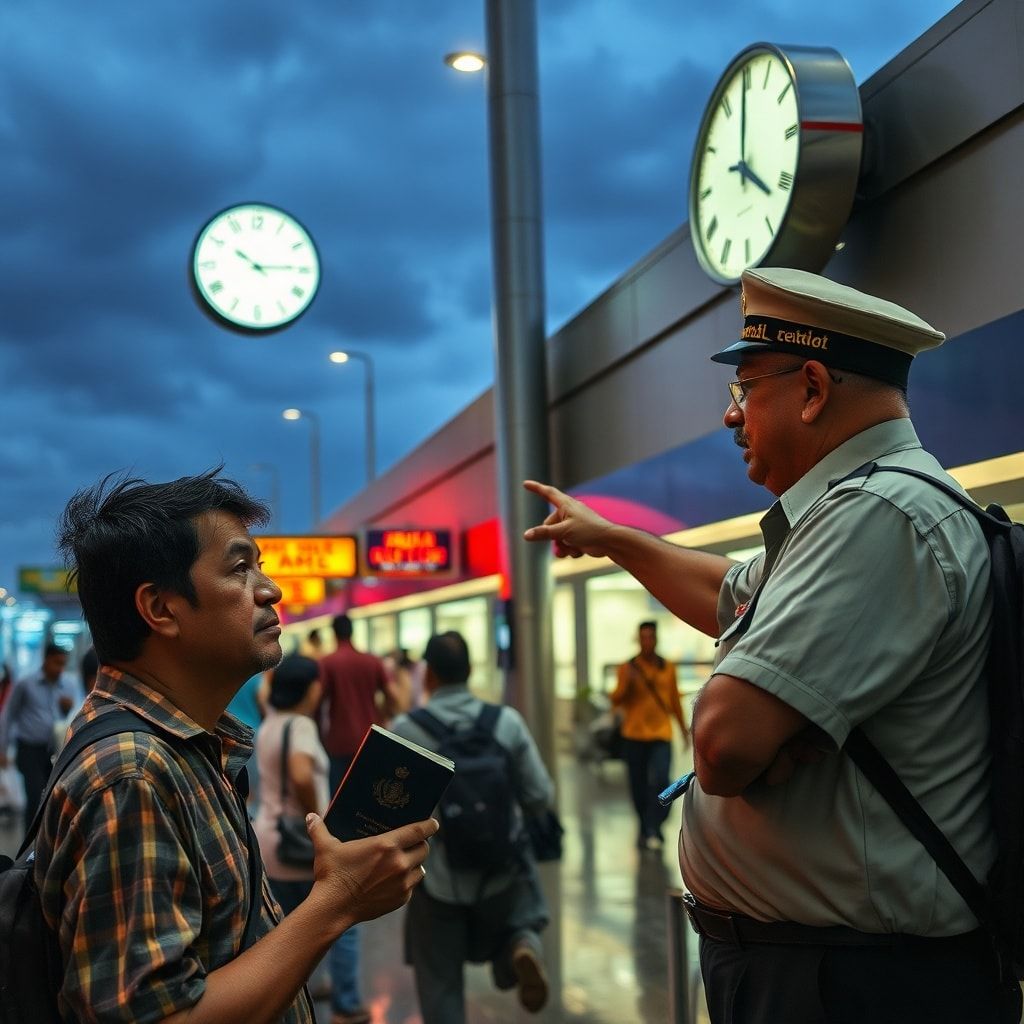
The enforcement mechanism is swift. Immigration officers at airports, hotels, and border checkpoints can verify expiry dates electronically. If a fine is imposed, travelers must pay on the spot, often in cash, before being allowed to depart. For backpackers on a shoestring budget, this sudden expense can rewrite the entire travel plan.
Why Confusion Persists Across the Traveler Community
The recurring questions and myths stem from three core sources: mixed messaging, policy evolution, and the emotional weight of travel budgeting.
Mixed Messaging From Official and Unofficial Channels
Government portals present the fee schedule clearly but rarely explain the practical implications of extensions or fines. Meanwhile, travel blogs focus on sensational stories – “don’t miss your visa or pay $500!” – without contextualizing the probability or offering preventative steps. Forum users share personal anecdotes that sometimes contradict official guidelines, creating a feedback loop of uncertainty.
Policy Evolution and Seasonal Adjustments
Sri Lanka’s tourism authority periodically revises fee amounts and extension criteria to balance visitor influx with resource capacity. These changes are announced in press releases that travel writers may miss, leading to outdated information persisting online. A traveler relying on a two‑year‑old blog post could unknowingly submit an extension application with insufficient documentation, instantly converting a routine process into an overstay violation.
The Budget Mindset of Different Traveler Types
Backpackers, family vacationers, and long‑term volunteers each approach the visa cost differently. Backpackers often chase low‑cost hostels and think in terms of daily expenses; a sudden $500 fine can dwarf a month’s accommodation budget. Families, on the other hand, tend to book higher‑priced hotels and may have more flexibility, but they also juggle school schedules and may inadvertently overstay during an extended holiday. Volunteers or digital nomads who aim for multi‑month stays must weigh the cumulative cost of multiple extensions versus a longer‑term visa, a calculation many overlook until faced with an overstay fine.
Strategies to Prevent Overstay Penalties and Manage Costs
Proactive planning is the antidote to surprise fines. Below are actionable steps that apply regardless of travel style.
Set Automated Alerts for Visa Expiry
Use calendar apps or travel‑management tools to create reminders 7 days before the official expiry date. Pair the alert with a checklist: passport, accommodation proof, return ticket, and the latest exchange rate for the extension fee.
Maintain a Digital Copy of All Immigration Documents
Scanning your ETA approval, extension receipts, and any correspondence with the Department of Immigration ensures you have a backup if the original paperwork is misplaced. Some embassies accept digital copies for verification, reducing the risk of being flagged for missing documentation.
Consider the “Buffer Day” Approach
If your itinerary is flexible, schedule a “buffer” day before the expiry to apply for an extension. This not only guarantees you’re within the legal window but also provides time to resolve any unexpected paperwork issues.
Understand the Cost‑Benefit of a Fresh ETA vs. In‑Country Extension
Running the numbers early can reveal surprising savings. For instance, a traveler planning a two‑month stay might find that paying for two separate 30‑day ETAs (with a modest fee each) is cheaper than paying for an in‑country extension plus the risk of an overstay fine if paperwork delays occur.
Leverage Local Travel Agencies for Extension Assistance
Reputable agencies can navigate the bureaucratic language, submit the necessary documents on your behalf, and often negotiate a smoother process for a modest service fee. This can be especially valuable for non‑English speakers or those unfamiliar with Sri Lankan administrative practices.
How the Visa Landscape Influences Travel Planning
Beyond avoiding fines, the visa structure shapes the very shape of a trip. Knowing the limits allows travelers to craft itineraries that maximize experience without bureaucratic interruption.
Short‑Term Explorers (Under 30 Days)
For visitors who stick to the initial 30‑day allowance, the focus should be on high‑impact destinations: the historic rock fortress of Sigiriya, the tea trails of Nuwara Eliya, and the surf spots of Arugam Bay. With no extension needed, budgeting can prioritize activities over administrative overhead.
Mid‑Length Stayers (30–60 Days)
Extending the stay opens up deeper cultural immersion: volunteering in a village, participating in a yoga retreat, or exploring the less‑touristy East Coast. The key is to initiate the extension process at least a week before the original expiry to keep the journey seamless.
Long‑Term Residents (Beyond 60 Days)
For digital nomads or project‑based volunteers, the visa road becomes a series of strategic extensions or multiple ETAs. It’s advisable to map out a renewal timeline at the start of the trip, aligning it with local holidays when immigration offices may have reduced staffing.
Common Misconceptions Debunked
- “A few extra days won’t matter.” The fine is flat, not proportional to the overstay length. Even a single day triggers the full penalty.
- “I can pay the fine later at the airport.” Some entry points demand immediate payment; delays can lead to detention or denied boarding.
- “All nationalities pay the same fee.” Visa fees vary by passport, and some countries enjoy reciprocal agreements that lower costs.
- “Extensions are optional if I have a return ticket.” A return ticket alone does not extend legal stay; the stamp still expires.
- “I’ll get a warning before being fined.” Immigration officers apply the fine on spot; there is no grace period after expiry.
Future Outlook – What Travelers Should Monitor
The Sri Lankan government periodically revisits its tourism policies to balance visitor numbers with environmental sustainability. Upcoming changes may include:
- Potential introduction of multi‑entry visas with longer validity periods.
- Adjusted penalty scales that differentiate between minor and major overstays.
- Digital integration allowing real‑time visa status checks via a mobile app.
Staying subscribed to official immigration newsletters or reputable travel news outlets ensures you’re not caught off‑guard by these shifts.
Putting It All Together: A Holistic Visa Management Mindset
Think of your Sri Lanka visa as a living contract rather than a one‑time purchase. The initial fee opens the door, but the extensions, deadlines, and fines form a dynamic ecosystem that interacts with your travel style, budget, and risk tolerance. By internalizing the three pillars – fee awareness, timely extensions, and strict adherence to expiry dates – you transform a potential pitfall into a predictable element of your itinerary. This mindset not only safeguards your finances but also frees mental bandwidth to enjoy the island’s wonders without constantly checking the clock.
Frequently Asked Questions
What is the standard cost for a tourist visa to Sri Lanka?
Most Western travelers pay a single‑entry Electronic Travel Authorization (ETA) fee of approximately US $35–$40 for a 30‑day stay. Fees can vary by nationality and the type of visa (tourist, business, transit).
How can I extend my stay beyond the initial 30 days?
You can apply for an in‑country extension at the Department of Immigration & Emigration, usually costing under US $20, or obtain a new ETA online before your current visa expires. Both options require proof of accommodation, a return ticket, and sometimes a financial statement.
What happens if I overstay even by a few hours?
Any overstay triggers a flat fine, typically ranging from US $250 to US $500, regardless of the number of days. The penalty is applied immediately, often at the point of departure, and must be paid before you can leave the country.
Can I pay the overstay fine after I leave Sri Lanka?
In most cases, the fine must be settled on the spot. Failure to pay can result in detention, a visa ban, or difficulties obtaining future visas for Sri Lanka.
Do different nationalities face different visa fees or penalties?
Yes. While the overstay fine is generally uniform, the base ETA fee varies by passport. Some countries enjoy reduced fees or even visa‑free entry for short stays.
Is it possible to get a refund if I cancel my trip before the visa expires?
The ETA fee is non‑refundable once processed. However, you can request a new ETA for a future trip without paying the full amount again if the original visa was never used.
How early should I start the extension process?
Begin at least seven days before the expiry date. This buffer allows time to gather documentation, submit the application, and address any unexpected issues.
Are there mobile apps or online tools to track my visa status?
The Sri Lankan immigration department is developing a digital portal that will let travelers check visa validity in real time. Until then, calendar reminders and keeping scanned copies of all documents are the best practices.
What documentation is required for an in‑country extension?
Typical requirements include a valid passport, proof of accommodation for the extended period, a confirmed onward or return ticket, and a recent bank statement or proof of sufficient funds.
Can I travel to neighboring countries and return without a new visa?
Yes, if you obtain a multiple‑entry ETA before leaving Sri Lanka. Single‑entry visas become invalid once you exit the country, requiring a fresh ETA for re‑entry.
Conclusion
Navigating Sri Lanka’s visa terrain is less about memorizing numbers and more about understanding the interplay between fees, extensions, and penalties. By recognizing the three‑layer structure of entry costs, extension pathways, and overstay enforcement, travelers can sidestep the most common financial traps. The patterns uncovered across countless traveler experiences reveal a clear message: proactive planning, timely paperwork, and an awareness of the flat‑rate fines are the keys to a smooth, cost‑effective stay.
Armed with this holistic perspective, you’re now ready to chart your island adventure without the lingering worry of hidden charges. Dive deeper into each facet of the visa process, explore real‑world experiences, and fine‑tune your itinerary with confidence. The journey through Sri Lanka’s landscapes—ancient cities, misty tea gardens, and sun‑kissed coasts—awaits, and now you have the roadmap to keep it both memorable and financially sound.