
Witch On The Holy Night Guide
When the first frame of Witch on the Holy Night flickers onto the screen, a ripple spreads through every corner of the Nasuverse community. Fans who have chased Fate’s endless timelines, whispered about the Magus Wars, and memorized every incantation suddenly find themselves faced with a story that pretends to predate the myth they thought they understood. The lure isn’t just another animated spectacle; it’s a promise that a single night in Kyoto can rewrite the origins of a sorceress whose name has been whispered in the background of countless novels and games.
Search engines echo this fascination. Queries such as “Witch on the Holy Night timeline,” “Aoko Aozaki backstory,” and “why is the movie so haunting?” dominate the results page, revealing a crowd desperate for context. The core of the confusion is the same thread that runs through every Nasuverse discussion: the franchise lives in a web of visual novels, light novels, anime adaptations, and spin‑off movies, each layered with its own internal chronology and its own notion of “canon.” When a new prequel drops, the community is forced to realign characters, re‑evaluate thematic threads, and—most importantly—decide whether the new piece is a required puzzle piece or an optional extra.
Yet the intrigue goes deeper than chronology. The movie’s visual style, crafted by Ufotable, pushes the studio’s signature fluidity into darker territory, while the narrative itself folds corporate ambition, literary homage, and metaphysical speculation into a single, tightly edited 110‑minute run. Audiences are left debating: Is the haunting quality a product of the story’s existential dread, or does it stem from the way the film is edited to mask its own production compromises? This tension fuels endless speculation on forums, Reddit threads, and YouTube analyses.
Because these questions repeat across every discussion, the need for a holistic view becomes clear. You’ll want a place that doesn’t merely list facts, but untangles why the same patterns emerge each time a new Nasuverse entry is released. The sections that follow map those recurring ideas, showing how lore, animation, corporate strategy, and fan perception intersect to create the unique ecosystem that surrounds Witch on the Holy Night. By the end, you’ll have the tools to place the film within the larger Nasuverse, understand the debates that surround it, and decide how it fits into your personal watch order.
The Nasuverse Landscape: Prequels as Narrative Levers
Within any long‑running multimedia franchise, a prequel functions as more than a chronological footnote; it is a lever that nudges the entire mythos in new directions. The Nasuverse, built from Kinoko Nasu’s visual novels, has always thrived on layers of hidden lore. Each new installment—whether a game, novel, or movie—introduces terms, artifacts, or character motivations that retroactively shade earlier works. This retroactive shading is why fans repeatedly ask, “Does this change what we already knew?” The answer lies in the intentional design of the universe: the creator’s “reverse‑chronology” approach encourages viewers to re‑read earlier material with fresh eyes, turning every prequel into a catalyst for reinterpretation.
Because the Nasuverse’s storytelling is non‑linear, the community often experiences a “lore shock” when a prequel reveals a new facet of a beloved character. In the case of Witch on the Holy Night, the revelation of Aoko Aozaki’s early experiments with the magecraft system reframes her role not merely as a side character in Fate/stay night, but as a foundational architect of the magical infrastructure that underpins the entire series. This reverse‑engineering of myth is a recurring pattern: each prequel forces a recalibration of the timeline, prompting new fan theories and debates about canonical weight.
Lore Recalibration and the Aoko Aozaki Enigma
Aoko Aozaki has always inhabited the periphery of the Nasuverse—mentioned in passing, hinted at in epilogues, but rarely placed at the narrative center. The film’s decision to foreground her origins is a strategic move, turning a character who was once a cryptic Easter egg into a focal point for exploring the origins of magecraft itself. This shift aligns with a broader trend: creators often select enigmatic figures to anchor prequels because they offer a clean slate for world‑building without directly overturning established plot points.
The recurring audience motivation here is twofold. First, fans crave an explanation for recurring symbols—such as the “Holy Night” itself, a phrase that appears in multiple Fate titles with disparate meanings. Second, there is a persistent desire to map the cause‑and‑effect chain of magical artifacts, like the Command Seals that appear in later works. By presenting Aoko’s early mastery over the “Witch’s Night” ritual, the film provides a mythic anchor that can be retroactively applied to numerous plot devices, smoothing over previously disjointed explanations. This pattern of using a single character’s backstory to stitch together disparate lore threads is a hallmark of Nasuverse prequels.
Animation as Storytelling: Ufotable’s Signature and Its Limits
Ufotable’s reputation for fluid action sequences and striking lighting has become a brand promise for any Type‑Moon adaptation. Yet with Witch on the Holy Night, the studio deliberately subverts its own expectations, opting for a darker palette, lingering camera work, and an almost theatrical pacing. This stylistic pivot fuels a recurring discussion among viewers: why does a studio known for kinetic battles choose restraint for a narrative that is fundamentally about introspection?
The answer often lies in the interplay between narrative tone and visual delivery. When a story’s core is the internal struggle of a mage grappling with existential dread, frenetic action can undermine thematic weight. Ufotable’s choice to let scenes breathe—allowing shadows to linger on Aoko’s face as she contemplates the cost of power—mirrors the film’s broader haunting quality. The pattern repeats across other Type‑Moon movies: when the plot shifts from external conflict to internal philosophy, the animation style follows suit, privileging atmosphere over spectacle.
Corporate Currents Behind the Curtain
Beyond the artistic considerations, a less discussed yet equally influential factor is the corporate strategy that governs the release of new Nasuverse entries. The timing of Witch on the Holy Night—arriving after a wave of successful Fate/Stay Night and Fate/Grand Order releases—was no accident. Type‑Moon and its partners use prequels as a way to rejuvenate interest in older titles, driving merchandise sales and encouraging new players to explore the franchise’s back catalogue.
This commercial motive repeatedly surfaces whenever a new film is announced. Fans notice patterns such as synchronized releases with console game launches or the introduction of exclusive in‑game items that reference the movie’s visual motifs. The result is a feedback loop: a movie fuels game revenue, which then funds more anime productions, and the cycle continues. Recognizing this corporate architecture helps explain why certain narrative choices—like highlighting an iconic but underused character—serve both artistic and marketing purposes.
Fan Reception: From Awe to Debate
The moment the film’s trailer dropped, the fandom split into two primary camps: those who heralded it as a long‑awaited deep dive into the Nasuverse’s mythic core, and those who feared it would destabilize established continuity. This binary response is a recurring pattern whenever a new prequel is released. The underlying driver is the community’s collective investment in “canon”—the unofficial ledger of what is considered true within the universe.
Debates often revolve around three axes: narrative necessity, visual execution, and thematic resonance. Some viewers argue that the film is essential because it explains the origins of the magical systems that power later stories; others claim that the same information can be gleaned from supplemental texts, rendering the movie redundant. The visual execution—particularly the film’s haunting atmosphere—adds another layer of contention, prompting discussions about whether the mood aligns with the franchise’s typical tone or alienates long‑time fans who expect high‑octane action. These debates illuminate a broader truth: any addition to a sprawling mythos is judged not only on its internal merits but also on how it reshapes the community’s shared narrative framework.
Navigating Timeline, Canon, and Personal Watch Order
Because the Nasuverse operates on multiple timelines—chronological, broadcast, and thematic—viewers regularly ask how to slot Witch on the Holy Night into their personal viewing plan. The recurring solution offered by seasoned fans is a three‑dimensional approach: first, place the story in chronological order (the film’s events occur before most Fate titles); second, consider thematic relevance (watch it after you’ve experienced the main Fate series if you want to appreciate the retroactive revelations); third, respect personal investment (if Aoko’s character has been a point of curiosity, prioritize the film).
This layered method reflects a broader pattern in franchise consumption: audiences balance narrative purity with emotional satisfaction. The film’s “prequel” label does not automatically dictate watch order; instead, it becomes a flexible tool that each fan can adapt based on what they seek—be it lore depth, visual enjoyment, or a complete canonical experience.
Why the “Holy Night” Resonates Across the Nasuverse
The phrase “Holy Night” recurs in multiple Type‑Moon works, from the original Fate/stay night to the Mahou Tsukai no Yoru visual novel. Its repeated use is not accidental but a deliberate thematic thread that ties together concepts of sacrifice, destiny, and the intersection of mundane reality with magical intrusion. In the context of this film, the “Holy Night” is both literal—a specific night where Aoko conducts a pivotal ritual—and metaphorical—a moment where the veil between everyday life and the arcane thins.
Fans have long debated whether each appearance of the phrase serves the same narrative purpose or evolves in meaning. The pattern shows that Type‑Moon enjoys creating a lexical echo, allowing dedicated viewers to trace the evolution of a concept across works. Understanding this linguistic continuity helps demystify why certain motifs feel familiar yet fresh, reinforcing the experience of discovery that keeps the community engaged.
From Haunting Atmosphere to Lasting Impact
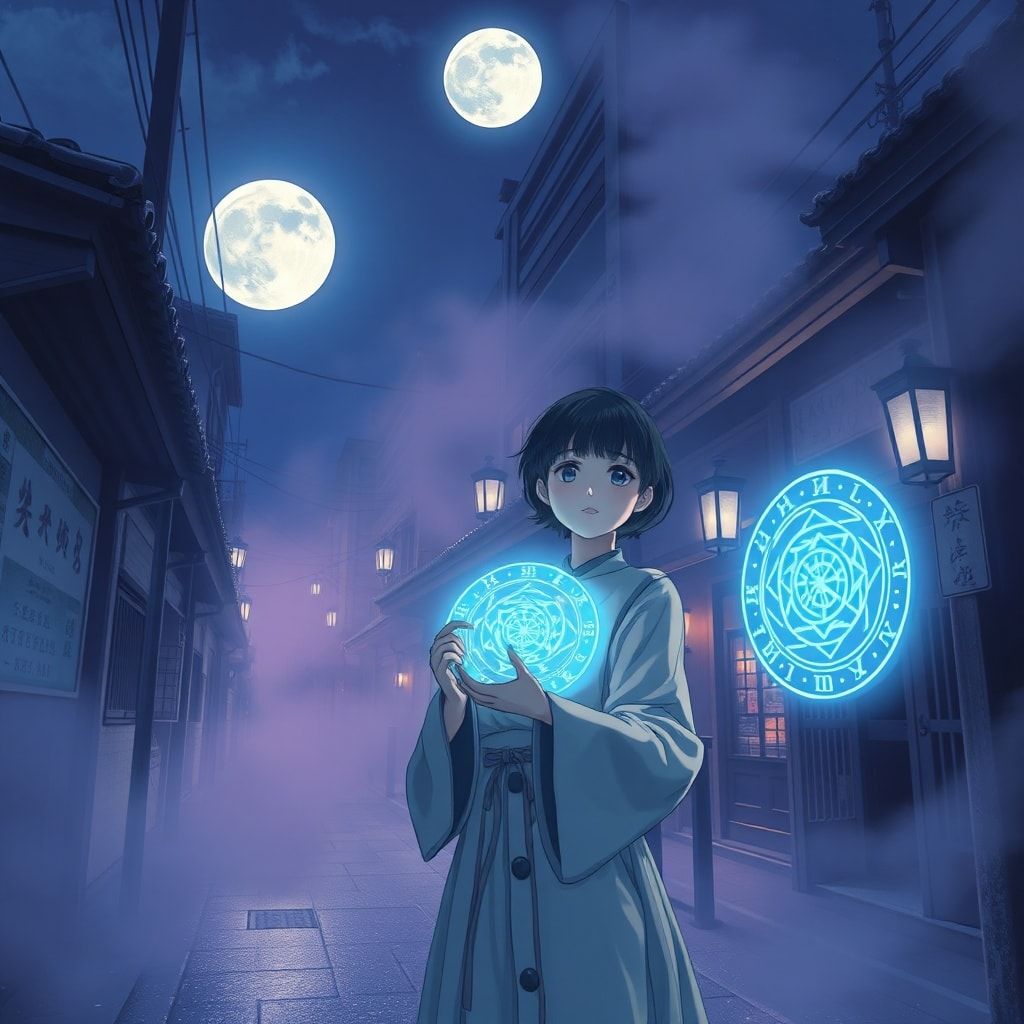
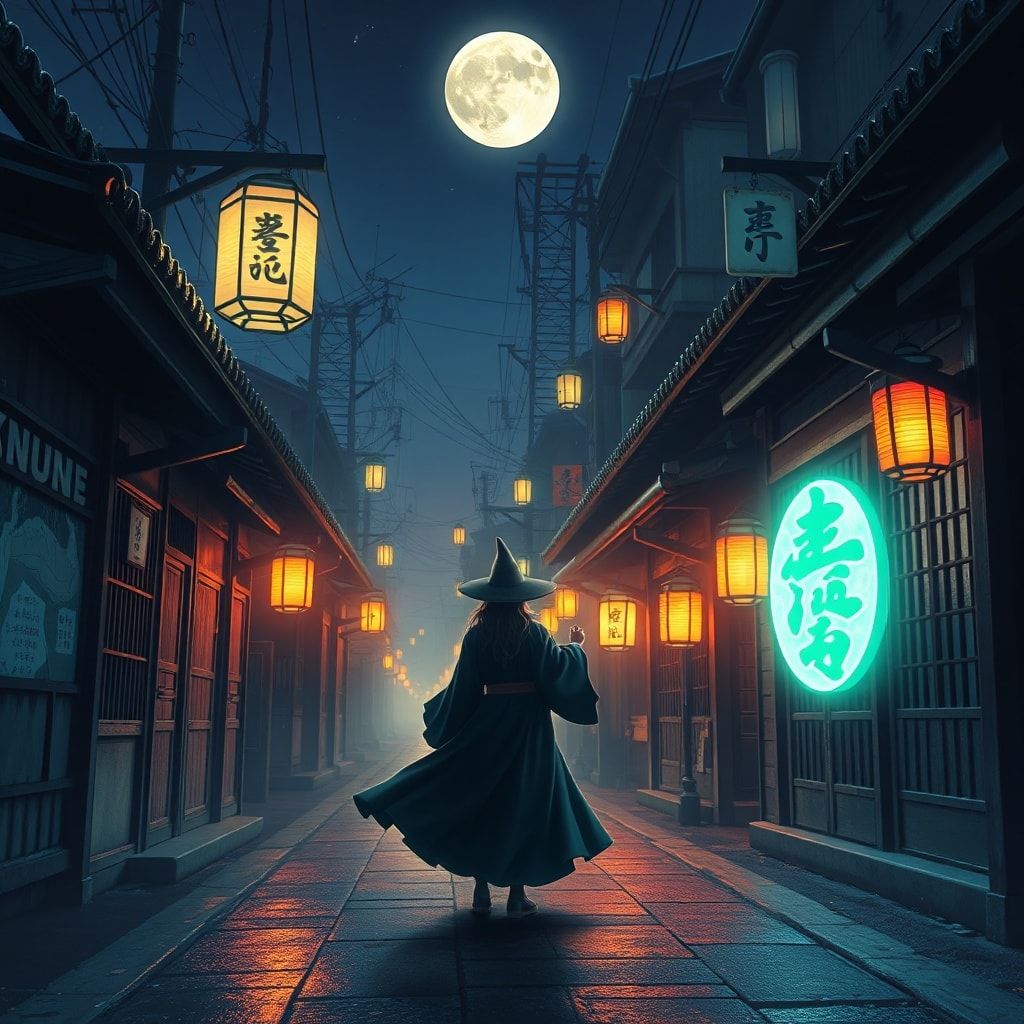
The lingering sense that the film will “haunt your dreams” is not merely hyperbole; it stems from a convergence of storytelling techniques. First, the narrative’s focus on isolation—Aoko alone in a Kyoto alley, confronting the moral weight of her power—creates an intimate psychological pressure. Second, the sound design employs subtle, dissonant motifs that never fully resolve, mirroring the unfinished nature of the story’s larger implications. Finally, the visual restraint, with shadows that consume more than they reveal, invites viewers to project their own anxieties onto the screen.
This combination of auditory, visual, and thematic strategies is a recurring formula in works that aim to leave a lasting emotional imprint. By understanding these mechanics, viewers can appreciate why the film feels more than a plot installment; it becomes an experiential memory that colors their perception of the entire Nasuverse.
Frequently Asked Questions
How does Witch on the Holy Night fit into the overall Nasuverse timeline?
The events of the film occur before the main Fate series, roughly coinciding with the early years of the Magecraft war era. While it is chronologically prior to most visual novels and games, many fans watch it after finishing the primary Fate titles to appreciate the retroactive revelations.
Is the movie essential for understanding the rest of the franchise?
The film provides depth to Aoko Aozaki’s character and explains foundational magecraft concepts, but the core plots of the main Fate routes remain accessible without it. It enriches the experience rather than serving as a mandatory entry point.
What themes does the film explore that differ from other Type‑Moon works?
While many Type‑Moon titles focus on grand battles and heroic destinies, this film delves into isolation, the moral cost of power, and the thin line between ordinary life and the arcane. Its haunting atmosphere underscores existential dread rather than outright conflict.
Why does the animation style feel more subdued than typical Ufotable productions?
Ufotable intentionally matched the film’s introspective narrative with a darker, slower visual approach. The restrained action emphasizes mood, allowing the audience to linger on character moments and the unsettling ambience.
What does the “Holy Night” actually refer to in the story?
The term serves both as a literal night when Aoko performs a pivotal ritual and as a symbolic moment where the veil between the mundane world and magical forces is thinnest, echoing recurring uses of the phrase across the Nasuverse.
How should I place this movie in my personal watch order?
Consider a three‑step approach: place it chronologically before the main Fate events, watch it after you’ve experienced the core series if you want to enjoy the lore revelations, and prioritize it if Aoko’s backstory intrigues you most.
Does the film’s “haunting” quality stem from story, animation, or both?
It’s a blend. The story’s focus on solitary sacrifice, the atmospheric sound design, and the subdued animation all work together to create an unsettling, lingering impression that stays with viewers.
Conclusion
Understanding Witch on the Holy Night requires more than a simple plot summary; it demands an appreciation of how prequels reshape lore, how animation choices echo narrative intent, and how corporate strategy can steer fan perception. By recognizing the recurring patterns—retroactive world‑building, thematic focus on isolation, visual restraint, and the perpetual debate over canon—readers can place the film within the sprawling Nasuverse without feeling lost.
Armed with this ecosystem view, you’re now better equipped to decide where the movie belongs in your personal watch order, what questions to bring to the community, and how the haunting night of Aoko Aozaki can deepen your experience of the wider Type‑Moon universe. Dive into the resources linked above, explore each angle in detail, and let the night guide you through the ever‑expanding tapestry of the Nasuverse.