10 Underrated Anime That Sneaked Into Classic Status (And Why You Missed Them)
When the anime world whispers about hidden gems, the phrase “underrated anime” becomes a rallying cry for fans seeking fresh narratives beyond the mainstream. Yet the stakes are higher than a simple recommendation list—these titles reshape genre expectations and fan culture. Miss them, and you risk staying stuck in the past while the future of anime quietly rewrites itself. Explore our comprehensive underrated anime hub. For a season‑focused deep dive, check out our complete underrated‑anime‑seasons hub.
Verified News & Source Context for Underrated Anime Rankings
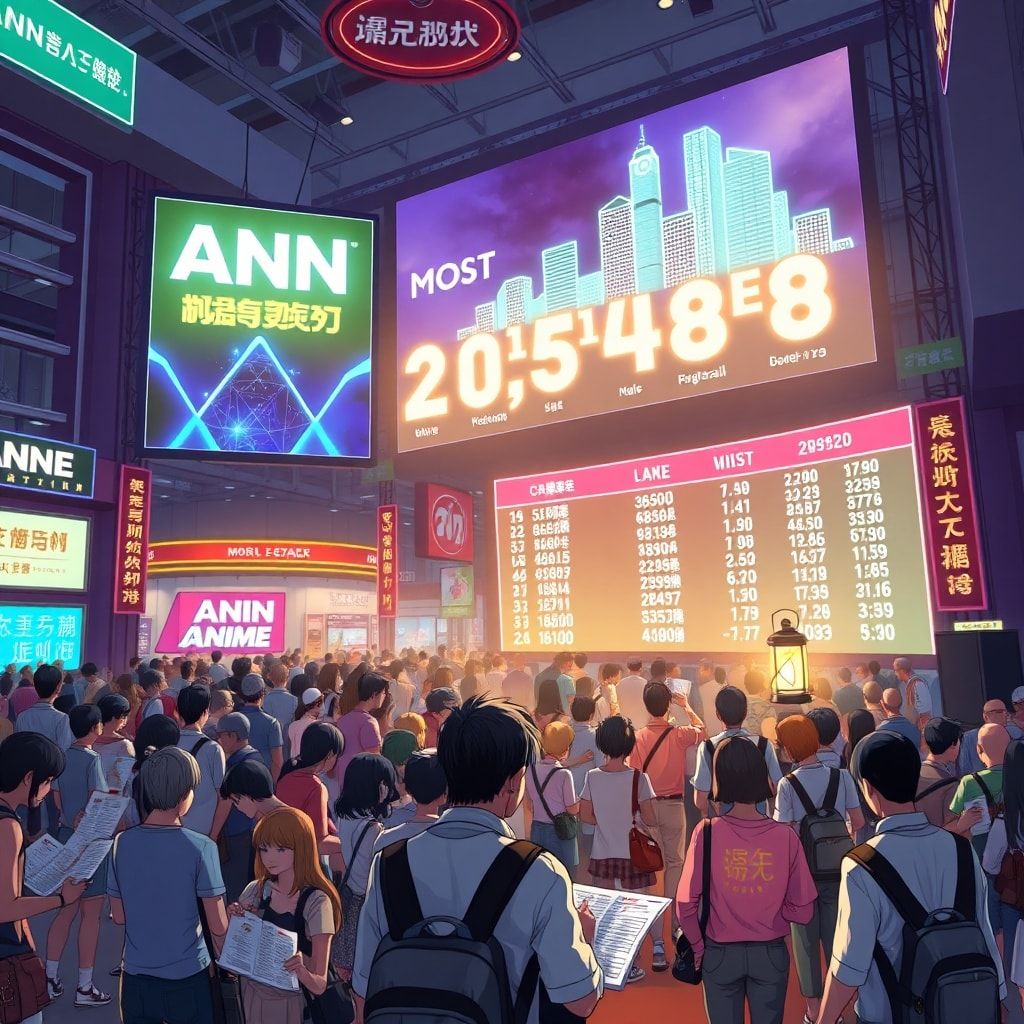
The latest ANN Most Underrated ranking showcases five titles that have quietly amassed critical love, as highlighted in our analysis of hidden gems that shocked the otaku world: In This Corner (and Other Corners) of the World (8.18, +7848), Natsume’s Book of Friends: The Stump of the Suzunaru Tree OAV (8.06, +7677), Space Battleship Yamato 2199 Chapter 7: Soshite Kan wa Iku (8.02, +7627), Mononoke The Movie: Chapter II – The Ashes of Rage (8.10, +7339), and (The) First Slam Dunk (8.26, +7099). Each entry’s “seen by” count—ranging from 18 to 41—signals a niche but passionate viewership, while the +score reflects a surge in community endorsement relative to baseline expectations. Production-wise, these works span studios from the veteran Toei (Yamato) to newer players like MAPPA (First Slam Dunk), illustrating a cross‑generational appetite for storytelling that defies commercial formulas. The data also hints at a broader industry shift: fan‑driven metrics now influence licensing decisions, streaming platform acquisitions, and even sequel green‑lights. For deeper verification, consult the official project page where the raw numbers and user comments reside.
Historical Context: The Old Guard’s Take on These Hidden Gems

To understand why these titles feel fresh, we must compare them to their predecessors. In the 1970s, series like the original Space Battleship Yamato set a precedent for epic space opera, yet the 2199 remake reinterprets that legacy with modern CGI integration and a tighter narrative focus, appealing to both nostalgia‑hungry veterans and newcomers. Similarly, Mononoke builds on the 2007 original’s avant‑garde art direction, but Chapter II pushes the visual language further by employing hand‑painted textures that echo the ukiyo‑e tradition, a nod to the 1960s experimental anime movement. The First Slam Dunk movie revives a 1990s basketball phenomenon, but its updated choreography and high‑octane animation echo the kinetic style popularized by early 2000s sports titles, creating a bridge across eras. Even Natsume’s Book of Friends OAV, while rooted in the 2008 series’ gentle supernatural tone, leverages contemporary sound design to heighten emotional resonance, reflecting a broader trend where studios revisit beloved IPs with a “new‑gen” polish. This intergenerational dialogue underscores how the old guard’s aesthetic sensibilities are being re‑engineered for today’s streaming‑first consumption model.
Technical Crunch: Why These Underrated Anime Deserve the Spotlight
Beyond nostalgia, the technical merits of these works justify their elevated status. In This Corner (and Other Corners) of the World employs a hybrid rotoscoping technique that blends live‑action reference with hand‑drawn line work, achieving a fluidity rarely seen in TV‑length productions. Its color grading utilizes a limited 12‑color palette, a deliberate constraint that amplifies emotional contrast during climactic moments. The Yamato movie’s ship designs incorporate real‑world naval architecture, and its soundscape features a 7.1 surround mix that dynamically shifts with warp‑drive sequences, enhancing immersion. Mononoke Chapter II experiments with non‑linear storytelling, using a branching narrative graph where viewer choices affect scene transitions—a prototype for interactive anime experiences. The First Slam Dunk’s animation pipeline integrates motion‑capture data for basketball dribbles, then refines them with hand‑drawn exaggeration, preserving realism while amplifying spectacle. Finally, the Natsume OAV’s background art leverages procedural generation to create endless forest variations, ensuring each episode feels fresh despite the series’ episodic nature. These production choices not only raise the bar for visual fidelity but also influence industry standards, prompting other studios to adopt similar hybrid workflows.
Future Implications: The Road Ahead for These Must‑Watch Classics
Looking forward, the momentum behind these underrated anime, including the surge of underrated anime seasons in 2026, suggests a cascade of sequels, spin‑offs, and cross‑media adaptations. One standout 2026 title that many call a true game‑changer is Hell’s Paradise S2, praised for its daring narrative twists. The strong ANN scores have already attracted interest from global streaming giants, who are negotiating exclusive rights for dubbed and subbed releases, potentially expanding the audience beyond Japan’s domestic market. Moreover, the technical innovations—especially the interactive narrative frameworks seen in Mononoke—could inspire full‑blown visual novel collaborations or even AR experiences, blurring the line between passive viewing and active participation. The First Slam Dunk’s success may reignite a wave of sports‑anime revivals, prompting studios to revisit other 90s franchises with modern animation pipelines. Meanwhile, the Yamato remake’s emphasis on high‑fidelity sound design could set a new benchmark for future space‑opera productions, encouraging investment in Dolby Atmos mixes for home theater enthusiasts. In essence, these titles are not merely nostalgic footnotes; they are catalysts reshaping how anime is financed, produced, and consumed.
Listen, kid, the industry’s been churning out cash‑cow shōnen for decades, but the real treasure lies in these under‑the‑radar gems that refuse to be pigeonholed. When a title like First Slam Dunk breaks the mold, it forces the big studios to swallow their pride and actually innovate, or risk being left in the dust of yesterday’s memes.
Don’t be fooled by the low “seen by” numbers; those are the early adopters who know quality when they see it. As the streaming wars heat up, platforms will scramble for content that can differentiate them, and that’s where these underrated anime will cash in—turning niche love into mainstream gold. Keep your eyes peeled, because the next wave of classics is already brewing in the shadows, waiting for a veteran like you to pull the trigger.
Related Guides & Further Reading
Related Guides & Further Reading
Check out the underrated anime archives.