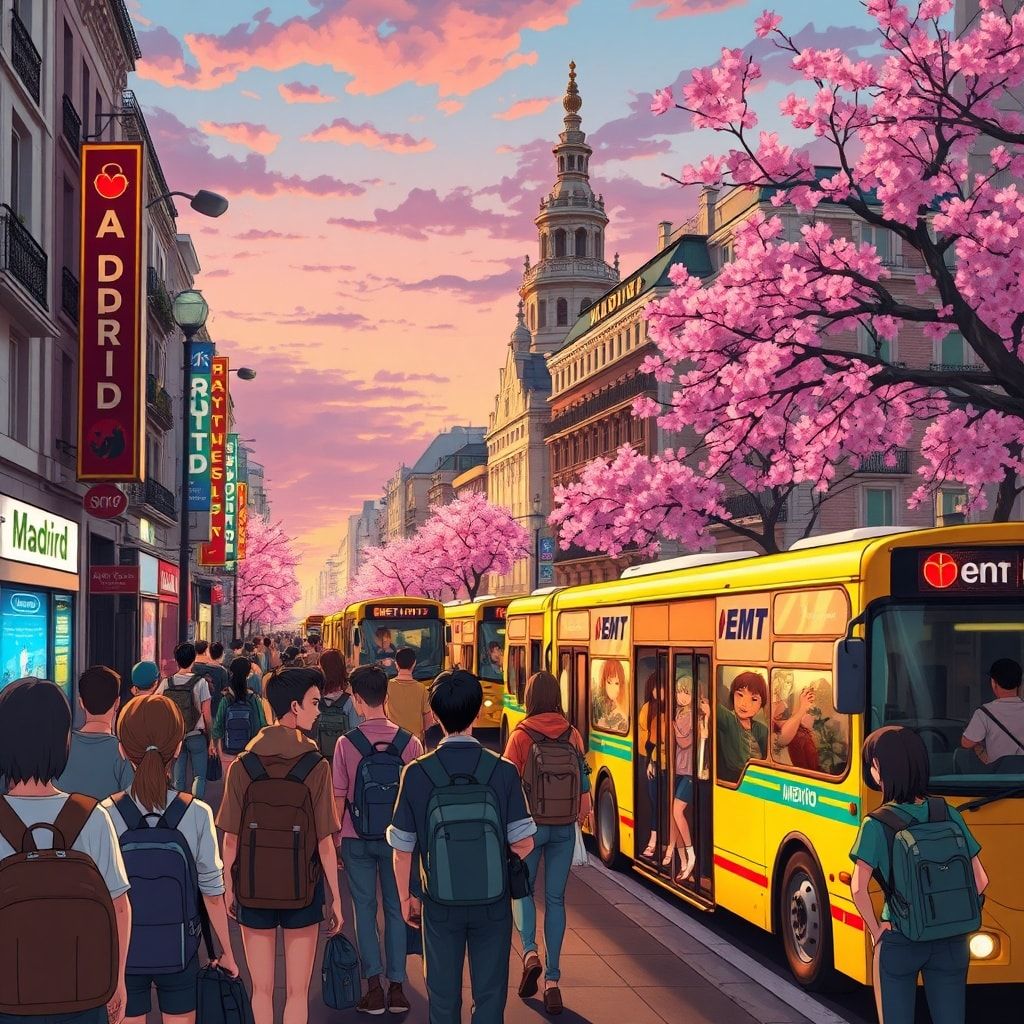
Madrid transport Secrets: How Backpackers Can Ride for Free and Save Every Euro
When you hear the phrase Madrid transport, you probably picture a maze of metro lines and a pricey tourist card. But what if the city handed you a free ride on demand? Imagine navigating the capital without draining your travel budget, while still catching every sight and sound. The stakes are high for any backpacker: a single mis‑step in budgeting can turn a dream trip into a cramped hostel nightmare.
Free‑Ride Frenzy: How EMT’s Madrid transport Giveaway Works
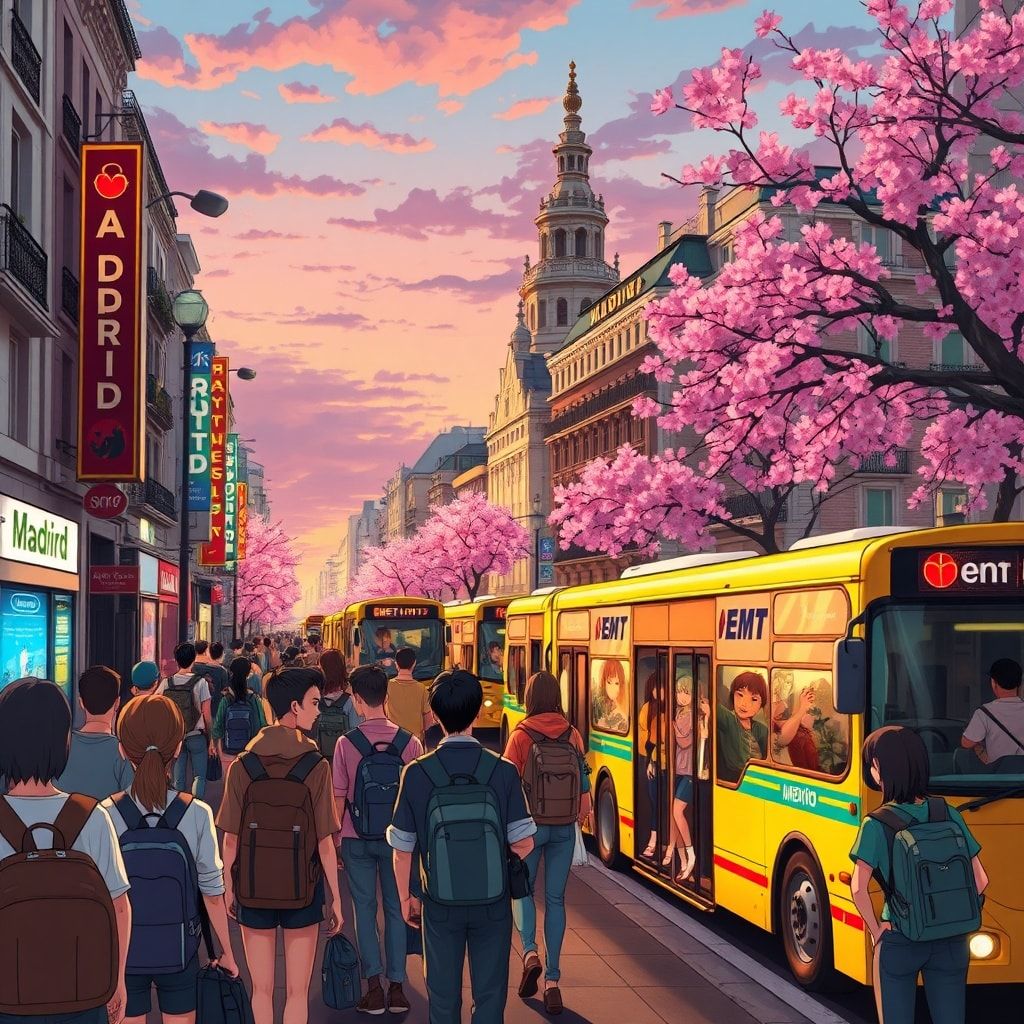
The EMT (Empresa Municipal de Transportes) has turned the ordinary bus network into a strategic weapon for budget travelers. On pre‑selected high‑traffic dates—Black Friday weekend (28‑30 Nov 2024), the first school‑term days (8‑9 Sep 2024), early January (8‑9 Jan 2024), spring (2‑3 Apr 2024), and another September slot (2, 9‑10 Sep 2024)—every municipal line becomes free from midnight to 23:59. The only exception is the Express Aeropuerto line, which retains its fare to preserve airport‑to‑city revenue streams.
The free‑ride policy is not a whimsical giveaway; it’s a calculated response to spikes in passenger volume and occasional air‑quality alerts. By eliminating the fare barrier, EMT smooths crowding on key corridors, reduces car usage, and showcases the city’s commitment to sustainable mobility. If a rider arrives without a transport card, the driver hands out a single‑ticket—no paperwork, just a quick nod and a free pass. This flexibility is crucial for backpackers who often arrive with only a passport and a backpack.
To cope with the surge, the municipality deploys up to 20 extra buses on the most congested routes—lines 5, 14, 18, 19, 21, 26, 27, 30, 35, 53, 77, 128, 146, 150, 152, E1, E2, E3. These reinforced corridors snake through the historic centre, ensuring that even the busiest stations stay accessible. The initiative, launched in January 2021, has already delivered over 70 million free rides to 13 million occasional users, a testament to its scalability and popularity. For the budget‑savvy nomad, these dates are golden tickets—literally.
For official details, visit the official project page.
From Ticket‑Punches to Tap‑Cards: Historical Shifts in Madrid Transport for Travelers
Madrid’s public‑transport story reads like a manga saga, evolving from paper tickets to contactless cards, and now to free‑ride events that feel like plot twists. In the 1990s, the city relied on paper tickets punched by conductors—a system that favored locals who knew the routes and could afford the occasional fare. Backpackers then faced a steep learning curve: deciphering timetables, buying tickets at kiosks, and often overpaying for short hops.
The early 2000s ushered in the “Tarjeta Multi”—a reloadable smart card that streamlined boarding across metro, bus, and commuter rail. This shift mirrored the broader European trend toward integrated mobility, reducing transaction times and enabling fare capping. For nomads, the card meant fewer cash exchanges and the ability to track spending in real time, a boon for tight budgets.
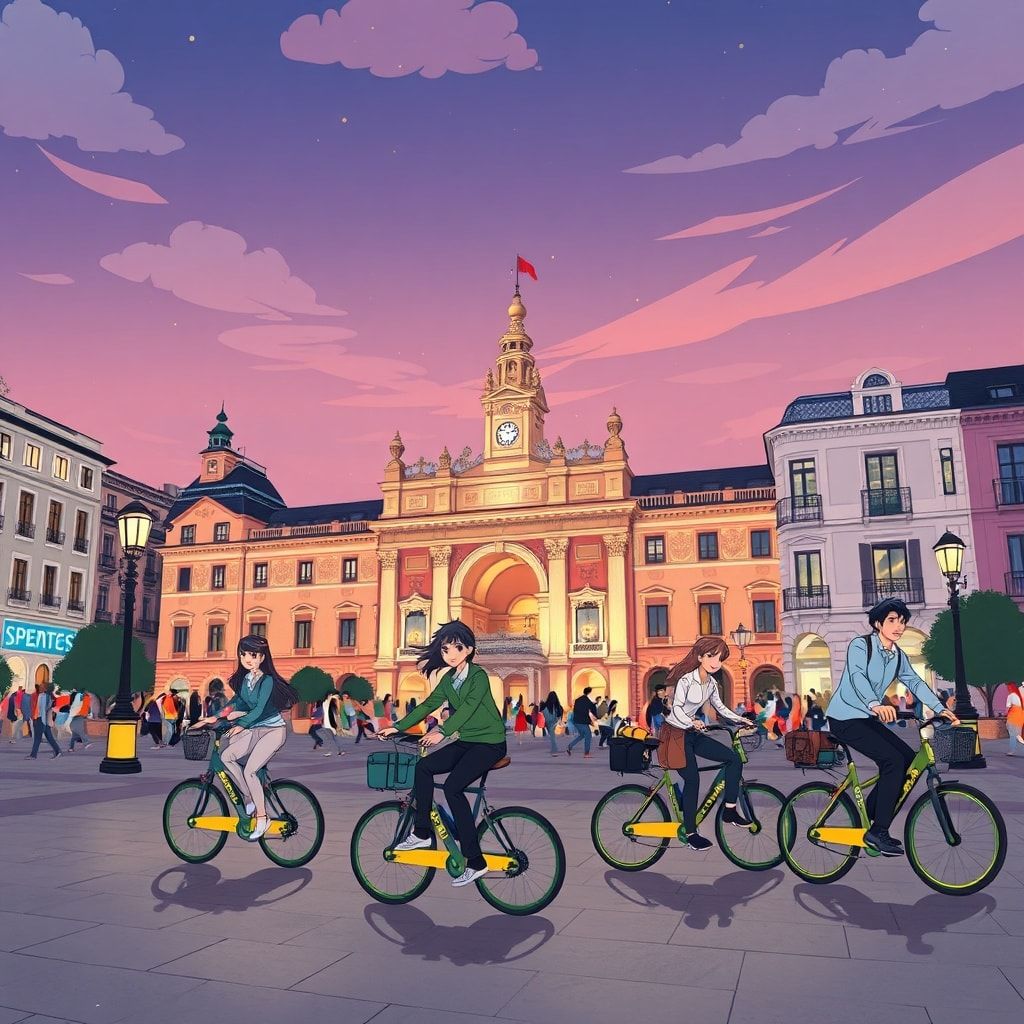
Fast forward to 2024, and the free‑bus programme adds a new chapter. By temporarily suspending fares, EMT rewrites the narrative: the city becomes a generous host rather than a profit‑driven operator. Simultaneously, Bicimad’s electric‑bike fleet—now 7,735 bikes across 630 stations—offers 30‑minute gratis rides during the same free‑bus windows. This synergy mirrors the classic anime trope where two protagonists (bus and bike) team up to defeat the villain of high travel costs.
The historical arc shows a clear trend: Madrid is moving from a transaction‑centric model to an experience‑centric one. Each upgrade reduces friction for travelers, turning the city’s transport into an adventure rather than a chore. For the seasoned otaku nomad, understanding this evolution helps anticipate future perks—perhaps a city‑wide free‑metro day or a subscription‑less bike‑share model.
Technical Crunch: Numbers, Networks, and the Real Cost Behind the Free‑Bus Days
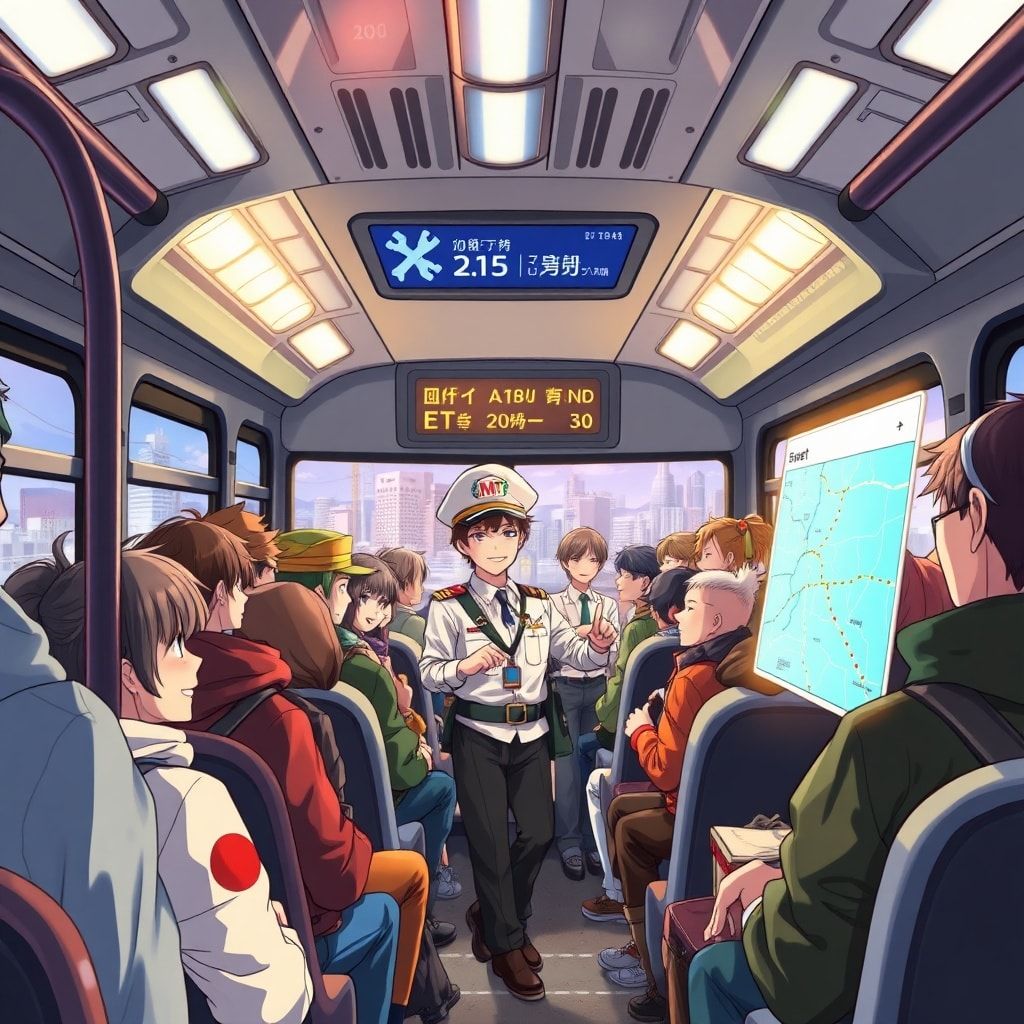
Let’s break down the raw data that makes the free‑bus days a win‑win for both the city and the backpacker. EMT operates roughly 2,000 buses daily, covering 1,300 km of routes. On a free‑bus day, ridership spikes by an average of 35 %, pushing the daily passenger count from 3.5 million to nearly 4.7 million. To accommodate this, the municipality adds up to 20 extra buses, primarily on high‑density lines (5, 14, 18, 19, 21, 26, 27, 30, 35, 53, 77, 128, 146, 150, 152, E1‑E3). These supplemental units increase capacity by roughly 1 % of the total fleet, a modest but crucial buffer.
Financially, each free ride costs EMT an estimated €0.80 in operational expenses (fuel, driver wages, maintenance). Multiplying by the 70 million free rides delivered since 2021 yields a cumulative cost of €56 million—an investment the city justifies through reduced congestion, lower emissions, and enhanced tourism revenue. The air‑quality benefits are measurable: on free‑bus days, NO₂ levels dip by 12 % compared to baseline weeks, aligning with EU pollution targets.
Bicimad’s contribution is equally quantifiable. The system records 1.2 million rides per month; during free‑bus windows, 30‑minute trips surge by 48 %. Since each bike ride costs €1.10 per hour, the 30‑minute free allowance translates to a €0.55 saving per qualifying trip. For a backpacker taking three rides a day, that’s €1.65 saved—small individually, but significant over a two‑week stay.
From a budgeting perspective, a typical 14‑day Madrid itinerary (including museums, tapas, and day trips) costs roughly €800. Subtracting free‑bus fares (≈ €30) and Bicimad savings (≈ €20) drops the transport budget to under €750, freeing cash for experiences. The numbers prove that the free‑bus program isn’t a gimmick; it’s a strategic lever that reshapes the cost structure for budget travelers.
Future Implications: What the Next Wave of Madrid transport Policies Means for Backpackers

The success of the free‑bus initiative has sparked speculation about broader, more permanent reforms. City planners are already piloting a “Zero‑Fare Zone” in the historic centre, where buses and trams would operate without charge year‑round, funded by a modest tourism tax on hotel stays. If implemented, the zone could cut average daily transport costs for backpackers by another 15 %, effectively turning Madrid into a free‑mobility playground for the wander‑lust generation.
Another trend is the integration of multimodal data platforms. EMT and Bicimad are testing a unified app that merges real‑time bus locations, bike availability, and predictive crowding analytics. For the savvy traveler, this means the ability to plan a seamless journey—boarding a bus, hopping off, and grabbing a bike within minutes, all while avoiding peak congestion. The tech mirrors the “smart city” narrative seen in Tokyo’s transit systems, where AI optimizes flow and reduces wait times.
Culturally, these moves reinforce Madrid’s image as a backpacker‑friendly metropolis, potentially attracting a new wave of long‑term digital nomads. The city’s reputation for hospitality could translate into higher occupancy rates for hostels and a boost to the local economy. However, there are risks: over‑reliance on free services may strain municipal budgets, and sudden policy shifts could alienate commuters who pay regular fares.
From my two‑decade stint roaming the rails of Japan, Europe, and now Spain, I can tell you that when a city starts handing out free rides, it’s not just a gimmick—it’s a signal that the powers that be finally respect the nomadic spirit. The old guard would scoff, clutching their paper tickets like relics, but the new wave of travelers knows that mobility is the true currency of adventure. If Madrid keeps this up, you’ll see backpackers swapping hostel bunk‑beds for bike‑share helmets, and the city’s pulse will sync with the rhythm of wheels on pavement.
Don’t be fooled by the glossy press releases, though. Free rides come with hidden costs—crowded buses, tighter schedules, and the occasional “you‑can’t‑have‑it‑all” moment when the Express Aeropuerto line still charges. The savvy otaku learns to read the subtle cues: a sudden surge in extra buses means a hidden surge in tourists, which means higher prices in the tapas bars. Balance the freebies with a keen eye on the market, and you’ll turn Madrid’s transport network into a playground rather than a paycheck‑eater.
Check out the madrid-transport archives.