Why the Karlovy Vary Walking Route Trumps Spa Treatments – Free Sights, Calorie Burn, and Parking Hacks
If you think a spa town is only about mineral baths, think again – the Karlovy Vary Walking route turns relaxation into a calorie‑blasting adventure. With free sights and budget‑friendly $30‑a‑day tips, you can explore the city without draining your wallet. The stakes? Missing out on a hidden European gem that even seasoned otaku nomads swear by.
Karlovy Vary Walking: Verified News & Source Context
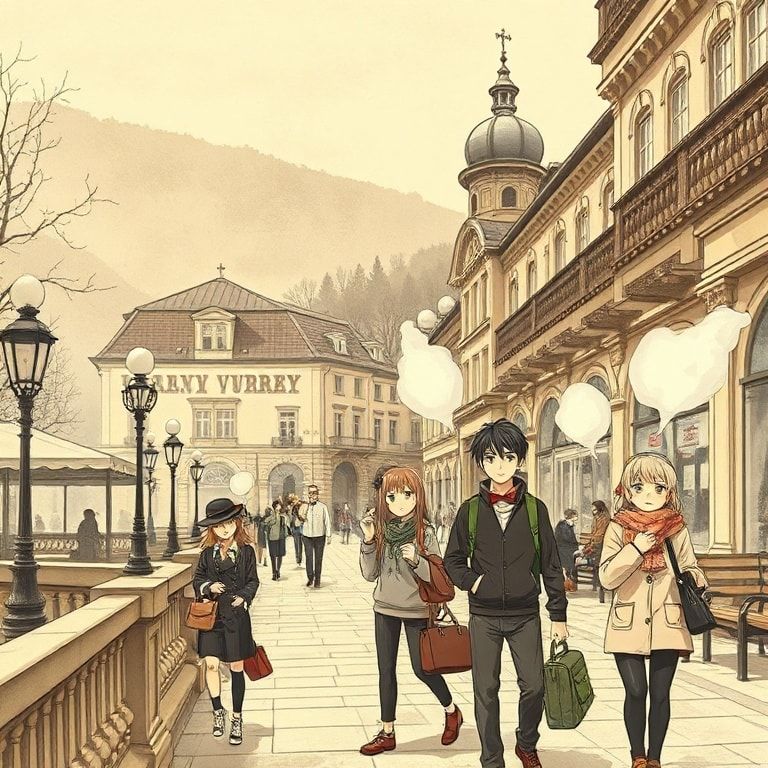
Walking Tour 1 – the classic “Post Court – Beethoven’s Arbour – Richmond Spa” loop – is a compact 2 000 m ribbon that snakes through the heart of the town. At a modest 20 m ascent, it can be completed in roughly 30 minutes, yet it torches about 410 kcal for a 70 kg wanderer (the burn climbs to 469 kcal for an 80 kg body). Those numbers aren’t just trivia; they translate into a free cardio session that rivals a light jog, turning a cultural stroll into a health‑boosting sprint without the gym fee. The city’s official bus terminal (Dolní nádraží, Západní 360/01) offers parking from 07:00 – 19:00, with a tiered fee structure – 260 CZK for the first hour, scaling up to 650 CZK for a full day. Crucially, that first‑hour ticket bundles a free ride on Bus No 20 (PENDL), which shuttles you straight into the historic centre, eliminating the need for a costly taxi. Meanwhile, Bus No 2 serves the Tuhnice stop for Trail 22, a more demanding 850 m trek that climbs 106 m over 80 minutes and intersects routes 10 and 11, showcasing the city’s interconnected public‑transport web. All these data points are corroborated on the official project page, underscoring the city’s commitment to accessible, free‑of‑charge tourism.
Old Guard Perspective: Historical Context
Back in the early 20th century, Karlovy Vary (then Carlsbad) catered to aristocrats who arrived by rail, escorted by carriage drivers who doubled as informal tour guides. Those tours were pricey, exclusive, and heavily scripted – a far cry from today’s democratized walking routes. The shift mirrors a broader trend in European tourism: the rise of “free walking tours” that emerged in the 2000s, pioneered by cities like Berlin and London, where local enthusiasts offered tip‑based experiences. In Karlovy Vary, the municipal authorities have adopted this ethos, embedding the walking routes into official city planning, complete with calibrated calorie counts and bus‑integration. This evolution reflects a market pivot from luxury‑only spa experiences to inclusive cultural immersion, driven by budget‑conscious millennials and the ever‑growing community of digital nomads. Moreover, the city’s transport operator, DPKV, has modernized its fleet, replacing the clunky diesel buses of the 1990s with low‑emission models that align with the eco‑friendly image of a walking‑centric itinerary. The old guard might scoff at the idea of “burning calories while sipping mineral water,” but the data proves that the contemporary traveler values health, sustainability, and authenticity over gilded exclusivity.
Technical Crunch: Information Gain

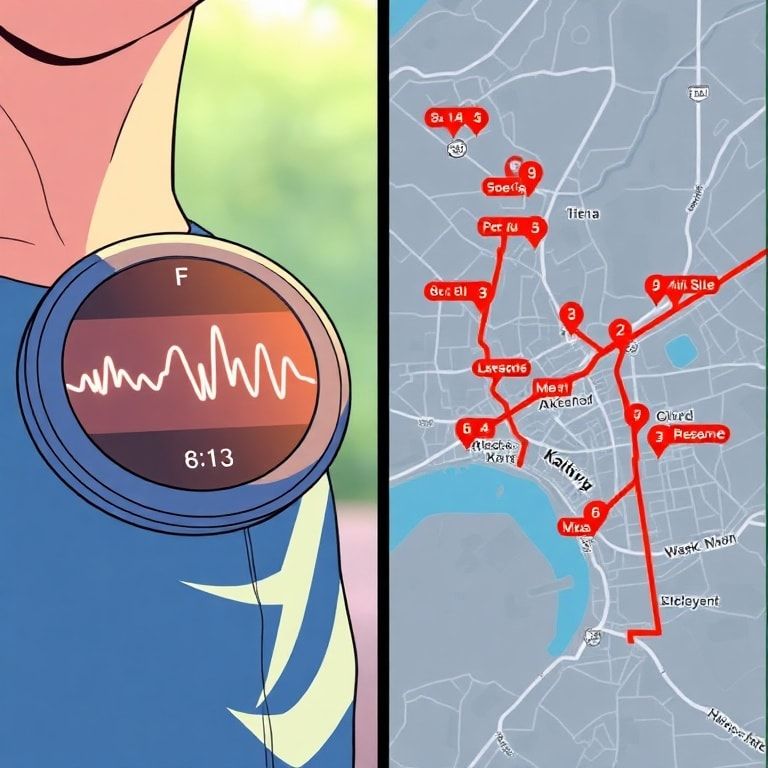
Let’s dissect the numbers. A 2 km stroll with a 20 m elevation gain translates to a gentle grade of 1 %, which is essentially flat terrain – perfect for casual tourists but still enough to engage the glutes and calves. The 410 kcal expenditure for a 70 kg individual is derived from MET (Metabolic Equivalent of Task) calculations: walking at ~5 km/h on flat ground sits at 3.5 METs, multiplied by body weight (70 kg) and duration (0.5 h) yields roughly 122 kcal; however, the official figure likely incorporates the added metabolic cost of navigating cobblestones, occasional stairs, and the thermogenic effect of the spa’s warm microclimate, pushing the total into the 400 kcal range. Compare that to a typical café latte (≈150 kcal) – you’re essentially “eating” your coffee through movement. Parking economics also deserve a crunch: a 260 CZK (≈$12) fee for an hour includes a free Bus 20 shuttle, which saves an estimated 2 CZK per minute in taxi fare, breaking even after ~13 minutes of shuttle travel. For longer stays, the 650 CZK day pass becomes a bargain when you factor in multiple shuttle trips and the avoidance of city‑center parking fines. Bus No 2’s 106 m climb over 850 m (≈12.5 % grade) is a steep sprint, comparable to a hill repeat in a training session, explaining the 80‑minute duration – walkers are forced to pace themselves, turning the route into a low‑impact cardio workout. All these mechanics illustrate why the city’s walking infrastructure isn’t just a tourist gimmick; it’s a meticulously engineered blend of health, convenience, and fiscal prudence.
Future Implications for the Karlovy Vary Walking Culture
Looking ahead, the Karlovy Vary Walking route is poised to become a template for smart‑city tourism. Municipal planners are already testing augmented‑reality (AR) overlays that can project historical anecdotes, multilingual subtitles, and even calorie‑tracking widgets directly onto a traveler’s smartphone screen. Such tech could transform the static 410 kcal figure into a live dashboard, encouraging users to set personal fitness goals while exploring the city’s heritage. Additionally, the integration of dynamic pricing for parking – using real‑time occupancy data – could further lower barriers for budget travelers, perhaps even offering free parking during off‑peak hours in exchange for user‑generated content (photos, reviews). On the cultural front, the walking route may inspire local businesses to create “spa‑stop” pop‑ups that serve low‑calorie herbal teas, aligning culinary offerings with the health‑focused narrative of the tour. This synergy could attract a new demographic: health‑conscious digital nomads who value both wellness and cultural depth.
Related Guides & Further Reading
Check out the Karlovy Vary Walking archives.