Master the Fate watch order: Navigate Every Timeline Before 2026
Ever felt lost in the labyrinth of Fate adaptations, wondering which route to binge first? The Fate watch order isn’t just a checklist; it’s a roadmap through a multiverse of myth, magic, and marketing. Miss a single installment and you’ll be left puzzling over unexplained powers, character motivations, and the infamous “who‑wins” debates that fuel endless forums. For a broader perspective across all anime series, check out our comprehensive anime watch order hub before you dive in.
Verified News & Source Context for the Fate watch order
The saga begins with the official project page, noting that the original visual novel launched on January 30, 2004, setting a precedent for interactive storytelling in the early 2000s. Two years later, Studio Deen tackled the ambitious task of adapting the sprawling narrative into a 24‑episode TV series (January‑June 2006). While the Deen version introduced many to the Holy Grail War, its limited budget and rushed pacing left purists craving fidelity. Fast forward to 2010, the first cinematic take—Fate/stay night: Unlimited Blade Works—arrived as a film, offering a condensed yet visually richer glimpse of the route. However, it was Ufotable’s 2014‑2015 TV remake of Unlimited Blade Works that truly redefined production values, marrying fluid animation with a meticulously choreographed soundtrack. If you want a deeper dive into each adaptation’s place in the timeline, see our detailed Definitive Fate watch order guide. The crowning achievement came with the Heaven’s Feel trilogy (2017‑2020), each film deepening the dark, psychological undercurrents of the third route. Together, these milestones map a clear chronological path for any newcomer daring to watch the series in order.
Historical Context: The Old Guard Perspective on Fate watch order
When Deen first aired in 2006, the anime industry was still wrestling with the transition from cel to digital. Their approach mirrored contemporaries like Hellsing and Blood+, where limited animation budgets forced reliance on static panels and heavy dialogue. This era’s studios often prioritized quantity over quality, a stark contrast to Ufotable’s later philosophy of “quality over quantity.” By the time Ufotable entered the arena, the market had shifted: streaming platforms demanded binge‑worthy content, and fans expected cinematic fidelity. The studio’s decision to re‑animate Unlimited Blade Works wasn’t merely a remake; it was a statement that the franchise deserved a visual overhaul to match its narrative depth. Moreover, the Heaven’s Feel films arrived amid a wave of dark fantasy adaptations (e.g., Attack on Titan’s final seasons), capitalizing on audience appetite for gritty, morally ambiguous storytelling. This historical pivot illustrates how the Fate watch order reflects broader industry trends—from budget‑constrained TV series to high‑budget cinematic experiences—making each installment a cultural timestamp.
Technical Crunch: Lore Mechanics and Production Design in the Fate watch order
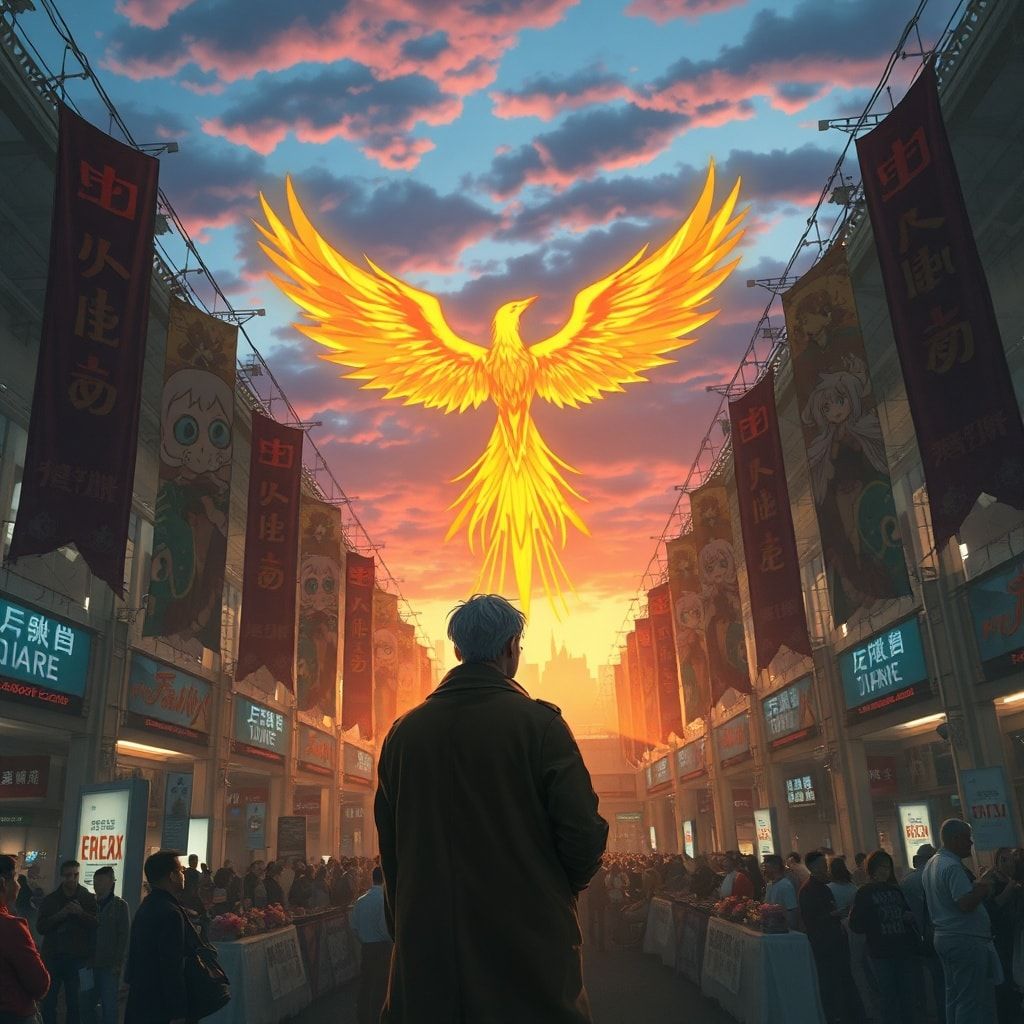
Beyond chronology, the Fate franchise thrives on layered mechanics: Servant classes, Noble Phantasms, and the intricate magic system of magecraft. Each route emphasizes different aspects—Unlimited Blade Works spotlights the “Unlimited” nature of Archer’s Reality Marble, while Heaven’s Feel delves into the corrupting influence of the Grail’s true nature. Production design mirrors these themes: Ufotable’s use of 3D models for background environments allows seamless integration of magical sigils, giving the “projection” of spells a tangible, luminous quality. The Heaven’s Feel trilogy pushes this further, employing motion‑capture for fight choreography, resulting in hyper‑realistic combat that feels both balletic and brutal. Narrative structure also evolves; the Deen series follows a linear, episodic format, whereas Ufotable adopts a “season‑arc” model, allocating entire cour to specific plot beats, which enhances pacing and character development. Understanding these technical choices is crucial for the watch order because they affect how plot revelations land—watching the 2014 Unlimited Blade Works before Heaven’s Feel provides the necessary context for the Grail’s true purpose, while skipping the Deen series doesn’t diminish comprehension due to its narrative redundancy. For a full breakdown of production nuances, see our ultimate guide to Fate chronology and production.
Future Implications of the Fate watch order
Looking ahead, the franchise shows no signs of slowing. Ufotable’s announced spin‑offs—such as a potential Fate/Grand Order anime adaptation—could further complicate the watch order, introducing new timelines that intersect with established routes. Moreover, the rise of hybrid live‑action/CGI projects in Japan hints at experimental formats that might blend the visual fidelity of Ufotable with the narrative depth of the original visual novel. From a market perspective, each new release revitalizes merchandise sales, streaming licenses, and international conventions, cementing Fate’s status as a cross‑generational anchor. However, the risk lies in franchise fatigue; oversaturation could dilute the impact of future installments if they fail to innovate beyond the established mythos. For seasoned fans, maintaining a coherent watch order becomes a strategic exercise—balancing nostalgia for the Deen era with the allure of cutting‑edge CGI, while newcomers must decide whether to start with the 2006 series or jump straight to the high‑definition Ufotable productions.
Listen up, green‑horns: the Fate watch order isn’t a casual Netflix queue; it’s a pilgrimage through a multiverse that’s been re‑shaped by budget cuts, studio ambitions, and fan expectations. If you binge the Deen series after the Ufotable films, you’ll feel like you’ve been handed a reheated ramen—still edible, but missing the umami that only a master chef can deliver. The real magic lies in respecting the evolution: start with the 2006 Deen run for a taste of the original narrative scaffolding, then plunge into the 2014‑2015 Unlimited Blade Works for a visual feast that finally does justice to Archer’s over‑the‑top swagger.
And don’t even think about skipping Heaven’s Feel because you’re “too busy.” Those three films are the dark heart of the franchise, pulling the Grail’s twisted mythology into stark, blood‑soaked focus. Miss them, and you’ll never grasp why Shirou’s idealism shatters under the weight of destiny. Trust a veteran: the order matters, the quality matters, and the patience you invest now will pay dividends in every forum debate and fan‑theory marathon you’ll ever join.
Related Guides & Further Reading
Check out the Fate series archives.