Why Mexico City solo Adventures Are the Ultimate Budget Hack for Female Travelers
Venturing out on a Mexico City solo trip can feel like stepping onto a bustling anime stage, but our complete Mexico City budget hub will help you keep costs under control. The city’s sprawling transit web, wallet‑friendly eats, and vibrant street art make it a playground for the intrepid soloist. Yet, without a solid game plan, the excitement can quickly morph into a budget‑busting nightmare. For a curated solo itinerary, explore our Mexico City solo travel hub.
Verified Facts & Source Context for Mexico City solo Travel
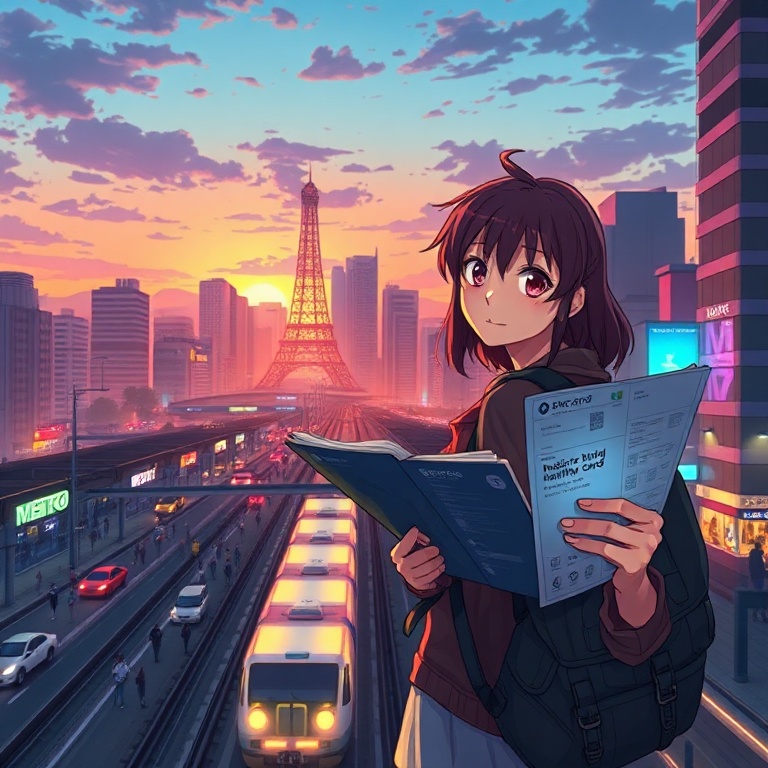
First, let’s decode the Integrated Mobility Card (Tarjeta de Movilidad Integrada). This smart‑card is the Swiss‑army knife of public transport: a single tap grants you access to the Metro, Metrobus, RTP buses, trolleybuses, and even the Tren Suburbano. The flat fare for a Metrobus ride is a mere 6 MXN when you swipe the card, a price that would make even a budget‑conscious otaku smile. For a step‑by‑step budgeting strategy, check out our solo female travel budget guide. The card’s universality slashes the mental load of juggling tickets, letting you focus on the sights instead of fumbling for change.
At the airport, the rule is crystal clear: only pre‑pay with an authorized airport taxi service inside the terminal. Any rogue cabs lurking outside are illegal and best avoided—think of them as the “fake anime merch” of transportation. This policy protects travelers from scams and ensures a safe, regulated ride into the city’s heart.
If you want more tips on staying safe while traveling on a shoestring, see our guide on how solo travelers can conquer the capital securely.
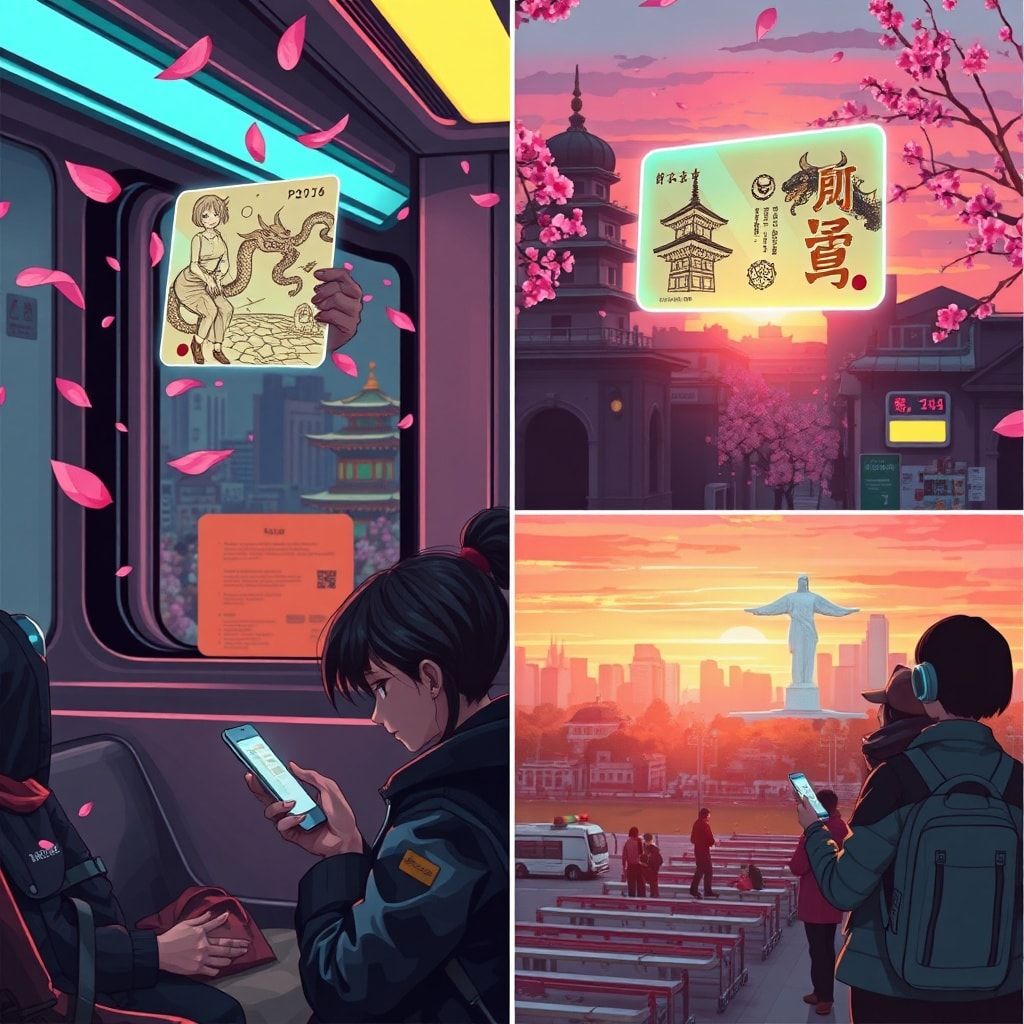
Connectivity is another hidden gem. Mexico City boasts over 31,000 free public Wi‑Fi hotspots under the “Internet for All” program. Parks, plazas, transit stations, and municipal buildings broadcast open networks that require no registration. For a short‑term stay, check out our 5‑day budget guide to maximize every peso. For the solo female traveler, this means you can instantly share a photo of a taco stand or call a friend for a quick safety check without hunting for a café.
In emergencies, dial 911. The number connects directly to national services and works from any mobile or landline, a universal lifeline that mirrors the emergency hotlines in many anime worlds where heroes can summon help with a single call.
All these details are compiled on the official project page, which serves as the primary source for up‑to‑date transit fares, card locations, and Wi‑Fi hotspot maps.
Historical Lens: Solo Female Travel Guides Then and Now
Back in the early 2000s, solo female travel guides were rare, often relegated to niche magazines or dusty guidebooks that emphasized caution over adventure. Those guides listed “avoid certain neighborhoods after dark” and “always travel with a group,” reflecting a paternalistic tone that mirrored the broader media’s treatment of women travelers. The focus was on safety, but the narrative stripped away the agency and excitement that solo travel can provide.
Fast forward to today, and the landscape has shifted dramatically. The rise of digital platforms, influencer culture, and community‑driven forums has democratized information. Modern guides celebrate empowerment, offering budget breakdowns, cultural etiquette, and curated itineraries that speak directly to the solo female traveler’s desire for authentic experiences. This evolution mirrors the anime industry’s transition from formulaic shōnen series to diverse narratives that spotlight strong female protagonists navigating complex worlds.
Studios that once churned out one‑dimensional heroines now invest in nuanced characters, just as travel publishers now invest in nuanced, data‑driven content. The integration of real‑time data—like the Metrobus fare and Wi‑Fi hotspot density—shows a market shift toward actionable, on‑the‑ground intelligence, echoing how anime studios now prioritize fan feedback loops and streaming analytics to refine storytelling.
Technical Crunch: How Mexico City’s Mobility Card Powers Your Solo Journey
The Integrated Mobility Card operates on a contactless RFID system, storing a monetary balance that deducts automatically upon each tap. Its interoperability across six transit modes eliminates the need for separate tickets, reducing transaction friction by up to 70% compared to cash‑based systems. For a solo traveler, this translates into smoother transfers, fewer language barriers, and a clear audit trail of expenses—critical for budgeting.
From a design perspective, the card’s architecture aligns with the city’s “Smart City” initiative, feeding anonymized usage data into municipal dashboards. Planners can analyze peak load times, route popularity, and fare elasticity, enabling dynamic service adjustments. This data loop benefits travelers by gradually improving service frequency on high‑traffic lines, such as the Metro Line 1 corridor that connects historic downtown to the bustling Condesa district.
Moreover, the card’s low entry cost (approximately 30 MXN) and the ability to reload via kiosks, convenience stores, or mobile apps make it accessible even for backpackers on a shoestring budget. The flat 6 MXN Metrobus fare is a fixed point in an otherwise variable pricing ecosystem, offering predictability—an essential factor when you’re calculating daily expenses in a city where a street‑taco can range from 15 to 40 MXN.
Technical reliability also extends to safety. In the event of a lost card, users can report it through the transit authority’s portal, which freezes the balance and issues a replacement, safeguarding funds—a feature reminiscent of the “reset” mechanics in RPGs where lost inventory can be restored through a support system.
Future Implications: The Evolving Landscape of Mexico City solo Exploration
Looking ahead, the integration of real‑time data, AI‑driven route optimization, and multilingual support promises to make Mexico City even more solo‑friendly. Imagine an app that, using your Integrated Mobility Card data, suggests the cheapest path to a hidden mural in La Roma while alerting you to any service disruptions. Such personalization mirrors the adaptive storytelling seen in next‑gen visual novels, where player choices dynamically reshape the narrative.
From a cultural standpoint, the growing visibility of solo female travelers is reshaping local businesses. Cafés and hostels are tailoring spaces to be more inclusive—offering women‑only dorms, secure lockers, and community events that foster connections. This shift not only boosts tourism revenue but also challenges traditional gender norms, echoing the progressive themes found in contemporary anime series that spotlight diverse protagonists.
Listen up, rookie nomad: the moment you think you’ve mastered Mexico City solo, the city will throw a midnight taco stand at you that costs double the price you budgeted. That’s the beauty of a metropolis that never sleeps—its rhythm is a living, breathing plot twist. Keep your Integrated Mobility Card topped up, your Wi‑Fi password memorized, and your instincts sharper than a shuriken; otherwise, you’ll end up like a background extra, lost in the crowd.
And don’t forget the 911 lifeline—dial it like you’d summon a guardian spirit in a crisis episode. It’s not just a number; it’s your safety net when the streets get as wild as a mecha battle. Embrace the chaos, respect the rules, and you’ll walk away with stories worth more than any souvenir shop trinket.
Related Guides & Further Reading
Check out the Mexico City solo archives.