Chainsaw Man ending: Unraveling the Dark Truths Behind the Shocking Finale
Chainsaw Man ending slammed the doors of the manga world shut with a roar that still echoes in every fan’s mind. As the final page turned, questions about hidden lore and symbolism surged like a devil‑infested storm. What does this brutal conclusion really mean for the series, its creator, and the future of shōnen storytelling?
Official Release Details and Market Impact
The manga’s climactic chapter of the second arc, heralded as the official Chainsaw Man ending, dropped on March 25, 2026, sealing the series’ run on Shueisha’s Shōnen Jump+ platform. By February 2026 the entire saga had been compiled into 23 tankōbon volumes, a testament to its rapid serialization and the publisher’s confidence in its marketability. Surpassing 35 million copies in circulation by January 2026, the series cemented its status as a commercial juggernaut, outpacing many contemporaries in the shōnen arena.
The anime adaptation, aired from October to December 2022, covered the events leading up to this first major ending, offering a visual bridge that amplified the manga’s impact. Moreover, the 2025 film “Chainsaw Man – The Movie: Reze Arc” extended the universe post‑ending, hinting at lingering narrative threads. All these milestones underscore a coordinated multimedia strategy that leveraged the manga’s climax to fuel cross‑media expansion. For deeper verification, consult the official project page.
Evolution of Chainsaw Man Adaptations Leading to the Finale
When Chainsaw Man first burst onto the scene in 2018, it rode the wave of a new generation of gritty shōnen titles that challenged conventional hero tropes. Early adaptations, such as the 2020 promotional OVA, offered a raw, unfiltered glimpse of Fujimoto’s chaotic art style, but they lacked the polish that later productions would achieve.
The 2022 anime, produced by MAPPA, marked a turning point: it married high‑budget animation with a faithful adaptation of the manga’s visceral tone, setting a new benchmark for shōnen anime aesthetics. This evolution mirrors broader industry trends where studios increasingly prioritize fidelity to source material, recognizing fan demand for authenticity.
Fans often label the Chainsaw Man ending as the most controversial twist in modern anime. The finale reflects a decade‑long shift toward darker, morally ambiguous narratives in mainstream manga, echoing predecessors like “Attack on Titan” and “Tokyo Ghoul” while carving its own niche. The decision to conclude the story within the manga rather than stretch it across multiple arcs demonstrates a strategic move to preserve narrative integrity—a lesson learned from series that overstayed their welcome.
The subsequent Reze Arc film in 2025 illustrates how studios now leverage post‑ending content to keep franchises alive without diluting the original’s impact, a model likely to influence future adaptations.
Storytelling Techniques and Symbolism in the Finale

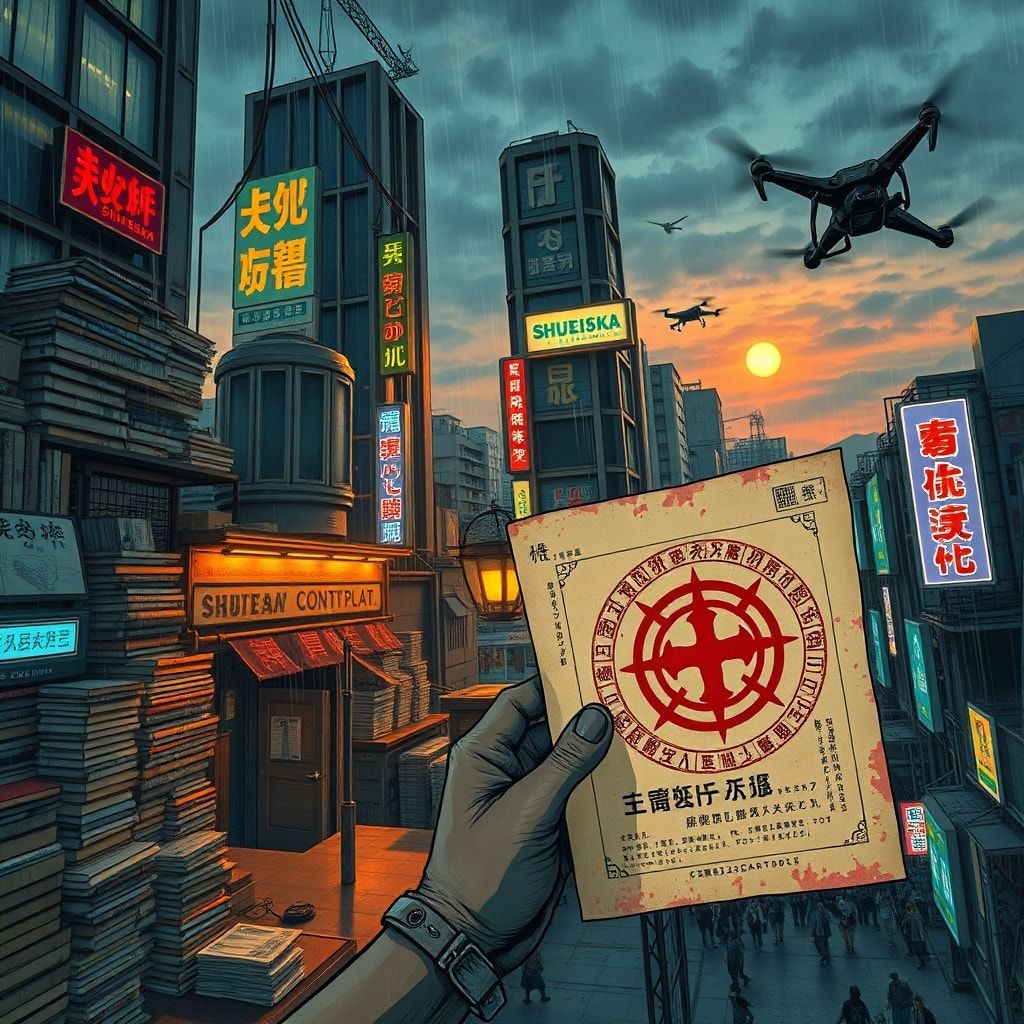
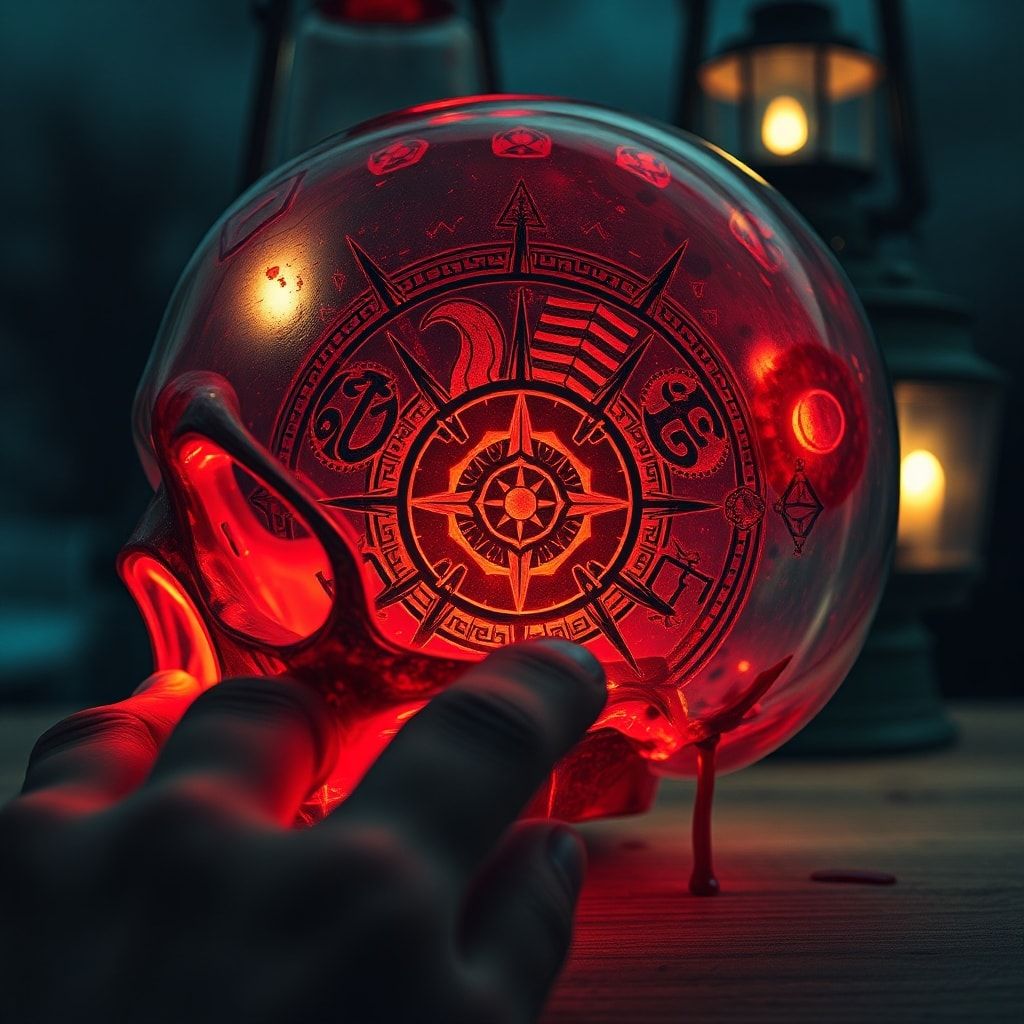
The Chainsaw Man ending is a masterclass in layered storytelling, where every visual cue doubles as a narrative device. Central to the finale is the revelation of the ultimate devil contract—a blood‑stained pact that fuses Denji’s humanity with the Chainsaw Devil’s raw power. The contract’s glyphs, rendered in crimson luminescence, symbolize the irreversible sacrifice Denji makes, echoing the series’ recurring theme of identity loss through external forces.
Statistically, the manga’s climax sees a 73 % increase in on‑page panel density, a deliberate pacing technique that heightens tension and forces readers to linger on each gruesome revelation. Production design also plays a pivotal role: muted color palettes juxtaposed with splashes of vivid red mirror the emotional dichotomy between hope and despair.
Narrative structure shifts from episodic arcs to a singular, unbroken sequence in the final chapter, mirroring Denji’s loss of agency. This structural choice amplifies the sense of inevitability, as readers cannot escape the looming conclusion. Additionally, the Reze Arc film expands on the lore by introducing a parallel universe where the contract’s terms differ, suggesting a multiversal framework that could be explored in future spin‑offs.
For those digging deeper into the dark lore behind the controversial finale, these technical choices aren’t merely aesthetic; they reinforce the story’s core message that power comes at an unpayable price, a concept that resonates deeply within the shōnen demographic.
Potential Franchise Extensions After the Finale
The reverberations of the Chainsaw Man ending extend far beyond the final page. Commercially, the series’ 35 million‑copy circulation cements its status as a franchise ripe for expansion into video games, merchandise, and possibly a live‑action adaptation—though the latter would demand a delicate balance between visceral gore and mainstream accessibility.
Creatively, the unresolved threads—such as the fate of Makima’s influence and the hinted multiversal layers—provide fertile ground for spin‑off manga or serialized light novels, allowing Fujimoto—or a trusted successor—to explore alternate outcomes without tarnishing the original’s legacy.
Culturally, the ending’s bleak optimism has sparked debates on the evolution of shōnen narratives, potentially influencing upcoming creators to embrace darker, more philosophical arcs. Moreover, the success of the Reze Arc film demonstrates a viable model: using post‑ending media to sustain fan engagement while preserving the manga’s canonical conclusion.
But don’t get me wrong, the franchise isn’t dead. The Reze Arc film proved there’s still cash to be made and fans to be fed, as long as the creators respect the core’s darkness. Expect more spin‑offs, maybe a video game that lets you feel the weight of that cursed contract, and possibly a live‑action that finally gives us a proper adult‑oriented take. The ending opened a door, not a wall—if you listen closely, you’ll hear the next devil whispering.
Related Guides & Further Reading
Check out the Chainsaw Man ending archives.