Unmasking the Hidden Threads: Fate Strange Fake lore That Even Die‑Hard Fans Missed
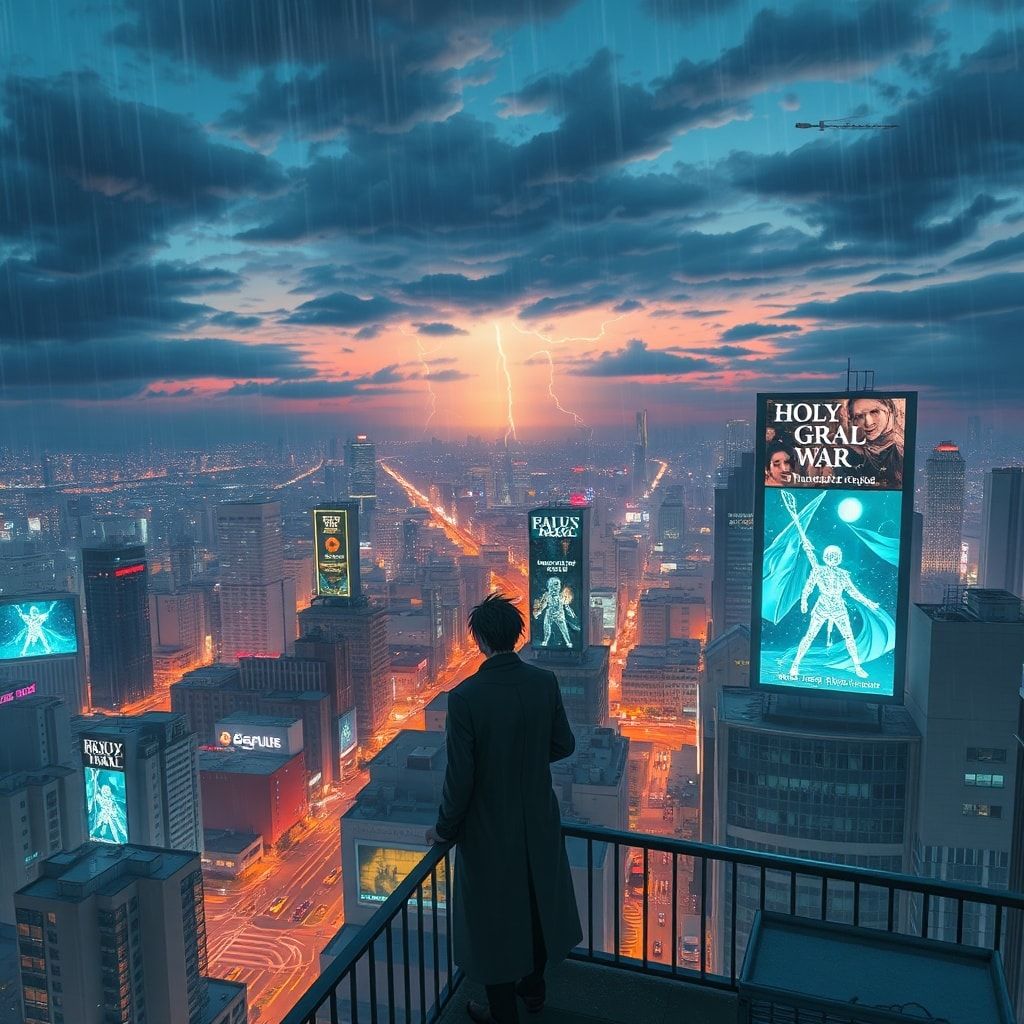
The Fate Strange Fake lore has been simmering beneath the surface of the Holy Grail War, waiting for a daring fan to pull it into the light. Explore our comprehensive Fate/Strange Fake lore hub to see every hidden detail. As rumors swirl and official releases drop like breadcrumbs, the community scrambles to piece together the puzzle. Miss a single detail and you might never grasp the full magnitude of this secret branch.
Verified News & Source Context
The light novel series, spanning nine volumes under ASCII Media Works’ Dengeki Bunko imprint, anchors the narrative with a depth rarely seen in spin‑offs. Each volume layers new Servant contracts, expanding the mythos beyond the Fifth Holy Grail War. Parallelly, the manga adaptation—five volumes from Type‑Moon Books—distills the complex plot into striking visuals, making the lore more accessible while preserving nuance. The 55‑minute anime film “Whispers of Dawn” (July 2, 2023) served as a teaser, showcasing Hiroyuki Sawano’s pulsating score and A‑1 Pictures’ crisp animation, setting a high bar for the upcoming 13‑episode series debuting December 31, 2024. Our deep dive into the dark secrets of this hidden branch reveals how the new tri‑seal system reshapes the Grail War itself. Production-wise, the collaboration between Sawano and A‑1 Pictures signals a strategic push to blend cinematic soundscapes with high‑octane fight choreography, a formula that has proven lucrative in recent Type‑Moon projects. For industry observers, this rollout illustrates a multi‑platform approach designed to capture both hardcore fans and newcomers, leveraging the novel’s rich world‑building to justify a full‑blown TV adaptation. More details can be found on the official project page.
Historical Context: Old Guard Perspective

When the original Fate/stay night debuted in 2004, it set a precedent for intricate world‑building and servant mythos. Over the past two decades, Type‑Moon has iterated on this foundation, spawning spin‑offs like Fate/Zero and Fate/Apocrypha, each pushing narrative boundaries. “Fate/Strange Fake” distinguishes itself by exploring a parallel Holy Grail War that operates under a clandestine branch, a concept reminiscent of the hidden timelines in “Fate/Extra” but executed with a more grounded, political intrigue. Studio A‑1 Pictures, known for its work on “Sword Art Online” and “Blue Exorcist,” brings a visual continuity that fans have come to expect, while also experimenting with darker color palettes to reflect the series’ morally ambiguous tone. Staff evolution is evident: director Takahiro Miura, previously a storyboard artist on “Fate/Zero,” now helms the series, infusing it with a seasoned eye for pacing. Market shifts toward streaming platforms have also influenced the series’ distribution strategy, with the 13‑episode run slated for simultaneous global release, a move that mirrors the success of “Fate/Grand Order – Absolute Demonic Front: Babylonia” on Netflix. This historical layering underscores how “Fate/Strange Fake” is both a product of its lineage and a bold step into uncharted narrative territory.
Technical Crunch: Dissecting Fate Strange Fake lore Mechanics

At the heart of “Fate/Strange Fake” lies a reimagined Servant summoning system that diverges from the classic Command Seals model. Instead of the traditional seven seals, the secret branch employs a tri‑seal protocol, allowing multiple Masters to share a single Servant through a binding contract known as the “False Grail Pact.” This mechanic introduces a strategic layer where alliances are fluid, and betrayals can occur mid‑battle, fundamentally altering combat dynamics. Additionally, the series introduces “Echo Servants,” residual echoes of previous Grail Wars that manifest as autonomous entities, adding environmental hazards that both sides must navigate. From a production design standpoint, the animation team employed a hybrid of 2D key animation and 3D compositing to render the complex sigils, ensuring they glow with a distinct luminescence that differentiates them from earlier series. Hiroyuki Sawano’s score utilizes leitmotifs tied to each Echo Servant, reinforcing their narrative significance through auditory cues. These technical choices not only enrich the viewing experience but also serve as a meta‑commentary on the series’ theme of hidden histories resurfacing. Understanding these mechanics is crucial for fans who wish to appreciate the strategic depth and thematic resonance embedded within each clash. Our episode‑7 breakdown dives into how the tri‑seal system plays out in that pivotal installment.
Future Implications for the Franchise
The success of “Fate/Strange Fake” could catalyze a new wave of parallel‑universe storytelling within the Fate multiverse. By establishing a credible secret branch, Type‑Moon gains narrative flexibility to explore alternate outcomes without retconning established canon. This opens doors for cross‑media collaborations, such as video game expansions that let players experience the tri‑seal system firsthand, or novel spin‑offs focusing on the Echo Servants’ origins. Moreover, the series’ emphasis on political intrigue may attract a broader demographic, positioning the franchise for mainstream recognition beyond its traditional otaku base. However, the risk lies in over‑fragmentation; too many divergent timelines could dilute the core identity that fans cherish. Balancing innovation with reverence for the original mythos will be key to sustaining long‑term engagement.
Listen up, fresh‑bloods: the Fate universe isn’t a static museum piece you can stroll through with a guidebook. It’s a living, breathing battlefield of ideas, and “Strange Fake” is the latest grenade tossed into the mix. The tri‑seal system isn’t just a gimmick; it’s a commentary on how power structures can be subverted when you let the underdogs rewrite the rules. If you think the series is just another flashy showdown, you’re missing the point—this is a masterclass in narrative subversion, wrapped in Sawano’s ear‑splitting crescendos and A‑1’s slick animation.
But don’t get cocky. The franchise’s history is littered with dead‑end spin‑offs that tried to ride the coattails of the mainline without offering anything new. “Strange Fake” walks a razor‑thin line between homage and innovation. Its future hinges on whether the creators can keep the lore tight enough to satisfy the purists while still pulling in the uninitiated. If they pull it off, we’ll see a new era where every Holy Grail War could have a secret sibling lurking in the shadows, ready to upend expectations. If they slip, it’ll be another footnote in the endless scroll of missed opportunities.
Related Guides & Further Reading
Check out the Fate Strange Fake lore archives.