Bergamo Weekend on a Shoestring: 48‑Hour Solo Survival Guide
When the clock strikes Friday night and you’re staring at a half‑filled wallet, the idea of a “Bergamo weekend” can feel like a distant fantasy—yet many travelers discover it easily outshines typical European city breaks, as our case for Bergamo over other capitals shows. Yet the Lombardy gem is surprisingly friendly to the frugal wanderer, provided you know where to cut costs and where to splurge for experience. This guide will arm you with the exact moves to squeeze two full days of culture, cuisine, and cable‑car vistas out of a shoestring budget. Before you start planning, take a look at our Bergamo budget hub for a complete cost breakdown.
For a quick overview of must‑see spots and transit routes, head to our Bergamo weekend hub.
Current Public Transport Pricing (Verified Updates)
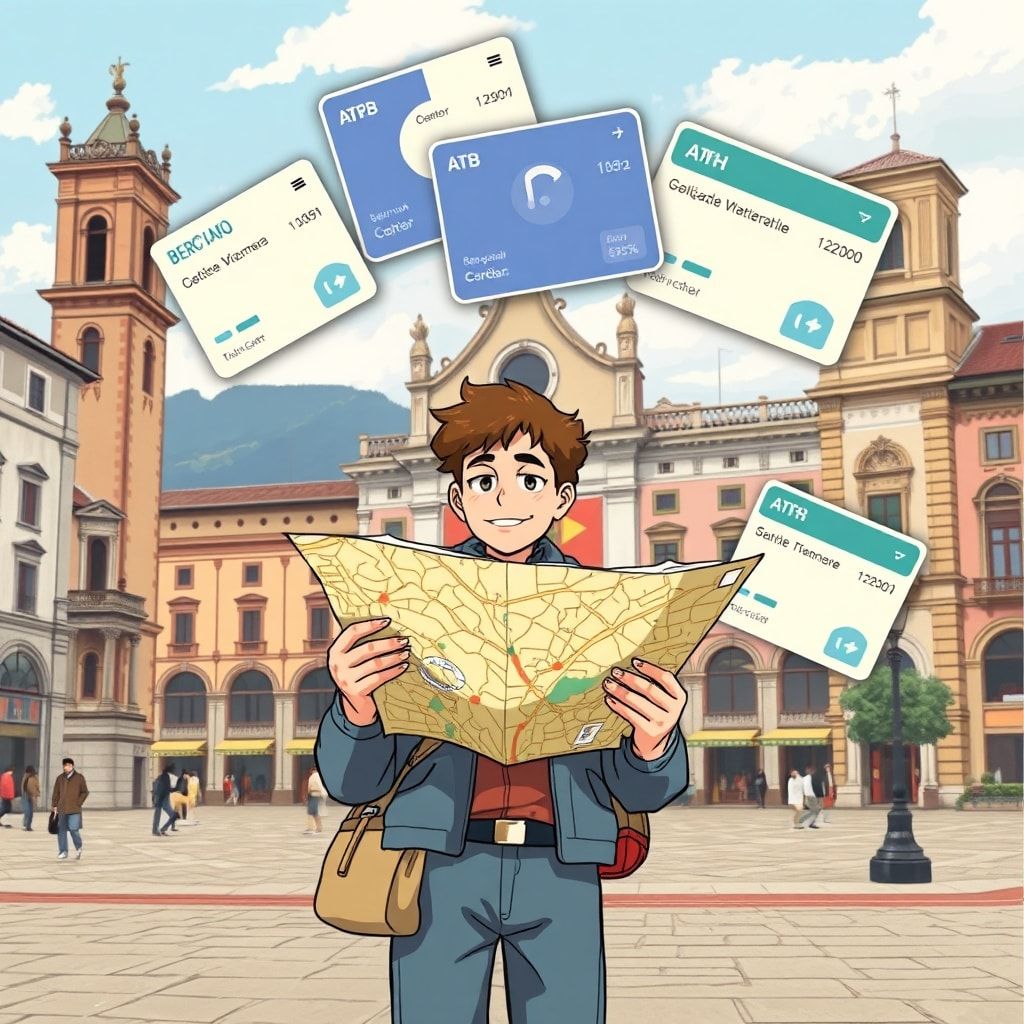
The latest ATB bulletin confirms that the Funicolare di Città—Bergamo’s iconic funicular linking the bustling lower town (Città Bassa) to the medieval citadel (Città Alta)—now charges €1.30 for a single ascent and €2.40 for a round‑trip ticket. This modest price is a boon for solo travelers, as it eliminates the need for a full‑day pass when you only need the lift twice: once to explore the historic heights and again to descend for an evening aperitivo.
Group return tickets have also been updated: a minimum of ten passengers can snag a per‑person rate of €3.10 for a one‑zone (60 min) ticket, scaling up to €4.90 for five zones (120 min). While solo adventurers won’t qualify for the bulk discount, the tiered pricing illustrates ATB’s attempt to balance affordability with revenue, a trend mirrored across European municipal transit systems.
Paper tickets were retired on 1 November 2024; all fare media are now chip‑on‑paper reusable cards. Visitors must purchase a card at any ATB kiosk, load it with credit, and tap it on the validator each time they board a bus, tram, or the funicular.
The airport shuttle from Milan‑Bergamo (BGY) to the city runs every 20 minutes, priced at the C‑Three Zones ticket. For the budget‑savvy, the 24‑hour or 72‑hour tourist tickets—covering the entire ATB network—offer unlimited rides for a flat fee, making spontaneous hops between museums, markets, and cafés painless. Finally, the Bergamo Easy Access transfer package, priced at €110 for a round‑trip bus from Piazzale Alpini to Città Alta, provides a hassle‑free door‑to‑door service for those who prefer to skip the funicular queues. Reservations must be made at least ten days ahead.
Ticket Pricing Summary
| Ticket Type | Zones / Validity | Price |
|---|---|---|
| Single Funicular (one‑way) | Zone 1 – 30 min | €1.30 |
| Funicular Round‑Trip | Zone 1 – 30 min | €2.40 |
| Single‑Zone Bus/Tram (60 min) | Zone 1 | €1.30 |
| Three‑Zone Ticket (75 min) | Zones 1‑3 | €3.40 |
| 24‑Hour Tourist Pass | All zones | €5.50 |
| 72‑Hour Tourist Pass | All zones | €12.00 |
| Group Return (10+ pax, 1‑zone) | Zone 1 – 60 min | €3.10 per person |
| Group Return (10+ pax, 5‑zone) | Zones 1‑5 – 120 min | €4.90 per person |
Evolution of Bergamo Travel Since the Early 2000s
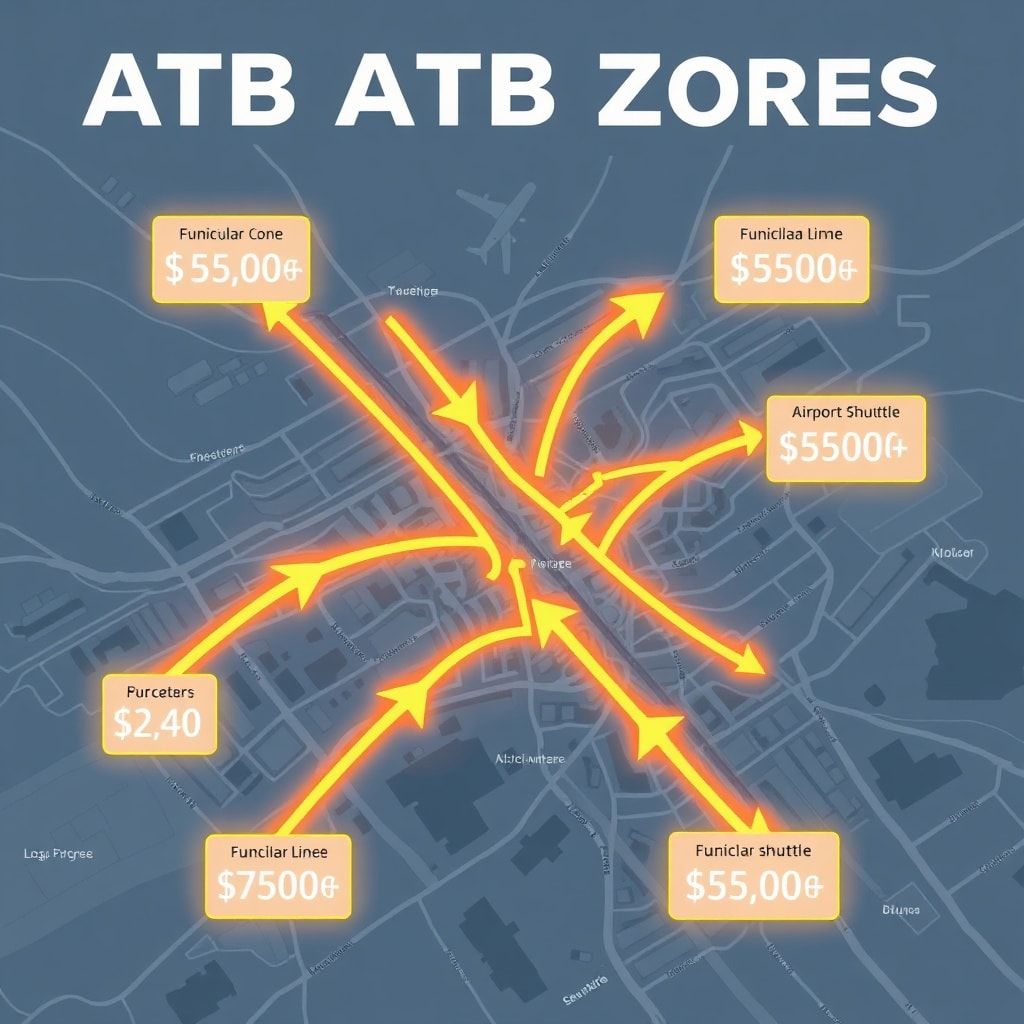
Travel guides to Bergamo have evolved dramatically since the early 2000s, when glossy brochures touted “Bergamo in 48 Hours” with a focus on luxury hotels and private car hires. Back then, the funicular was a novelty priced at €2.00 one‑way, and paper tickets dominated the scene. The shift to chip‑on‑paper cards mirrors the broader digitalization wave that swept European public transport after the 2010s, driven by EU directives encouraging contactless payments and data‑driven service optimization.
In the pre‑COVID era, group tours often bundled the funicular, city bus, and museum entries into a single package, inflating costs for solo travelers. The recent ATB policy of eliminating paper tickets and offering flexible zone‑based pricing reflects a democratization of mobility, echoing the rise of budget airlines and hostels that reshaped European backpacking culture. Moreover, the introduction of the Bergamo Easy Access transfer package is reminiscent of Japan’s “Tourist Pass” systems, where pre‑paid, reservation‑based shuttles guarantee seat availability during high‑traffic periods.
From a studio‑style perspective—if we treat the city’s transport network as a production pipeline—the transition from static, printed fare tables to dynamic, app‑driven pricing is akin to moving from hand‑drawn animation cels to digital compositing. It reduces friction, cuts down on errors, and opens the door for real‑time data analytics, allowing ATB to fine‑tune service frequency based on actual passenger flow, much like a seasoned anime director adjusts frame timing for maximum impact.
Understanding Bergamo Transport Ticket Options
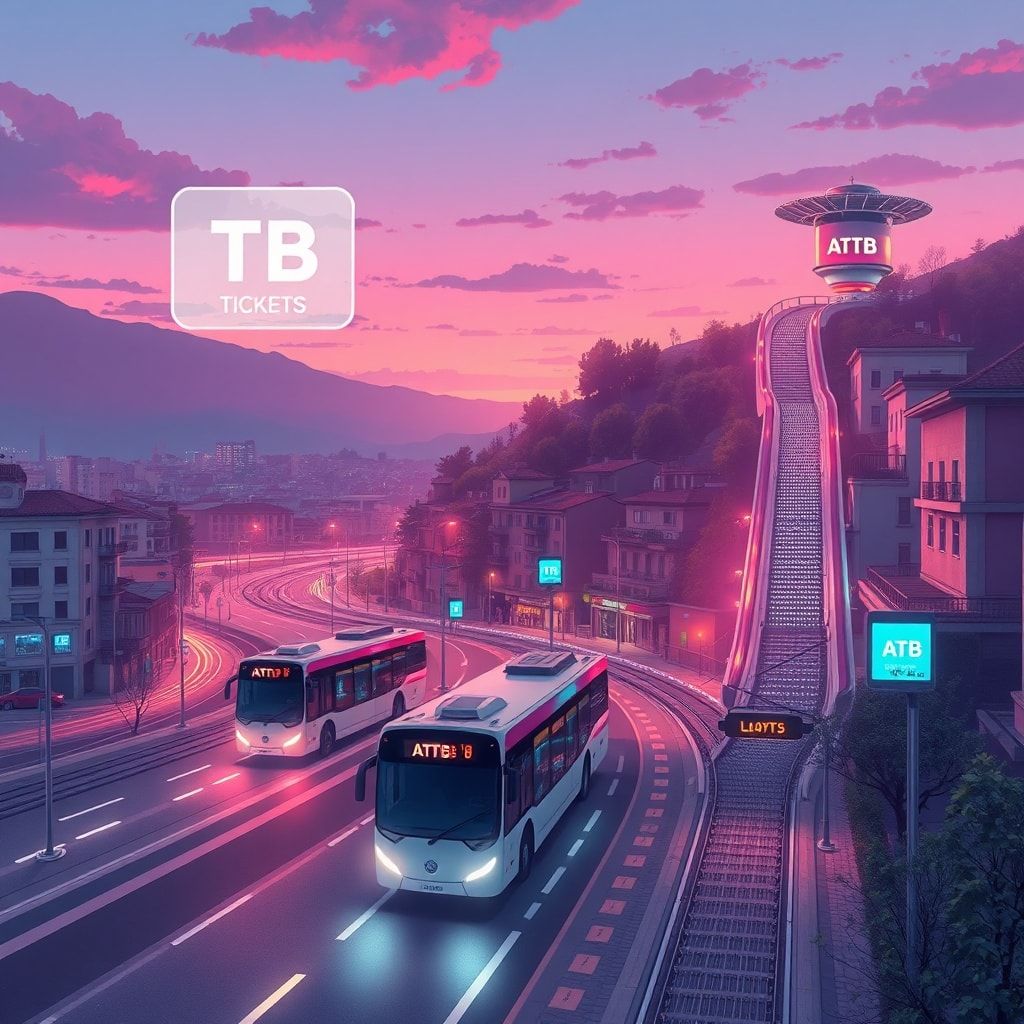
The ATB fare structure is built around a five‑zone system radiating from the city center. Zone 1 covers the immediate historic core (Città Alta), while Zones 2‑5 extend outward to suburbs and the airport. A single‑zone ticket (valid 60 min) costs €1.30 for the funicular, but the same zone for a bus ride is €1.30 as well, reflecting a unified pricing philosophy. For a solo traveler, the most cost‑effective strategy is to purchase a 24‑hour tourist ticket (€5.50) that grants unlimited travel across all zones for a full day—perfect for hopping between the Accademia Carrara, the Venetian Walls, and the bustling Mercato delle Erbe.
When you need to travel longer distances—say, from the airport (Zone 5) to Città Alta—you’ll need a three‑zone ticket (€3.40 for 75 min). However, the 72‑hour tourist pass (€12.00) covers this journey and more, effectively amortizing the cost over three days. The group return ticket pricing, while irrelevant for solo adventurers, reveals ATB’s willingness to incentivize larger parties, a tactic that could be leveraged by travel clubs or study abroad groups seeking bulk discounts.
How to Get and Load Your Reusable ATB Card
- Buy the card at any ATB kiosk or ticket machine (€2.00 purchase + €5.00 refundable deposit).
- Load credit via the kiosk, ticket machine, or the official ATB mobile app.
- Tap the card on the validator each time you board a bus, tram, or the funicular.
The discontinuation of paper tickets means you’ll need to acquire a reusable ATB card, which costs €2.00 plus a refundable €5.00 deposit. This upfront cost is quickly offset by the savings from not buying single‑ride tickets repeatedly. Additionally, the chip‑on‑paper technology logs each tap, providing ATB with granular usage data—information that can be used to adjust service frequency on the Funicolare during peak tourist hours, ensuring you won’t be stuck waiting for the next cabin during a Saturday morning rush.
If you’re looking for a step‑by‑step solo budget playbook, check out our ultimate shoestring guide for solo backpackers, which walks you through every euro‑saving hack.
Future Developments in Bergamo Public Transport
Looking ahead, Bergamo’s transport ecosystem is poised to integrate more smart‑city solutions. The ATB is already piloting contactless NFC payments via smartphones, and the next logical step is a fully integrated mobility‑as‑a‑service (MaaS) platform that bundles tickets, bike‑share, and even accommodation bookings into a single app. For the budget traveler, this could mean dynamic pricing that rewards off‑peak travel with deeper discounts, further lowering the barrier to a “Bergamo weekend” experience.
There’s also talk of expanding the Funicolare fleet with energy‑efficient, regenerative‑brake cabins that feed power back into the grid—mirroring trends in Japanese urban rail. Such upgrades would not only reduce operational costs but also enhance frequency, meaning shorter wait times for solo explorers sprinting between sunrise at the Rocca and sunset over the Piazza Vecchia. Moreover, the city’s tourism board may introduce a “Bergamo Pass 48‑Hour” specifically tailored for short‑stay visitors, bundling the 24‑hour tourist ticket, a funicular round‑trip, and discounted entry to key museums. This would streamline planning and could become a staple offering on travel platforms worldwide.
For an alternative 48‑hour itinerary that fits under $50, see our budget‑friendly 48‑hour guide for more ideas.
Listen up, green‑horns: the moment you think you’ve cracked the budget code, the city will throw a new fare tier at you like a plot twist in a shōnen showdown. Don’t be fooled by the shiny app notifications promising “exclusive discounts”—they’re often just nudges to spend more on premium zones you’ll never need. Keep your ATB card topped up just enough for the essentials, and you’ll avoid the dreaded “card‑decline” drama right before the funicular doors close.
And another thing—reservation‑only services like the Easy Access transfer are a double‑edged sword. They guarantee you a seat, sure, but they also lock you into a schedule that can clash with spontaneous alley‑way gelato hunts. My advice? Book the shuttle only if you’re landing at odd hours; otherwise, walk the 15‑minute hill and soak in the street‑level vibe. Trust a veteran: the best stories come from missed buses, not from perfectly timed itineraries.
Related Guides & Further Reading
Related Guides & Further Reading
Check out the Bergamo weekend archives.