Bergamo Budget Guide: How to Backpack the City Without Selling a Kidney
Ever landed in Italy with a backpack and a bank account that looks like a dried‑up riverbed? The Bergamo budget guide is your lifeline, and before you dive in, you might want to explore our comprehensive Bergamo budget hub, turning that cramped hostel room into a launchpad for adventure. For a quick itinerary, check out our Bergamo weekend hub that maps out the top spots on a shoestring. Strap in, because missing this intel means you’ll be paying for a cappuccino in a palace while the rest of us are feasting on street‑side panzerotti for pennies.
Verified News & Source Context – Bergamo budget guide
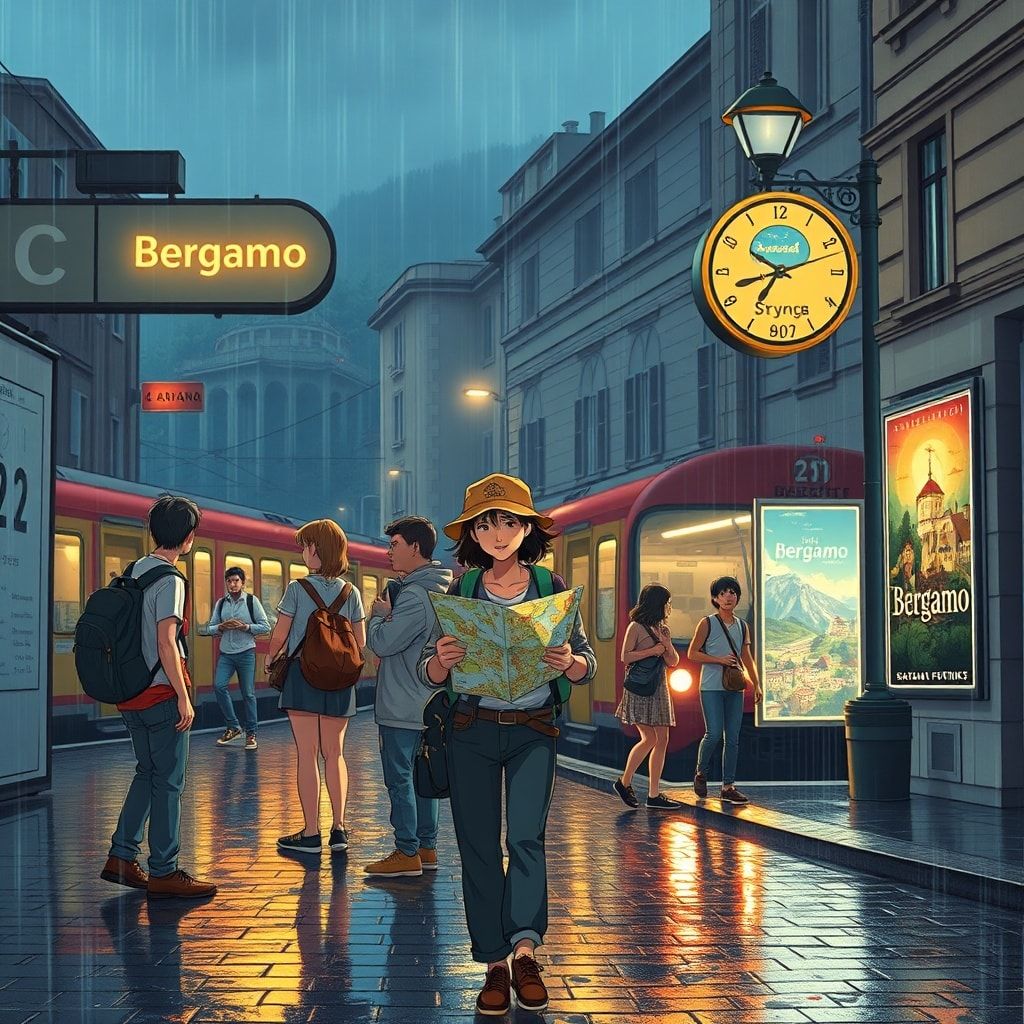
The official official project page confirms that the ATB line 1 shuttle runs every 20 minutes from Milan Bergamo International Airport to the city centre, starting at 04:50 and wrapping up around 01:30 (06:30 on holidays). This isn’t just a timetable; it’s the artery that keeps budget travelers alive, linking the runway to the historic heart without the need for pricey taxis. The shuttle’s stops—train station, Porta Nuova, funicular station, and finally Colle Aperto in Città Alta—mean you can drop your bags and be strolling the medieval streets in under an hour. For a step‑by‑step 48‑hour plan, see our budget blitz guide. If you prefer a condensed itinerary, our shoestring weekend guide walks you through a 48‑hour sprint.
Luggage storage options further sweeten the deal. At the lower‑city train station, you pay €4 for the first four hours, then €1 per hour up to the 12th hour, and a half‑euro thereafter. For the truly nomadic, a newsstand offers a flat €5‑per‑day rate, provided you pick up by 19:00. Meanwhile, Adalbert Tower lockers in Città Alta charge €5 for a small locker and €10 for medium/large, with seasonal hours that reflect tourist flow—longer summer windows, tighter winter slots. Understanding these micro‑economics lets you allocate cash where it matters: a night in a hostel, a slice of polenta, or that extra train ticket to Milan for a day‑trip. Backpackers looking for a shoestring strategy can also read our solo survival guide for tips on stretching every euro.
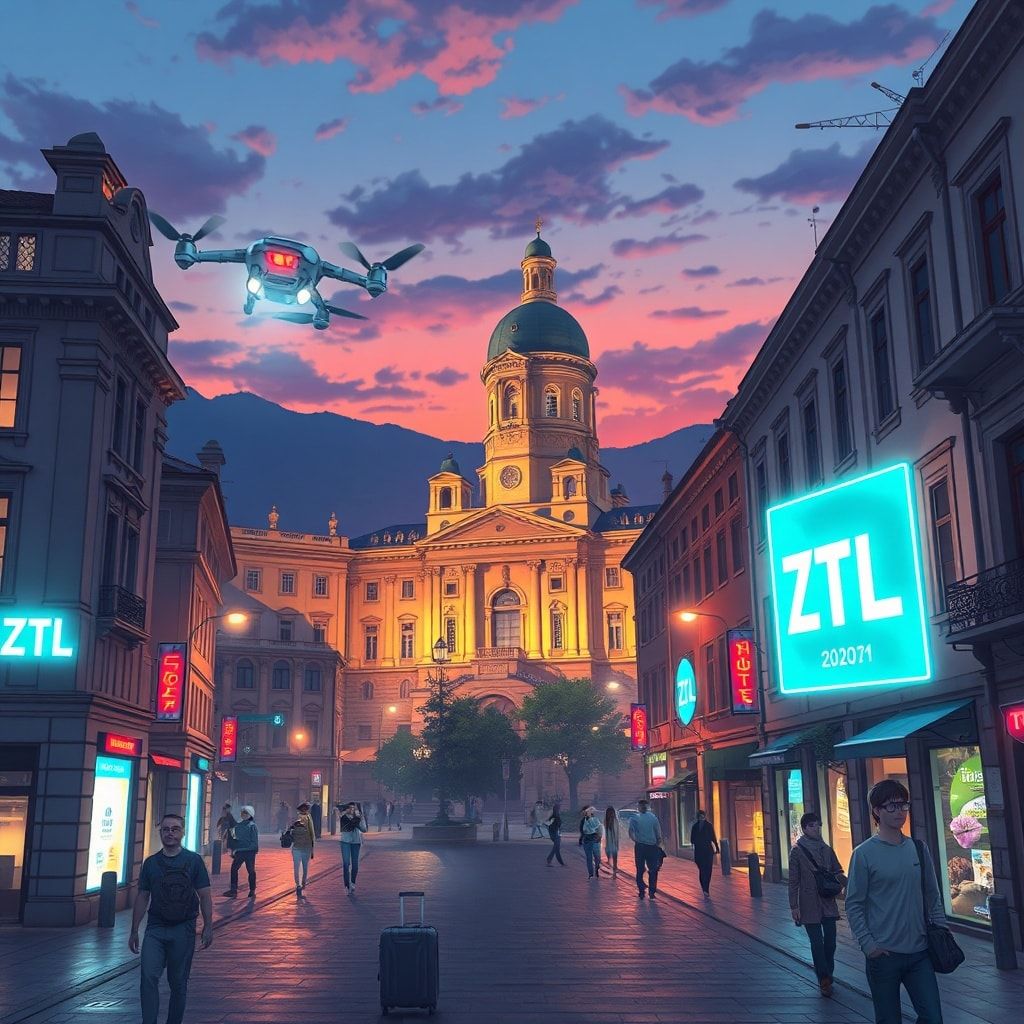
Regional trains link Milan Central to Bergamo in roughly 50 minutes, with similar timings for Brescia and Lecco. The FS station sits in Piazzale Guglielmo Marconi, and an ATB line 1a bus departs every ten minutes to the funicular lower station, ensuring you never wait long. Finally, the city’s Restricted Traffic Zones (ZTL) are a maze of permanent and timed restrictions; the interactive map on the municipal site is essential to avoid fines that can ruin a shoestring budget. Comparisons in our Bergamo weekend versus other European city break analysis illustrate the value of mastering these zones. All these logistics, when pieced together, form the backbone of a truly frugal Bergamo itinerary.
Historical Context – Old Guard Perspective
Back in the early 2000s, European backpacking guides were thick, glossy tomes that cost as much as a hostel night. The Bergamo budget guide today is a digital, hyper‑specific playbook, echoing the shift from print to micro‑content that the travel industry underwent after the 2008 crisis. Earlier guidebooks treated Italian cities as monolithic tourist magnets; they glossed over the nuanced economics of ZTLs, locker fees, and shuttle schedules. The modern approach—driven by data‑rich tourism boards like VisitBergamo—mirrors the anime industry’s pivot from broad shōnen epics to tightly‑targeted slice‑of‑life series that cater to niche audiences.
Consider the evolution of transport narratives. In the 1990s, the ATB line was a footnote, often omitted from itineraries that favored private car rentals. Today, the same line is highlighted as a green, cost‑effective lifeline, reflecting broader societal trends toward sustainability and budget consciousness. This mirrors how studios like Kyoto Animation moved from grand fantasy productions to intimate, location‑driven stories that emphasize everyday heroism—exactly what the Bergamo budget guide does for the traveler: it turns the mundane shuttle into a protagonist.
The locker pricing model also tells a story of market adaptation. Early 2000s hostels offered free luggage storage as a lure, but rising operational costs forced a shift to tiered pricing—paralleling how anime studios introduced tiered merchandise (figures, limited‑edition prints) to monetize fan engagement. Understanding these historical shifts helps the modern backpacker see Bergamo not just as a destination, but as a living case study of how tourism economies evolve, much like the anime industry’s own metamorphosis.
Technical Crunch – Information Gain
From a systems‑design standpoint, Bergamo’s transport ecosystem is a textbook example of layered redundancy. The ATB line 1 shuttle provides primary airport‑to‑city connectivity, while the regional train offers a secondary, faster link for those arriving via Milan Central. The funicular bridges the vertical divide between the bustling lower town and the medieval Città Alta, effectively flattening a 300‑meter elevation gain into a 5‑minute ride. This redundancy ensures that a single point of failure—say, a delayed shuttle—doesn’t cripple a traveler’s schedule.
Financially, the tiered luggage storage fees create a micro‑economy that incentivizes shorter stays in transit hubs. The €4 base fee for four hours discourages long‑term storage, nudging backpackers toward daily locker rentals or the newsstand’s €5 flat rate. The progressive pricing (€1 per hour up to 12 hours, then €0.50) mirrors a diminishing‑returns curve, optimizing revenue while keeping costs predictable for budget travelers. Meanwhile, Adalbert Tower’s seasonal locker hours reflect demand elasticity: longer summer windows capture peak tourist flow, while tighter winter slots reduce operational overhead.
The ZTL enforcement adds a regulatory layer that functions like a game’s boundary condition. Drivers must consult the interactive map—akin to a player checking a minimap—to avoid penalties. This not only protects historic streets from congestion but also subtly channels foot traffic toward public transport, reinforcing the city’s sustainable tourism model. For the backpacker, mastering these mechanics translates to saved euros and smoother navigation, turning the city into a well‑balanced RPG where each decision impacts the budget bar.
In practice, a savvy traveler can map a day’s itinerary around these data points: land at 07:00, catch the 07:20 ATB shuttle, store luggage for €4, ascend via funicular (free with ticket), explore Città Alta, and retrieve bags before the 12:00 deadline to avoid extra fees. The technical breakdown shows that every euro saved is the result of understanding the underlying system design.
Future Implications – What Lies Ahead
Looking forward, Bergamo’s budget travel framework is poised for digital augmentation. The city’s transport authority is piloting a real‑time API that feeds shuttle and train schedules directly into traveler apps, reducing uncertainty and further slashing hidden costs. Imagine a backpacker receiving a push notification that the ATB shuttle is delayed by five minutes, prompting an instant switch to the regional train—this level of integration mirrors the next wave of anime streaming platforms that auto‑sync subtitles across languages, enhancing user experience.
The locker ecosystem may also evolve. With the rise of smart lockers that accept contactless payments and biometric access, the €5‑per‑day newsstand model could be replaced by subscription‑based storage, offering unlimited hourly access for a flat weekly fee. Such a shift would align with the broader trend of subscription services in entertainment—think Netflix’s all‑you‑can‑watch model—making budgeting even more predictable for nomads.
Culturally, Bergamo’s emphasis on preserving historic zones while promoting sustainable tourism could become a template for other mid‑size European cities. As climate‑concerned travelers seek low‑impact destinations, the city’s ZTL enforcement and public‑transport focus position it as a leader. This could spark a wave of “heritage‑friendly” anime settings, where creators embed real‑world transport logic into their world‑building, adding authenticity that fans crave.
Listen up, fresh‑blood wanderers: the old school backpacker’s mantra—“just wing it”—is dead. In Bergamo, every shuttle, locker, and ZTL sign is a data point screaming for exploitation. If you ignore the minutiae, you’ll end up paying for a night in a boutique hotel you can’t afford, while the locals sip espresso on the same cobbles you’re supposed to be exploring.
My two decades of hopping from Tokyo’s neon alleys to Rome’s piazzas taught me that the real adventure lies in mastering the system, not just snapping selfies. Treat the ATB line like a boss battle: learn its spawn times, use the right gear (a cheap Eurail pass), and you’ll conserve enough yen‑equivalents to splurge on a genuine risotto in Città Alta. Miss the locker deadlines and you’ll be paying a fine that could’ve bought you a night’s stay in a hostel. In short, respect the logistics, and Bergamo will reward you with stories worth more than any souvenir.
Related Guides & Further Reading
Check out the Bergamo archives.