Why the Japan Rail Pass Still Beats All Other Tickets in 2026 (Or Not)
Travelers eye the Japan Rail Pass like a golden ticket, hoping it will unlock the entire archipelago without breaking the bank. In 2026 the price tags have swelled, but so have the options for budget‑savvy wanderers. The real question is whether the pass still delivers value or if it’s become a relic of a bygone era. For a broader view of Japan itineraries, visit our travel hub.
Japan Rail Pass Pricing (2023 Update)
| Class | 7‑day | 14‑day | 21‑day |
|---|---|---|---|
| Ordinary‑car | ¥50,000 | ¥80,000 | ¥100,000 |
| Green‑car (first‑class) | ¥70,000 | ¥110,000 | ¥140,000 |
These figures translate to roughly $340, $540 and $680 USD for the ordinary‑car options, a steep climb from the pre‑2023 rates. For most tourists, the ordinary‑car pass remains the sweet spot, especially when the itinerary focuses on major corridors like Tokyo‑Osaka‑Kyoto‑Hiroshima.
If you’re looking to stretch your yen further while exploring Tokyo, our Tokyo budget guide shows how to survive on ¥10,000 a day. The green‑car tier, though pricey, offers spacious seating and quieter cabins—an attractive proposition for older travelers or those craving a touch of luxury on long hauls.
Beyond raw cost, the pass grants unlimited rides on all JR Group lines, encompassing Shinkansen (except the ultra‑fast Nozomi and Mizuho services), limited‑express, and local trains. This blanket coverage means you can hop on a local commuter in Osaka, then sprint to Hakone on a rapid service without extra tickets.
- Tokyo Monorail to Haneda Airport
- JR Ferry to Miyajima
- Temporary JR‑registered private lines
For city‑wide travel, the Tokyo Subway Ticket provides a simple, cost‑effective way to navigate metro lines. Seat reservations are free; you simply scan the QR code on the pass at a reservation machine, print a ticket, and keep it as proof. For a traveler juggling multiple city hops, the convenience factor alone can justify the expense.
For the full official breakdown, see the official project page. Understanding each component helps you decide whether the pass’s all‑inclusive promise aligns with your itinerary and budget.
Historical Evolution of the Japan Rail Pass
1980s: Introduction and Early Benefits
When the Japan Rail Pass first debuted in the 1980s, it was a revolutionary tool for foreign tourists, offering a flat fee for an entire nation’s rail network. Back then, the Shinkansen fleet was limited to the original 0 Series, and the Nozomi service didn’t even exist. The pass’s simplicity—unrestricted travel for a set number of days—matched the era’s travel ethos: see as much as possible, spend as little as possible.
2000s: Emergence of Nozomi & Regional Passes
Fast forward to the 2000s, and the landscape shifted dramatically. The introduction of the Nozomi and Mizuho services on the Tokaido, San’yo, and Kyushu Shinkansen lines created a tiered speed hierarchy. While the pass still covered Hikari, Sakura, and Kodama, the fastest bullet trains became premium, nudging business travelers toward paid tickets. Simultaneously, JR East rolled out the “JR East Pass” regional variant, catering to travelers focused on the Kanto and Tohoku regions, subtly fragmenting the market.
2010s‑2020s: Price Adjustments and Expanded Benefits
In the last decade, the pass has responded to both competition and demand. The 2023 price hike reflects rising operational costs, inflation, and the need to fund newer rolling stock like the N700S series. Yet the pass also expanded its ancillary benefits—adding the Tokyo Monorail, Miyajima ferry, and occasional private‑line agreements—showcasing JR’s strategy to retain the pass’s allure despite its price. From a veteran’s viewpoint, the evolution mirrors the broader shift in Japanese rail: from a monolithic, government‑run system to a nuanced, customer‑centric network that still respects its historic roots.
How the Pass Works: Mechanics, Restrictions, and Reservations
Purchasing and Activation
The mechanics of the Japan Rail Pass are deceptively simple but hide layers of nuance. First, the pass is a voucher purchased abroad; you receive an Exchange Order, which you must swap for the physical pass within three months of issuance. The start date must be set within one month of exchange, giving you a narrow window to align the pass with your travel plans. This requirement forces travelers to pre‑plan itineraries, a boon for disciplined budgeters but a hurdle for spontaneous wanderers.
Service Exclusions (Nozomi & Mizuho)
Once activated, the pass grants unlimited rides on all JR Group lines, but the exclusion of Nozomi and Mizuho services is a critical limitation. For example, a Tokyo‑Osaka journey on a Nozomi shinkansen takes about 2 hours 30 minutes, whereas the Hikari (covered by the pass) adds roughly 15‑20 minutes. That time penalty can accumulate over a multi‑city itinerary, especially if you’re cramming a tight schedule.
Seat Reservation Process
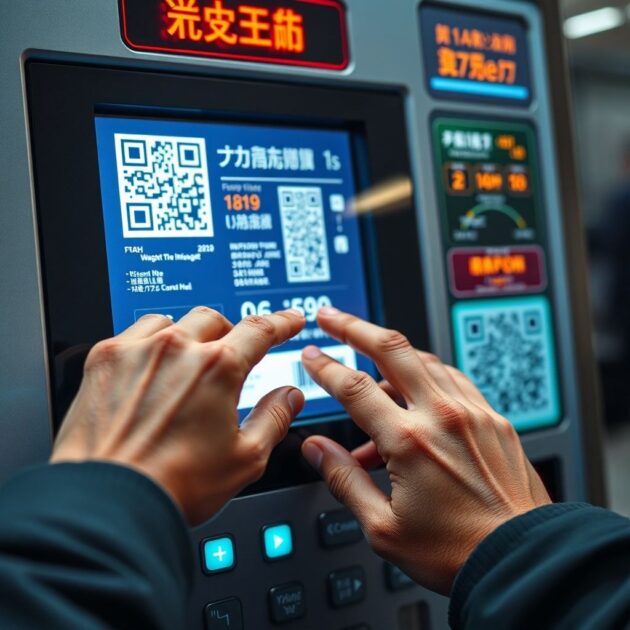
Seat reservations are free and essential for long‑distance travel. The process involves scanning the QR code on the pass at a reservation machine, selecting your desired train, and printing a small ticket that must be presented alongside the pass. This ticket serves as proof of seat assignment and is kept until you disembark. The reservation system is highly efficient, but it does require a brief interaction with the machine.
Additional Coverage (Non‑JR Segments)
Finally, the pass’s coverage of non‑JR segments is a hidden gem. The Tokyo Monorail to Haneda Airport, for instance, saves you a separate ticket purchase and integrates seamlessly into your JR itinerary. Understanding these mechanics helps you maximize the pass’s value and avoid costly surprises.
Is the Japan Rail Pass Still Worth It in 2026? Future Outlook

Opportunities Ahead
Looking ahead, the Japan Rail Pass faces both opportunities and threats. On the opportunity side, JR’s ongoing investment in high‑speed rail—like the upcoming maglev line between Tokyo and Nagoya—could eventually be incorporated into the pass, dramatically boosting its appeal. Moreover, the rise of remote work and “digital nomad” visas may increase the number of long‑term visitors who can benefit from a 21‑day or even extended regional pass.
Emerging Competitive Threats
Conversely, competition from low‑cost airlines and the proliferation of regional discount tickets could erode the pass’s market share. If airlines continue to offer sub‑¥10,000 flights between major hubs, the time saved by Nozomi‑level speed becomes a compelling argument against the pass. Additionally, any further price hikes without added benefits could push budget travelers toward alternative transport solutions.
Listen up, fresh‑blood wanderers: the Japan Rail Pass isn’t a magic wand that turns every yen into a free ride. It’s a tool—sharp, precise, and best wielded by someone who’s read the fine print and memorized the reservation machine’s quirks. If you’re hopping from Tokyo to Sapporo, Osaka to Fukuoka, and you’ve got the stamina to endure a few extra minutes on Hikari or Sakura, the pass will still save you a tidy chunk of change. But if you’re chasing the absolute fastest bullet, you’ll end up paying the premium surcharge anyway, and that’s a hard‑won lesson many first‑timers learn the hard way.
My two‑decade‑long rail‑riding career taught me that flexibility beats frugality when the schedule is tight. The pass shines brightest on sprawling itineraries that weave through rural gems—think the scenic Noto Peninsula, the snow‑capped Alps of Nagano, or the tropical islands of Okinawa (via ferry connections). Pair it with a well‑planned reservation strategy, and you’ll glide across Japan like a seasoned shinkansen conductor, all while keeping your wallet from screaming “Yatta!”
Related Guides & Further Reading
Check out the Japan Rail Pass archives.