Why the JoJo watch order Matters More Than Ever in 2026
If you think you can just press play and binge JoJo’s Bizarre Adventure without a plan, think again – the JoJo watch order is the only map that keeps you from getting lost in a sea of Stand battles and time‑travel paradoxes. To see how this fits into the broader anime binge‑watching landscape, check out our comprehensive anime watch order hub. The series has finally landed a global streaming home for its newest chapter, and the stakes are higher than a Gold Experience Requiem on a caffeine binge. Miss the proper order and you’ll waste precious episodes trying to decode why a horse‑riding cowboy is suddenly fighting a marble‑eyed pirate in a race across America.
2026 Steel Ball Run Anime Announcement and Its Impact
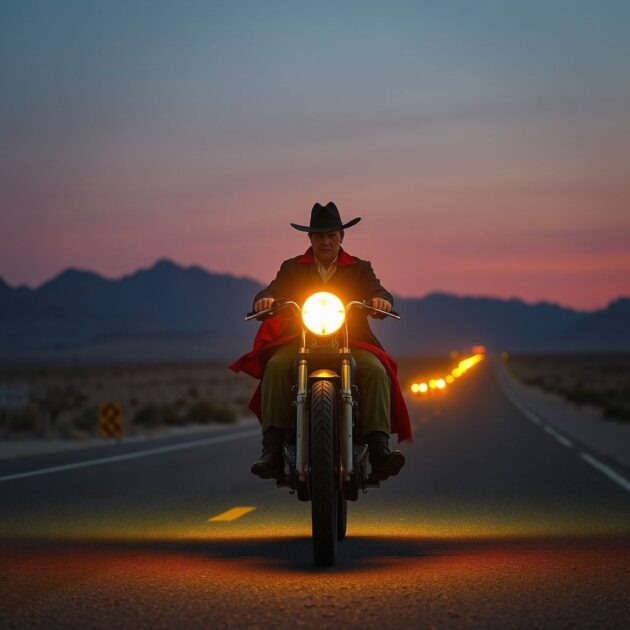
The most recent bombshell in JoJo lore is the official announcement that Part 7 – Steel Ball Run – will finally receive an anime adaptation, slated for a worldwide release on a major streaming platform in 2026. Our in‑depth guide, the ultimate JoJo watch order revealed for 2026 walks you through each part step‑by‑step.
Key Details of the Announcement
This isn’t just another season; it’s a reboot that shifts the entire continuity, meaning the classic release order now doubles as a narrative reset. The news was confirmed on the official project page, which also listed the streaming‑availability data verified on November 12, 2025. That timestamp is crucial because licensing windows shift rapidly, and fans need a reliable source to know where to click next.
Why the Order Changes
David Production, the studio behind every JoJo TV season to date, has retained a core team of directors, character designers, and composers, ensuring visual and auditory continuity despite the series’ evolving art style. This consistency is rare in long‑running anime franchises and signals a strategic commitment to brand integrity.
The recommended watch order respects both release chronology and the narrative pivot introduced by Part 7:
- Phantom Blood
- Battle Tendency
- Stardust Crusaders
- Diamond is Unbreakable
- Golden Wind
- Stone Ocean
- Steel Ball Run
By following this order, viewers experience the gradual escalation of stakes, the maturation of the Joestar bloodline, and the thematic shift from supernatural horror to a high‑octane, alternate‑history race.
Common Alternative Sequences
Many fans still cling to older viewing sequences, but our analysis of why many JoJo watch orders are wrong shows how crucial the correct order is for preserving the story’s impact.
How JoJo’s Release History Created a Need for a Watch Order
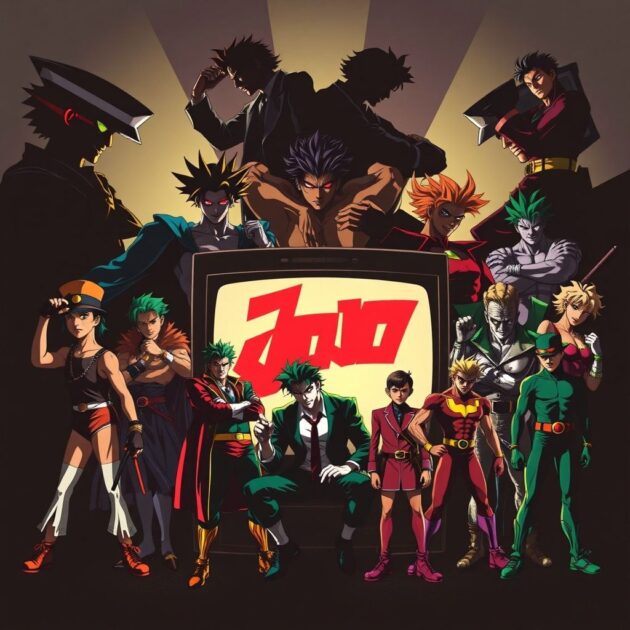
When JoJo first leapt onto the anime scene in 2012, the industry was still grappling with the streaming boom, and many series suffered from fragmented releases across regional licensors. Early adaptations like the 1993 OVA of Phantom Blood were relegated to DVD boxes, leaving newcomers to piece together a puzzle from disparate sources.
Early Distribution Challenges
In contrast, the modern era, bolstered by platforms like Crunchyroll and Netflix, has streamlined access, but the sheer volume of content still demands a clear roadmap – enter the JoJo watch order.
Streaming Era and Binge‑Watching
Comparatively, franchises such as Naruto or One Piece have benefited from continuous weekly broadcasts, allowing fans to follow a linear path without much confusion. JoJo, however, is segmented into distinct parts, each with its own protagonist, tone, and artistic direction. This segmentation mirrors the studio’s willingness to experiment – from the gritty, hand‑drawn aesthetic of Phantom Blood to the vibrant, digital polish of Golden Wind.
Over the past two decades, David Production has refined its pipeline, integrating 3D CGI for complex Stand battles while preserving the series’ signature flamboyance. Market shifts toward binge‑watching have also forced the studio to consider how new viewers will ingest the story; a well‑ordered watch list mitigates the risk of alienating audiences with abrupt tonal shifts.
The historical lesson is clear: without a curated JoJo watch order, the franchise’s rich tapestry could become an incomprehensible mash‑up, undermining its cultural resurgence. The 2026 Steel Ball Run debut underscores this, as the reboot will attract both legacy fans and fresh eyes, all of whom will rely on the established order to navigate the Joestar saga.
Lore Logic and Production Techniques Behind the Order
Generational Themes and Narrative Logic
From a lore standpoint, the JoJo watch order isn’t merely chronological; it mirrors the series’ internal logic of generational legacy. Each part introduces a new Joestar, but the overarching narrative threads – the Ripple, the Stone Mask, the concept of destiny – evolve in complexity.
For instance, the Ripple’s mystical energy in Phantom Blood becomes a metaphor for personal resolve, while in Stone Ocean, the concept of “fate” is subverted through time‑loop mechanics, culminating in a universe‑reset that paves the way for Steel Ball Run’s alternate continuity.
Animation Pipeline Evolution
Production‑wise, David Production employs a hybrid animation pipeline. Early parts leaned heavily on traditional cel animation, which gave them a raw, kinetic feel. Starting with Diamond is Unbreakable, the studio integrated digital compositing, allowing for more fluid Stand battles and dynamic camera movements.
The upcoming Part 7 will push this further, using motion‑capture for horse‑riding sequences and advanced particle effects to render the iconic steel balls with realistic physics. These technical choices directly affect viewer experience; a well‑executed Stand fight can convey character intent without dialogue, reinforcing why the watch order matters – you’ll appreciate the incremental improvements and thematic resonance.
Soundtrack Continuity
Moreover, the series’ soundtrack, composed by Yugo Kanno and later by Yugo’s collaborators, evolves alongside the animation style. The leitmotifs introduced in Battle Tendency resurface in subtle variations in later parts, rewarding attentive viewers who follow the prescribed order. Understanding these layers enriches the viewing experience beyond surface‑level action.
Future Implications of the New Continuity
Spin‑offs, Adaptations, and Global Reach
The 2026 rollout of Steel Ball Run marks a pivotal moment for the franchise’s longevity. By rebooting the continuity, the series opens doors for spin‑offs, cross‑media collaborations, and potential Western live‑action adaptations without being tethered to the original timeline.
This strategic pivot also means that future parts could explore entirely new mythologies while still honoring the Joestar legacy, provided fans adhere to the established JoJo watch order to maintain narrative cohesion.
Risks of Ignoring the Order
Culturally, JoJo’s influence has seeped into fashion, memes, and even music, making it a trans‑generational touchstone. The upcoming adaptation is likely to amplify this impact, especially as streaming platforms push for global accessibility.
However, with great exposure comes the risk of dilution; if newcomers skip essential backstory by ignoring the watch order, the series’ thematic depth could be lost on a broader audience. Maintaining a clear, authoritative guide ensures that the franchise’s core messages – resilience, identity, and the absurdity of fate – remain intact.
The moment you start skipping parts because you “don’t have time,” you’re basically telling the Joestar bloodline to take a nap. Trust me, I’ve watched every episode twice, and the only thing that makes sense is respecting the order that the creators painstakingly laid out. The stakes in Part 7 are a whole new beast, but they’re built on the emotional scaffolding of Stone Ocean’s tragic finale – miss that, and the whole race feels like a cheap carnival ride.
And let’s not forget the studio’s gamble: pouring resources into a high‑budget reboot after a decade of steady output. If they screw up the pacing or the iconic art style, the whole community will roast them harder than a Stand user in a desert showdown. So keep your eyes peeled, your streaming queue organized, and remember: the JoJo watch order isn’t a suggestion, it’s a survival guide for any self‑respecting otaku.
Check out the JoJo watch order archives.