Why the Guadalcanal cost Will Make or Break Your 4‑Day Solo Adventure
The Solomon Islands have a reputation for pristine reefs and war‑torn history, but the real test for any wanderer is the wallet. When you Google “Guadalcanal cost” you’ll find a jumble of vague figures, yet the truth lies in the gritty details of transport, lodging, and the occasional boat charter. If you misjudge the budget, you’ll end up sleeping on a bench in Honiara or, worse, missing the sunset over Bloody Bay. For a full breakdown of a solo traveler’s expenses, see our 4‑day solo cost analysis.
Verified News & Source Context

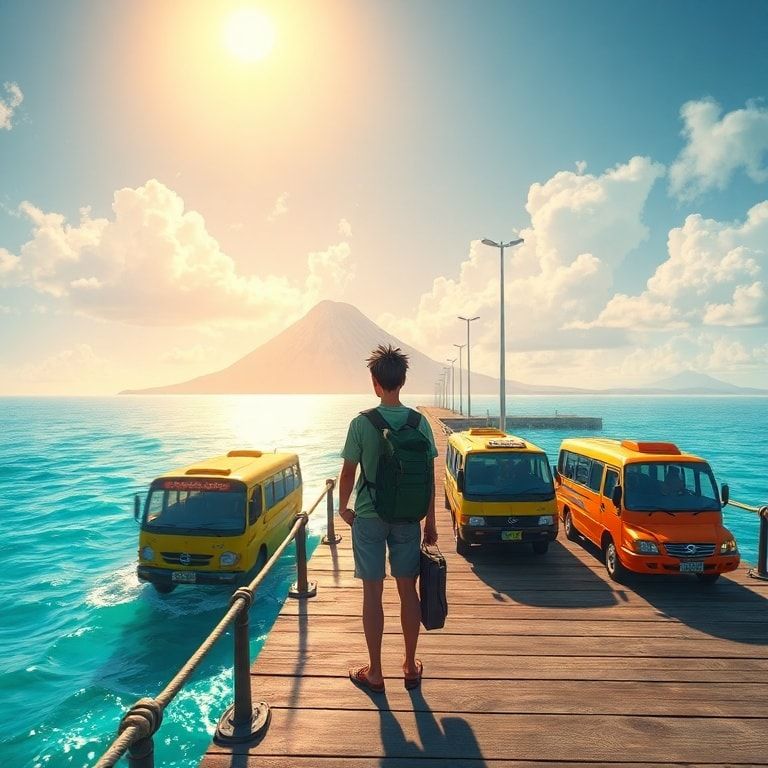
The official tourism portal notes that public minibuses—locally dubbed “route taxis”—zip through central Honiara for a flat 3 SBD per hop. This makes them the cheapest intra‑city option, ideal for hopping between the market, the waterfront, and the colonial‑era hotel district. By contrast, private taxis abandon meters entirely; they start at roughly 10 SBD and tack on about 10 SBD per kilometre. A five‑kilometre airport run therefore swells to 49 SBD, a price that can surprise first‑timers who expect a metered fare.
Domestic air travel is monopolised by Solomon Airlines, which enforces a 16 kg checked‑baggage allowance on internal routes. That limit forces budget‑savvy travelers to pack light, often sacrificing a pair of shoes for souvenirs. For island‑hopping enthusiasts, chartering a private passenger boat costs around 1,500 SBD for a full day, but fuel is billed separately—so the headline price is merely a starting line.
Car rentals are available at Honiara International Airport, and visitors may drive with a valid international licence for up to four months. The rental market is nascent; rates hover near 120 SBD per day, but insurance and fuel can push the total higher. All these figures combine to form the backbone of any realistic 4‑day solo budget.
For the source of these numbers, see the official project page.
Historical Context – Old Guard Perspective on Guadalcanal Cost
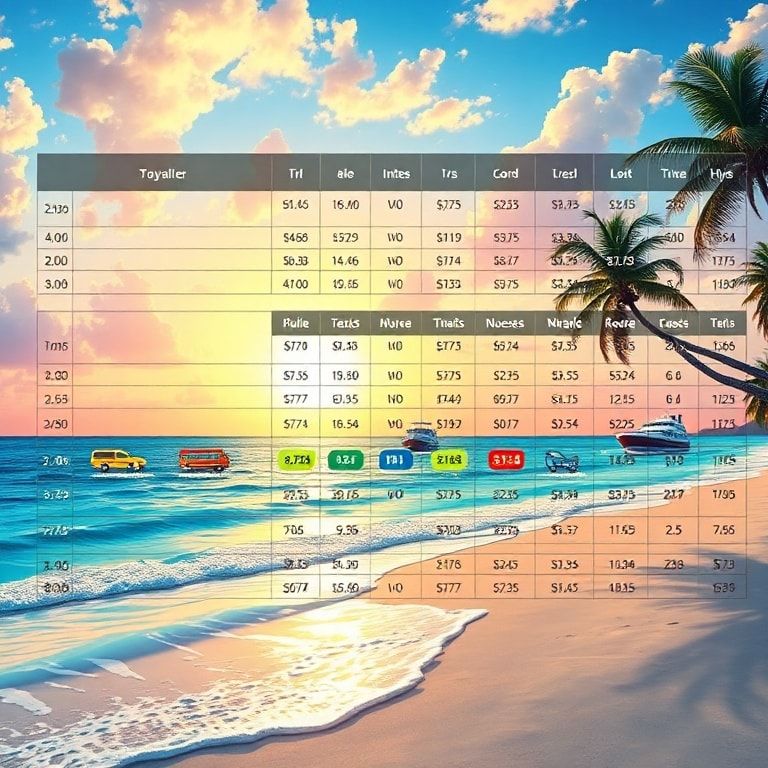
Back in the early 2000s, Guadalcanal was a niche destination for hardcore trekkers and war‑history buffs. Minibus fares were a nominal 1 SBD, and taxis operated on a flat 20 SBD regardless of distance—a relic of a less regulated market. Domestic flights were infrequent, often costing double today’s rates, but the low‑cost carrier model hadn’t arrived yet, so travelers either endured long boat rides or chartered small planes at premium prices.
The shift began when Solomon Airlines modernised its fleet in 2015, standardising the 16 kg baggage rule and introducing a tiered pricing system that mirrored regional competitors. Simultaneously, the rise of tourism‑focused NGOs spurred the government to formalise route‑taxi licensing, fixing the 3 SBD flat fare to encourage local mobility and reduce informal competition. Private taxi operators, feeling the squeeze, abandoned meters entirely, opting for a transparent start‑plus‑per‑km model that mirrors ride‑share pricing in larger Asian metros.
Car rentals, once a novelty, exploded after the 2018 “Pacific Road Trip” campaign, which showcased the island’s rugged interior on social media. Rental agencies responded with fleet expansions, but the market remains small, keeping daily rates relatively high. Understanding this evolution is crucial: the current Guadalcanal cost structure is the product of two decades of policy tweaks, airline reforms, and a growing appetite for sustainable tourism.
Technical Crunch – Building a 4‑Day Solo Budget on Guadalcanal
To craft a realistic budget, start with the biggest line item: accommodation. Our step‑by‑step guide on conquering the island on a solo budget offers deeper insight into choosing guesthouses versus dorms. Mid‑range guesthouses in Honiara average 80 SBD per night, while budget dorms dip to 45 SBD. For a four‑night stay, allocate 320 SBD (mid) or 180 SBD (budget). Food costs are modest; street‑food stalls charge 5‑10 SBD per meal, so budgeting 30 SBD per day covers three meals, totaling 120 SBD.
Transport splits into three categories. Intra‑city travel via minibuses for four days (assuming three trips per day) equals 3 SBD × 12 = 36 SBD. Add two taxi rides to the airport (round‑trip) at 49 SBD each: 98 SBD. If you plan a day‑trip to the historic sites of the Guadalcanal Campaign, chartering a boat for a half‑day costs roughly 750 SBD (fuel half of 1,500 SBD). Should you rent a car for a day to explore the interior, factor 120 SBD rental + 30 SBD fuel, totaling 150 SBD.
Flights are a fixed cost: a round‑trip from Honiara to the capital of a neighboring island (e.g., Malaita) averages 250 SBD. Add a 16 kg baggage surcharge of 20 SBD if you exceed the allowance. Summing the mid‑range scenario: accommodation 320 SBD + food 120 SBD + minibuses 36 SBD + taxis 98 SBD + boat charter 750 SBD + flight 270 SBD = 1,594 SBD. Add a 10 % contingency (≈ 160 SBD) for unexpected fees, bringing the total to roughly 1,754 SBD, or about US $180 at current exchange rates. This granular breakdown shows why the Guadalcanal cost can swing dramatically based on transport choices.
Future Implications – Where the Guadalcanal Cost is Heading
Tourism on Guadalcanal is on an upward trajectory, driven by increased visibility on streaming platforms and the global push for “off‑the‑beaten‑path” travel. As visitor numbers climb, the government is poised to invest in infrastructure: upgraded airport terminals, paved secondary roads, and a regulated fleet of electric minibuses. These improvements could compress the current cost gap between private taxis and public minibuses, potentially standardising fares and reducing the 10 SBD‑per‑km premium.
However, climate change looms large. Rising sea levels threaten coastal roads, and more frequent storms could disrupt ferry schedules, inflating boat charter prices due to higher fuel consumption and insurance premiums. Moreover, the push for sustainable tourism may introduce eco‑taxes on flights and accommodations, nudging the overall Guadalcanal cost upward. Savvy travelers will need to factor these variables into future budgets, perhaps opting for longer stays to amortise fixed costs over more days.
Don’t be fooled by glossy travel blogs that paint the island as a budget paradise. The real cost comes when you decide to see the war memorials beyond Honiara or charter a boat to the untouched reefs of Marovo Lagoon. Those experiences demand cash, patience, and a willingness to negotiate with a captain who measures fuel in “gallons of hope.” In short, if you want to survive the Guadalcanal cost without selling your soul, pack light, plan every kilometre, and always keep a few extra SBD tucked away for that inevitable surprise.
Related Guides & Further Reading
Check out the Guadalcanal travel archives.
Check out the Guadalcanal travel archives.