Why Seville Easter Madness Will Drain Your Wallet (And How to Survive It)
Seville Easter is the ultimate test of a traveler’s stamina, wallet, and sense of wonder. The streets swell with fervor, the air crackles with centuries‑old chants, and every corner hides a hidden cost. Miss a beat and you might end up praying for a cheap hostel instead of a holy procession.
Verified News & Source Context for Seville Easter
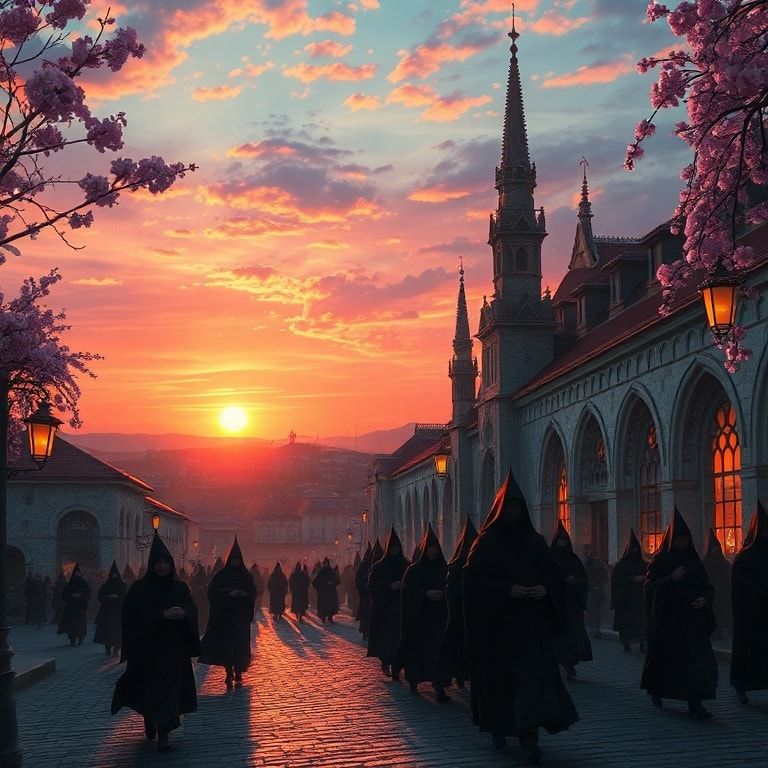
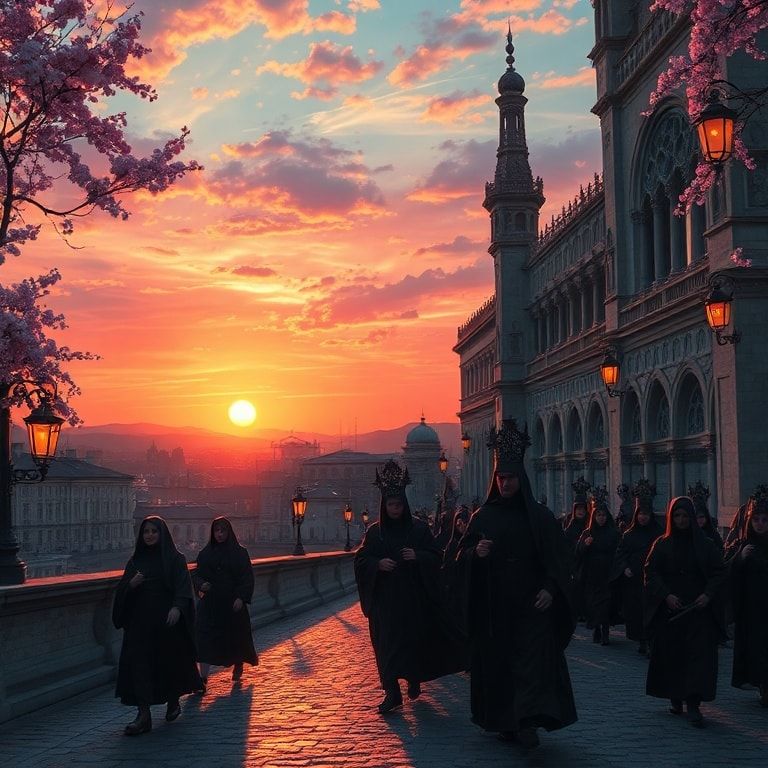
The official Semana Santa schedule for 2026 runs from Friday, 27 March (Friday of Sorrows) to Easter Sunday, 5 April, a nine‑day marathon of processions that transform Sevilla into a living museum. The crown jewel is the “Domingo de Resurrección” on 5 April, where tickets are €20 online and €21 at the box office – a modest surcharge that reflects the high demand for prime viewing spots along the route mapped at latitude 37.393046, longitude ‑5.991973. Tickets can be secured by phone (+34 955 471 232) or via the official email [email protected], ensuring that even last‑minute pilgrims have a channel to claim a seat. All this information is consolidated on the official project page, which also provides real‑time updates on procession times, volunteer opportunities, and accessibility services. Understanding these logistics is crucial: the price differential between online and on‑site purchases can shave off a euro per ticket, a non‑trivial saving when you’re booking for a group of friends or a family. Moreover, the precise geolocation data allows savvy travelers to plot their own viewing spots, avoiding the crowds that typically swarm the historic centre.
Historical Context: The Old Guard of Semana Santa
Semana Santa in Sevilla isn’t a fresh pop‑culture phenomenon; it’s a ritual that dates back to the Counter‑Reformation, when the Catholic Church weaponised spectacle to re‑engage the faithful. The early 20th‑century “old guard” brotherhoods (cofradías) set the template for today’s processions, establishing the iconic pasos – massive wooden floats bearing lifelike statues of Christ and the Virgin – that still dominate the streets. Over the decades, these brotherhoods have evolved, integrating modern lighting, sound design, and even drone footage to amplify the emotional impact, yet the core aesthetic remains rooted in baroque craftsmanship. In the 1970s, a wave of tourism‑driven commercialization threatened to dilute the solemnity, prompting a resurgence of purist factions who insisted on preserving the original chants (saetas) and the nocturnal ambience of the “Madrugá.” This tension mirrors the broader anime industry’s own struggle between legacy studios like Toei and newer, experimental houses pushing narrative boundaries. Just as classic shōnen series maintain their core tropes while adopting fresh animation techniques, Sevilla’s Semana Santa balances reverence for tradition with the inevitable push for contemporary relevance.
Technical Crunch: Numbers, Routes, and Ticket Mechanics
The logistical machinery behind Seville Easter is a marvel of urban coordination. The “Domingo de Resurrección” procession follows a 3.2‑kilometre circuit that threads through the historic centre, passing the Cathedral, the Alcázar, and the Plaza de España. GPS‑mapped coordinates (37.393046, ‑5.991973) enable real‑time crowd‑density monitoring via municipal apps, allowing authorities to redirect foot traffic and prevent bottlenecks. Ticket pricing follows a tiered model: €20 for online pre‑sales (which include a QR‑code for contactless entry), €21 at the on‑site office (subject to a €1 service fee), and a limited “VIP” tier at €35 that grants access to the exclusive “mirador” platforms perched atop the Giralda. The phone line (+34 955 471 232) and email ([email protected]) serve as fallback channels, crucial for travelers without reliable internet. From a budgeting perspective, a typical three‑day itinerary (including accommodation, meals, and transport) averages €150 per person, but savvy visitors can shave up to 20 % by leveraging early‑bird tickets, staying in hostels outside the Casco Antiguo, and using the city’s free bike‑share program. Safety protocols are stringent: designated emergency exits, multilingual volunteers, and a city‑wide alert system that pushes notifications to smartphones in case of crowd surges. Understanding these mechanics not only protects your wallet but also ensures you experience the processions without getting lost in the sea of devotees.
Future Implications: What Next for Seville Easter?
The next decade promises a digital‑first overhaul of Semana Santa’s outreach. Organisers are piloting augmented‑reality (AR) lenses that overlay historical anecdotes onto the floats, letting tourists point their phones at a paso and instantly receive a narrated backstory in multiple languages. This tech‑savvy layer could attract a younger, globally‑connected audience while preserving the tactile, sensory core that defines the festival. Moreover, climate‑change considerations are prompting a shift toward greener practices: reusable water stations, carbon‑offset ticket options, and a push for electric‑powered lighting rigs on the floats. These initiatives may set a precedent for other European religious festivals, positioning Sevilla as a benchmark for sustainable cultural tourism. However, the risk remains that over‑commercialisation could erode the authenticity that draws pilgrims in the first place. Balancing revenue generation with cultural integrity will be the litmus test for future organisers.
Listen up, green‑horns: you think you can waltz into Seville during Easter with a backpack and a meme‑filled itinerary and come out unscathed? Not a chance. The city’s streets become a pressure‑cooker of faith, fervour, and frantic vendors hawking everything from rosaries to churros. If you don’t respect the procession routes, you’ll be trampled faster than a low‑budget anime filler episode. And don’t even get me started on the ticket bots that snatch up the €20 spots before you’ve finished your espresso. The only way to survive is to plan like a military operation—reserve tickets early, map out alternative viewing balconies, and keep a stash of cash for those inevitable “donations” demanded by the brotherhoods.
Now, for the seasoned nomads who’ve survived Osaka’s Golden Week and Kyoto’s Gion Matsuri, treat Seville Easter as a live‑action RPG. Level up your “budget” skill by staying in hostels a few blocks away from the Cathedral, invest in a portable charger (the processions run all night, and your phone will die faster than a shōnen protagonist’s hopes), and master the art of “silent respect” – no selfies during the saetas, no loud chatter, just absorb the drama. Do this, and you’ll walk away with stories that rival any anime plot twist, plus a wallet that hasn’t been completely gutted. That’s the veteran’s promise.
Check out the Seville Easter archives.