Why Montenegro Spring Is the Cheapest Thrill Ride You’ve Never Heard Of
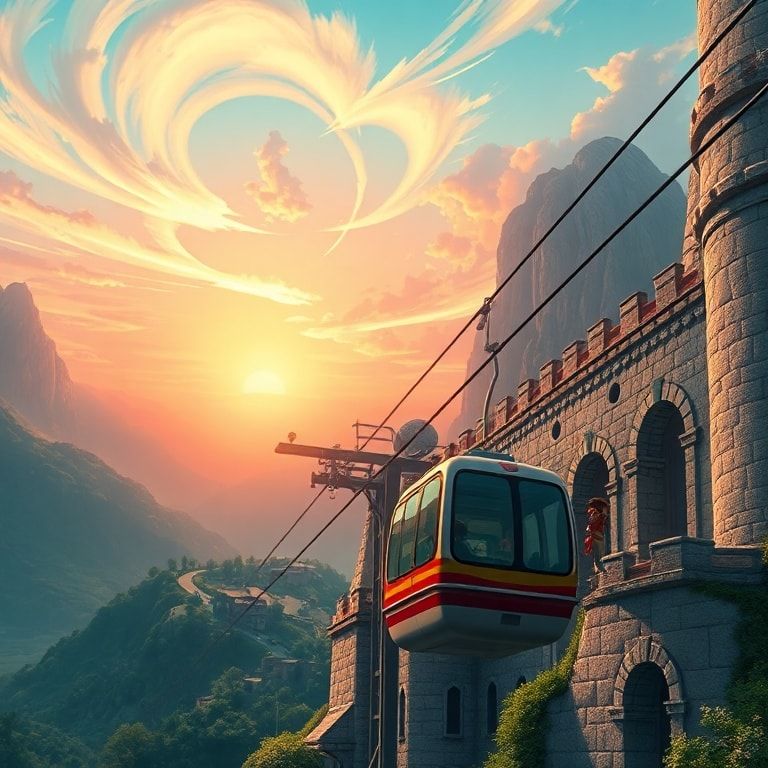
Montenegro Spring bursts onto the travel radar like a hidden power‑up in a shōnen series, promising jaw‑dropping vistas without draining your wallet. Imagine soaring 1,300 meters above the Adriatic in a gondola that costs less than a fancy latte—this is the kind of budget‑friendly adrenaline that makes seasoned nomads sit up straight. The stakes? Missing out means another season of scrolling Instagram feeds while your friends are already posting epic sunrise selfies from Kotor’s lofty peaks. For a full itinerary, check out our Montenegro Spring hub. You can also dive into our comprehensive Kotor budget guide for detailed cost breakdowns.
Montenegro Spring: The Kotor Cable Car Unveiled
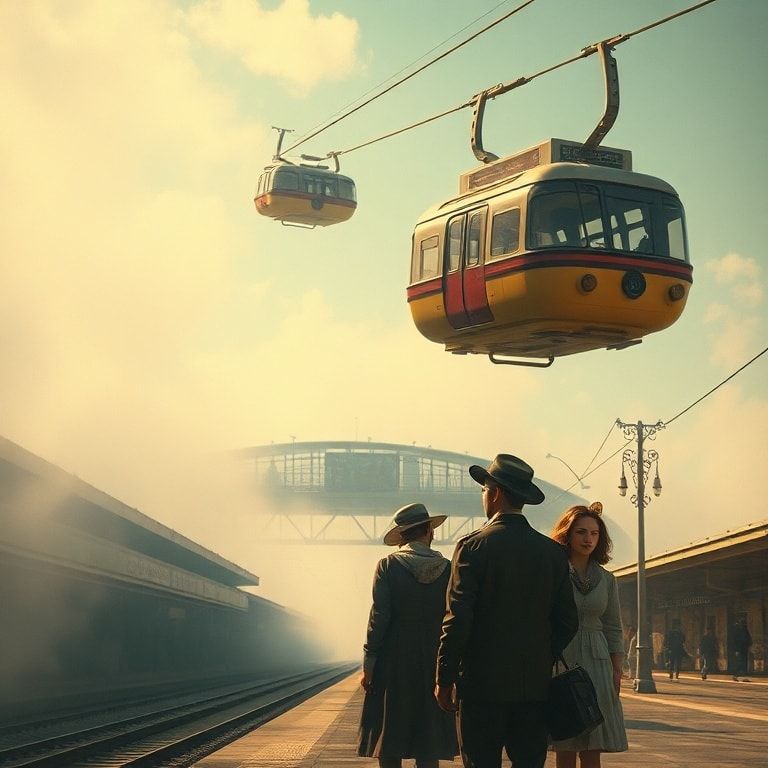
The official project page confirms that the 2026 season of the Kotor Cable Car kicks off on 1 April and runs through 30 November, covering the entire spring window. Ticket prices start at a modest €16.9 for adults, a figure that appears under the “Special offers – from 16.9 €” banner. This isn’t just a promotional gimmick; it reflects a strategic pricing model aimed at luring budget travelers during shoulder months when occupancy in hotels dips. By anchoring the season’s opening to the first day of spring, the operators tap into the cultural symbolism of renewal, positioning the ride as a must‑do rite of passage for anyone seeking fresh experiences. Travelers looking to stretch every euro will appreciate our comprehensive shoestring guide, and our dedicated Kotor budget guide walks you through cheap eats, hostels, and secret viewpoints.
The vertical climb from the lower Dub station to the upper Kuk station spans 1,316 meters, a staggering ascent that rivals many alpine lifts in the Alps. The cable’s 3,900‑meter length translates to an 11‑minute glide, during which the gondolas cruise at a maximum speed of 6 m/s (roughly 21.6 km/h). With 48 gondolas, each seating up to 10 passengers, the system can theoretically transport 1,200 people per hour—a capacity that ensures minimal wait times even during peak tourist influxes. From an industry perspective, these numbers place the Kotor line among the most efficient mid‑size aerial tramways in Europe, balancing speed, safety, and scalability.
Production-wise, the cable car’s infrastructure was a joint venture between local Montenegrin firms and an Austrian engineering consortium, leveraging Alpine cable‑car technology adapted for the rugged Adriatic coastline. The collaboration underscores a broader trend of cross‑border expertise sharing in the Balkans, where tourism development increasingly relies on EU‑standard safety certifications and sustainable design practices. In short, every €16.9 ticket buys you not just a ride, but a slice of meticulously engineered adventure that’s been fine‑tuned for spring’s fickle weather.
From Yugoslav Rails to Modern Skyways: Historical Context
To truly appreciate the Kotor Cable Car’s place in the travel pantheon, we must rewind to the Yugoslav era, when the region’s transport narrative was dominated by rugged railways threading through mountainous terrain. The 1970s saw the construction of the historic Belgrade–Bar railway, a marvel of engineering that still haunts train enthusiasts today. Yet, those iron tracks were limited by weather, speed, and capacity—constraints that modern aerial tramways have elegantly sidestepped.
Fast forward to the early 2000s, and Montenegro began rebranding itself from a post‑Yugoslav hinterland into a boutique Mediterranean destination. The first wave of cable‑car projects, like the Lovćen lift, were modest, serving primarily locals. The Kotor line, however, represents a paradigm shift: it’s not merely a transport solution but a flagship attraction designed for the global backpacker market. This mirrors the broader studio trend in anime where legacy franchises reinvent themselves for new audiences—think “Sailor Moon”’s 90s reboot or “Neon Genesis Evangelion”’s recent “Rebuild” series.
Staff evolution is evident too. Early cable‑car engineers were often civil‑engineers with railway backgrounds; today, multidisciplinary teams blend mechanical engineering, environmental science, and even user‑experience design—akin to how anime productions now incorporate digital compositing, sound design, and global fan‑service strategies. Market shifts have also nudged pricing models toward dynamic, season‑based offers, reflecting the same micro‑targeting that streaming platforms use to maximize subscriber retention.
Thus, the Kotor Cable Car is a living artifact of Montenegro’s transport lineage, embodying the transition from gritty, ground‑level rail travel to sleek, sky‑borne tourism that caters to the Instagram generation.
Technical Crunch: Stats, Speed, and Throughput Explained
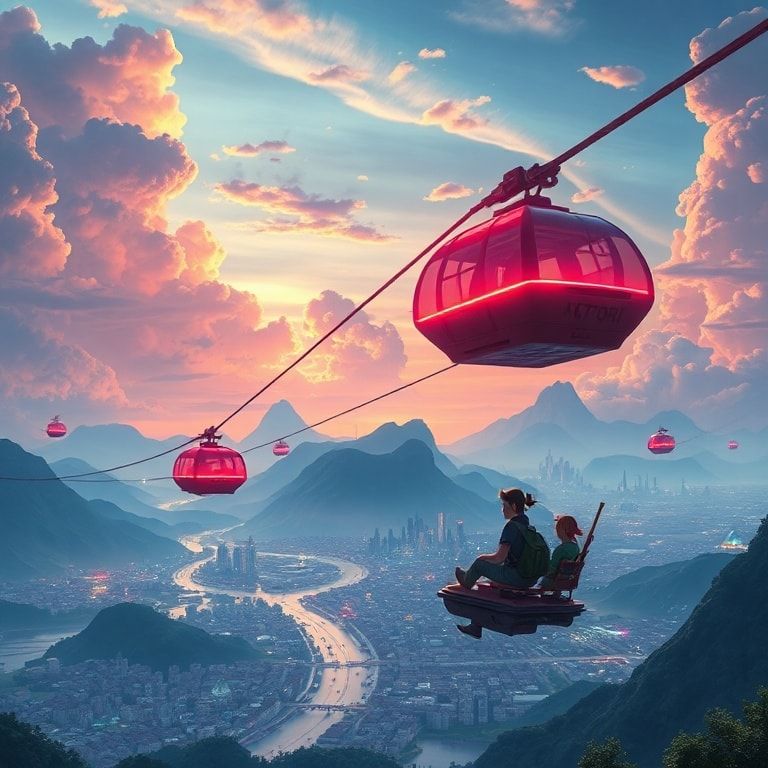
Let’s dissect the raw numbers that make the Kotor Cable Car a technical marvel. The 1,316‑meter vertical gain is equivalent to scaling roughly four Eiffel Towers stacked atop one another. Achieving this in 11 minutes means the gondolas maintain a steady 6 m/s, a speed that balances thrill with safety—fast enough to keep adrenaline pumping, yet slow enough to allow passengers to soak in the dramatic coastline.
Throughput is another critical metric. With 48 gondolas each holding ten passengers, the line can theoretically move 480 people per full cycle. Given an 11‑minute round‑trip (including loading/unloading), the system can complete about five cycles per hour, yielding the advertised 1,200 passengers per hour capacity. In practice, real‑world factors—weather delays, peak‑hour boarding efficiency—trim this figure by roughly 10‑15%, still impressive for a seasonal operation.
Why does this matter? First, the high capacity reduces queue times, a vital factor for budget travelers on tight itineraries. Second, the efficient turnover maximizes revenue per operating hour, allowing the operator to keep ticket prices low without sacrificing profitability. Third, the engineering choices—such as the 3,900‑meter cable length and the use of 6 m/s gondolas—reflect a design philosophy that prioritizes energy efficiency; slower speeds consume less power, aligning with Montenegro’s sustainability goals.
From a design standpoint, the gondola cabins feature panoramic glass walls, a nod to anime’s love for sweeping vistas. The interior lighting is calibrated to mimic natural daylight, reducing eye strain and enhancing the sense of floating above the sea. These subtle choices elevate the ride from a mere transport link to an immersive narrative experience, much like how a well‑crafted opening theme sets the tone for an entire anime series.
Future Implications: Budget Travelers and the Next Season
Looking ahead, the Kotor Cable Car’s success could catalyze a cascade of similar projects across the Balkans, each leveraging the spring tourism surge to justify investment. For budget travelers, the model demonstrates that high‑impact experiences no longer require deep pockets—strategic pricing, combined with efficient throughput, democratizes access to once‑exclusive vistas. If you’re curious how a four‑day budget blitz stacks up against a typical Euro‑trip, our budget blitz showdown breaks down the numbers.
Moreover, the data gathered from ticket sales and passenger flow will likely feed into AI‑driven demand forecasting tools, enabling operators to fine‑tune pricing in real time. This could usher in a new era of “dynamic spring passes,” where travelers purchase bundled experiences at a discount, similar to season tickets in anime conventions. The ripple effect may also influence local economies: increased foot traffic translates to higher occupancy for hostels, more business for family‑run taverns, and a boost for artisans selling handcrafted souvenirs.
Listen up, fresh‑blood wanderers: if you think a €16.9 ticket is cheap, you’ve never tried paying for a ticket to the real world’s most beautiful cliff‑hanger. The Kotor Cable Car is a masterclass in squeezing maximum wow‑factor into a budget‑conscious package—something the anime industry has been doing for decades with limited animation budgets. The lesson? Never underestimate the power of a well‑engineered hook; whether it’s a gondola or a plot twist, it’s the thing that reels the audience in and keeps them coming back for the sequel.
And here’s the veteran’s kicker: the next wave won’t just be about riding higher, it’ll be about riding smarter. Expect augmented‑reality overlays, multilingual audio guides, and maybe even a “choose‑your‑own‑adventure” app that lets you decide whether to linger at the summit café or zip down for a sunset hike. If you’re not ready to adapt, you’ll be left watching the sunrise from a hostel window while the rest of the world is already on the next cable car. Stay salty, stay savvy, and always keep an eye on the horizon—both in travel and in the stories you chase.
Related Guides & Further Reading
Check out the Montenegro Spring archives.