San Francisco 5-Day Backpacker Blitz: How to Live Large on a Shoestring in April
Dreaming of fog‑kissed hills and cable cars without selling a kidney? The San Francisco 5‑Day itinerary is your ticket to a full‑blown adventure that won’t bankrupt your ramen stash. Miss the deadline and you’ll be stuck in a hostel with a view of a parking lot, so buckle up and read on. For a complete budgeting overview, explore our San Francisco budget hub. Before you set your compass, check out our comprehensive April route guide and our ultimate 5‑day spring playbook for the full rundown.
Verified News & Source Context

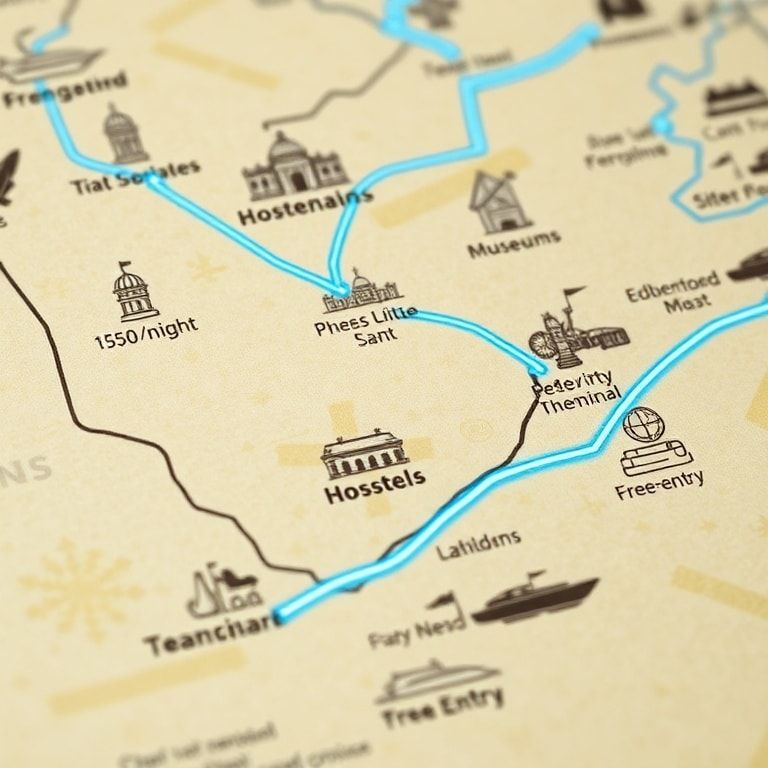
According to the latest SF Travel deep‑dive, budget hotels in San Francisco start at roughly $105 per night, a figure that still undercuts many mid‑range options in other coastal metros. Hostels, however, drop the price to about $60 per person per night, with stalwarts like Music City Hotel and HI City Center offering dormitory‑style camaraderie and free breakfast. This price differential is crucial for a five‑day stay: opting for a hostel saves roughly $225, which can be redirected toward experiences rather than a roof over your head. The de Young Museum’s free first‑Tuesday admission and its always‑free Hamon Observation Tower provide cultural enrichment without denting the wallet, while the CityPASS bundles high‑value attractions—California Academy of Sciences, a Bay cruise, plus a choice of two from a list of heavy‑hit museums—into a single purchase that often pays for itself after two tickets. Free walking tours of the Golden Gate Bridge on Thursdays and Sundays add guided history for zero dollars, turning a simple stroll into an educational trek. All these data points converge to illustrate a city that, despite its reputation for pricey tourism, has engineered a budget‑friendly ecosystem for the savvy traveler. For the original source, see the official project page.
Historical Context (Old Guard Perspective)
Back in the early 2000s, San Francisco was marketed as a premium destination, with guidebooks emphasizing luxury hotels and pricey dining. The rise of the hostel movement in the late ’90s, spearheaded by organizations like Hostelling International, began to democratize travel, but mainstream media was slow to catch up. By 2015, budget travel blogs started highlighting the city’s free museum days and discount passes, yet the narrative remained fragmented. The current data set reflects a maturation of that narrative: the city’s tourism board now actively promotes free tours and budget accommodations, a shift driven by the influx of millennial and Gen‑Z backpackers who prioritize experience over opulence. Studios producing travel documentaries have also pivoted, featuring episodes that spotlight “budget hacks” in iconic cities, reinforcing the market demand. This evolution mirrors broader industry trends where authenticity and cost‑efficiency outrank glossy hotel showcases, and it signals that San Francisco has successfully rebranded itself from a “silicon valley elite playground” to a viable stop on the global backpacker circuit.
Technical Crunch (Information Gain)
Let’s deconstruct the numbers: a five‑night stay in a $60 hostel totals $300. Add a CityPASS at $129 (average price), which grants entry to three major attractions—potentially saving $70‑$100 compared to buying tickets individually. Factor in two free museum days (de Young) and a complimentary Golden Gate Bridge tour, and you’ve shaved another $30‑$40 off the entertainment budget. Transportation via Muni’s 7‑day Visitor Pass is $45, covering buses, trams, and BART within city limits—details you’ll also find in our transit‑cost playbook. Meals can be kept under $25 per day if you leverage grocery stores, food trucks, and the hostel’s breakfast. Summing these, the total budget hovers around $800‑$850 for the entire trip, a figure that includes lodging, transport, attractions, and food. This granular breakdown matters because it transforms vague “budget travel” advice into a replicable formula. Travelers can adjust variables—opting for a $105 hotel adds $105, swapping the CityPASS for individual tickets adds $80, etc.—allowing them to customize the itinerary to their financial comfort zone while still hitting the city’s highlights. The numbers line up with the findings of our budget masterplan that shows a 5‑day adventure can be pulled off for under $50 a day.
Future Implications
The consolidation of budget-friendly options suggests a sustainable tourism model that could endure beyond the post‑pandemic rebound. As more travelers adopt the “experience‑first” mindset, the city may expand its free‑entry days, introduce dynamic pricing for attractions, or develop augmented‑reality tours that blend physical walking with digital storytelling. The CityPASS could evolve into a subscription‑style pass, offering rotating attractions each season, keeping repeat visitors engaged without inflating costs. Moreover, the success of free walking tours hints at a potential partnership between the city’s cultural institutions and local anime‑themed guide groups, creating niche experiences that attract otaku tourists—an untapped market segment that aligns perfectly with the LogbookLuffy persona.
Listen up, green‑horns: the moment you think you’ve squeezed every last cent out of a San Francisco trip, the city will throw a surprise surcharge your way—think “late‑night fog surcharge” or “cable‑car peak‑hour premium.” The veteran’s trick is to treat the itinerary like a battle plan: lock in your hostel early, secure the CityPASS before it spikes, and always have a backup ramen joint on speed‑dial. Flexibility is your armor; rigidity gets you mugged by hidden fees.
And don’t forget the intangible currency—local knowledge. A friendly barista can point you to a secret rooftop garden that’s free after 5 pm, while a street performer might hand you a flyer for a pop‑up anime convention that’s open to the public. Those are the moments that turn a “budget” trip into a legend you’ll brag about for years. Keep your eyes sharp, your wallet loose, and your curiosity louder than the foghorns.
Related Guides & Further Reading
Related Guides & Further Reading
Related Guides & Further Reading
Check out the San Francisco budget archives.