How to Master a Hot Springs Budget: 3‑Day Cheat Sheet for Arkansas on a Shoestring
Planning a getaway without blowing your savings is an art, and the Hot Springs budget challenge is the perfect canvas. You’ll discover free park access, cheap parking tricks, and campsite hacks that turn a $150 wallet into a three‑day adventure. Miss the memo and you’ll be paying for a souvenir mug you’ll never use, so read on and lock down every penny.
Verified News & Source Context
First, let’s get the hard facts straight from the source. Hot Springs National Park is a free‑entry wonderland, meaning you can wander the historic bathhouse district, hike the Ouachita Mountains, and soak in the thermal waters without paying a single admission fee. The NPS confirms this on its official project page. However, the park does sell a handful of passes at the Fordyce Bathhouse – Access Pass, 4th‑Grade Pass, Military Annual Pass, and a lifetime pass for veterans and Gold Star families. Anything else? You’ll need to snag it online or at another outlet.
Camping at Gulpha Gorge is another cost factor. Reservations are mandatory, and a nightly fee applies, though it’s modest compared to private campgrounds. Meanwhile, downtown parking is a maze of zones: Priority Zone starts at $2 per hour for the first two hours, jumps to $4 for the third, and caps at $8 for the fourth hour (max stay four hours). The Secondary Zone is a friendlier $1 per hour with no time limit, and the Ouachita Avenue Zone stays at $2 per hour forever. Knowing these rates lets you plot a route that avoids the dreaded $20 parking ticket.
Free‑entry days in 2026 are a hidden gem for the budget‑savvy: Presidents’ Day (Feb 16), Memorial Day (May 25), Flag Day (Jun 14), Independence Day weekend (Jul 3‑5), the NPS 110th birthday (Aug 25), Constitution Day (Sep 17), Theodore Roosevelt’s birthday (Oct 27), and Veterans Day (Nov 11). Aligning your trip with any of these dates slashes costs dramatically, turning a potential $30 park fee into zero.
Historical Context (Old Guard Perspective)

Back in the golden age of American road trips, Hot Springs was a marquee stop for the rail‑and‑auto crowd, marketed as “America’s Spa City.” The 1930s saw the Civilian Conservation Corps build trails that still guide hikers today, and the 1950s boom of automobile culture turned the downtown Bathhouse Row into a neon‑lit playground. Those early promotional campaigns emphasized health and luxury, not budget, but the underlying infrastructure – free park lands, publicly funded trails, and municipal parking – laid a foundation that modern budget travelers can exploit.
Fast‑forward to the 1990s, when the National Park Service began emphasizing accessibility and free entry as a public service ethos. The decision to keep Hot Springs National Park fee‑free was a deliberate move to democratize nature, echoing the earlier “free for all” spirit of the New Deal era. Meanwhile, the rise of boutique hostels and the early internet allowed independent travelers to share cheap lodging hacks, a tradition that continues on forums like Reddit’s r/Backpacking.
In the anime world, the city’s steamy aesthetic inspired series like “Thermal Spirits,” where characters harness geothermal energy for magical battles. Those shows, while fantastical, echo the real‑world allure of the springs: a blend of natural wonder and human ingenuity. Understanding this lineage helps us see why the Hot Springs budget is not a modern gimmick but a continuation of a long‑standing narrative of public access to therapeutic waters.
Technical Crunch (Information Gain)
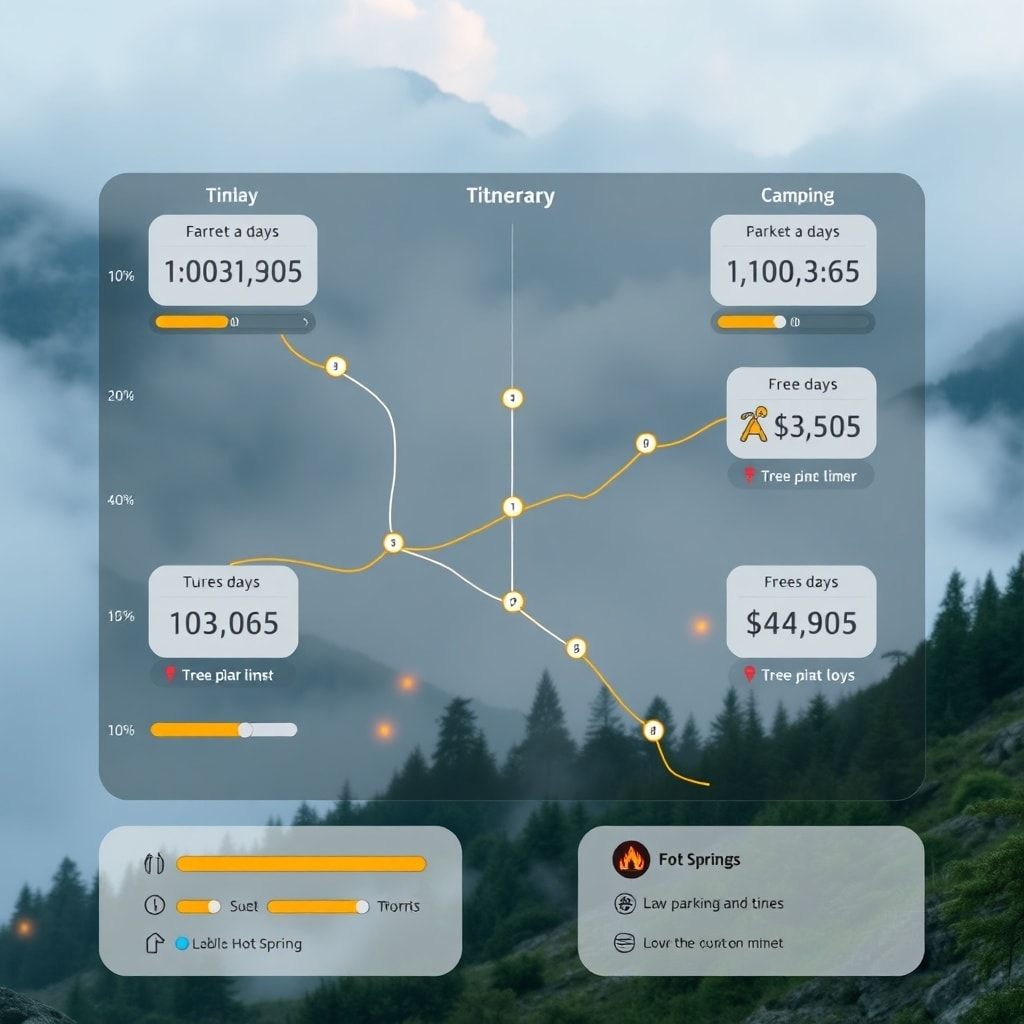
Let’s break down the numbers so you can actually see the savings. Day 1: Arrive early on a free‑entry day (say Presidents’ Day). Park in the Secondary Zone at $1/hr; a two‑hour stay costs $2. Walk the historic Bathhouse Row, soak the public pools (no fee), and hike the Hot Springs Mountain Trail – all free. Lunch can be a $5 sandwich from a local deli. Total Day 1 cost: roughly $7 plus any souvenirs.
Day 2: Reserve a spot at Gulpha Gorge Campground for $15/night (average). Drive to the campground using the Ouachita Avenue Zone ($2/hr, unlimited). Assuming a three‑hour drive, that’s $6. Spend the day on the Ouachita National Forest trails, which are also free. Dinner: cook your own meal with groceries bought for $10. Day 2 total: $31.
Day 3: Use a free‑entry day again (Memorial Day). Park in the Secondary Zone for $1/hr, stay all day for $5. Explore the historic downtown, visit the Fordyce Bathhouse museum (free with the Access Pass, $5 if you need one). Grab a budget‑friendly brunch for $8. Total Day 3: $13.
Add up: $7 + $31 + $13 = $51 for three days, not counting incidental costs like gas (≈$30 round‑trip) or optional spa treatments. Even with those, you stay comfortably under $100, a fraction of the typical $300‑plus vacation price tag. The key takeaway? By leveraging free park days, cheap municipal parking, and modest campsite fees, the Hot Springs budget becomes a realistic, repeatable model for any frugal traveler.
Future Implications for a Hot Springs budget

The ripple effect of a well‑executed budget itinerary extends beyond the wallet. As more travelers discover the cost‑free allure of Hot Springs National Park, the city may see a surge in demand for affordable lodging, prompting local entrepreneurs to open more hostels, pop‑up camps, and community kitchens. This could, in turn, pressure municipal authorities to expand the Secondary Zone parking or introduce new free‑entry incentives, creating a virtuous cycle of accessibility.
From a cultural standpoint, the budget narrative aligns with the growing “slow travel” movement, where experiences trump extravagance. Hot Springs, with its blend of natural thermal wonders and historic architecture, is poised to become a case study in sustainable tourism. Expect academic papers, travel podcasts, and perhaps an anime series that follows a ragtag crew of budget‑travelers navigating the park’s hidden trails while swapping tips on parking hacks and campsite reservations. The city’s brand could shift from “luxury spa destination” to “budget‑friendly adventure hub,” attracting a younger, more diverse demographic.
Listen up, green‑horns: the moment you think you’ve nailed the Hot Springs budget, the park throws a surprise fee at you—like a hidden boss in a retro RPG. The trick isn’t just to dodge the obvious costs; it’s to read the fine print, time your visit for those free‑entry holidays, and treat every parking zone like a puzzle piece. Miss a slot and you’ll be paying $8 for a four‑hour stay that could’ve been $2 if you’d parked a block over.
And don’t even get me started on the campsite reservation system—think of it as a roulette wheel where the odds are stacked against you unless you’ve got the reflexes of a seasoned otaku pulling a last‑second pull request. Book early, bring a portable stove, and remember: the real treasure isn’t the thermal water; it’s the bragging rights you earn when you return home with a full wallet and a story that makes the Instagram influencers look like they’re spending their parents’ credit cards.
Check out the Hot Springs budget archives
Check out the Hot Springs budget archives.