Why This 4‑Day Belgrade Itinerary Will Drain Your Wallet—Or Not
Planning a trip to the Balkans can feel like stepping onto a moving train you didn’t buy a ticket for. With the new free‑fare policy, a Belgrade itinerary can be both cheap and chaotic. Will you master the city’s free transit maze or get stuck paying extra for express lines? Before you dive in, check out our comprehensive Belgrade budget guide to see how to keep your wallet happy.
Verified News & Source Context
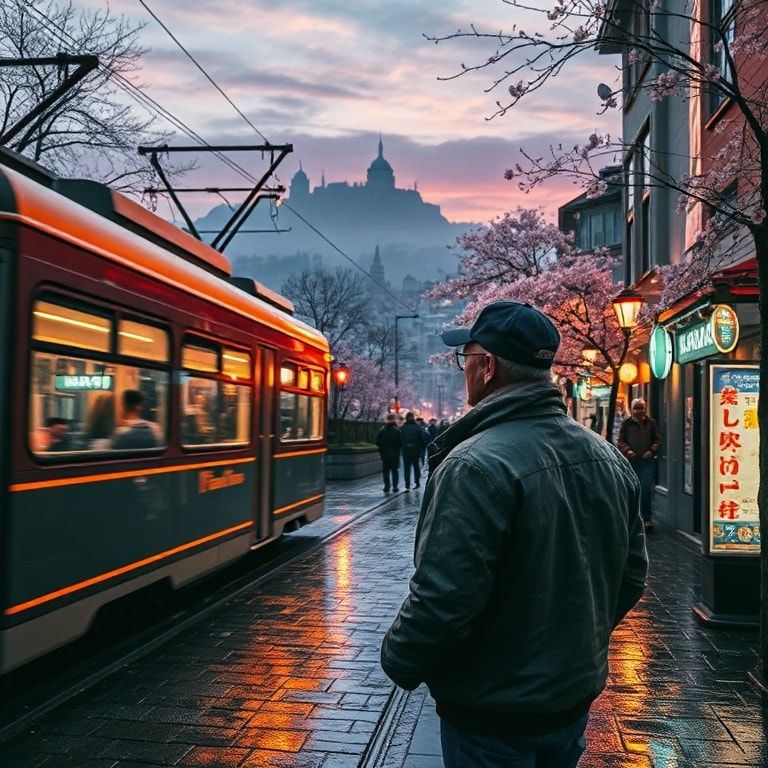
Since 1 January 2025, Belgrade’s municipal transport network—buses, trams, trolleybuses, and the BG:voz city railway—has been free for every passenger. No tickets, no cards, just hop on and ride. This radical move, championed by the city council to reduce traffic congestion and promote sustainable mobility, eliminates the traditional fare‑collection infrastructure, cutting operational costs and encouraging locals and tourists alike to use public transit. However, the policy excludes the minibus express lines (E1, E2, E6, E9), which still charge 200 RSD per ride, and the A1 airport express bus, priced at 400 RSD. City airport buses 72 and 607 remain modest at 89 RSD if bought at a newsstand, but jump to 150 RSD on board, with a 30‑40 minute ride to Nikola Tesla Airport. The BG:voz railway, integrated into the free‑fare system, operates three lines that stitch together the metropolitan area, offering rapid connections between suburbs and the city centre. For travelers, this means a budget‑friendly baseline, but a need to plan around the few paid services. It’s practically a budget cheat code for cash‑strapped backpackers. More details can be found on the official project page.
Historical Context (Old Guard Perspective)
Belgrade’s transport story reads like a long‑running anime series with many seasons. In the 1990s, the city’s bus fleet was a patchwork of Soviet‑era models, plagued by unreliable schedules and cash‑only fares. The early 2000s saw a modernization push, introducing low‑floor trams and electronic ticketing, mirroring Japan’s post‑boom transit upgrades. By 2015, the city launched the first BG:voz line, a nod to European commuter rails, yet still tethered to a ticketing system that alienated budget travelers. For those looking to survive the Balkans without selling a kidney, our thrifty nomad’s ultimate guide offers practical tips on navigating these changes. The 2025 free‑fare overhaul can be likened to a “soft reboot”—the old guard (cash collectors, paper tickets) were written out, while the new protagonist (free access) steps in, promising smoother narrative arcs for commuters. This shift also reflects broader regional trends: cities like Sofia and Zagreb experimented with reduced fares, but Belgrade’s full‑fare abolition is unprecedented in the Balkans, positioning it as a trailblazer. The exclusion of express minibuses mirrors the classic trope of “premium content” in anime—fans must pay extra for the fast‑track episodes, preserving revenue streams while keeping the main storyline free.
Technical Crunch (Information Gain)
Understanding the mechanics of Belgrade’s free‑fare system is essential for any savvy traveler. The policy hinges on a city‑wide RFID‑free validation: vehicles are equipped with GPS‑linked sensors that log passenger counts without needing a tap. This data feeds into a central dashboard used by the municipality to allocate subsidies, effectively turning public transport into a public good funded by the city budget and EU mobility grants. The express minibuses (E‑lines) retain a cash‑only model, with drivers manually collecting 200 RSD per passenger, a relic that maintains a revenue buffer for high‑speed corridors. The A1 airport shuttle’s 400 RSD fare reflects higher operational costs (dedicated lane, luggage space) and serves as a benchmark for premium services. Meanwhile, the 72/607 airport buses illustrate a tiered pricing strategy: buying tickets at newsstands (89 RSD) encourages pre‑planning, while on‑board purchases (150 RSD) penalize spontaneity, nudging tourists toward the cheaper free network. The BG:voz railway’s integration means its three lines (North, South, West) share the same schedule data, allowing real‑time app updates that sync with the city’s “Belgrade Move” mobile platform. For a 4‑day itinerary, this translates to seamless transfers: a morning tram to Kalemegdan, an afternoon BG:voz ride to New Belgrade, and a night stroll on a free trolleybus along the Sava riverbank.
Future Implications
The free‑fare experiment positions Belgrade as a testbed for European urban mobility policies. If passenger volumes rise without a proportional increase in operational deficits, other Balkan capitals may follow suit, creating a regional network of zero‑cost urban transit. This could attract digital nomads and long‑term tourists, boosting the hospitality sector and prompting private investors to develop transit‑adjacent real estate. Conversely, the reliance on subsidies may strain municipal budgets, especially if EU grant cycles falter, potentially forcing a rollback to fare‑based models. The express minibuses and airport shuttles will likely become focal points for future reforms: either integrating them into the free system or introducing dynamic pricing based on demand, akin to ride‑hailing surge models.
Meanwhile, the BG:voz railway is quietly becoming the backbone of a new, interconnected Balkan transit mythos. Its sleek, modern carriages glide past the old Ottoman walls, symbolizing a bridge between past and future. For the seasoned traveler, mastering its timetable is like decoding a secret anime plot twist—once you get it, the city opens up in ways you never imagined. Keep an eye on how these systems evolve; the next upgrade could be a hyperloop that makes the current free rides feel like a nostalgic side‑quest.
Related Guides & Further Reading
Check out the budget travel archives.