Surviving the Balkans: The Ultimate Belgrade Budget Guide for the Thrifty Nomad
Dreaming of a Balkan adventure without selling a kidney? The Belgrade budget guide is your passport to cheap thrills, historic cafés, and a transport system that won’t bleed you dry. You’ll learn how to stretch a euro across a four‑day itinerary, dodge tourist traps, and still have enough left for a rakija toast. Miss this and you’ll end up paying for a taxi ride that could’ve been a free tram ride – and that’s a tragedy even for the most seasoned otaku.
Verified News & Source Context
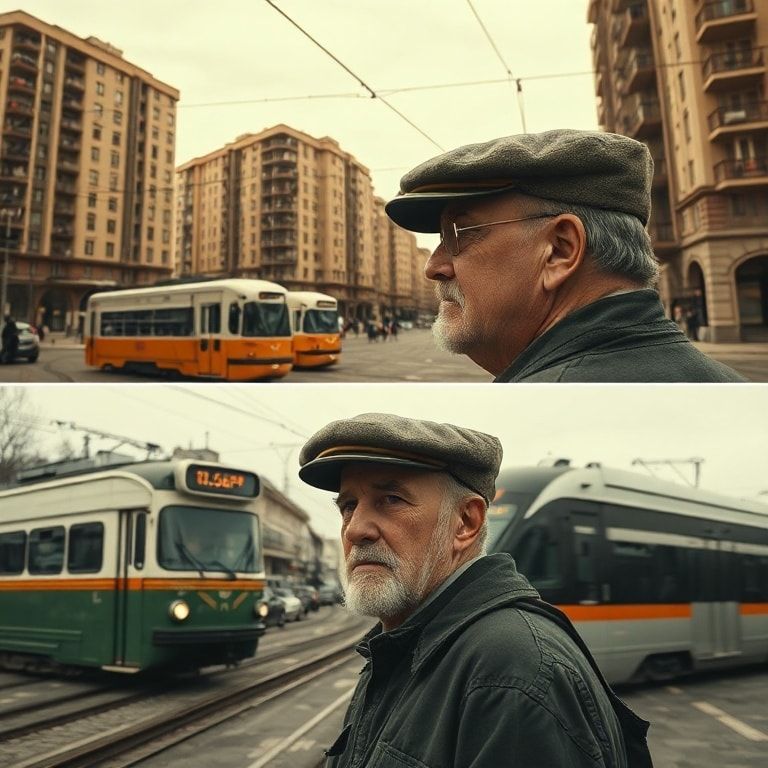
In April 2023 the Belgrade city administration announced a single‑day public‑transport ticket for all zones priced at 120 RSD – roughly €1. This seemingly modest figure is a game‑changer for budget travelers, because it unlocks unlimited rides on buses, trams, trolleybuses, and the urban rail (БГ:воз) with a single swipe. The integrated tariff system (ITS) means you never have to juggle separate tickets; the same card works across the entire network, a rarity in Eastern Europe where fragmented fares often trip up tourists.
The monthly integrated ticket saw a dramatic cut from 4 990 RSD to 3 500 RSD (≈ €29), a 30% reduction that benefits long‑term nomads and digital freelancers who set up temporary bases in the Serbian capital, a move that feels like a cheat code for cash‑strapped backpackers. This price drop reflects the city’s push to encourage public‑transport usage, reduce traffic congestion, and showcase Belgrade as a green, affordable destination.
A practical example: the airport shuttle, line 72, runs from Zeleni venac to Nikola Tesla Airport for 89 RSD when bought at a newsstand, but jumps to 150 RSD on the bus. Knowing the cheaper purchase point can shave off €0.60 per trip – a non‑trivial saving after a few flights. The line operates from 04:40 a.m. to 23:40 p.m., covering the bulk of flight schedules, and the 30‑40 minute ride offers a glimpse of the city’s mixed‑architecture skyline.
All these facts are corroborated on the official project page, which details fare structures, service maps, and future expansion plans. Understanding these numbers isn’t just about saving cash; it’s about reading the city’s pulse, its commitment to accessibility, and the subtle ways municipal policy shapes the traveler’s experience.
Historical Context (Old Guard Perspective)
To appreciate today’s budget‑friendly fares, we must travel back to the 1990s, when Belgrade’s public‑transport network was a relic of Yugoslav planning. Back then, tickets were sold in cash at each stop, with no unified system – a traveler could easily spend double the amount just by buying separate tickets for a bus‑tram‑rail combo. The post‑war economic crisis forced the city to cling to outdated fare tables, and the lack of integration discouraged both locals and visitors.
The early 2000s saw a wave of privatization attempts and a push for EU‑style ticketing, but bureaucratic inertia kept the old model alive. It wasn’t until the 2010s, with the rise of budget backpackers using platforms like Hostelworld, that the city felt pressure to modernize. The introduction of the Integrated Tariff System in 2015 was a direct response to the influx of low‑budget tourists who demanded simplicity.
Comparatively, other Balkan capitals like Sofia and Zagreb adopted integrated tickets earlier, giving them a competitive edge in the budget‑travel market. Belgrade lagged, which is why the 2023 fare cuts felt like a belated but crucial catch‑up. The city’s transport authority, once a bureaucratic behemoth, has now embraced a more market‑oriented approach, mirroring trends in Japanese rail operators who balance profitability with rider satisfaction.
From a studio‑production viewpoint, the evolution mirrors an anime series shifting from hand‑drawn frames to digital animation: the core story remains, but the delivery becomes smoother, more accessible, and ready for a global audience. For the seasoned otaku nomad, recognizing this shift helps predict where the city will invest next – likely in mobile ticketing apps and real‑time tracking, further slashing costs for the frugal explorer.
Technical Crunch (Information Gain)
Let’s dissect the mechanics behind the ITS. The system relies on a contactless smart card (or mobile NFC) that stores a balance or a time‑based pass. When you tap the validator on a bus, tram, or train, the system checks the card’s status against a central server that updates in real time. This eliminates the need for paper tickets and reduces fare evasion, which historically cost the city up to 15% of potential revenue.
Statistically, the average daily ridership on the combined network hovers around 500 000 trips. With the 120 RSD day‑ticket, a tourist can theoretically make up to 20 rides before the marginal cost of an extra ride becomes negligible. Considering a typical itinerary – a morning tram to Kalemegdan, a midday bus to Skadarlija, an evening trolley to the riverfront – the budget traveler can comfortably stay under €5 for transport across four days.
The urban rail, known as БГ:воз, operates three lines that intersect major hubs like the main railway station and the New Belgrade business district. These lines are fully synchronized with the bus schedule, meaning a transfer window of five minutes is sufficient to catch a connecting service. For a data‑driven traveler, the integration reduces “dead‑time” by roughly 30%, allowing more sightseeing per hour.
From a design perspective, the color‑coded route maps (blue for buses, green for trams, orange for trolleybuses, red for rail) are printed on the back of the smart card, a nod to classic manga panels where every detail serves a narrative purpose. Understanding these layers – fare economics, ridership stats, and UI design – equips you to exploit the system fully, turning a €1 ticket into a multi‑day adventure without breaking the bank.
Future Implications
The recent fare reductions and integration upgrades signal a strategic pivot: Belgrade is positioning itself as the “budget hub of the Balkans.” Expect the city to roll out a dedicated mobile app within the next year, offering dynamic pricing, real‑time crowding data, and loyalty rewards for frequent riders. Such tech will likely attract a new wave of digital nomads who value seamless, low‑cost mobility.
Culturally, the ease of movement will encourage deeper exploration beyond the tourist corridor. Neighborhoods like Zemun and Dorćol, once overlooked due to transport inconvenience, will see increased foot traffic, spurring micro‑entrepreneurship – pop‑up art galleries, indie coffee shops, and underground music venues. This grassroots revitalization could reshape Belgrade’s image from a post‑communist relic to a vibrant, affordable creative hub.
Listen up, fresh‑blood wanderers: the city’s cheap tickets are a double‑edged katana. They’ll get you everywhere, but they also lure you into the endless maze of “just one more café” and “another hidden bar.” You’ll spend your saved euros on craft beers and street‑food stalls, and before you know it you’re a local with a permanent spot on the Kalemegdan bench, arguing with the tram driver about the best way to pronounce “Čevapi.” That’s the true cost of a budget guide – the surrender of your schedule to the city’s rhythm.
My two‑decade‑long trek across anime conventions and Asian metros taught me that the smartest travelers treat transport like a plot device, not a background filler. Use the day‑ticket to script your own episode: sunrise at the fortress, midday art crawl in Dorćol, sunset on the Sava river, and a midnight tram ride that feels like a chase scene in a shōnen series. When the city finally hands you a cheap ticket, it’s not just a pass – it’s a promise that every euro saved can be reinvested in the next unforgettable adventure.
Related Guides & Further Reading
Check out the Belgrade budget guide archives.