
Why Italy Solo Budget Travelers Should Skip the Tourist Traps and Ride the Rails
Dreaming of a 12‑day Italian escapade without blowing your savings? The Italy solo budget route demands razor‑sharp planning, savvy transport hacks, and a willingness to trade glossy tours for gritty metros. Miss a ticket choice and you’ll watch your euros evaporate faster than gelato in July.
Verified Transport Facts for the Italy Solo Budget Explorer

Rome’s public‑transport matrix is a textbook case of value engineering. A single ticket costs €1.50 and remains valid for 100 minutes, meaning you can hop from a bus to the metro without extra charge if you’re swift. However, the weekly integrated pass (Carta Integrata Settimanale) at €24 beats the daily grind: buying three single tickets per day for a week would set you back €31.50, a full €7.50 waste. Time‑based unlimited tickets further sweeten the deal – a 24‑hour pass at €7, 48‑hour at €12.50, and 72‑hour at €18 grant unrestricted rides across buses, trams, and the metro. In Milan, the single ticket jumps to €2 for 90 minutes, but the 24‑hour unlimited ticket stays at €7, and a 72‑hour ticket drops to €12, making multi‑day passes a no‑brainer for any traveler planning two or more trips daily. Turin’s system is slightly pricier per ride (€1.70 single, €3 daily), yet the 7‑day MultiDaily pass at €17.50 translates to €1.25 per ride if you log two trips a day – a bargain for a week‑long stay. High‑speed rail via Italo stitches the major hubs together: Rome‑Florence in under 1 h 30 m, Rome‑Naples in just over an hour, with more than 30 daily connections per route. Booking directly on the Italo website secures the lowest fares and lets you juggle a tight itinerary without breaking the bank. For a deeper dive into Italy’s public‑transport ecosystem, consult the official project page.
Historical Evolution of Budget Travel Guides in Italy
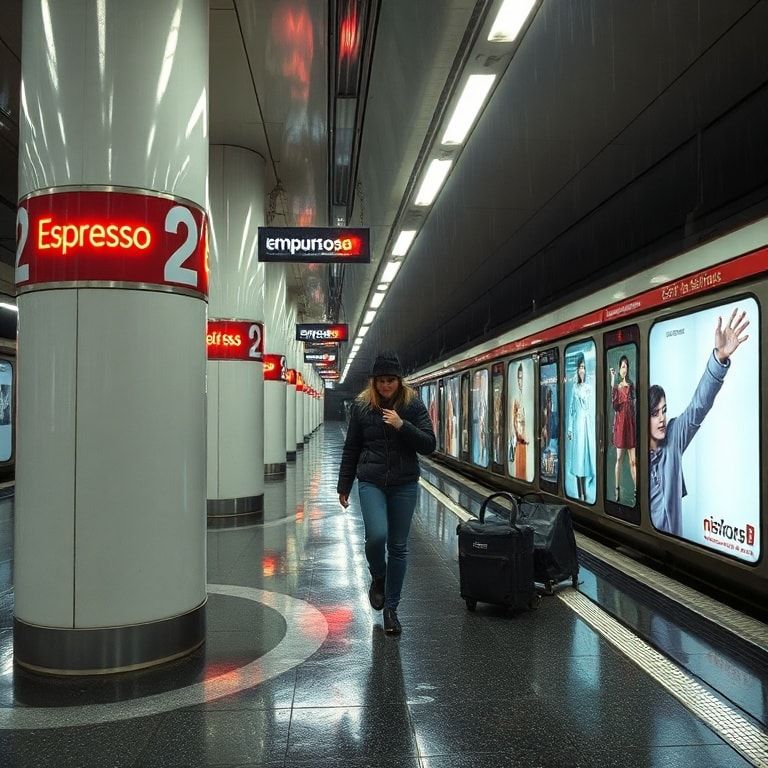
Back in the early 2000s, the go‑to resource for frugal Italian wanderers was a dog‑eared paperback titled “Backpack Italy on a Shoestring.” Those guides listed hostel addresses, cheap pizzerias, and a handful of bus routes, but they lacked real‑time pricing and ignored the surge of integrated ticketing that would later dominate urban mobility. As smartphones proliferated, blogs like “EuroNomad” and “BudgetGlobetrotter” began to crowdsource fare tables, turning static print into living spreadsheets. The shift mirrored a broader industry trend: transport operators, especially in Rome and Milan, started publishing transparent fare structures online, responding to a generation demanding data‑driven decisions. Meanwhile, the rise of low‑cost airlines such as Ryanair and EasyJet forced traditional railways to reposition themselves, emphasizing speed and convenience over price alone. This competitive pressure birthed Italo’s aggressive pricing model, which undercuts some domestic flights while offering a greener alternative. The modern “Italy solo budget” narrative now weaves together these historical strands – the nostalgia of hostel‑hopping, the precision of digital ticket calculators, and the strategic dance between rail and air – delivering a guide that feels both retro‑chic and hyper‑modern.
Technical Crunch: Decoding Ticket Math and Italo Speed
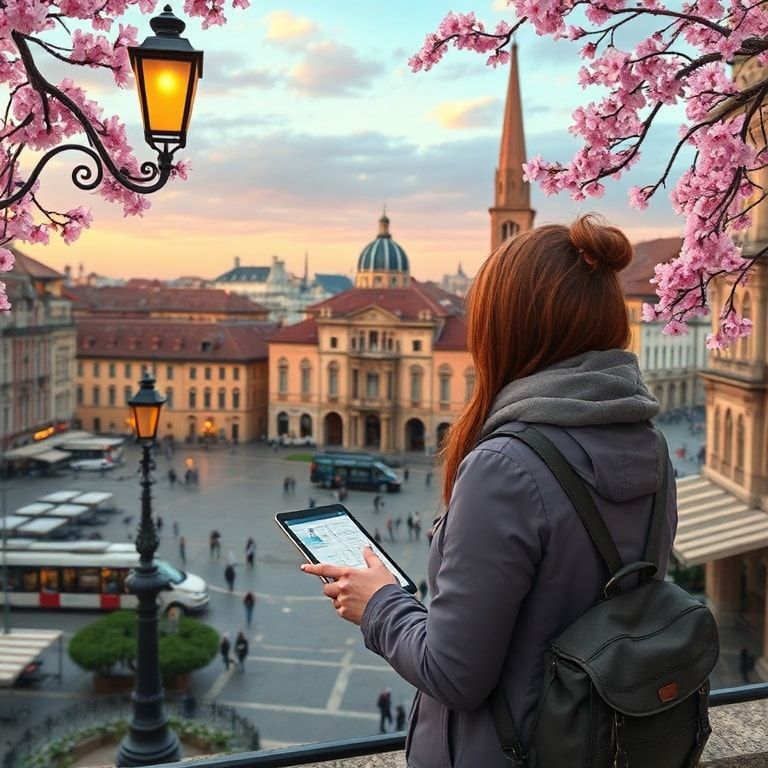
Let’s run the numbers for a typical 12‑day itinerary: Days 1‑3 in Rome, 4‑6 in Florence (via Italo), 7‑9 in Milan, and 10‑12 in Turin. In Rome, purchasing a 72‑hour unlimited ticket (€18) covers the first three days, eliminating the need for daily singles. For the remaining days, a weekly integrated pass (€24) is unnecessary; instead, two single tickets per day (€1.50 × 2 × 4 = €12) keep costs low. Total Rome spend: €30. In Florence, a round‑trip Italo ticket from Rome to Florence averages €35 when booked 30 days ahead; the high‑speed train shaves 1 h 30 m off a bus journey, freeing up precious daylight for sightseeing. Milan’s 72‑hour unlimited ticket (€12) blankets days 7‑9, while a single ticket for day 10 (€2) suffices. Turin’s 7‑day MultiDaily pass (€17.50) covers the final stretch, even though you’ll only use it for three days, but the pass still beats buying three daily tickets (€3 × 3 = €9) plus extra rides. Summing transport: Rome €30 + Italo €35 + Milan €12 + Turin €17.50 = €94.50. Add a modest €15 daily food budget (12 × 15 = €180) and €30 for hostels, and you’re looking at roughly €304.50 for the entire trip – a true Italy solo budget masterpiece. The math underscores why multi‑day passes and early‑bird rail tickets are indispensable tools for the savvy soloist.
Future Implications for Italy Solo Budget Adventures
Looking ahead, the EU’s push for integrated ticketing across borders could soon render the current city‑specific passes obsolete. Imagine a single “EuroPass” that grants unlimited travel from Rome to Barcelona, streamlining budgeting for nomads who hop nations as easily as they switch hostels. Meanwhile, Italo is experimenting with dynamic pricing algorithms that adjust fares in real time based on demand, potentially offering flash discounts that reward the truly vigilant traveler. On the ground, micro‑mobility solutions – e‑scooters and bike‑share schemes – are proliferating, especially in Milan and Turin, adding another layer of cheap, last‑mile connectivity. For the Italy solo budget community, these trends mean a future where the “budget” label becomes even more fluid, demanding continuous data‑scraping and a willingness to pivot on the fly.
Listen up, green‑horns: the romance of wandering Italy on a shoestring isn’t about cheap thrills, it’s about mastering the calculus of every euro. You’ll spend half your brain on ticket tables, the other half on deciding whether that extra gelato is worth the extra €2. If you ignore the 72‑hour passes in Rome or the early‑bird Italo deals, you’ll end up paying for a private chauffeur you never hired. The veteran traveler knows that every city has a hidden “sweet spot” – a ticket, a hostel, a trattoria – that turns a budget nightmare into a smooth cruise. Miss it, and you’ll be the guy lugging a heavy wallet through the Colosseum while the locals sip espresso for pennies.
And don’t think the game ends when you set foot in Turin. The transport landscape is a living organism, constantly mutating with EU policy shifts and tech‑driven pricing. Stay ahead of the curve, keep your phone’s fare‑app updated, and never, ever assume the cheapest option is the fastest. The future belongs to those who can read a timetable like a manga panel – quick, precise, and with a dash of flair. Keep your eyes peeled, your budget tight, and your wanderlust louder than the train’s whistle.
Check out the Italy solo budget archives.