Why the Belgrade budget guide Is the Ultimate Cheat Code for Cash‑Strapped Backpackers
Ever wondered how a city can turn a backpacker’s nightmare into a dream? The Belgrade budget guide reveals a free‑public‑transport miracle that slashes costs faster than a ninja’s katana. Strap in, because missing this intel will cost you more than just a few dinars.
Belgrade budget guide: Free Public Transport Revolution
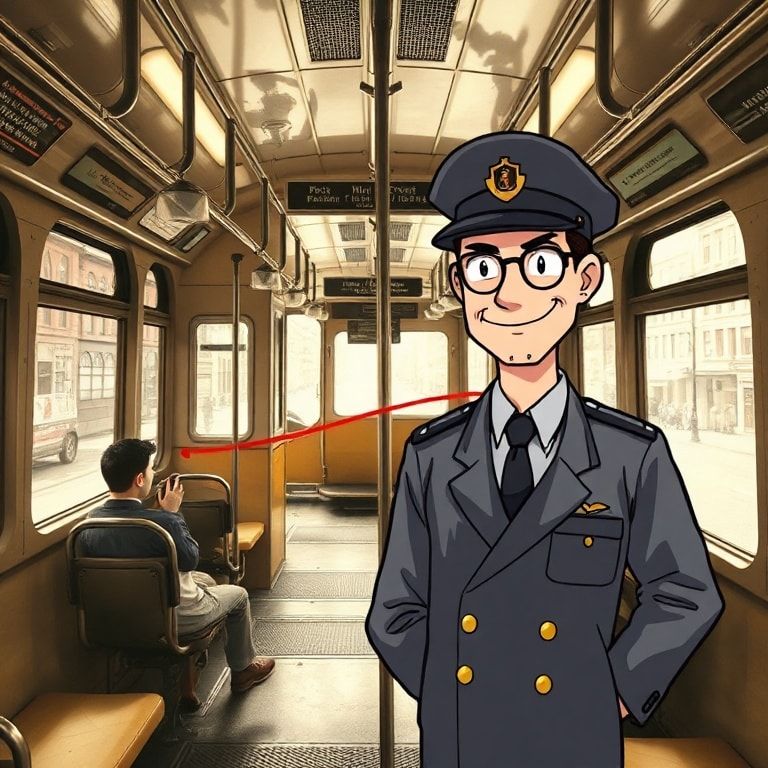
As of 1 January 2025, Belgrade became the first European metropolis with over half‑a‑million residents to offer free public transport city‑wide. This bold policy, documented on the official project page, eliminates the need for any fare, turning buses, trams, trolleybuses, and the BG Train into open highways for every wanderer. Previously, a 90‑minute ticket in Zones A and B cost 50 dinars, a daily pass 120 dinars, and a weekly ticket 800 dinars – sums that could eat up a tight backpacker budget. The shift to free travel not only cuts expenses but also reshapes the city’s mobility culture, encouraging spontaneous exploration and reducing traffic congestion. For the industry, it signals a radical public‑policy experiment that other mid‑size European cities may emulate, potentially redefining urban transit economics across the continent.
From Past to Present: How Belgrade’s Transport Evolved
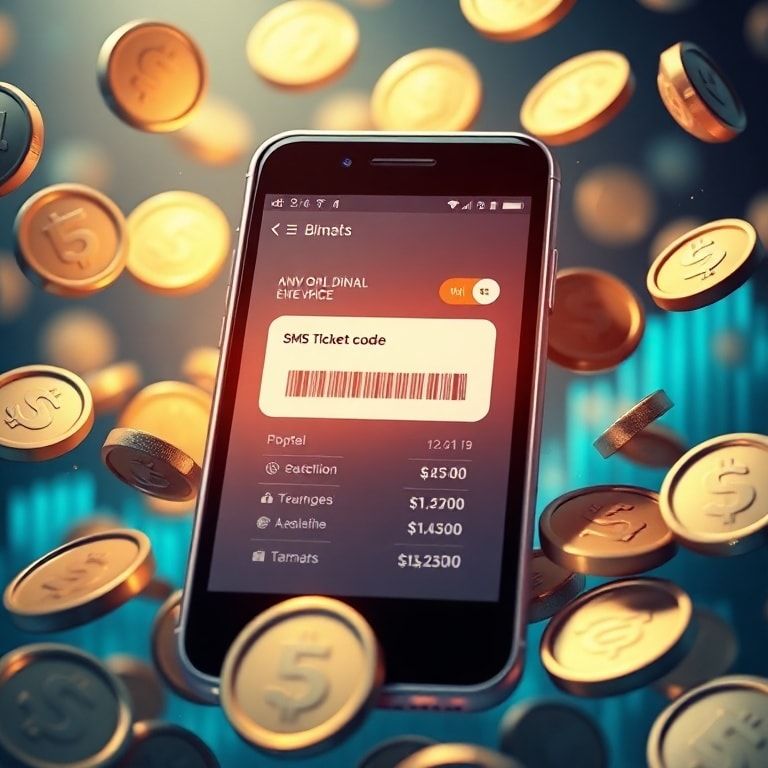
Looking back, Belgrade’s transport story reads like a classic anime saga: humble beginnings, dramatic upgrades, and a climactic power‑up. In the early 2000s, the city relied on cash‑only tickets, with SMS codes like A90, B90, and C90 serving as digital proof of purchase – a novelty then, but still a barrier for cash‑poor travelers. The fare structure was tiered, with Zone C tickets costing double, reflecting the city’s sprawling suburbs. Over the years, the municipal government incrementally modernized the fleet, introduced contactless payments, and expanded routes to the burgeoning New Belgrade district. The 2025 free‑transport decree caps this evolution, turning the entire network into a public good. This mirrors broader trends in Eastern European urban planning, where cities leverage transport subsidies to boost tourism and reduce carbon footprints. For backpackers, the transition means no more scrambling for change at kiosks; a simple glance at the city map now unlocks limitless movement. If you’re looking for a step‑by‑step rundown on stretching every dinar, our thrifty nomad survival tips walk you through the same streets.
Technical Crunch: Decoding Ticket Systems and Costs
Understanding the mechanics behind Belgrade’s transport overhaul is crucial for any budget‑savvy traveler. Before the free‑transport policy, a traveler could purchase a 90‑minute ticket for 50 dinars via SMS – a convenient but still costly option for short hops. Daily tickets at 120 dinars and weekly passes at 800 dinars offered savings for frequent riders, while monthly passes at 2 200 dinars catered to residents. The SMS system (sending A90, B90, or C90 to 9011) acted as both ticket and receipt, with municipal police checking the messages for validity. The airport connection added another layer: a line 72 bus from Nikola Tesla Airport to the city centre cost 80 dinars and took about 40 minutes, while a taxi would set you back roughly 1 000 dinars (≈10 EUR). With free city transport, the only remaining expense is the airport bus fare, dramatically lowering the entry cost for newcomers. Backpackers wondering how to stretch a week‑long adventure can check out our 8‑day budget blueprint for more context. This financial simplification not only eases budgeting but also encourages longer stays, as travelers can allocate saved funds to food, hostels, or cultural experiences.
Future Implications: What Free Transit Means for Backpackers
The ripple effects of Belgrade’s free‑transport policy extend far beyond immediate savings. For the backpacking community, it creates a new paradigm where mobility is no longer a budget constraint but a catalyst for deeper immersion. Travelers can hop from the historic Kalemegdan Fortress to the bohemian Skadarlija district, then venture across the Danube to the vibrant Zemun quarter, all without worrying about ticket costs. This fluidity fosters spontaneous cultural exchanges, longer itineraries, and a richer understanding of Serbian life. Economically, the city anticipates increased tourism revenue, as longer stays translate to higher spending on accommodation, dining, and nightlife. Environmentally, reduced car usage aligns with EU sustainability goals, positioning Belgrade as a green travel hub.
Listen up, green‑horns: free transport sounds like a dream, but it’s a double‑edged katana. The city will soon feel the pinch of maintenance bills, and you’ll see a surge of tourists flooding the same cheap hostels, driving prices up faster than a shonen power‑up. Expect the once‑quiet kafanas to turn into tourist traps, and the authentic street art scene to get sanitized for Instagram feeds. Your “budget” will shrink not because you’re paying more for rides, but because the whole ecosystem inflates around you.
My veteran nose tells me the next wave will be about leveraging that free mobility into deeper experiences – think volunteer projects, language exchanges, or off‑the‑grid hikes in the surrounding countryside. Don’t be a leech on the city’s generosity; use the free rides as a springboard to explore the hidden gems that aren’t on the tourist map. In short, treat the Belgrade budget guide as a cheat code, not a crutch, and you’ll walk away with stories worth more than any dinar you ever spent.
Related Guides & Further Reading
Check out the Belgrade budget guide archives.