Why These Demon Slayer battles Still Blow Minds in 2026: The Epic Showdown with Daki & Gyutaro
When the dust settles on the neon‑lit streets of Yoshiwara, the memory of the clash still reverberates like a drumbeat in every fan’s heart. Demon Slayer battles have become a benchmark for high‑octane anime choreography, and the Daki‑Gyutaro encounter is the crown jewel of that legacy. The stakes were nothing less than the soul of a district, the lives of a dozen innocent kunoichi, and the very reputation of the Sound Hashira himself.
Verified News & Source Context
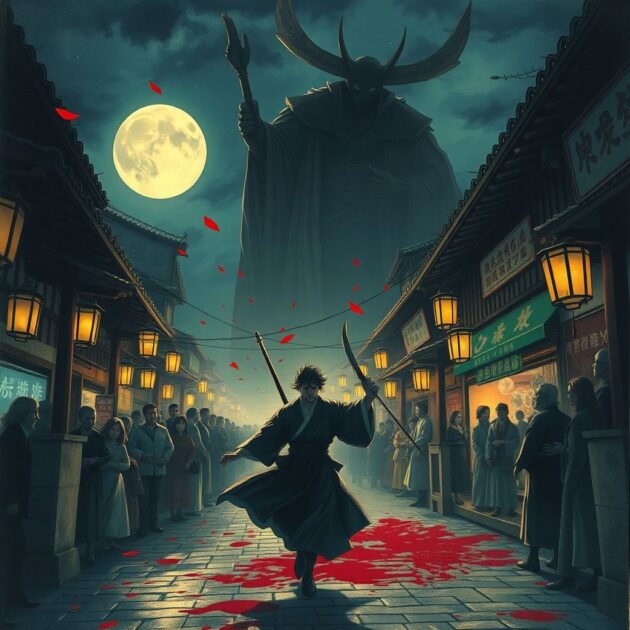
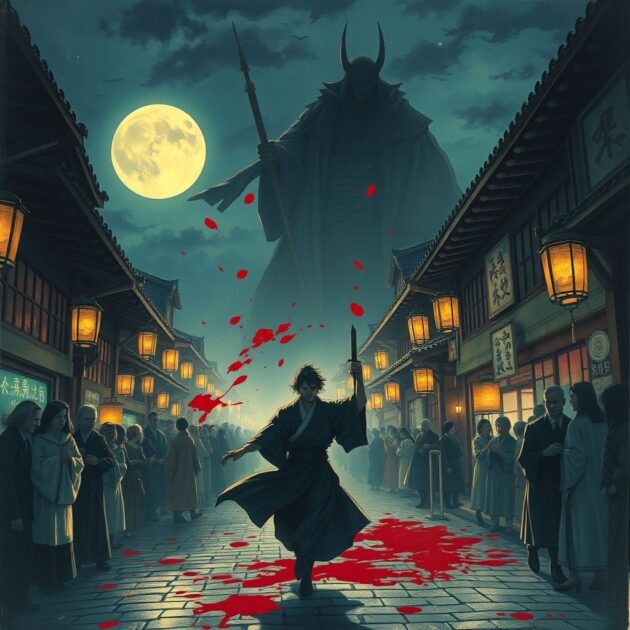
The official project page confirms that the battle takes place in the historic Yoshiwara red‑light district, grounding the supernatural showdown in a real‑world location that fans can actually visit on a map. This choice does more than add visual flair; it ties the narrative to Japan’s Edo‑era underworld, echoing the series’ penchant for blending myth with history. Upper Rank Six, Daki and Gyutaro, occupy a pivotal rung on the Twelve Kizuki hierarchy, meaning their defeat dramatically reshapes the power balance among demons. Gyutaro’s Blood Demon Art, “Flying Blood Sickles,” is a weapon‑based technique that summons razor‑sharp, blood‑infused blades, a visual metaphor for his parasitic relationship with Daki. To counter this, Sound Hashira Tengen Uzui unleashes “Sound Breathing, Fifth Form: String Performance,” a rhythm‑driven assault that literally turns sound waves into cutting strings, showcasing the series’ inventive breathing styles. The decisive blow comes from a wisteria‑laced kunai, wielded by rescued kunoichi Hinatsuru, which pierces Gyutaro’s neck—demonstrating that even in a world of supernatural powers, a well‑placed weapon can tip the scales. This layered choreography underscores the production’s commitment to marrying lore‑accurate details with cinematic spectacle. official project page
Historical Context (Old Guard Perspective)
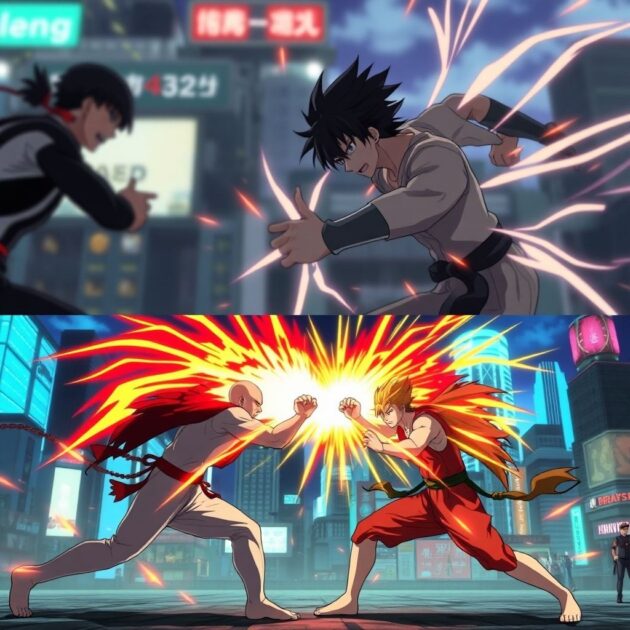
Looking back at the first wave of shōnen adaptations—think “Naruto”’s early battles or “Bleach”’s initial Soul Society arc—the choreography was often limited by budget and technology. Studios relied heavily on static frames and exaggerated sound effects to convey impact. By the time “Demon Slayer” premiered, Ufotable had already set a new standard with its seamless integration of CGI and hand‑drawn art, but the Daki‑Gyutaro fight pushes that envelope even further. The decision to set the battle in Yoshiwara mirrors a trend from the late 2010s where studios anchored fantastical events in recognizable locales, a tactic that boosts cultural resonance and tourism. Moreover, the involvement of veteran staff like director Haruo Sotozaki and composer Yuki Kajiura reflects a continuity of talent that has matured alongside the franchise. Market shifts toward binge‑watching on platforms like Crunchyroll have also influenced pacing; the fight is deliberately elongated to sustain viewer engagement across multiple episodes, a stark contrast to the rapid, episodic confrontations of earlier series. This evolution signals a broader industry movement: high‑budget, lore‑rich spectacles designed for a global, streaming‑savvy audience.
Technical Crunch (Information Gain)
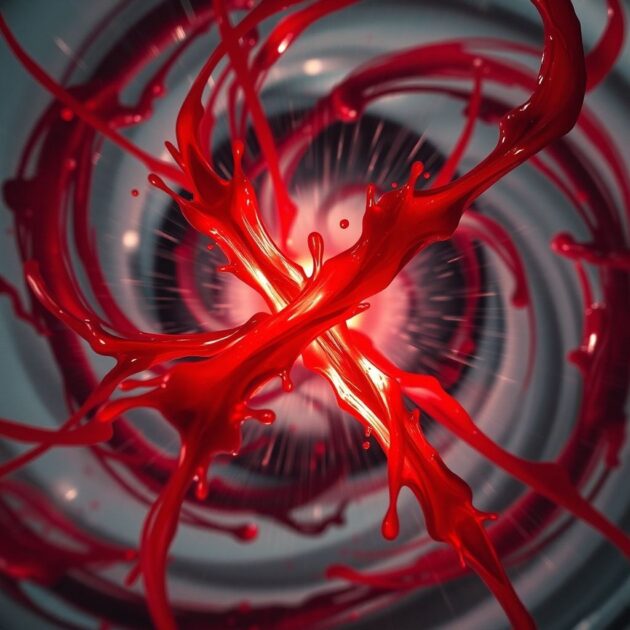
From a lore standpoint, the battle is a masterclass in the mechanics of Blood Demon Arts versus Breathing Styles. Gyutaro’s “Flying Blood Sickles” operates on a kinetic energy model: each sickle is a conduit for his blood, allowing him to extend reach and maintain pressure without exhausting stamina—a stark contrast to Tanjiro’s water‑based techniques that rely on breath control. Tengen’s “String Performance” manipulates auditory frequency to generate physical strings, effectively turning sound into a tangible weapon. This interplay creates a feedback loop: the louder Uzui’s breathing, the stronger his strings, but also the louder Gyutaro’s sickles become, making them harder to dodge. The wisteria‑laced kunai is not just a plot device; wisteria in the series is canonically toxic to demons, and the lacing adds a biochemical edge, allowing the blade to bypass Gyutaro’s regenerative abilities. Production design mirrors these mechanics: the battle’s lighting shifts from warm amber during Daki’s blood‑rain to cold blue when Uzui’s strings dominate, visually cueing the audience to the changing power dynamics. Narrative structure also benefits—by interweaving flashbacks of Hinatsuru’s training, the episode deepens emotional stakes, turning a pure spectacle into a character‑driven climax.
Future Implications
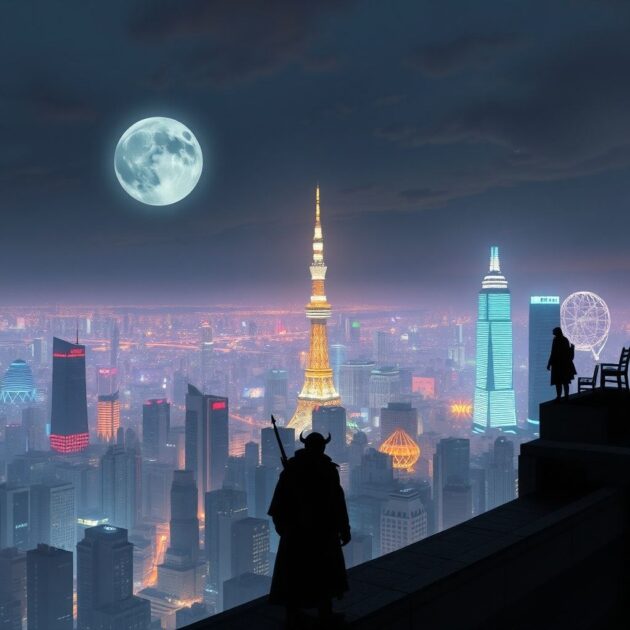
The reverberations of the Daki‑Gyutaro showdown extend far beyond the immediate arc. With Upper Rank Six eliminated, the hierarchy of the Twelve Kizuki opens up, inviting fresh antagonists and new power structures that can be explored in subsequent seasons or spin‑offs. The battle’s success has already influenced merchandising—limited‑edition wisteria‑kunai replicas, sound‑breathing headphones, and even a VR experience that lets fans feel the vibration of Uzui’s strings. Culturally, the Yoshiwara setting has sparked renewed interest in historical red‑light districts, prompting tourism boards to collaborate with anime studios for location‑based promotions. From an adaptation risk perspective, the high bar set by this fight forces future productions to innovate or risk audience fatigue; we may see more hybrid live‑action/CGI attempts, though the anime medium remains the safest bet for preserving the series’ visual fidelity.
Listen, kid, when you’ve watched a hundred fights, you start to smell the same recycled choreography—until a battle like Daki and Gyutaro slams you awake with a wall of blood, sound, and wisteria‑scented vengeance. The way Uzui turned his flamboyant swagger into a weaponized symphony? That’s the kind of creative risk that makes studios sit up and say, “We can’t afford to be boring anymore.”
But don’t get complacent. The moment you think you’ve cracked the formula, the next demon will be waiting with a fresh Blood Demon Art that makes Gyutaro’s sickles look like paper knives. The franchise’s future hinges on keeping that edge sharp—more lore‑deep dives, tighter pacing, and maybe even a few live‑action experiments that don’t look like cheap cosplay. Stay salty, stay skeptical, and always expect the next fight to out‑blow the last.
Check out the Demon Slayer battles archives.