Why the Most Divisive Anime Keep Splitting Fans: A Deep Dive into Chaos
The anime world loves to argue, as detailed in our most divisive anime hub, and nothing sparks a firestorm like the most divisive anime on the market. For a full overview, see our comprehensive guide to divisive anime. Fans split into camps, each defending their favorite with the fervor of a samurai duel. As the stakes rise, we ask: why do these titles polarize us so deeply?
Divisive Anime Rankings by Rating Variance
According to the latest statistical breakdown on Anime News Network, the following titles (highlighted in our 2026 divisive anime roundup) exhibit the highest variance in viewer ratings, indicating strong love‑hate divides.
| Rank | Title | Standard Deviation (±) | Votes | Notes |
|---|---|---|---|---|
| 1 | Musashi (TV) | 4.23 ± 4.398 | 141 | Top of the “most diverging opinions” list. |
| 2 | Space Battleship Yamato 2199 Chapter 7: Soshite Kan wa Iku (movie) | 8.02 ± 4.074 | 14 | Passionate minority either lauds or lambasts its reinterpretation. |
| 9 | Bobobo‑bo Bo‑bobo (TV) | 4.75 ± 3.235 | 896 | Gag‑heavy series polarizing a large audience. |
| 45 | Sword Art Online (TV) | 7.42 ± 2.854 | 4,862 | Love‑hate status confirmed by massive vote count. |
The list filters out titles with fewer than 12 votes, ensuring statistical relevance. All figures are compiled on the official project page, which aggregates user ratings from MyAnimeList and other databases to calculate standard deviation as a proxy for divisiveness.
Factors That Make These Series Polarizing

Reimagining Iconic Material
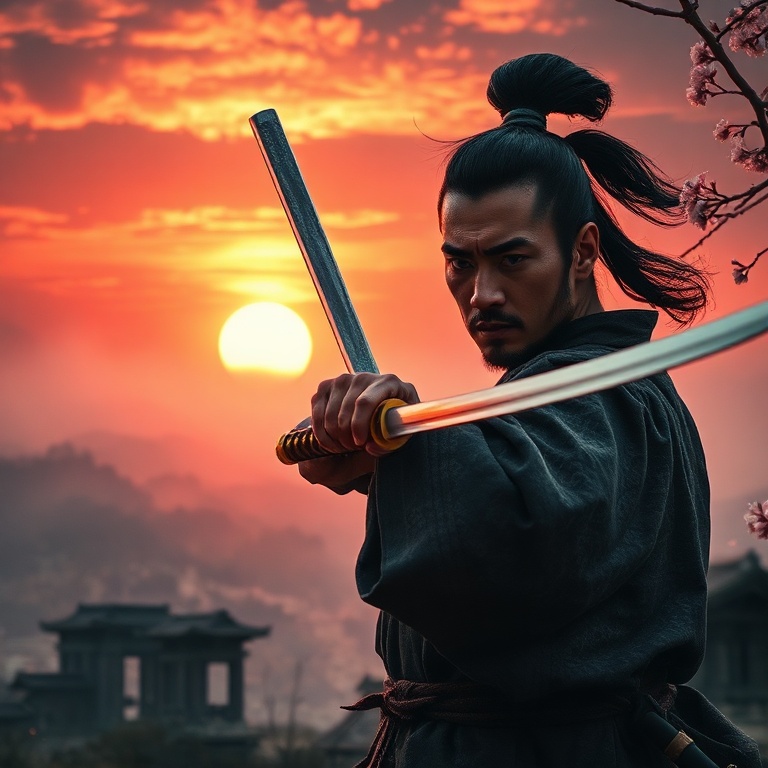
Modern outliers often reinterpret beloved source material. Musashi recasts the legendary swordsman with a gritty, nihilistic lens, clashing with purists who expect a heroic, stylized portrayal. In the 1970s, adaptations like Heidi, Girl of the Alps or Galaxy Express 999 adhered closely to their narratives, earning broad consensus.
Subverting Genre Expectations
Studios such as A‑1 Pictures and Sunrise have experimented with tonal shifts. Space Battleship Yamato 2199 presents a darker, character‑driven approach that diverges sharply from the 1974 original’s straightforward optimism. Bobobo‑bo Bo‑bobo injects absurdist humor, colliding with viewers accustomed to conventional shōnen formulas—an echo of the backlash faced by Neon Genesis Evangelion in the 1990s for deconstructing mecha tropes.
Franchise Fatigue and Emerging Themes
Sword Art Online rode a wave of VR‑themed storytelling. Early arcs were praised for immersive world‑building, yet later seasons were lambasted for pacing and character decisions, reflecting broader fatigue with rapid franchise expansion.
Production Choices That Drive Divergence
Standard deviation measures dispersion: a high value means scores are spread across the spectrum, indicating both fervent admirers and vehement detractors.
- Musashi (TV) – A near‑bimodal distribution: near‑perfect scores for atmospheric art and mature storytelling versus low scores for slow pacing and historical liberties. Production blended traditional cel‑animation with digital compositing, pleasing hand‑drawn purists but irking those expecting crisp CGI.
- Space Battleship Yamato 2199 Chapter 7 – Utilized a limited‑budget 3D model for space battles, sparking debate over dynamic action versus visual consistency.
- Bobobo‑bo Bo‑bobo (TV) – Chaotic animation style—rapid cuts, exaggerated expressions, constantly shifting color palettes—mirrors its absurd narrative, yet the visual overload can alienate viewers seeking narrative cohesion.
- Sword Art Online (TV) – With 4,862 votes, its 7.42 ± 2.854 deviation reflects a sizable minority rating the series below average, often citing virtual‑reality ethics and character agency concerns.
Understanding these production choices clarifies how artistic intent and technical execution intersect to produce measurable audience division.
Industry Shifts Triggered by Divisive Hits
Leveraging Controversy for Revenue
Studios now recognize that controversy can fuel buzz, merchandise sales, and media attention, but it also risks alienating core fanbases. Musashi’s polarizing reception may encourage “director’s cut” releases that appease both camps, reminiscent of the multiple Western versions of Akira.
Balancing Fan Expectations
Yamato’s mixed feedback could inspire hybrid narratives that blend the original optimism with newer character depth, potentially birthing “dual‑timeline” storytelling that satisfies nostalgia while advancing lore.
Emerging Interactive Strategies
Bobobo‑bo’s enduring cult status suggests niche absurdist humor remains marketable, prompting streaming platforms to greenlight more experimental comedies. Sword Art Online’s divided fanbase indicates franchise longevity may hinge on evolving toward grounded, character‑driven arcs. As the industry leans into interactive experiences—VR‑enabled watch parties, fan‑driven polls—a feedback loop may emerge where audience sentiment directly informs production decisions, turning divisiveness from a risk into a measurable metric for creative experimentation.
Listen up, fresh‑blood otaku: the most divisive anime aren’t just glitchy experiments—they’re deliberate provocations—studios have learned that stirring the pot yields clicks, merch, and endless debate threads that keep their algorithms humming. Musashi’s bleak reinterpretation, for example, was a calculated gamble to lure the hardcore samurai crowd while simultaneously alienating the casual fan. The payoff? A surge in DVD sales from collectors who crave that “rare‑edition” aura, and a flood of memes that keep the title alive on Twitter for years.
But don’t be fooled into thinking controversy guarantees longevity. The market is a fickle beast; too much division can erode brand equity faster than a bad filler arc. The key is balance—inject enough friction to spark conversation, then smooth the edges with supplemental content that re‑engages the skeptics. Think post‑season OVAs, director’s commentaries, or even a spin‑off that leans into the very elements that divided fans. In short, the future belongs to those who can weaponize divisiveness without letting it backfire, turning every heated forum thread into a revenue stream.
Related Guides & Further Reading
Check out the anime rankings archives.