Goku vs Naruto: Who Really Rules the 2026 Power Scale?
Goku vs Naruto: The Ultimate Power Scale Unveiled
Fan Calculations and Stakes
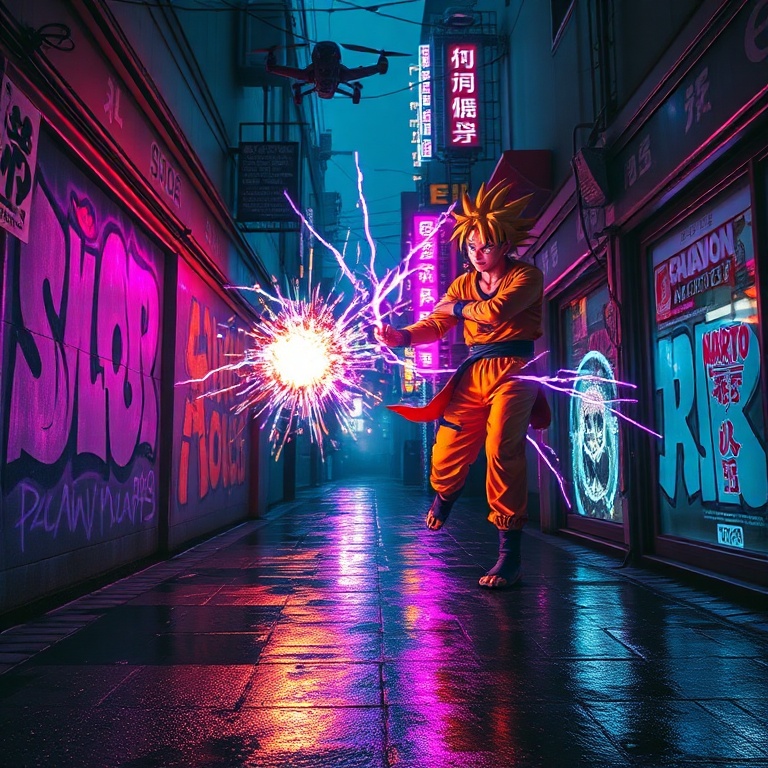
When the buzz hit the forums last week, the headline screamed Goku vs Naruto and the internet erupted. Fans of Saiyan might and shinobi mystique have been clutching their calculators, trying to quantify the unquantifiable. The stakes? Not just bragging rights, but a cultural barometer for how we measure power in the modern shonen era.
Explore the full picture in our anime power scaling hub for context on how these battles shape the genre.
Transformations as Exponential Benchmarks
The official project page on Wikipedia lists Goku’s transformations from Super Saiyan to Ultra Instinct, each with exponential multipliers, while Naruto’s canon charts his progression from Genin to Sage of Six Paths, a different kind of exponential. The depth of Goku’s ladder is evident in our Goku vs Saitama showdown, where each tier multiplies his raw ki dramatically.
Collision of Narrative Philosophies
This clash isn’t merely about raw numbers; it’s a collision of narrative philosophies—Dragon Ball’s ever‑escalating power‑up ladder versus Naruto’s thematic growth through bonds and chakra mastery.
Why the Debate Matters
By dissecting the latest data, we can see why this debate matters beyond fan service: it reflects how contemporary anime franchises balance spectacle with character development.
From Saiyan Legends to Shinobi Myths: Historical Context

Precedent Showdowns
Looking back, the rivalry mirrors earlier showdowns like Goku versus Frieza or Naruto versus Pain—each a watershed moment that reshaped their respective series.
Evolution of Power Scaling
In the late ’80s, Dragon Ball set the template for power scaling, introducing the concept of “levels” that fans could track. Naruto, debuting a decade later, borrowed that framework but infused it with a ninja‑centric chakra system, creating a hybrid metric that appealed to both tactical and emotional sensibilities.
Industry Shifts in the 2020s
Studios like Toei Animation and Studio Pierrot have historically leaned into these escalations, but the 2020s saw a shift: streaming platforms demanded tighter storytelling, prompting creators to embed power discussions within character arcs rather than pure spectacle.
Fan‑Generated Scholarship
This evolution is evident in the way recent arcs for both series integrate world‑building with power reveals, a trend that the current Goku vs Naruto discourse exemplifies. Moreover, the rise of fan‑generated content—charts, videos, and AI‑powered simulations—has turned these debates into a quasi‑academic field, influencing how future adaptations might present power hierarchies.
Technical Crunch: Lore Mechanics and Stat Dissection

Energy vs Chakra – Units of Power
Delving into the mechanics, Goku’s power is quantified through ki output, measured in exabytes of raw energy in the series’ later stages. Ultra Instinct, for instance, is described as a state where the body reacts without conscious thought, effectively removing latency from combat—a theoretical 0.001‑second reaction time.
Naruto’s chakra, conversely, is a blend of spiritual and physical stamina, with the Nine‑Tails chakra offering a massive reservoir that can be channeled into massive Rasengan variants. When we translate these into comparable units, we must consider conversion factors: ki’s destructive radius versus chakra’s versatility in elemental jutsu. The depth of Naruto’s system is explored in the Naruto power scale showdown, highlighting its strategic breadth.
Production and Narrative Influence on Perceived Strength
Production design also plays a role; Goku’s fights are often rendered with high‑frame‑rate CGI to emphasize speed, while Naruto’s battles rely on fluid hand‑drawn animation to highlight technique. Narrative structure further skews perception—Dragon Ball tends to showcase power through world‑shaking explosions, whereas Naruto emphasizes strategic use of abilities. Understanding these layers clarifies why raw stat comparisons can be misleading without context.
Future Implications: Sequel Dreams and Cultural Ripples
Crossover Prospects and Market Potential
The reverberations of this showdown extend far beyond the comment sections. Studios are already hinting at crossover events—think a joint movie or a limited‑run game that pits Saiyan might against shinobi cunning. Such collaborations could redefine licensing models, merging two massive fanbases into a single revenue stream.
Narrative Risks of Overexposure
Moreover, the cultural impact is palpable: memes, merchandise, and even academic papers are citing the Goku vs Naruto debate as a case study in transmedia storytelling. The risk, however, lies in balancing fan expectations with narrative integrity; a poorly executed crossover could tarnish both legacies. Yet, if handled with the seasoned craftsmanship seen in recent high‑budget anime films, the payoff could be a new benchmark for franchise synergy.
Listen up, fresh‑blood otaku: the moment you start treating power levels like a spreadsheet, you’ve already sold your soul to the hype machine. Real fans know that Goku’s raw ki is a metaphor for relentless ambition, while Naruto’s chakra is a lesson in perseverance and community. If you can’t see the nuance, you’re just another noise‑maker in the comment wars.
And another thing—don’t be fooled by glossy trailers promising the ultimate showdown. The true battle is in the storytelling choices studios make tomorrow. Will they honor the growth arcs that made these characters iconic, or will they drown them in endless flash? That’s the real Goku vs Naruto, and it’s a fight you’ll want to keep watching, even when the hype dies down.
Related Guides & Further Reading
Check out the Goku vs Naruto archives.