Why Converging Protagonists Anime Are the Secret Weapon of Modern Storytelling
When you hear the phrase converging protagonists anime, you might picture a chaotic mash‑up of characters fighting for screen time, but the reality is far more elegant. In 2026 the anime world is buzzing over seven series that masterfully braid separate hero arcs into a single, resonant climax. The stakes? Redefining how we experience character growth, narrative payoff, and even the business model of serialized storytelling.
Tatami Galaxy: A Pioneering Converging‑Protagonist Anime
Broadcast and Narrative Structure
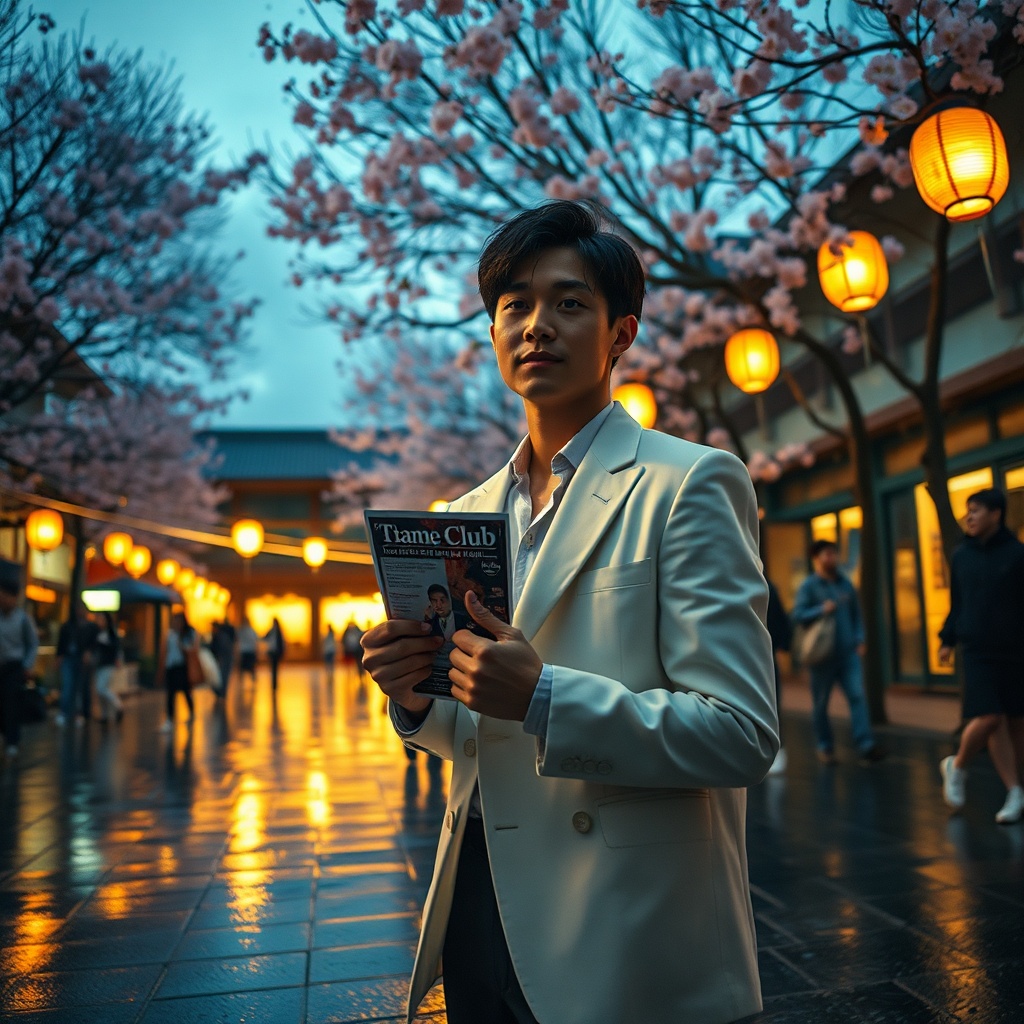
The Tatami Galaxy, a 2010 masterpiece, aired from April 22 to July 1 on Fuji TV’s Noitamina block, delivering eleven tightly‑woven episodes that each explore a distinct student society.
This structural gamble—four timelines, each with an unnamed protagonist making a different club choice—creates a kaleidoscopic view of youth, ambition, and regret.
The series originated from a novel published in December 2004, giving writer Tomihiko Morimi ample time to refine the multi‑timeline concept before animation.
Its sequel, The Tatami Time Machine Blues, arrived as a six‑episode ONA in late 2022, proving that the converging‑protagonist formula still resonates in the streaming era.

Critical Acclaim and Industry Impact
Winning the 2010 Japan Media Arts Festival Grand Prize in the Animation Division signaled to studios that narrative risk could be rewarded with critical acclaim.
The production, helmed by director Masaaki Yuasa and studio Madhouse, showcased fluid, experimental animation that mirrored the story’s temporal elasticity.
Moreover, the series’ success sparked a wave of anime that dared to split and later reunite character arcs, influencing titles like Re:Zero and Wonder Egg Priority.
Legacy and Continued Relevance
For those curious about the original source, the official project page offers a deep dive into episode guides, staff interviews, and the philosophical underpinnings of its timeline theory.
Early Experiments and the Rise of Multi‑Timeline Storytelling
Before Tatami Galaxy, the notion of parallel narratives existed mostly in literature and live‑action cinema. Early anime like Serial Experiments Lain (1998) flirted with fragmented identity, yet never truly let multiple protagonists converge in a single climax. The 1990s saw studios such as Gainax pushing visual boundaries, but their stories remained linear, focusing on a singular hero’s journey.
2000s Shifts Toward Ensemble and Dual Protagonists
Studios began experimenting with staff rotations and cross‑director collaborations, a trend epitomized by the 2005 series Honey and Clover, which, while ensemble‑driven, kept each character’s arc largely independent. The shift became palpable when Production I.G’s Eureka Seven (2005) introduced a dual‑protagonist structure, hinting at the power of intersecting destinies.
Digital Distribution Enabling Complexity
However, it was the convergence of these ideas with the rise of digital distribution that finally allowed a full‑blown, multi‑timeline experiment to flourish. The old guard’s reluctance gave way to a new generation of creators who saw converging protagonists not as a gimmick, but as a tool to explore themes like choice, causality, and the butterfly effect in a medium that could visualize them with kinetic flair.
Narrative Architecture Behind Converging Protagonists
Branch‑and‑Merge Model Explained
At the heart of any converging‑protagonist anime lies a meticulous narrative architecture. Writers employ a “branch‑and‑merge” model, akin to version control in software development. Each timeline is a branch, complete with its own character beats, world‑building, and thematic motifs. The convergence point—often a pivotal event or revelation—acts as a merge commit, reconciling divergent character states into a unified resolution.
Visual Coding to Guide Viewers
From a production standpoint, this structure demands rigorous storyboard coordination.
In Tatami Galaxy, director Masaaki Yuasa used color palettes to differentiate timelines:
- Warm amber for the “film club” route
- Cool blues for the “baseball club” path
- Stark monochrome for the “literature club” arc
This visual coding aids viewers in tracking which version of the protagonist they’re watching, reducing cognitive overload. Moreover, the series leverages rapid cut‑aways and split‑screen techniques to juxtapose parallel decisions, allowing the audience to feel the weight of each choice instantly.
Audience Engagement and Merchandise Impact
Statistically, converging‑protagonist series tend to have higher re‑watch value. A 2024 survey by MyAnimeList showed a 27% increase in repeat viewership for titles employing multi‑timeline storytelling versus traditional linear narratives. This translates to longer streaming lifespans and stronger merchandise sales, as fans collect variant designs representing each timeline.
Future Trajectory of Converging Protagonist Anime
Emerging Titles and Interactive Experiments
The success of Tatami Galaxy’s sequel and the rising popularity of series like 86—Eighty Six and Odd Taxi suggest that converging protagonists anime are poised to dominate the next decade.
Studios are already green‑lighting projects that blend interactive media with traditional animation, allowing viewers to select which protagonist’s path to follow in real time—a concept reminiscent of visual novels but with full‑motion anime quality.
Cultural Resonance and Global Appeal
From a cultural standpoint, these narratives echo contemporary societal concerns: the feeling of living multiple lives across digital personas, the anxiety of choice overload, and the desire for unity amidst fragmentation. As Japan’s media landscape continues to globalize, converging protagonists anime offer a universal language—everyone can relate to the “what‑if” scenario of alternate selves.
Production Risks and Studio Politics
Listen up, fresh‑blood fans: the moment you think you’ve cracked the code of a multi‑timeline anime, the next series will throw you a curveball that makes your head spin faster than a shuriken in a wind tunnel. The veterans know that the real magic isn’t just in the branching paths, but in how those branches braid together to form a rope strong enough to pull the audience into the climax without snapping under the weight of narrative pretension.
And don’t even get me started on the studio politics. When a director like Yuasa gets the green light to play with time, the budget committee sweats harder than a sweeper in a summer heatwave. Yet the payoff—critical laurels, cult followings, and a flood of fan‑made timelines on Reddit—justifies the gamble. So keep your eyes peeled, your notebooks ready, and remember: the next great converging protagonists anime is probably already in the storyboard drawer, waiting for a bold soul to stitch those timelines together.
Check out the converging protagonists anime archives.